





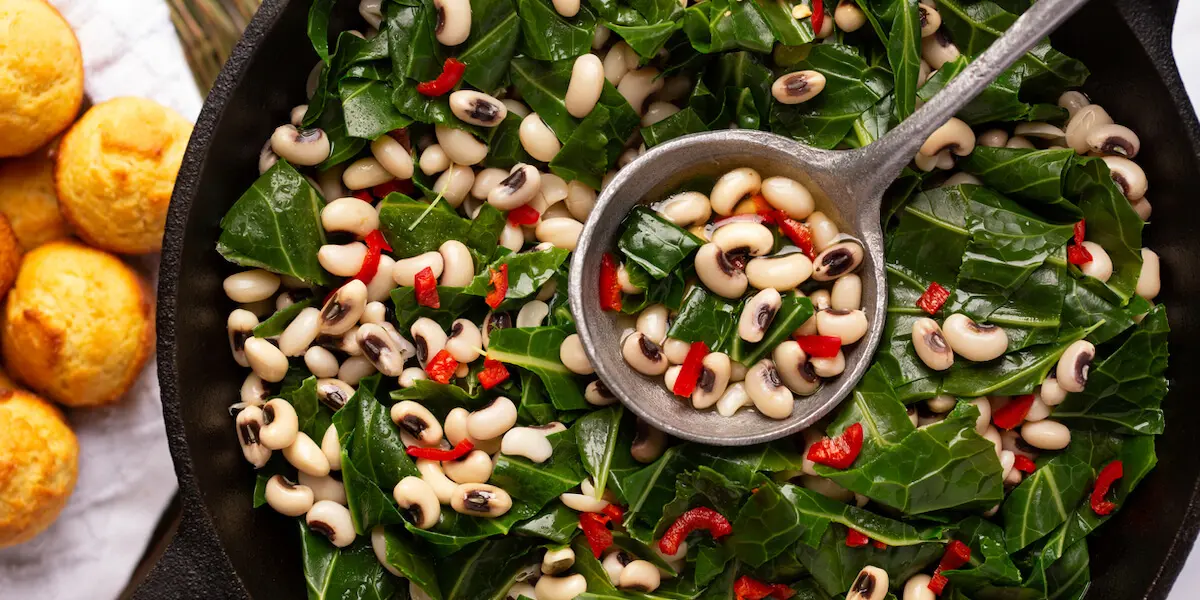

Food is more than sustenance; it is a window into culture, geography, and history. Around the globe, communities have developed unique ingredients and culinary traditions shaped by climate, trade, migration, and innovation. From the tropical fruits of Southeast Asia to the fermented delicacies of Northern Europe, understanding these ingredients offers insights into the intricate relationship between humans and their environment. This article delves into some of the world’s most distinctive ingredients, exploring their origins, culinary uses, nutritional profiles, and cultural significance.
The Significance of Unique Ingredients
Unique ingredients are defined by their distinctive flavors, textures, or nutritional properties, often tied to a specific region or cultural practice. They play several roles:
- Cultural Identity: Ingredients such as saffron in Iran, pandan in Southeast Asia, or black garlic in East Asia carry symbolic meaning and tradition.
- Culinary Innovation: Unique ingredients inspire chefs to create new flavor profiles, textures, and dishes.
- Nutritional Benefits: Many rare or local ingredients provide high levels of essential nutrients, antioxidants, or bioactive compounds.
- Economic and Ecological Impact: Indigenous and endemic ingredients often drive local economies and promote biodiversity.
These factors make the study of ingredients an intersection of gastronomy, anthropology, and environmental science.
Exotic Spices: The Aromatic Backbone
Spices have historically been central to the culinary world, and many unique spices remain exclusive to certain regions:
- Saffron (Crocus sativus): Cultivated primarily in Iran, Kashmir, and Spain, saffron’s vivid color and distinct aroma come from the stigmas of the flower. Its labor-intensive harvest has made it one of the most expensive spices in the world.
- Sumac (Rhus coriaria): Common in Middle Eastern cuisine, sumac adds tangy, citrus-like notes to salads and meats.
- Grains of Paradise (Aframomum melegueta): Native to West Africa, this spice is related to ginger and offers peppery, citrusy flavors, historically valued in Europe before black pepper became widespread.
Spices not only enhance flavor but also have preservative and medicinal properties, linking culinary practice with traditional healthcare systems.
Uncommon Fruits and Vegetables
Regions around the world cultivate fruits and vegetables with unique flavors and textures:
- Durian: Known as the “king of fruits” in Southeast Asia, durian’s pungent aroma and custard-like texture divide opinions. Despite its strong smell, it is nutrient-rich, offering vitamin C, potassium, and healthy fats.
- Romanesco Broccoli: Native to Italy, its fractal geometry and nutty, tender flavor make it a visually striking and nutrient-dense vegetable.
- Oca (Oxalis tuberosa): A root vegetable from the Andes, oca varies in color and taste from sweet to tangy and is rich in complex carbohydrates and vitamin C.
- Kiwano (Horned Melon): Native to Africa, its spiky orange exterior hides a green, jelly-like interior with cucumber-like flavor and high antioxidant content.
These ingredients often remain underutilized outside their regions, representing opportunities for culinary exploration and innovation.
Fermented and Preserved Foods
Fermentation has been used for centuries to preserve food, enhance flavor, and improve digestibility. Unique regional fermented foods include:
- Kimchi: Korea’s signature dish combines napa cabbage, radish, garlic, and chili with fermentation that produces probiotics, vitamins, and complex flavors.
- Natto: A traditional Japanese food made from fermented soybeans, natto is sticky and pungent but rich in protein, vitamin K2, and beneficial bacteria.
- Surströmming: Northern Sweden’s fermented herring is known for its intense aroma and strong flavor, highlighting the regional adaptation to preserving fish in the pre-refrigeration era.
- Tempeh: Originating in Indonesia, tempeh is a fermented soybean cake with firm texture and umami flavor, widely appreciated as a plant-based protein source.
Fermentation transforms ordinary ingredients into nutritionally and gastronomically enhanced foods, demonstrating the ingenuity of traditional culinary practices.
Rare Proteins and Seafood
Certain regions specialize in unique proteins and seafood:
- Hákarl: Icelandic fermented shark, traditionally prepared to remove toxins, reflects the resourcefulness of a harsh environment.
- Bison and Reindeer: Indigenous to North America and Northern Europe, these meats offer lean protein and are central to traditional diets.
- Uni (Sea Urchin Roe): A prized Japanese delicacy, uni is rich in omega-3 fatty acids and has a creamy, briny flavor highly sought after in sushi cuisine.
- Geoduck: Native to the Pacific Northwest, this large clam provides a sweet, crunchy texture and is often consumed raw or lightly cooked.
These proteins reflect the adaptation of local communities to their natural environments and their innovative use of available resources.
Ancient Grains and Seeds
With modern nutrition science emphasizing nutrient density, ancient grains and seeds have gained attention:
- Quinoa: Indigenous to the Andes, quinoa is a complete protein source containing all essential amino acids, fiber, and minerals.
- Amaranth: Used by Mesoamerican civilizations, amaranth seeds are high in protein, lysine, and calcium.
- Chia Seeds: Native to Central America, chia provides omega-3 fatty acids, fiber, and antioxidants.
- Fonio: A West African grain that grows in poor soils, fonio is gluten-free and rich in amino acids like methionine and cysteine.
These grains and seeds not only support human nutrition but also promote agricultural biodiversity and resilience in the face of climate change.

Herbs and Aromatic Plants
Unique herbs define regional cuisines and are often tied to local ecosystems:
- Pandan Leaves: Southeast Asian cuisine uses pandan for its sweet, floral aroma in desserts and rice dishes.
- Epazote: A Mexican herb with pungent, medicinal flavor, used to season beans and support digestion.
- Lovage: Popular in European cuisines, lovage imparts celery-like flavors and contains vitamins A and C.
- Sorrel: A sour leafy herb used in Eastern European and African dishes, rich in vitamin C and antioxidants.
Herbs connect cuisine with botanical knowledge and traditional medicine, offering both flavor and health benefits.
Cultural and Economic Implications
Unique ingredients are not only culinary assets but also cultural symbols and economic drivers:
- Cultural Heritage: Ingredients like saffron, teff, or fufu cassava are central to national identity, ceremonial meals, and storytelling.
- Economic Value: Rare spices, exotic fruits, and specialty grains create livelihoods for farmers, traders, and local markets.
- Globalization vs. Preservation: Increased global demand can threaten traditional cultivation and biodiversity, highlighting the need for sustainable practices and ethical trade.
These ingredients illustrate how food connects humans to the land, history, and global markets, bridging tradition and modern consumption.
Culinary Innovation and Fusion
Chefs and food innovators draw upon unique ingredients to create fusion cuisines and contemporary dishes:
- Nordic Cuisine: Chefs use local herbs, foraged mushrooms, and wild berries to craft seasonal menus.
- Peruvian Gastronomy: Quinoa, amaranth, and native potatoes feature in inventive dishes blending tradition and modern technique.
- Southeast Asian Desserts: Pandan, coconut, and tropical fruits inspire layered desserts, ice creams, and pastries adapted globally.
The global exchange of ingredients fuels creative culinary exploration, enhancing both flavor and nutritional diversity.
Health and Nutritional Perspectives
Many unique ingredients are nutrient-dense and support health:
- Antioxidants: Found in berries, leafy greens, and spices, antioxidants combat oxidative stress and inflammation.
- Omega-3 Fatty Acids: Present in seeds, nuts, and seafood, supporting cardiovascular and brain health.
- Fiber and Protein: Ancient grains, legumes, and seeds improve digestion, satiety, and muscle function.
- Micronutrients: Minerals and vitamins in regional ingredients address deficiencies and promote overall wellness.
Integrating unique ingredients into the diet promotes both culinary enjoyment and nutritional optimization.
Sustainability and Future Directions
The cultivation and use of unique ingredients have implications for sustainable food systems:
- Biodiversity: Encouraging the use of indigenous crops protects genetic diversity and ecosystem resilience.
- Local Economies: Supporting smallholder farmers and traditional production sustains livelihoods.
- Climate Adaptation: Indigenous crops and traditional cultivation methods often tolerate harsh climates, offering models for sustainable agriculture.
- Ethical Sourcing: Global awareness promotes fair trade and respect for traditional knowledge.
Future culinary landscapes will likely emphasize sustainably sourced, locally inspired, and nutrient-rich ingredients, bridging tradition with modern ecological responsibility.
Conclusion
Exploring unique ingredients around the world reveals the profound connection between food, culture, and environment. From rare spices and exotic fruits to ancient grains and medicinal herbs, these ingredients embody centuries of human knowledge, adaptation, and innovation.
Understanding and appreciating these foods allows us to celebrate cultural diversity, enhance nutrition, and support sustainable food systems. Chefs, nutritionists, and food enthusiasts alike recognize that the world’s unique ingredients are not merely tools for flavor—they are repositories of history, ecology, and human creativity.
By integrating these ingredients into contemporary cuisine, we honor the heritage and ingenuity of global communities, fostering a deeper connection to the land and the diverse cultures that have shaped our culinary heritage.
In essence, studying unique ingredients is more than a culinary exercise; it is a journey through geography, culture, nutrition, and history, offering lessons on sustainability, innovation, and the profound role of food in human civilization.