






Introduction
When the term “fast food” is mentioned, global audiences often think first of hamburgers, fried chicken, and standardized Western-style chains. Yet long before the rise of modern fast-food corporations, China had already developed rich traditions of quick, affordable, and efficient dining deeply embedded in everyday life. Chinese fast food is not merely a recent imitation of Western models; it is a culinary system with historical roots, cultural logic, and regional diversity that reflect Chinese social structures and lifestyles.
Chinese fast food refers broadly to meals that are prepared quickly, sold at relatively low cost, and consumed with convenience in mind. These foods range from street snacks and noodle shops to modern chain restaurants serving standardized Chinese dishes. Unlike Western fast food, which often emphasizes uniformity and speed above all else, Chinese fast food has historically balanced efficiency with freshness, variety, and culinary craftsmanship.
In contemporary China and across the Chinese diaspora, Chinese fast food occupies a complex position. It exists at the intersection of tradition and modernity, local culture and globalization, nutrition and convenience. As urbanization accelerates and daily rhythms become faster, Chinese fast food continues to evolve—absorbing new technologies and business models while maintaining distinctive cultural characteristics.
This article provides a comprehensive exploration of Chinese fast food. It examines its historical origins, core features, regional expressions, social significance, modernization, and global presence. By understanding Chinese fast food as both a cultural tradition and a modern industry, we gain insight into how Chinese society adapts its culinary heritage to the demands of contemporary life.
1. Historical Origins of Chinese Fast Food
1.1 Street Food in Ancient and Imperial China
The roots of Chinese fast food can be traced back thousands of years to bustling urban centers in ancient China. As early as the Tang and Song dynasties, cities such as Chang’an and Kaifeng were famous for their vibrant night markets and food streets. Vendors sold noodles, dumplings, pancakes, soups, and steamed buns to laborers, merchants, travelers, and scholars.
These foods were designed for speed and accessibility. They were inexpensive, filling, and could be prepared quickly using simple equipment. Importantly, they were also freshly made, often cooked in front of customers. This emphasis on immediacy and craftsmanship remains a defining feature of traditional Chinese fast food.
1.2 Urban Life and Culinary Efficiency
Chinese fast food developed in response to urban life. As cities grew, so did the need for meals that could fit into busy schedules. Many urban residents lacked private kitchens or the time to cook elaborate meals, making street food and small eateries essential parts of daily life.
These establishments were often family-run, relying on specialized skills passed down through generations. A noodle seller might spend decades perfecting broth flavor, while a dumpling shop refined wrapping techniques for speed and consistency. Efficiency was achieved not through industrialization, but through mastery of technique.
2. Defining Characteristics of Chinese Fast Food
2.1 Speed with Freshness
Unlike many Western fast-food systems that rely heavily on pre-processed ingredients, traditional Chinese fast food emphasizes freshness. Ingredients are prepared daily, and dishes are cooked to order whenever possible. Stir-frying, boiling, steaming, and braising are techniques that allow for rapid preparation without sacrificing quality.
This model challenges the assumption that fast food must be highly processed. In Chinese culinary logic, speed comes from skill, not from automation alone.
2.2 Variety and Balance
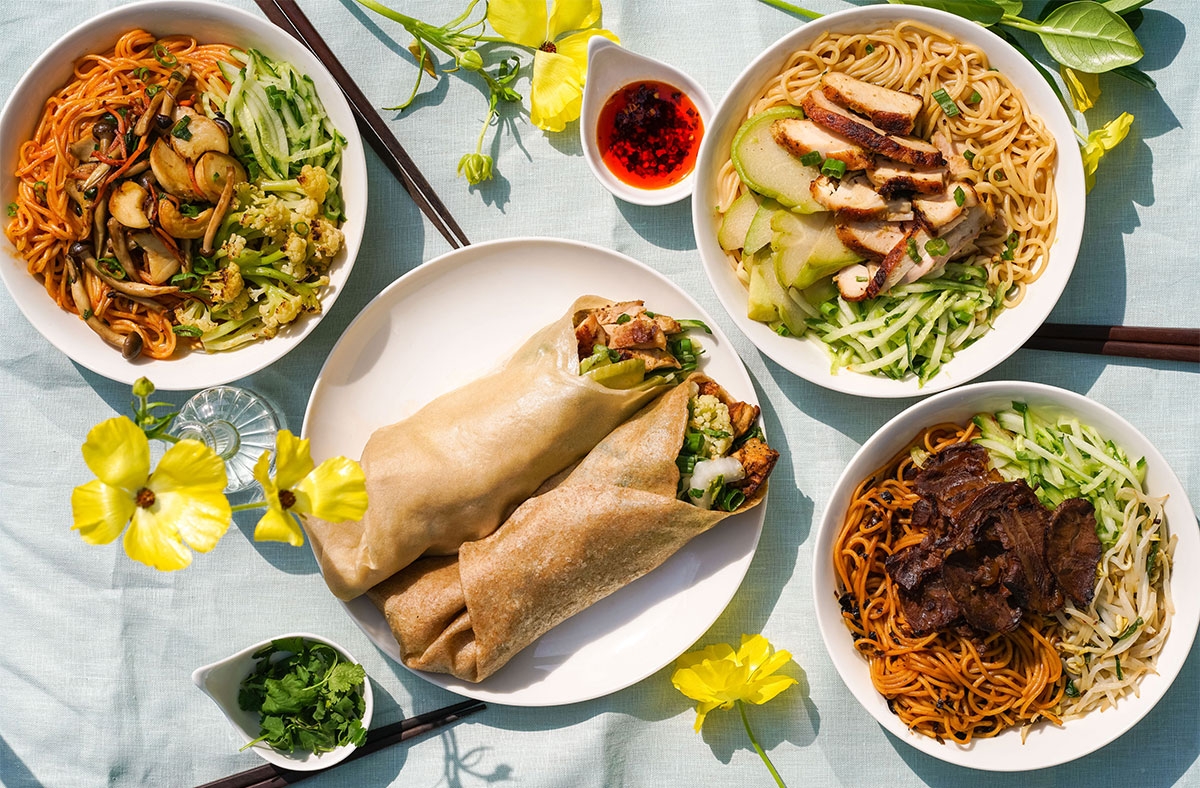
Chinese fast food typically offers a wide range of options within a single establishment. A small eatery may serve noodles, rice dishes, vegetables, soups, and side dishes simultaneously. This variety reflects the Chinese dietary principle of balance, incorporating grains, proteins, and vegetables in a single meal.
Even in quick meals, attention is paid to texture, color, and flavor contrast. A simple lunch might include soft noodles, crisp vegetables, aromatic herbs, and savory broth, creating a sensory experience beyond mere convenience.
3. Regional Expressions of Chinese Fast Food
China’s vast geography and cultural diversity have produced numerous regional forms of fast food, each reflecting local tastes and resources.
3.1 Northern China
In northern regions, wheat-based foods dominate. Fast food staples include hand-pulled noodles, steamed buns (mantou), meat-filled buns (baozi), dumplings (jiaozi), and savory pancakes. These foods are hearty and filling, well-suited to colder climates.
Noodle shops in the north often specialize in one or two dishes, focusing on speed and consistency. Customers can receive a hot bowl of noodles within minutes, making these shops a cornerstone of urban daily life.
3.2 Southern China
Southern Chinese fast food emphasizes rice-based meals, light flavors, and steaming techniques. Rice noodle soups, congee, stir-fried rice dishes, and dim sum items are common.
In regions such as Guangdong, fast food can take the form of small dishes served quickly in tea houses. Although dim sum is sometimes associated with leisure, many items are designed for rapid preparation and consumption, fitting into busy schedules.
3.3 Western and Southwestern China
In western and southwestern regions, fast food reflects bold flavors and local ingredients. Spicy noodles, flatbreads, skewered meats, and pepper-laden soups are common. These foods are often sold from street stalls and night markets, emphasizing portability and strong taste.
Such regional fast foods highlight how convenience does not imply uniformity; instead, it amplifies local culinary identity.
4. Chinese Fast Food and Social Life
4.1 Everyday Eating Practices
Chinese fast food is deeply integrated into everyday routines. Office workers grab noodles during lunch breaks, students eat buns on the way to class, and families rely on nearby eateries when cooking is impractical.
Unlike the individualized eating culture often associated with fast food elsewhere, Chinese fast food frequently involves shared tables and communal spaces. Even when meals are quick, social interaction remains an important element.
4.2 Accessibility and Social Equity
Affordability has always been a key feature of Chinese fast food. Historically, it provided essential nutrition for working-class populations. Even today, many fast-food stalls and small restaurants serve as economic lifelines for both consumers and vendors.
This accessibility contributes to food security and social stability, reinforcing the idea that fast food in China is not merely a commercial product but a social service.
5. Modernization and the Rise of Chinese Fast-Food Chains
5.1 The Influence of Western Fast-Food Models
Since the late 20th century, Western fast-food chains have influenced the development of modern Chinese fast food. Concepts such as standardized menus, branding, franchising, and centralized supply chains have been adopted by Chinese businesses.
However, Chinese fast-food chains have adapted these models to local tastes. Instead of burgers and fries, they offer rice bowls, braised meats, stir-fried vegetables, and soups, maintaining familiarity while increasing efficiency.
5.2 Standardization vs. Tradition
Modern Chinese fast-food chains face the challenge of balancing standardization with culinary authenticity. Consistency is essential for scaling operations, but excessive uniformity risks losing regional character and freshness.
Successful brands often achieve balance by standardizing core components—such as sauces or cooking methods—while allowing flexibility in ingredient sourcing and menu variation.
6. Nutrition and Health Perspectives
6.1 Nutritional Advantages
Compared to many Western fast foods, traditional Chinese fast food can be relatively balanced. Meals often include vegetables, lean proteins, and grains, prepared through methods that preserve nutrients.
Soups, steamed dishes, and stir-fries offer lighter options, demonstrating that fast food does not inherently imply unhealthy eating.
6.2 Emerging Health Challenges
Modernization has also introduced challenges. Increased use of oil, salt, and sugar in some fast-food offerings, along with larger portion sizes, reflects changing consumer preferences and competitive pressures.
In response, some Chinese fast-food providers are promoting healthier menus, transparent nutrition information, and traditional cooking techniques aligned with wellness principles.
7. Chinese Fast Food in the Global Context
7.1 Overseas Adaptations
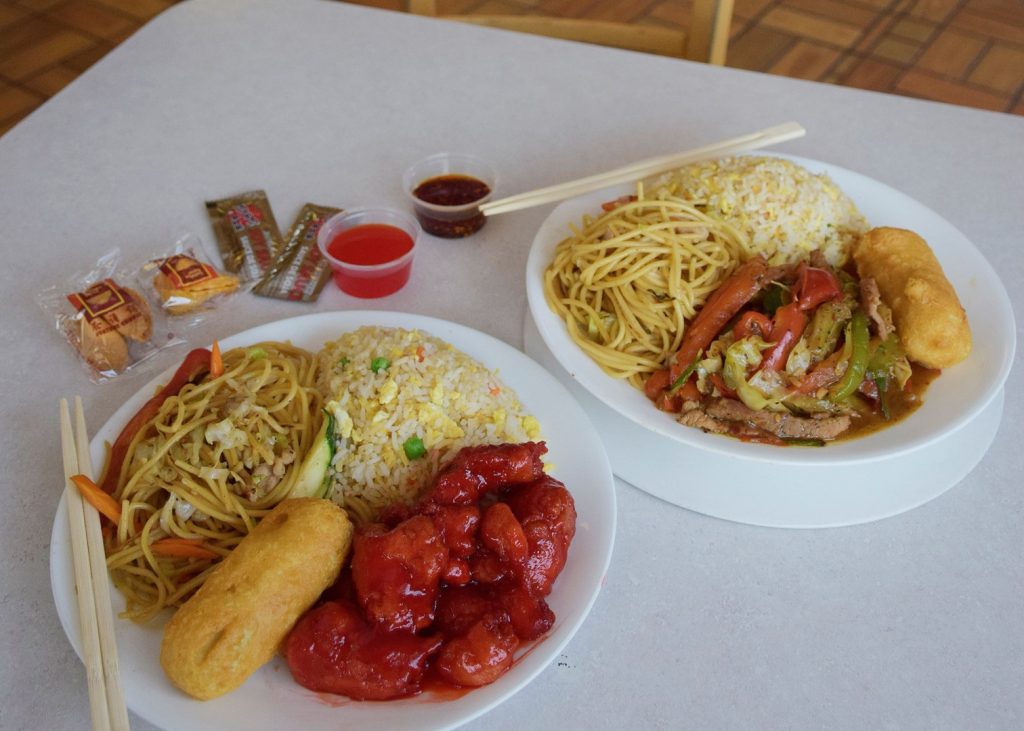
Outside China, Chinese fast food has evolved in response to local tastes and economic conditions. Dishes such as fried rice, noodle boxes, and quick stir-fry meals are staples in many countries.
These offerings often differ from traditional Chinese fast food but retain core elements such as speed, affordability, and adaptability. They serve as entry points for global audiences to engage with Chinese cuisine.
7.2 Cultural Representation and Perception
Chinese fast food abroad has played a significant role in shaping global perceptions of Chinese cuisine. While sometimes oversimplified, it has also created familiarity and curiosity.
In recent years, there has been growing interest in more authentic and regional Chinese fast-food concepts, reflecting a broader appreciation of culinary diversity.
8. Technology and the Future of Chinese Fast Food
8.1 Digital Ordering and Delivery
Technology has transformed Chinese fast food in the 21st century. Mobile payment systems, delivery platforms, and online ordering have increased convenience and reach. Small vendors and large chains alike use digital tools to optimize operations.
These innovations enhance efficiency while reshaping how people interact with food, reducing waiting time but sometimes diminishing face-to-face social interaction.
8.2 Sustainability and Innovation
The future of Chinese fast food increasingly involves sustainability. Reducing waste, sourcing local ingredients, and preserving traditional techniques are becoming priorities.
Innovative chefs and entrepreneurs are reimagining Chinese fast food as both culturally rooted and environmentally responsible, ensuring its relevance in a rapidly changing world.
9. Cultural Meaning of Chinese Fast Food
Chinese fast food embodies the adaptability of Chinese culture. It demonstrates how tradition can coexist with speed, how craftsmanship can meet modern demands, and how food can remain meaningful even in its most everyday forms.
Far from being a lesser version of “real cuisine,” Chinese fast food represents a practical philosophy of living—one that values nourishment, balance, and social connection within the constraints of daily life.
Conclusion
Chinese fast food is a rich and multifaceted culinary tradition shaped by history, geography, and social necessity. From ancient street stalls to modern chain restaurants, it has evolved continuously while maintaining core principles of freshness, balance, and accessibility.
As China and the world become increasingly urbanized and interconnected, Chinese fast food offers valuable insights into how food culture adapts without losing its identity. It challenges narrow definitions of fast food and reminds us that speed and quality need not be opposites.
Ultimately, Chinese fast food is more than convenience cuisine. It is a living expression of Chinese culture—dynamic, resilient, and deeply woven into the rhythms of everyday life.