






Introduction
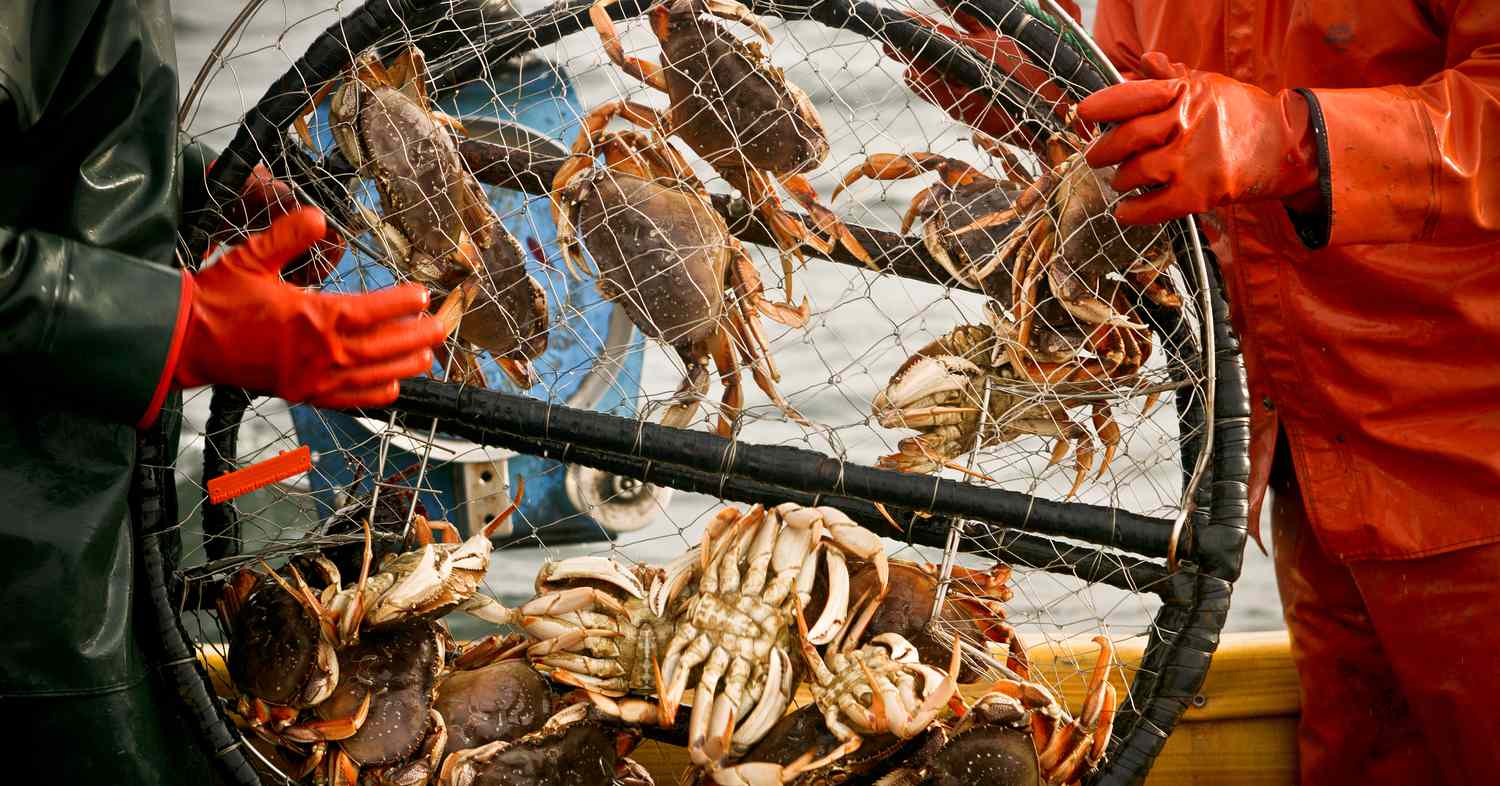
In the 21st century, sustainable gastronomy has become an essential pillar of responsible eating. With overfishing, climate change, and environmental degradation threatening global food systems, consumers and chefs are increasingly turning to sustainable seafood and plant-based foods. This shift represents not only an ecological necessity but also an opportunity for culinary innovation, nutritional optimization, and cultural transformation.
Sustainable seafood and plant-based diets are intertwined in a broader vision: providing nutritious, ethical, and environmentally responsible meals. They reflect an understanding that food choices impact ecosystems, economies, and public health. This article explores the science, techniques, global practices, culinary potential, and future trends in sustainable seafood and plant-based foods, offering a comprehensive guide for professionals, enthusiasts, and policymakers.
1. The Need for Sustainable Food Practices
1.1 Environmental Impact of Conventional Seafood
- Over 34% of global fish stocks are overexploited, and 60% are fully fished.
- Unsustainable fishing practices contribute to:
- Bycatch, harming non-target species
- Habitat destruction, including coral reefs and seagrass beds
- Carbon emissions from fishing fleets and transportation
1.2 Environmental Impact of Animal Agriculture
- Livestock farming is a major contributor to greenhouse gas emissions, deforestation, and freshwater consumption.
- Shifting to plant-based alternatives reduces ecological footprints, conserves water, and mitigates climate impact.
1.3 Health Considerations
- Excessive consumption of red meat and certain seafood high in mercury can lead to chronic health issues.
- Sustainable diets emphasize diverse proteins, omega-3 fatty acids, fiber, and micronutrients.
2. Principles of Sustainable Seafood
2.1 Fisheries Management
- Quota systems, seasonal closures, and size limits ensure fish populations regenerate.
- Responsible fisheries comply with Marine Stewardship Council (MSC) certifications.
2.2 Aquaculture Innovations
- Eco-friendly fish farming reduces pressure on wild stocks.
- Practices include:
- Recirculating aquaculture systems (RAS)
- Integrated multi-trophic aquaculture (IMTA), where different species support ecosystem balance
2.3 Traceability and Certification
- Consumers increasingly demand proof of sustainable sourcing.
- Certifications such as ASC, MSC, and Friend of the Sea verify compliance.
2.4 Species Selection
- Encouraging consumption of underutilized species relieves pressure on popular fish like tuna and cod.
- Examples: Mackerel, pollock, sardines, and farmed shellfish are nutrient-rich and environmentally responsible.
3. Principles of Plant-Based Foods
3.1 Protein Diversity
- Plant-based diets rely on legumes, grains, nuts, seeds, and fungi for complete nutrition.
- Combining foods (e.g., beans and rice) ensures amino acid completeness.
3.2 Seasonal and Local Ingredients
- Using seasonal, locally grown produce reduces transport emissions and energy consumption.
- Local sourcing also supports community economies and biodiversity conservation.
3.3 Minimally Processed Ingredients
- Whole foods retain nutrients, flavor, and texture, enhancing culinary quality.
- Reducing ultra-processed meat analogues minimizes carbon-intensive industrial production.
3.4 Culinary Flexibility
- Plant-based foods lend themselves to global flavors, fermentation, and textural innovation.
- Examples:
- Jackfruit as a meat substitute
- Tofu or tempeh marinated in global spice blends
- Legume-based pasta and gluten-free grains
4. Nutritional Benefits
4.1 Sustainable Seafood
- Provides high-quality protein, omega-3 fatty acids, and micronutrients.
- Shellfish and smaller fish are low in contaminants and rich in essential vitamins (B12, D, selenium).
4.2 Plant-Based Foods
- Rich in fiber, antioxidants, vitamins, and minerals.
- Plant-based diets reduce the risk of heart disease, diabetes, and obesity.
4.3 Complementarity
- Combining sustainable seafood and plant-based foods achieves nutritionally balanced meals.
- Example: Mediterranean-style bowls with quinoa, legumes, leafy greens, and grilled sardines.
5. Culinary Techniques for Sustainable Dishes
5.1 Seafood Preparation
- Low-temperature cooking (sous-vide) preserves omega-3 fatty acids and delicate flavors.
- Steaming, grilling, and poaching maintain texture while reducing oil and energy use.
5.2 Plant-Based Cooking
- Techniques such as fermentation, roasting, and braising enhance umami and depth.
- Use of herbs, spices, and natural acidifiers compensates for flavor intensity lost from excluding animal fat.
5.3 Cross-Integration
- Chefs blend plant-based ingredients with sustainable seafood for innovative dishes:
- Lentil and mussel stew
- Seaweed-infused plant-based broths
- Tofu-cured fish fusion ceviche
6. Global Practices and Success Stories
6.1 Asia
- Japan and Korea emphasize seasonal seafood and seaweed consumption.
- Innovations in plant-based proteins, including soy and rice derivatives, enhance sustainability.
6.2 Europe
- Northern Europe integrates foraged vegetables with sustainably farmed fish.
- Scandinavian cuisine focuses on low-impact, nutrient-dense meals, reflecting local ecosystems.
6.3 North America
- Chefs such as Dan Barber and organizations like Seafood Watch advocate for responsible seafood and plant-forward menus.
- Trend toward farm-to-table and ocean-to-table dining promotes sustainability awareness.
6.4 Emerging Markets
- Urban farming, vertical gardens, and urban aquaponics provide fresh plant-based and aquatic produce with minimal environmental impact.
7. Innovation in Sustainable Cuisine
7.1 Plant-Based Seafood Alternatives
- Algae, seaweed, and plant proteins replicate textures and flavors of seafood.
- Examples: Plant-based shrimp, fish fillets, and sushi-grade alternatives.
7.2 Technology-Driven Sustainability
- Blockchain traceability ensures ethical sourcing.
- Precision aquaculture reduces water use and waste.
7.3 Menu Engineering
- Restaurants craft plant-forward and seafood-centric menus to minimize environmental impact without sacrificing taste.
- Use of “nose-to-tail” and “root-to-leaf” philosophy applies equally to seafood and plant-based ingredients.
8. Consumer Awareness and Education
8.1 Labeling and Certification
- Clear labels inform consumers about:
- Fishing method
- Carbon footprint
- Seasonal availability
8.2 Culinary Education
- Cooking classes, workshops, and media programs teach how to prepare sustainable seafood and plant-based meals.
8.3 Dining Out Responsibly
- Restaurants encourage diners to choose sustainable options through menu design and storytelling.
- Chefs highlight origin, nutrition, and flavor narratives to enhance appreciation.
9. Challenges in Sustainable Seafood and Plant-Based Foods
9.1 Supply Chain Constraints
- Limited availability of certified sustainable seafood and seasonal produce may pose logistical challenges.
9.2 Economic Considerations
- Sustainable products may have higher upfront costs, requiring investment in supply chain management.
9.3 Cultural Acceptance
- Some regions resist plant-forward diets due to cultural preferences for meat and traditional seafood.
- Culinary creativity and education help bridge tradition with sustainability.
9.4 Taste and Texture Expectations
- Replicating flavors of conventional seafood and meat using plant-based alternatives requires scientific and culinary innovation.
10. Future Trends
10.1 Global Plant-Forward Menus
- Emphasis on flexitarian approaches, combining small portions of sustainable seafood with plant-based components.
10.2 Aquaculture Expansion
- Growth of eco-friendly aquaculture and alternative protein research promises higher yields with lower environmental costs.
10.3 Culinary Crossovers
- Fusion of plant-based ingredients with traditional seafood techniques creates novel, sustainable dishes.
10.4 Policy and Advocacy
- Governments and NGOs increasingly support sustainable fisheries, labeling regulations, and food system resilience, shaping the culinary landscape.
11. Case Studies of Innovative Chefs
11.1 Dan Barber
- Advocates for vegetable-centric cuisine and responsible aquaculture.
- Signature Work: Menus emphasizing seasonal, locally sourced, and regenerative ingredients.
11.2 Nobu Matsuhisa
- Combines Japanese seafood mastery with plant-based accompaniments, emphasizing sustainability in sourcing.
11.3 Alice Waters
- Longtime proponent of organic, plant-forward menus, promoting environmental and social responsibility.
12. Integrating Sustainability Into Everyday Cooking
12.1 Meal Planning
- Prioritize local, seasonal produce and certified sustainable seafood.
12.2 Cooking Techniques
- Minimize energy usage with steaming, sous-vide, and efficient baking.
12.3 Reducing Waste
- Use peels, stems, and shells creatively for stocks, broths, and sauces.
12.4 Flavor Maximization
- Herbs, spices, and acid balance enhance taste without relying on resource-intensive ingredients.
13. Conclusion
Sustainable seafood and plant-based foods are more than dietary choices—they are essential tools for environmental stewardship, nutritional health, and culinary innovation.
By integrating:
- Responsible sourcing
- Innovative culinary techniques
- Global knowledge and tradition
Chefs, home cooks, and consumers alike can participate in a food system that respects ecosystems, supports communities, and delights the palate.
The future of gastronomy lies in embracing planet-friendly practices, creatively combining seafood and plant-based ingredients, and cultivating a culture where responsible eating is synonymous with exceptional dining.
Sustainable cuisine is thus both an ethical imperative and an opportunity for culinary artistry, showing that care for the planet and enjoyment of exquisite food can coexist harmoniously.