






Introduction
Egyptian cuisine is a rich tapestry of flavors, textures, and history, reflecting thousands of years of cultural evolution along the Nile River. Known for its hearty grains, legumes, aromatic spices, and fresh vegetables, Egyptian food represents a culinary bridge between the Middle East, Africa, and the Mediterranean. Traditional dishes are deeply rooted in community, family, and religious practices, making food not only a source of sustenance but also a cultural and social emblem.
This article explores Egypt’s traditional foods, their historical origins, preparation techniques, and cultural significance, providing a comprehensive guide for chefs, food enthusiasts, and cultural scholars interested in the depths of Egyptian gastronomy.
1. Historical Roots of Egyptian Cuisine
1.1 Ancient Egyptian Influence
- Egyptians relied heavily on cereal grains like wheat and barley, forming the foundation of bread and porridge.
- Legumes such as lentils, chickpeas, and fava beans were primary protein sources.
- Honey, dates, and figs were used as natural sweeteners.
- Spices were limited but carefully employed, including coriander, cumin, and dill.
1.2 Mediterranean and Middle Eastern Interactions
- Egypt’s location at the crossroads of Africa and the Middle East enabled culinary exchange.
- Olive oil, citrus fruits, and rice were incorporated through trade and migration.
- Traditional Egyptian dishes reflect layered culinary influences, balancing hearty local staples with aromatic spices.
1.3 Religious and Cultural Impact
- Many Egyptian foods are tied to Islamic and Coptic traditions, including fasting meals and festival foods.
- Dishes like fatta and koshari are commonly served during religious celebrations.
2. Staple Ingredients in Traditional Egyptian Cuisine
2.1 Grains
- Rice and bulgur wheat form the base of many dishes, including koshari and mahshi (stuffed vegetables).
- Bread, particularly baladi (flatbread), is central to daily meals.
2.2 Legumes
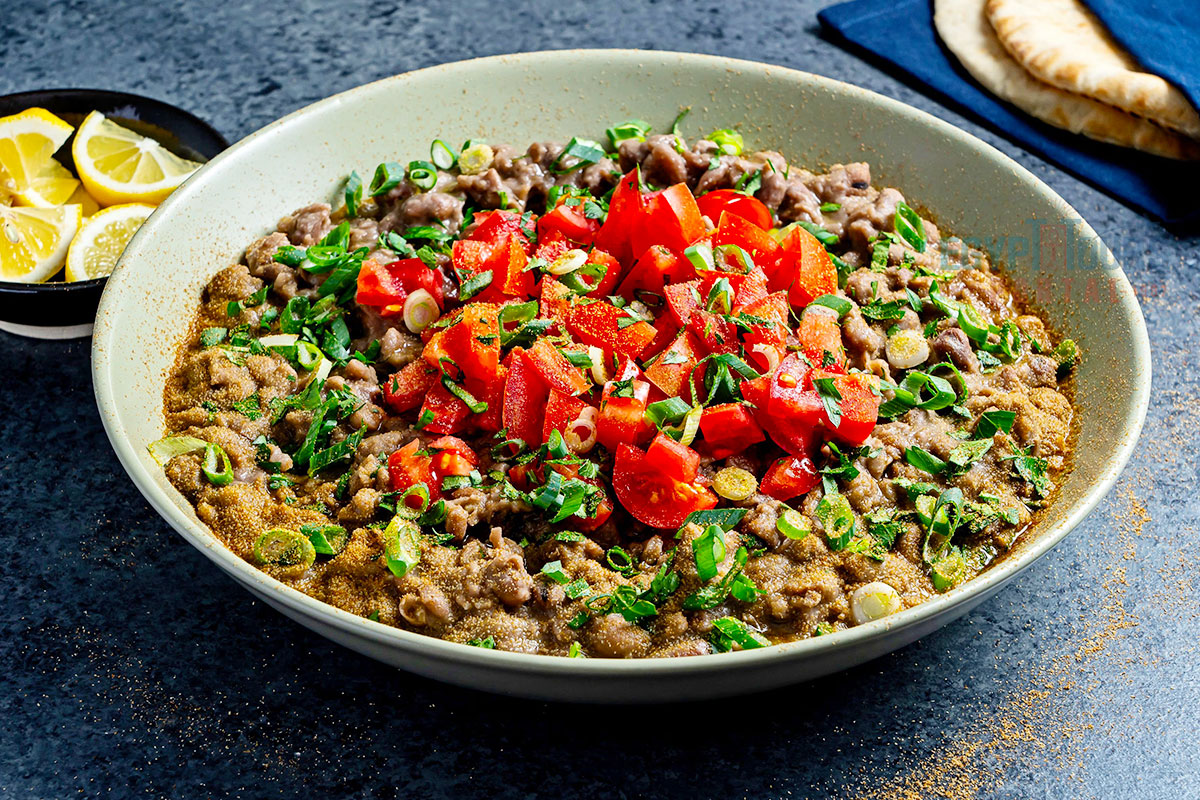
- Fava beans are used in ful medames, the iconic Egyptian breakfast dish.
- Lentils appear in soups and stews, often paired with cumin and garlic.
2.3 Vegetables and Herbs
- Tomatoes, eggplants, okra, and zucchini are frequently stuffed or stewed.
- Herbs like parsley, dill, and cilantro provide freshness and aromatic layers.
2.4 Proteins
- Fish is common in Nile regions; poultry and beef are often roasted or stewed.
- Lamb is featured in holiday and festive dishes, reflecting status and celebration.
2.5 Spices and Flavorings
- Cumin, coriander, garlic, cinnamon, and nutmeg are used judiciously to enhance flavors.
- Lemon juice and vinegar balance richness in stews and salads.
3. Iconic Egyptian Dishes
3.1 Koshari
- Egypt’s national dish, combining rice, lentils, pasta, chickpeas, and tomato sauce.
- Topped with crispy fried onions and garlic-vinegar dressing, koshari exemplifies flavor layering and texture contrast.
- Street vendors and home kitchens alike serve this dish, making it accessible to all social classes.
3.2 Ful Medames
- Slow-cooked fava beans seasoned with olive oil, garlic, lemon, and cumin.
- Traditionally eaten for breakfast with bread, this dish emphasizes simplicity and nourishment.
3.3 Ta’ameya (Egyptian Falafel)
- Made from ground fava beans rather than chickpeas, flavored with herbs and spices.
- Deep-fried to create a crispy exterior with a tender, fragrant interior.
3.4 Mahshi (Stuffed Vegetables)
- Vegetables such as zucchini, peppers, and grape leaves are stuffed with rice, herbs, and occasionally minced meat.
- Slow cooking in tomato sauce creates rich, aromatic flavors.
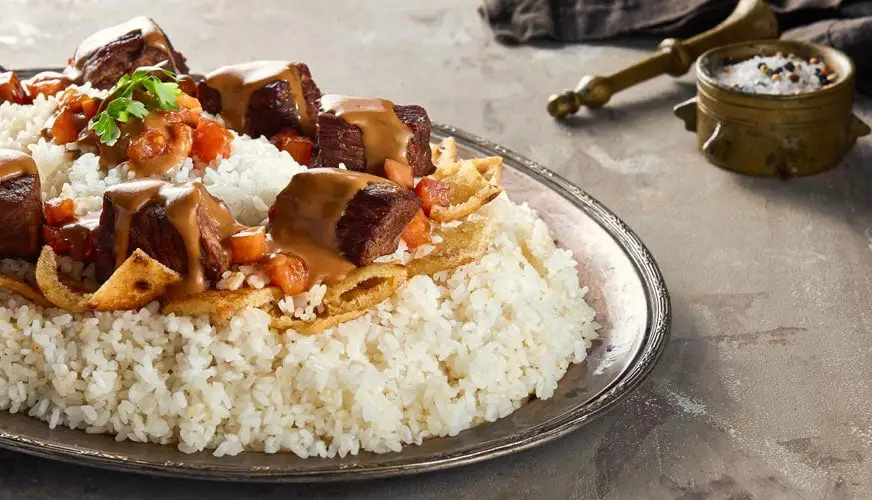
3.5 Fatta
- A celebratory dish combining layers of rice, fried bread, garlic, and vinegar sauce, often with meat.
- Traditionally served during religious festivals and weddings, symbolizing abundance.
3.6 Egyptian Desserts
- Basbousa: semolina cake soaked in sugar syrup.
- Kunafa: shredded pastry with sweet cheese or cream.
- Atayef: stuffed pancakes commonly prepared during Ramadan.
- Desserts often feature sugar syrup, nuts, and aromatic flavors like rose water or orange blossom water.
4. Cooking Techniques and Flavor Principles
4.1 Stewing and Braising
- Stews allow flavors to meld slowly, enhancing richness without heavy fats.
- Herbs, spices, and tomato-based sauces create depth and aromatic complexity.
4.2 Frying
- Techniques like deep-frying ta’ameya or onions for koshari emphasize texture contrast.
- Frying is carefully timed to maintain crispness without overcooking.
4.3 Baking
- Mahshi vegetables and sweet pastries often require oven baking for even cooking.
- Steam and moisture management are crucial for perfect texture.
4.4 Flavor Layering
- Egyptian cooking often balances acidity, sweetness, and savoriness, particularly in stews and salads.
- Lemon juice and vinegar brighten rich, starchy, or protein-heavy dishes.
5. Egyptian Street Food Culture
- Street food plays a central role in daily Egyptian life, offering affordable, flavorful meals.
- Popular items include koshari, ta’ameya, ful, falafel sandwiches, and fresh juice.
- Vendors often serve dishes with interactive condiments, allowing customers to adjust spiciness, acidity, and seasoning.
6. Culinary and Nutritional Significance
6.1 Nutrient-Dense Ingredients
- Legumes provide plant-based protein and fiber.
- Vegetables offer vitamins, minerals, and antioxidants.
- Olive oil and lemon juice contribute healthy fats and vitamin C.
6.2 Balanced Flavor Profiles
- Egyptian cuisine combines starch, protein, acid, and fat, resulting in satisfying and wholesome meals.
- Spice and herb use ensures palate stimulation without overpowering.
6.3 Social and Cultural Importance
- Sharing meals reflects hospitality, family cohesion, and celebration.
- Food is often tied to religious observances, national identity, and cultural pride.
7. Modern Adaptations of Traditional Dishes
- Chefs are introducing modern plating, fusion, and ingredient upgrades while maintaining traditional flavors.
- Vegetarian and vegan adaptations of traditional dishes cater to global dietary trends.
- Street food-inspired fine dining menus bring Egyptian flavors to international audiences.
8. Challenges and Preservation of Culinary Heritage
- Urbanization and globalization influence ingredient availability and cooking practices.
- Initiatives are underway to document traditional recipes and promote culinary education.
- Preserving authentic techniques ensures that Egyptian food culture remains vibrant.
9. Conclusion
Traditional Egyptian cuisine is a culinary embodiment of history, culture, and geography. From humble fava beans in ful medames to layered koshari and aromatic mahshi, each dish tells a story of resourcefulness, community, and flavor mastery.
Key Takeaways:
- Egyptian food balances grains, legumes, vegetables, and spices for both nutrition and flavor.
- Techniques like stewing, frying, and baking preserve texture and taste.
- Street food and home-cooked meals reflect cultural identity and social cohesion.
- Modern adaptations continue to celebrate heritage while embracing innovation.
By understanding and appreciating these traditional foods, chefs and food enthusiasts can experience the richness of Egypt’s culinary legacy, offering flavors that are historic, wholesome, and deeply satisfying.