






Introduction
In the last two decades, molecular gastronomy has transformed the culinary world, shifting cooking from purely a sensory experience to an interdisciplinary art that merges science, flavor, and presentation. Among the most notable trends are molecular sauces, foams, and aromatic enhancements, which have gained attention for their ability to elevate traditional dishes, engage multiple senses, and redefine the dining experience.
Chefs and culinary innovators are increasingly using techniques such as spherification, emulsification, encapsulation, and aroma infusion to create novel textures, unexpected visual appeal, and enhanced flavor perception. This article explores these trends in depth, covering the science behind the techniques, practical applications, ingredient considerations, plating strategies, and sensory impact, offering a roadmap for professional chefs and advanced culinary enthusiasts to master modernist gastronomy.
1. Understanding Molecular Gastronomy
1.1 Definition and Philosophy
- Molecular gastronomy is the study of the physical and chemical transformations of ingredients during cooking, combined with creative culinary application.
- The goal is not to replace traditional techniques but to enhance flavor, texture, aroma, and presentation.
- Prominent figures such as Ferran Adrià, Heston Blumenthal, and Grant Achatz have popularized these techniques in Michelin-starred kitchens.
1.2 Sensory Dimensions
Modern gastronomy emphasizes multi-sensory engagement:
- Taste: Focus on flavor amplification and novel combinations.
- Texture: Introduction of foams, gels, spheres, and emulsions.
- Aroma: Controlled release of scent to enhance perception of flavor.
- Visual impact: Plating and color contrasts heighten anticipation.
2. Molecular Sauces: Beyond Traditional Condiments
2.1 Scientific Principles
- Emulsification: Creating stable mixtures of oil and water with lecithin or other stabilizers.
- Thickening agents: Agar-agar, xanthan gum, and carrageenan allow precise viscosity control.
- Flavor encapsulation: Encasing liquids in gelatin, alginate, or maltodextrin spheres for bursts of taste.
2.2 Popular Techniques
2.2.1 Spherification
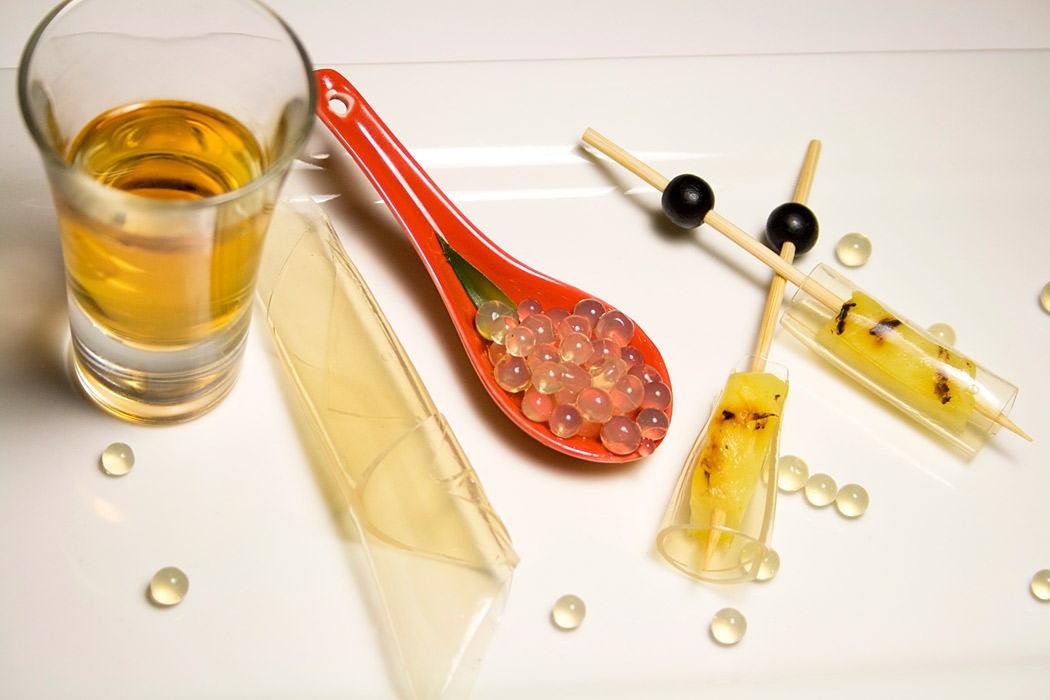
- Sodium alginate reacts with calcium salts to form spheres, encapsulating liquid sauces.
- Applications: Tomato spheres for Caprese salads, balsamic pearls for meat dishes.
- Key advantage: Concentrated flavor release at the moment of consumption.
2.2.2 Gelification
- Agar or gelatin transforms liquid sauces into soft gels or sheets for creative plating.
- Provides novel texture and visual appeal.
2.2.3 Foam-Infused Sauces
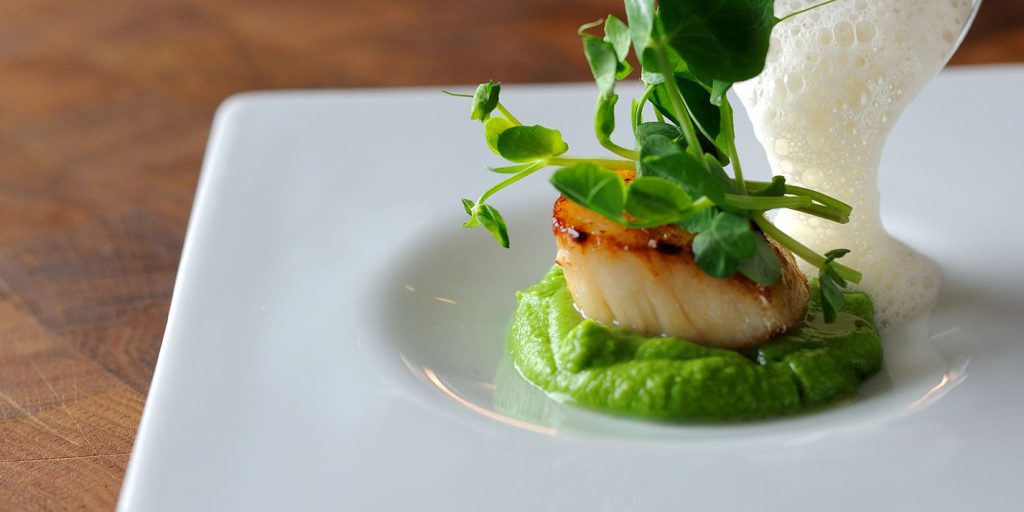
- Using lecithin or whipping siphons, sauces gain airy texture while retaining concentrated flavor.
- Example: Mushroom foam atop risotto, citrus foam for seafood.
2.3 Flavor Innovation
- Molecular sauces allow unusual pairings by modulating texture and release:
- Fruit emulsions on savory dishes
- Umami-rich broths in edible spheres
- Acidic gels complementing fatty proteins
3. Culinary Foams: Texture Meets Aroma
3.1 History and Techniques
- Foams were popularized by chefs like Ferrán Adrià at elBulli, using a whipping siphon or immersion blender with stabilizers.
- Air is incorporated into liquids, creating light, voluminous textures while preserving intense flavor.
3.2 Types of Foams
- Savory Foams: Derived from vegetable purees, stock reductions, or sauces.
- Sweet Foams: Incorporate fruit juice, chocolate, or dairy for desserts.
- Alcoholic or Spirit-Based Foams: Emphasize aroma without altering taste significantly.
3.3 Advantages
- Enhances mouthfeel without increasing caloric density.
- Allows flavor layering, where foam complements the underlying dish without overwhelming it.
- Visual appeal creates dramatic presentation suitable for fine dining.
4. Aromas: Engaging the Olfactory Sense
4.1 The Science of Aroma
- Aroma compounds significantly influence perceived taste.
- Techniques such as smoking, vapor infusion, and aromatic encapsulation create dynamic scent experiences.
- Controlled aroma release triggers anticipation and enhances overall enjoyment.
4.2 Modern Techniques
- Scented Foams: Light foams carry volatile compounds toward the nose during consumption.
- Herb Smokes and Vapors: Infusing dishes with aromatic smoke enhances perceived complexity.
- Edible Airs and Gels: Flavored gases trapped in gels or foams release fragrance upon breaking.
4.3 Applications
- Fish dishes: Citrus or seaweed vapors enhance oceanic notes.
- Meat dishes: Smoked herbs complement grilled proteins without added fat.
- Desserts: Floral aromas intensify the perception of sweetness and freshness.
5. Ingredient Considerations
5.1 Stabilizers and Gelling Agents
- Lecithin: Essential for stable foams.
- Alginate and Calcium Salts: Core for spherification.
- Agar, Gelatin, and Xanthan Gum: Control viscosity and gel formation.
5.2 Flavor Carriers
- Oils, purees, and concentrated broths act as flavor bases for foams and gels.
- Alcohol or acidic liquids can enhance aroma volatility, intensifying perception.
5.3 Freshness and Purity
- Molecular techniques amplify flavor; poor-quality ingredients yield exaggerated defects.
- Use seasonal, fresh, and high-quality components for optimal sensory impact.
6. Practical Applications in Modern Kitchens
6.1 Fine Dining
- Multi-course tasting menus feature molecular sauces and foams as both garnish and flavor enhancer.
- Spherification provides interactive elements, where diners pop capsules releasing flavor bursts.
6.2 Home Adaptations
- Small-scale siphons and modernist kits allow enthusiasts to replicate foams and gels at home.
- Simple emulsifications or purée-based foams elevate everyday dishes without specialized equipment.
6.3 Cross-Cultural Integration
- Molecular sauces can fuse cuisines:
- Asian-inspired miso foam on French-style cod
- Mango spheres paired with Latin American desserts
- Truffle air over Italian risotto
7. Plating and Presentation
7.1 Visual Dynamics
- Foams and gels add height, color, and texture contrast.
- Spheres create geometric and abstract elements, elevating presentation from ordinary to artistic.
7.2 Flavor Layering
- Place foams or gels strategically to release aromas in sequence.
- Ensure complementary flavors enhance primary protein or vegetable components.
7.3 Multi-Sensory Coordination
- Aroma release should coincide with initial bites.
- Visual cues like foam peaks, transparent gels, or vapor trails enhance anticipation.
8. Challenges and Best Practices
8.1 Consistency
- Foams and spheres are temperature- and humidity-sensitive.
- Practice and precise measurement ensure reproducible results.
8.2 Ingredient Limitations
- Not all liquids gel or foam well; experimentation with stabilizers is key.
- Avoid overly thick or fatty liquids that resist aeration.
8.3 Timing
- Molecular elements often must be added at the last moment to maintain texture and aroma.
- Coordination between cooking, plating, and serving is critical.
9. Case Studies
9.1 Ferran Adrià and elBulli
- Innovated foams, airs, and spheres to create playful, textural contrasts.
- Pioneered the use of siphons, alginates, and lecithin in culinary applications.
9.2 Heston Blumenthal
- Focused on aroma-driven dining experiences, including bacon-scented air with egg dishes.
- Combined molecular sauces with classical techniques to amplify flavor without traditional heavy sauces.
9.3 Grant Achatz and Alinea
- Created interactive plates, where foams, spheres, and edible sprays engage the diner’s senses.
- Demonstrated the psychological impact of aroma and texture on perceived taste.
10. Future Directions
10.1 Sustainability
- Molecular gastronomy can reduce waste by concentrating flavors and minimizing unnecessary ingredients.
- Techniques like flavor encapsulation allow smaller portions to deliver full sensory satisfaction.
10.2 Home Integration
- Affordable siphons, gels, and powders bring molecular techniques to home kitchens.
- Cooking apps and tutorials provide guidance for creating foams, spheres, and aromatic infusions.
10.3 Multi-Sensory Dining
- Emerging trend: combining sound, scent, and texture with molecular techniques for full sensory engagement.
- Future dishes may incorporate interactive aroma release triggered by temperature or touch.
11. Conclusion
Molecular sauces, foams, and aromatic techniques have reshaped contemporary gastronomy, offering chefs the ability to manipulate flavor, texture, and scent in ways previously impossible. By understanding the science behind emulsification, spherification, foams, and aroma release, culinary professionals can create multi-sensory experiences that delight, surprise, and engage diners.
Key takeaways:
- Precision and control are essential for consistent results.
- Ingredient quality determines the success of foams, gels, and aroma-infused sauces.
- Molecular techniques enhance visual appeal, texture, and aroma perception, complementing traditional cooking methods.
- Attention to timing, plating, and sensory coordination ensures a memorable dining experience.
As gastronomy continues to evolve, these techniques will remain central to experimental, fine-dining, and high-impact culinary experiences, bridging science and art while expanding the possibilities of flavor and presentation.