






Introduction
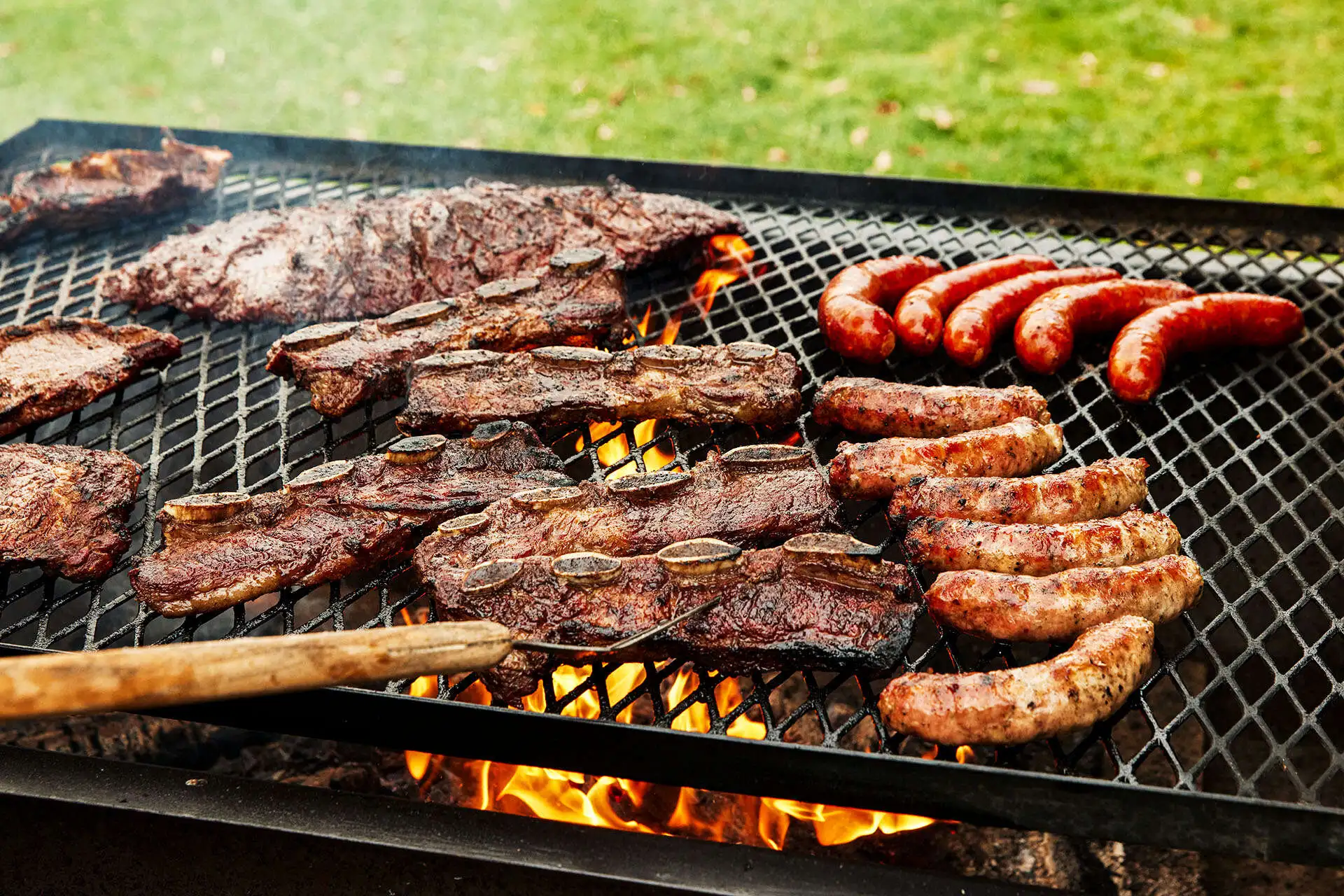
Argentina is internationally renowned for its rich meat culture and grilling traditions, most notably the asado, which is both a culinary practice and a social ritual. Rooted in the country’s history, geography, and cattle-rearing heritage, asado represents more than just a meal—it embodies communal gatherings, tradition, and regional pride.
For home cooks seeking to replicate authentic Argentine flavors, success depends on two critical components: the selection of high-quality ingredients and the mastery of grilling techniques. While professional parrillas (grills) and open fires are iconic, home kitchens can achieve similar results with careful planning, technique adaptation, and an understanding of flavor principles.
This comprehensive guide explores the art and science of Argentine grilling, including ingredient selection, meat preparation, marinades and seasonings, grilling techniques, accompaniments, and cultural insights. It will provide a detailed roadmap for creating authentic Argentine asado experiences at home.
1. Understanding Argentine Culinary Heritage
1.1 Historical Roots
- Argentina’s cattle culture began with Spanish colonization and gaucho traditions, where open-fire cooking of beef became essential.
- Beef became a dietary cornerstone, influencing regional flavor profiles and social customs.
- The asado emerged as a ceremonial and communal experience, often prepared outdoors on a parrilla (grill) or over wood embers.
1.2 Regional Variations
- Pampas Region: Known for grass-fed beef with natural tenderness and flavor.
- Patagonia: Lamb and game meats are grilled slowly over aromatic wood embers.
- Cuyo and Northern Argentina: Emphasis on marinades and spice-infused grilling.
Understanding these traditions helps home cooks appreciate ingredient characteristics and flavor expectations.
2. Selecting the Right Ingredients
2.1 Beef: The Core of Argentine Asado
Argentine beef is prized for grass-fed quality, marbling, and natural flavor. Key cuts for home grilling include:
- Ribeye (Ojo de Bife): Well-marbled, tender, and flavorful.
- Short ribs (Tira de Asado): Ideal for slow grilling; rich and juicy.
- Flank steak (Vacio): Slightly fibrous, benefits from medium-heat cooking.
- Skirt steak (Entraña): Thin, flavorful, fast-cooked cut.
Tips for selection:
- Choose grass-fed, preferably local beef for authentic flavor.
- Avoid overly lean cuts; fat is essential for flavor and moisture.
- Ensure meat is fresh and has a consistent texture.
2.2 Lamb and Other Proteins
- Lamb (Cordero Patagónico) is often slow-roasted on a cross-spit (asado a la cruz).
- Chicken (Pollo a la Parrilla) benefits from brining or light marinades.
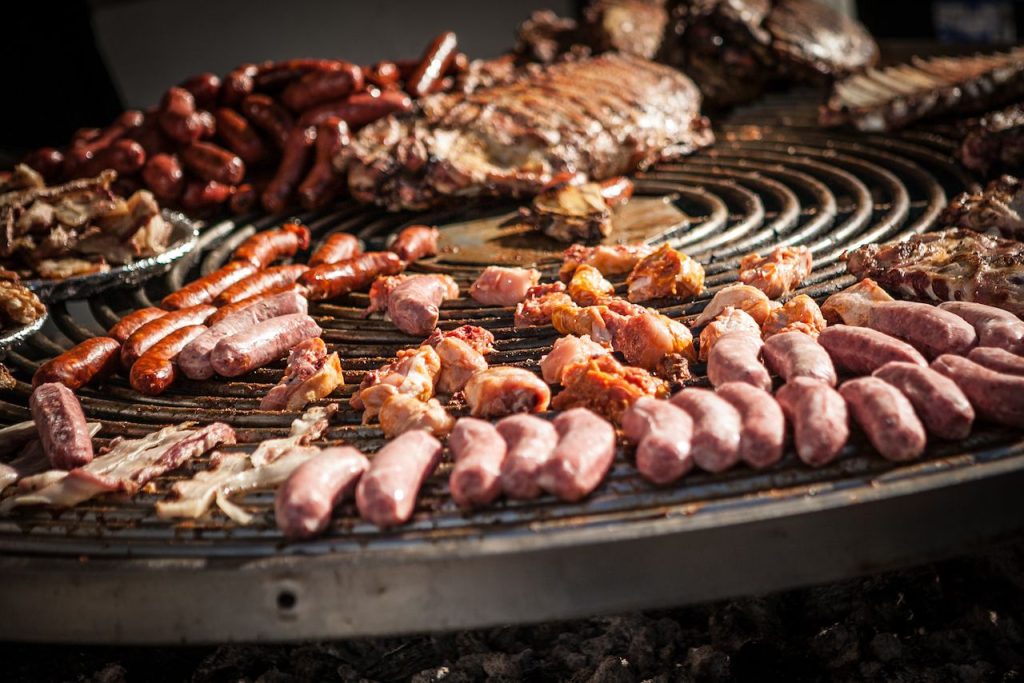
- Chorizo and Morcilla (sausages and blood sausages) provide textural and flavor contrast.
2.3 Accompaniments and Flavor Enhancers
- Chimichurri: A classic parsley, garlic, vinegar, and oil sauce, essential for authentic flavor.
- Vegetables: Bell peppers, onions, and eggplant lightly grilled.
- Bread: Crusty baguette or local Argentine pan de campo complements grilled meats.
2.4 Wood, Charcoal, and Seasoning
- Wood choice: Hardwoods like oak or quebracho impart smoky depth.
- Charcoal: Lump charcoal provides even heat without chemical interference.
- Salt: Coarse salt enhances natural meat flavors; avoid heavy marinades that mask beef taste.
3. Preparing Ingredients
3.1 Meat Preparation
- Allow beef to reach room temperature before grilling.
- Lightly season with coarse salt; some cuts may benefit from simple oil or chimichurri rubs.
- For thicker cuts, scoring fat helps render evenly during grilling.
3.2 Sausages and Poultry
- Sausages should be pricked to release excess air, preventing rupture during grilling.
- Chicken can be marinated in lemon, garlic, and herbs, then rested to absorb flavor.
3.3 Vegetables and Accompaniments
- Cut vegetables uniformly for even cooking.
- Brush lightly with oil to prevent sticking and maintain moisture.
- Optionally, marinate vegetables in chimichurri or olive oil for subtle flavor infusion.
4. Grilling Techniques for Authentic Flavor
4.1 Fire Management
- Build a consistent ember bed; avoid high flames that burn the exterior while undercooking the interior.
- Maintain moderate heat (approximately 120–150°C / 250–300°F for slow cuts; 180–200°C / 350–400°F for quick-cooking cuts).
- Control smoke exposure to prevent bitter flavors.
4.2 Grilling Methods
4.2.1 Direct Heat
- Used for thin cuts and sausages.
- Place meat directly over embers for quick sear and caramelization.
- Turn only once or twice to develop uniform browning.
4.2.2 Indirect Heat
- Suitable for thicker cuts like short ribs or whole lamb.
- Meat is placed beside, not over, embers, allowing slow cooking while retaining juices.
- Covering with foil or a lid mimics traditional parrilla techniques.
4.2.3 Cross-Spit Roasting
- Traditional method for whole lamb or large cuts.
- Meat is mounted on a cross-spit and rotated slowly near embers for even cooking and smoky flavor.
- Basting with natural juices or chimichurri enhances moisture.
4.3 Timing and Temperature
- Use meat thermometers for precise doneness.
- Argentine preference: medium-rare to medium for beef, ensuring tenderness and flavor.
- Lamb may require slow roasting for 2–3 hours depending on size.
5. Chimichurri and Flavor Balancing
5.1 Classic Chimichurri
- Ingredients: Parsley, garlic, oregano, red chili flakes, vinegar, olive oil, and salt.
- Functions as both marinade and finishing sauce, enhancing natural meat flavors.
5.2 Variations
- Add lemon zest for brightness.
- Incorporate roasted red peppers or smoked paprika for depth.
- Adjust vinegar-to-oil ratio depending on preference and meat type.
5.3 Application Techniques
- Brush lightly during grilling for subtle infusion.
- Serve alongside cooked meat as a finishing condiment, preserving herbaceous freshness.
6. Side Dishes and Presentation
6.1 Vegetables
- Grilled bell peppers, onions, and eggplant add color and contrast.
- Simple seasoning with salt, pepper, and olive oil complements meat.
6.2 Salads
- Traditional Argentine salads are simple: fresh greens, tomatoes, onions, and olive oil.
- Avoid heavy dressings that overpower grilled flavors.
6.3 Bread and Accompaniments
- Crusty bread like pan de campo or baguette completes the meal.
- Optional grilled potatoes or polenta rounds offer texture contrast.
7. Cultural Insights and Rituals
- Asado is a social event, often lasting several hours.
- Meal progression: sausages and small cuts first (entrada), followed by main cuts (plato principal).
- Wine pairing: Malbec or other Argentine reds complement the richness of grilled beef.
- Understanding timing, communal eating, and conversation pacing adds authenticity to home preparation.
8. Adapting Argentine Techniques to Home Kitchens
8.1 Equipment Alternatives
- If no parrilla is available:
- Gas or charcoal grills replicate open-fire flavor.
- Oven roasting or broiling is viable for slow-cooked cuts.
- Cast-iron griddles mimic grill marks and caramelization.
8.2 Heat Management
- Learn to adjust distance between meat and heat source for direct or indirect cooking.
- Use aluminum foil or water pans to moderate temperature if needed.
8.3 Safety and Practical Tips
- Avoid flare-ups and excessive smoke indoors.
- Rest meat after cooking to redistribute juices.
- Slice against the grain for maximum tenderness.
9. Troubleshooting Common Challenges
- Dry meat: Ensure proper fat content and avoid high heat over extended periods.
- Uneven cooking: Use indirect heat for thick cuts and monitor temperature.
- Overly salty or acidic flavor: Adjust chimichurri application and seasoning levels.
- Burned exterior: Maintain distance from flames; rotate frequently.
10. Advanced Techniques for Home Chefs
10.1 Marinades and Dry Rubs
- Minimalistic approach: salt, pepper, garlic, and herbs.
- Optional: acidic marinades for tougher cuts (vinegar, citrus) but avoid overpowering delicate beef.
10.2 Smoking for Depth
- Incorporate hardwood chips for subtle smoke infusion.
- Maintain moderate temperature to prevent bitterness.
10.3 Slow-Cooked Cuts
- For ribs or lamb, combine low-and-slow cooking with final high-heat searing for texture contrast.
11. Pairing Argentine Grilled Meats with Beverages
- Red wines: Malbec, Cabernet Sauvignon, or Syrah enhance beef richness.
- Beer: Light lagers or amber ales complement casual asados.
- Non-alcoholic: Sparkling water or citrus-infused beverages balance richness.
12. Final Thoughts
Creating authentic Argentine flavors at home is both an art and a science. By carefully selecting high-quality ingredients, understanding regional preferences, mastering grilling techniques, and preparing classic accompaniments like chimichurri, home cooks can replicate the sociable and flavorful experience of an Argentine asado.
Success relies on:
- Respecting the natural flavors of ingredients
- Maintaining precision in heat and timing
- Balancing flavors through seasoning and condiments
- Embracing the communal and cultural aspects of dining
Whether using a traditional parrilla, a charcoal grill, or modern kitchen alternatives, these principles allow for an authentic and memorable culinary experience, bringing a taste of Argentina to your table.