





Introduction
Africa is often described as the cradle of human civilization, yet it is also one of the most dynamic and forward-looking continents in the modern world. Spanning more than fifty countries, thousands of ethnic groups, and an extraordinary range of climates and ecosystems, Africa cannot be understood through a single narrative. Its identity is shaped by a profound tension—and harmony—between ancient traditions and contemporary innovation. From the southern tip of South Africa to the ancient heartlands of Egypt, Africa reveals a continuous dialogue between past and future.
This article offers a comprehensive and professional exploration of how African societies preserve their traditional foundations while embracing innovation. By examining history, culture, social structures, art, technology, urban development, and economic transformation across different regions, this study highlights Africa as a continent where tradition is not static, but adaptive—serving as a resource for innovation rather than an obstacle to progress.
Moving geographically from South Africa in the south to Egypt in the north, this article demonstrates how Africa’s diverse societies navigate globalization, modernization, and technological change while maintaining deep cultural continuity. In doing so, it challenges outdated stereotypes and presents Africa as a continent of resilience, creativity, and intellectual vitality.
1. Africa: A Continent of Continuity and Change
1.1 Tradition as a Living System
In many African societies, tradition is not confined to museums or ceremonial occasions. Instead, it functions as a living system that governs social relationships, moral values, and collective identity. Oral histories, rituals, music, language, and communal practices continue to shape everyday life.
Tradition in Africa often emphasizes:
- Community over individualism
- Intergenerational knowledge transfer
- Respect for ancestors and elders
- Harmony between humans and nature
These principles provide a stable cultural framework that enables societies to absorb change without losing coherence.
1.2 Innovation Rooted in Context
Innovation in Africa does not simply replicate Western models. Instead, it often emerges from local needs, constraints, and creativity. Whether in technology, architecture, agriculture, or art, African innovation is frequently context-driven, combining modern tools with traditional wisdom.
This synthesis allows African societies to modernize while maintaining cultural authenticity.
2. South Africa: A Microcosm of African Complexity
2.1 Historical Layers and Cultural Diversity
South Africa is one of Africa’s most culturally complex nations. Its history includes indigenous African civilizations, colonial settlement, apartheid, and democratic transformation. The country recognizes eleven official languages, reflecting its extraordinary diversity.
Traditional cultures such as Zulu, Xhosa, Sotho, and Tswana coexist with European and Asian influences, creating a layered cultural landscape.
2.2 Traditional Practices and Social Identity
In many South African communities, traditional practices remain central to social life:
- Initiation rites marking adulthood
- Ancestral veneration
- Communal land relationships
- Oral storytelling and praise poetry
These traditions continue to influence modern identity, even in urban settings.
2.3 Innovation in Post-Apartheid South Africa
Since the end of apartheid, South Africa has become a hub of innovation in:
- Constitutional law and social justice
- Contemporary art and design
- Renewable energy and green architecture
- Urban cultural industries
Cities such as Johannesburg and Cape Town reflect a fusion of historical memory and modern experimentation, where tradition informs social transformation rather than resisting it.
3. Southern and Central Africa: Resilience and Adaptation
3.1 Community Structures and Indigenous Knowledge
Across Southern and Central Africa, traditional governance systems—such as councils of elders and customary law—continue to operate alongside modern state institutions. Indigenous knowledge systems play a critical role in:
- Agriculture and land management
- Herbal medicine
- Conflict resolution
These systems provide sustainable solutions rooted in centuries of experience.
3.2 Innovation in Rural Contexts
Innovation in these regions often focuses on survival and resilience. Examples include:
- Climate-adaptive farming techniques
- Low-cost housing using local materials
- Mobile banking for unbanked populations
Such innovations demonstrate how tradition and necessity fuel creative problem-solving.
4. East Africa: Heritage, Trade, and Technological Leapfrogging
4.1 Swahili Culture and Historical Exchange
East Africa has long been shaped by trade networks linking Africa, the Middle East, and Asia. Swahili culture reflects this history through language, architecture, cuisine, and social customs.
Stone towns, coral-built houses, and Islamic influences coexist with indigenous African traditions, illustrating cultural synthesis.
4.2 Tradition in Daily Life
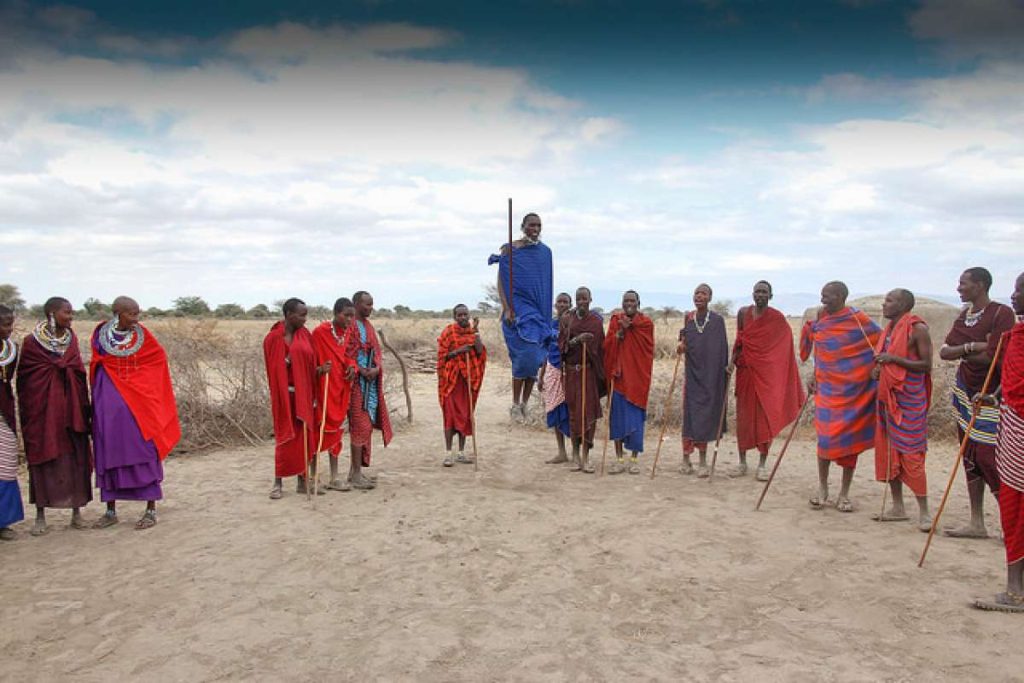
Traditional music, dance, clothing, and communal ceremonies remain integral to East African societies. These practices reinforce collective identity and historical continuity.
4.3 East Africa as a Technology Hub
In recent decades, East Africa has become synonymous with digital innovation:
- Mobile money platforms
- Agricultural technology
- E-health and education tools
This phenomenon, often described as “technological leapfrogging,” allows societies to bypass older infrastructures while addressing local challenges. Innovation here does not replace tradition; it adapts to it.
5. West Africa: Cultural Dynamism and Creative Industries
5.1 Oral Traditions and Artistic Expression
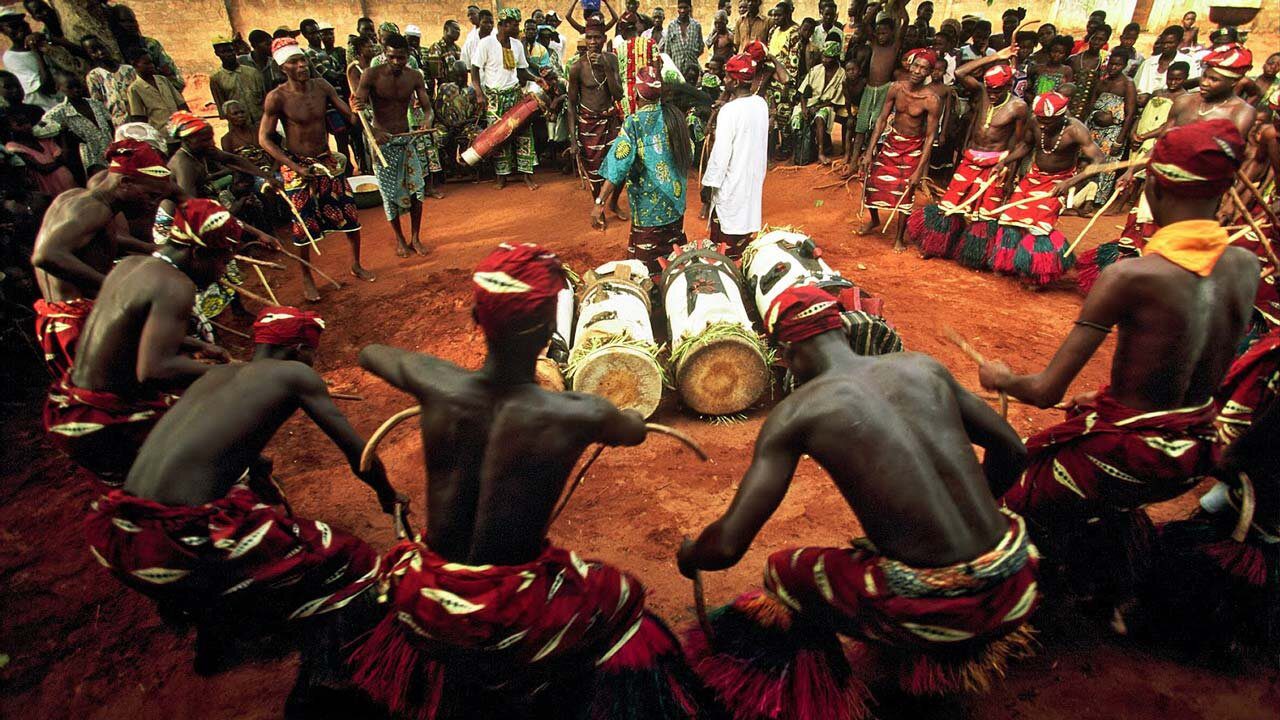
West Africa is renowned for its rich oral traditions, including griots—oral historians who preserve genealogies, myths, and historical narratives. Music, dance, and textile arts play a central role in social life.
Traditional expressions such as:
- Drumming ensembles
- Mask rituals
- Weaving and dyeing techniques
Continue to influence contemporary culture.
5.2 Innovation Through Culture
West Africa has become a global cultural force through innovation in:
- Music and digital media
- Fashion and design
- Film and storytelling
These creative industries draw heavily on traditional aesthetics while embracing global platforms and technology.
5.3 Social Entrepreneurship and Youth Innovation
With a young and dynamic population, West Africa is a center for social entrepreneurship. Many initiatives blend traditional community values with modern business models to address issues such as education, employment, and urbanization.
6. North Africa: Between Africa and the Mediterranean World
6.1 Cultural Crossroads
North Africa occupies a unique position between sub-Saharan Africa, the Middle East, and Europe. Its traditions reflect Amazigh (Berber), Arab, Islamic, and Mediterranean influences.
This cultural layering is visible in language, architecture, cuisine, and social customs.
6.2 Tradition in Daily and Religious Life
Religious practices, family structures, and artisanal crafts remain deeply traditional. Markets, mosques, and communal spaces serve as centers of social continuity.
6.3 Innovation in Urban and Economic Development
North African countries have invested heavily in:
- Infrastructure and urban planning
- Renewable energy
- Cultural tourism
Innovation here often involves modernizing ancient cities while preserving historical identity.
7. Egypt: Ancient Civilization and Modern Reinvention
7.1 The Weight of History
Egypt stands as one of the world’s most ancient civilizations. Its temples, pyramids, and hieroglyphs represent millennia of cultural continuity. Egyptian identity is deeply shaped by this historical legacy.
7.2 Tradition as National Narrative
Ancient history plays a central role in education, tourism, and national identity. Traditional crafts, religious rituals, and social customs coexist with modern urban life.
7.3 Contemporary Innovation in Egypt
Modern Egypt faces complex challenges, yet it remains a center of innovation in:
- Architecture and urban expansion
- Digital entrepreneurship
- Cultural production and media
Egyptian innovation often involves reinterpreting ancient symbols and practices for contemporary relevance.
8. Tradition and Innovation in African Art and Design
8.1 Visual Arts as Cultural Dialogue
African artists frequently draw on traditional symbols, materials, and narratives while engaging with global artistic movements. This creates art that is both locally rooted and internationally resonant.
8.2 Architecture: Old Forms, New Functions
Across Africa, architects incorporate traditional building techniques—such as natural ventilation and local materials—into modern designs. This approach promotes sustainability while honoring heritage.
9. Language, Education, and Knowledge Systems
9.1 Indigenous Languages and Identity
Africa is home to thousands of languages. Language preservation is central to maintaining cultural identity and transmitting traditional knowledge.
9.2 Modern Education and Cultural Integration
Educational systems increasingly recognize the value of integrating indigenous knowledge with modern curricula. This approach strengthens cultural confidence and intellectual diversity.
10. Technology as a Bridge Between Past and Future
10.1 Digital Preservation of Heritage
Technology is increasingly used to document and preserve oral histories, music, rituals, and artifacts. Digital archives ensure that tradition remains accessible to future generations.
10.2 Innovation Driven by Cultural Values
African technological innovation often reflects communal values, emphasizing accessibility, affordability, and social impact rather than pure efficiency.
11. Economic Development and Cultural Sustainability
11.1 Tradition as Economic Resource
Cultural heritage supports industries such as tourism, crafts, fashion, and cuisine. When managed responsibly, tradition becomes a source of sustainable economic growth.
11.2 Risks of Cultural Commodification
Balancing economic development with cultural integrity remains a challenge. Sustainable innovation requires respecting communities and avoiding exploitation.
12. Youth, Identity, and the Future of Africa
12.1 Negotiating Identity
Africa’s youth navigate complex identities shaped by tradition, global culture, and digital connectivity. Rather than rejecting tradition, many reinterpret it creatively.
12.2 Youth-Led Innovation
Young Africans are leading change in technology, arts, activism, and entrepreneurship, often drawing inspiration from ancestral values to address modern problems.
13. Challenges and Opportunities
13.1 Structural Challenges
Africa faces ongoing challenges including inequality, climate change, and infrastructure gaps. Tradition alone cannot solve these issues, but it offers guiding principles for resilience.
13.2 The Opportunity of Synthesis
The greatest opportunity lies in synthesis—the ability to merge tradition with innovation in ways that are culturally meaningful and socially inclusive.
Conclusion
From South Africa to Egypt, Africa presents a powerful narrative of continuity and transformation. Its traditions are not relics of the past, but dynamic systems that inform identity, ethics, and creativity. At the same time, innovation across the continent reflects adaptability, ingenuity, and a forward-looking spirit grounded in local realities.
Africa’s future will not be shaped by abandoning tradition, nor by resisting change. Instead, it will emerge from the thoughtful integration of ancestral knowledge and modern innovation. This balance—between memory and imagination, heritage and progress—defines Africa’s unique contribution to the global story.
Understanding Africa through this lens reveals a continent not trapped by its past, but empowered by it. In embracing both tradition and innovation, Africa continues to redefine itself—not as a peripheral observer of global change, but as an active and influential participant shaping the future.