






Introduction: The Art of Brazilian Barbecue
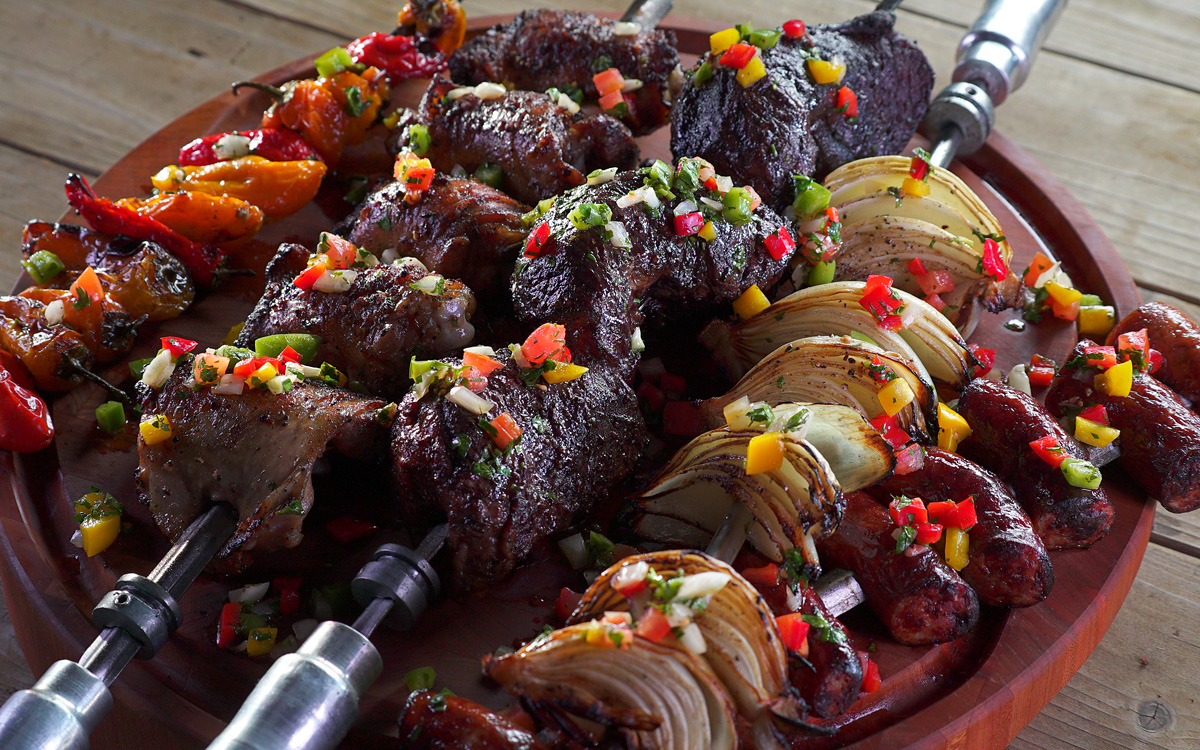
In Brazil, barbecue is more than just a method of cooking—it’s an art form, a social event, and a cornerstone of the country’s rich culinary heritage. The traditional Brazilian barbecue, or Churrasco, has long been celebrated as one of the finest expressions of the nation’s food culture, blending culinary expertise with deep cultural significance. What sets Brazilian barbecue apart from other forms of grilling is the use of charcoal and wood fire, techniques that have been perfected over centuries and continue to be an essential part of Brazilian life.
Churrasco is not merely about cooking meat; it is an experience that brings people together, a shared tradition that celebrates the simple joy of cooking over an open flame. From the succulent cuts of beef, pork, and chicken to the uniquely Brazilian spices and sauces, the practice of slow-roasting meat over a wood fire embodies the essence of Brazilian hospitality, flavor, and tradition.
In this article, we will explore the history, techniques, and cultural significance of Brazilian barbecue. We will also examine how these traditional methods have evolved and continue to influence the global culinary scene.
Part 1: The History and Cultural Significance of Brazilian Barbecue
1.1 The Origins of Churrasco
The roots of Churrasco can be traced back to the early days of Brazilian colonialism, where indigenous peoples and Portuguese settlers would prepare meat over open flames. However, it was the arrival of the gauchos—the Brazilian cowboys from the southern region of the country—that truly shaped the development of the Brazilian barbecue as it is known today.
In the 19th century, the gauchos, who lived in the southern pampas, would hunt wild cattle and roast the meat over open flames. The traditional Churrasco method, known as asado in Argentina and Uruguay, eventually became a staple of Brazilian food culture, particularly in regions like Rio Grande do Sul, Paraná, and Santa Catarina.
Unlike other cooking methods that might use direct heat, Churrasco is cooked using indirect heat. The meat is placed on skewers and roasted slowly over charcoal or wood, allowing the meat to absorb the smoky flavors and retain its natural juiciness.
1.2 The Social and Cultural Importance of Churrasco
In Brazil, barbecue is far more than just a way of cooking; it is a social event and a vital part of the country’s identity. Churrascarias (Brazilian steakhouses) are a popular gathering place, where diners enjoy an endless variety of meats, served straight from the skewer onto their plates. The churrasco experience is as much about the community and celebration as it is about the food itself.
The Brazilian tradition of barbecue often involves family gatherings, festive celebrations, and community events. Whether it is a birthday, a holiday, or just a weekend get-together, Brazilian barbecue serves as a way for people to bond over good food and company. The open fire and the careful preparation of the meat are a metaphor for the patience, care, and warmth that define Brazilian hospitality.
In addition to its cultural significance, Churrasco also has ties to Brazil’s agricultural traditions. The country’s vast cattle ranches and rich grazing land have made beef a key component of the Brazilian diet. The celebration of meat, particularly beef, is a reflection of the nation’s deep agricultural roots.
Part 2: The Techniques of Brazilian Barbecue: Charcoal and Wood Fire Cooking
2.1 Understanding the Heat Source: Charcoal and Wood
The key to authentic Brazilian barbecue is the heat source. Unlike many other forms of grilling, where gas or electric heat might be used, Brazilian Churrasco is traditionally cooked over charcoal or wood fires. This method imparts a distinctive smoky flavor that is characteristic of the cuisine.
- Charcoal: In traditional Churrasco cooking, charcoal is the most commonly used fuel. Charcoal is made by burning wood in a low-oxygen environment, creating a dense and highly flammable substance. The use of charcoal ensures that the meat is cooked slowly and evenly, while also adding a rich smokiness to the flavor.
- Wood: For a more intense and aromatic flavor, some Brazilian grillers prefer to use wood. Different types of wood, such as eucalyptus, oak, and mesquite, are chosen for their unique burning characteristics. These woods create a stronger, more complex smoky aroma that infuses the meat during the cooking process. The choice of wood adds an extra layer of personalization and authenticity to the barbecue.
2.2 The Skewer Technique: Espeto and Rodízio
One of the hallmark techniques of Brazilian barbecue is the use of the skewer (known as an espeto in Portuguese). This allows for the even distribution of heat, ensuring that the meat is cooked uniformly. The skewers are typically made of stainless steel or wood, and the meat is carefully threaded onto the skewer, allowing for easy rotation over the fire.
The Rodízio method, a type of all-you-can-eat dining, is a popular technique used in Brazilian churrascarias. In a rodízio, waiters circulate around the dining room with large skewers of meat, offering slices of perfectly roasted beef, pork, chicken, and sausages. This continuous flow of food creates a festive atmosphere where diners are encouraged to indulge in various cuts of meat until they are satisfied.
2.3 The Key to Perfecting the Meat: Slow Cooking Over Indirect Heat
The method of slow-roasting meat over charcoal or wood is essential to the success of Brazilian barbecue. Unlike direct grilling, where meat is placed directly over the heat source, Churrasco involves indirect cooking, where the meat is placed above the coals or wood, allowing the heat to circulate and cook the meat slowly and evenly.
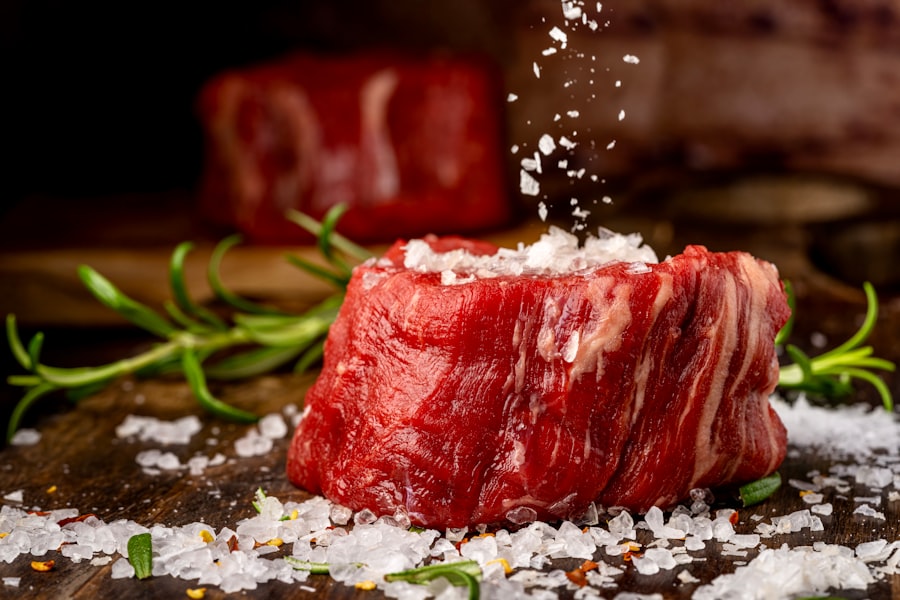
This slow cooking process allows the meat to retain its juices, resulting in a tender, flavorful roast. The meat is typically salted before cooking, which enhances its natural flavors and creates a deliciously crispy outer crust.
Part 3: The Cuts of Meat in Brazilian Barbecue
3.1 Beef: The Heart of Brazilian Barbecue
Beef is undoubtedly the star of Churrasco. Brazilian barbecue features a wide variety of beef cuts, many of which are grilled whole and sliced at the table. Some of the most popular cuts include:
- Picanha: This is one of the most famous cuts of beef in Brazil. Picanha is a rump cap (top sirloin), known for its rich marbling and tender texture. It is typically seasoned with just salt and grilled with the fat cap intact, which melts during cooking, infusing the meat with incredible flavor.
- Fraldinha: Also known as flank steak, this cut is very flavorful and tender when cooked over a charcoal or wood fire. It’s often sliced thin and served alongside other cuts.
- Alcatra: A large, flavorful cut from the sirloin area. It’s tender and juicy, perfect for grilling over an open flame.
- Costela: Beef ribs are also a key feature of Brazilian barbecue. Costela is slow-cooked over wood or charcoal, often taking hours to become tender and rich in flavor.
3.2 Pork, Chicken, and Sausages
In addition to beef, pork, chicken, and sausages are also staples of Brazilian barbecue. The linguiça (Brazilian sausage) is a favorite among barbecue enthusiasts, as its savory flavor and crispy texture make it a perfect addition to the grill. Pork ribs and chicken wings are often marinated with spices and then cooked slowly over the fire.
Chicken hearts are a popular delicacy in Brazil, often skewered and grilled with a simple marinade of garlic, salt, and olive oil. This dish has gained international attention for its unique flavor and texture, as well as its connection to Brazilian street food.
Part 4: Traditional Sauces and Accompaniments
4.1 Farofa: The Essential Side Dish
No Brazilian barbecue is complete without farofa. This toasted cassava flour dish is often prepared with butter, onions, bacon, and garlic, and is used to complement the rich flavors of grilled meat. Farofa serves as a crunchy, savory contrast to the tender meat and adds an additional layer of flavor to the meal.
4.2 Vinagrete: Brazilian Salsa
Another essential side for Churrasco is vinagrete, a Brazilian-style salsa made from tomatoes, onions, bell peppers, and vinegar. This tangy, refreshing accompaniment cuts through the richness of the grilled meat, providing a perfect balance of flavors.
Conclusion: A Flavorful Tradition of Barbecue Mastery
Brazilian barbecue is an experience that transcends mere cooking—it’s an integral part of Brazilian culture. The skillful use of charcoal and wood fire in the preparation of succulent meats, along with the emphasis on slow cooking and seasoning, reflects the passion and creativity that define Brazilian cuisine. Whether enjoyed in a churrascaria or at a family gathering, Churrasco is a culinary tradition that celebrates the joy of good food, company, and cultural heritage.