





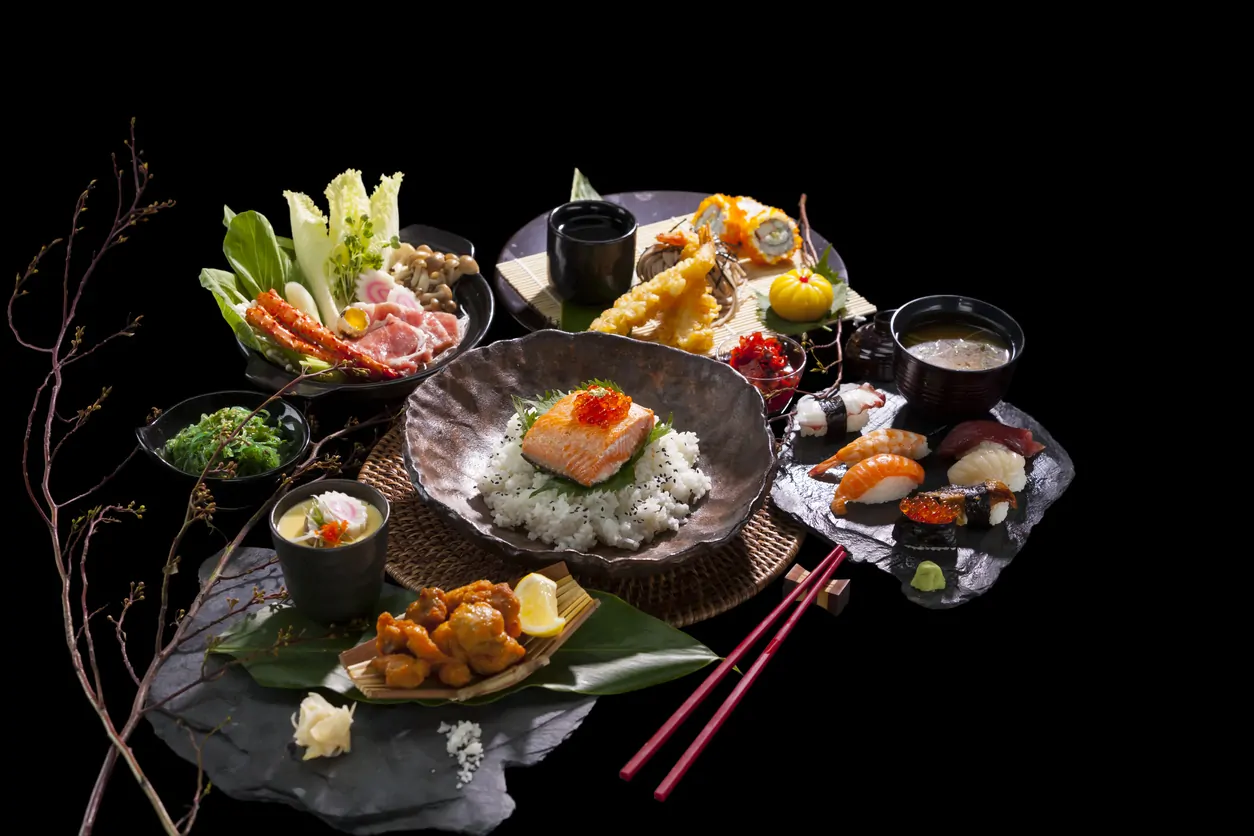

Introduction: The Essence of Japanese Culinary Art
Japanese cuisine is a masterpiece of delicate balance, aesthetic appeal, and cultural significance. From the refined elegance of kaiseki to the casual yet sophisticated sushi, Japanese food reflects the country’s deep respect for nature, its rich cultural heritage, and an unwavering commitment to quality ingredients and preparation techniques.
More than just a way of feeding the body, Japanese cuisine is an expression of seasonality, presentation, and balance. The preparation and consumption of food are elevated to a spiritual and philosophical practice, where food is seen as an extension of nature itself. In this article, we will explore the profound elements that define Japan’s culinary culture, its historical roots, cooking techniques, and how it continues to evolve in the modern world.
Part 1: The History and Philosophy Behind Japanese Cuisine
1.1 A Deep Connection to Nature and Seasons
Japanese cuisine is rooted in the concept of seasonality (shun), which emphasizes the use of ingredients that are freshest and most abundant during a particular season. The changing of the seasons is a significant influence on Japanese cooking, and this is evident in the way dishes are prepared to highlight seasonal flavors. For example, sakura mochi (cherry blossom rice cakes) are typically made in spring, while kabocha (Japanese pumpkin) dishes are more common in the fall.
This seasonal philosophy extends beyond food and is deeply ingrained in Japanese culture. It speaks to the broader concept of wabi-sabi, the appreciation of beauty in imperfection and transience. The changing seasons are a natural reminder of the cycles of life, and the practice of cooking according to the season fosters a profound connection between food, nature, and the eater.
1.2 The Cultural Importance of Food in Japan
In Japan, food is not just sustenance—it is a cultural expression. The traditional tea ceremony, for instance, involves not only the ritualistic preparation of tea but also the serving of seasonal snacks. Meals are often seen as a way to reflect respect for the ingredients, the cook, and the guests. This extends to the dining experience itself, where the presentation of food is just as important as the taste.
Japanese people take great pride in their food, from the smallest home-cooked meal to elaborate ceremonial dishes. The ritual of eating together, particularly during family gatherings or festivals, strengthens bonds and is an essential part of the Japanese way of life.
Part 2: Essential Components of Japanese Cuisine
2.1 Rice: The Staple of Japanese Meals
Rice is the cornerstone of Japanese cuisine, often regarded as a sacred food. Known as shari when used in sushi, rice represents nourishment, growth, and prosperity. Traditionally, Japanese people ate rice with almost every meal, often served plain or accompanied by miso soup, pickled vegetables, and fish.
The cultivation of rice in Japan has a long and revered history. Rice paddies are deeply embedded in Japan’s cultural landscape, symbolizing not just food but the rhythms of life and nature. The cultivation, harvesting, and preparation of rice are approached with great reverence, as rice is considered the essence of life-giving energy.
2.2 Fish and Seafood: A Reflection of Japan’s Island Geography
Given Japan’s archipelago geography, it’s no surprise that fish and seafood feature prominently in its cuisine. Fresh, seasonal fish is prized in Japan, and many traditional dishes are built around raw fish, sushi, and sashimi. Japanese chefs are renowned for their expertise in handling fish, from slicing to preparing it to maximize its natural flavor and texture.
Apart from sushi, dishes like yakimeshi (fried rice with seafood), unagi (grilled eel), and tempura (battered and deep-fried fish or shrimp) showcase the versatility and importance of fish in Japanese cooking. The preparation of seafood requires skill and knowledge of the seasonality of various fish species, reflecting the Japanese respect for the changing seasons and the need for sustainable sourcing.
2.3 Vegetables and Tofu: Simplicity and Elegance
Vegetables and tofu are key components in Japanese cuisine, where simplicity reigns supreme. Unlike in some Western cultures, where vegetables often take a backseat to meats or rich sauces, Japanese vegetables are prepared in ways that accentuate their natural flavors. Commonly used vegetables include daikon (radish), shiso (perilla leaves), nappa cabbage, and gobo (burdock root).
Tofu, made from soybeans, is a staple in many Japanese dishes. It is often prepared as agedashi tofu (fried tofu served in broth), miso soup, or even as a main dish in various vegetarian options. The simplicity of tofu allows for the natural flavors of other ingredients to shine, demonstrating the Japanese principle of less is more.
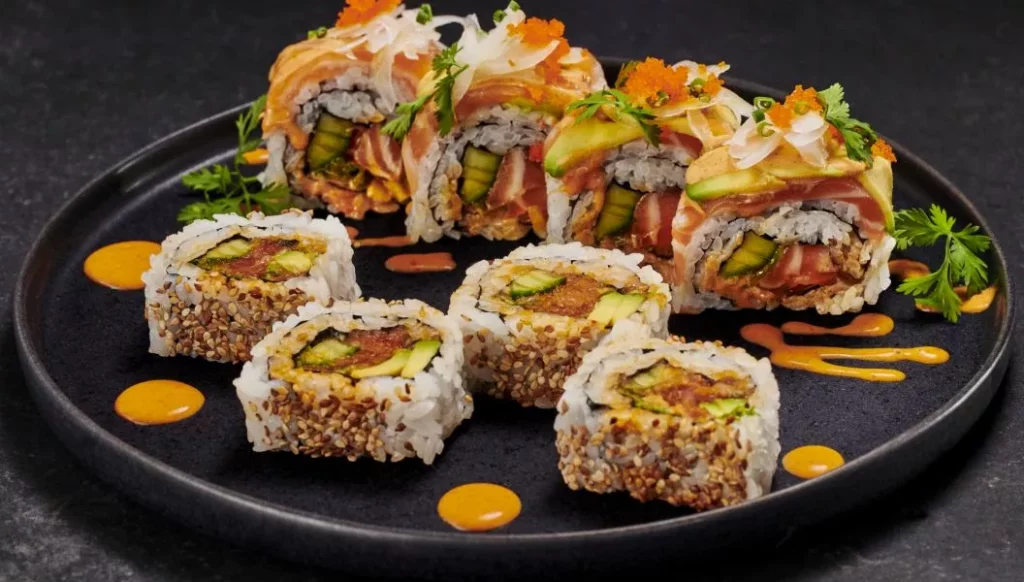
Part 3: Cooking Techniques and Presentation
3.1 The Art of Sushi and Sashimi
Sushi, arguably Japan’s most famous export, is both an art and a science. The preparation of sushi rice—its seasoning, texture, and temperature—is as crucial as the quality of the fish used. Master sushi chefs, known as itamae, spend years perfecting their technique, understanding the intricate balance between rice, fish, and sauces.
The sushi-making process involves a series of precise steps, from selecting the right fish to ensuring it is cut at the proper angle. Sashimi, slices of raw fish served without rice, is similarly a delicate practice that emphasizes the freshness and texture of the fish. Presentation is equally important, as aesthetic appeal plays a key role in the appreciation of these dishes.
3.2 Kaiseki: A Multi-Course Meal
Kaiseki is the pinnacle of Japanese haute cuisine, involving a series of meticulously prepared and beautifully presented dishes served in a precise sequence. It often begins with sakizuke (appetizers), followed by a series of courses that include soup, grilled dishes, steamed dishes, sashimi, and pickled vegetables. Each dish is meant to reflect the seasonal ingredients, as well as the principles of balance and harmony.
Kaiseki is not just about flavor—it is about the visual experience, with dishes arranged artistically and served in specific types of tableware. The colors, textures, and arrangements of the food are chosen to enhance the overall dining experience, creating a visual feast to complement the culinary one.
3.3 Tempura and Other Frying Techniques
Tempura is a distinctive technique that originated in the 16th century when Portuguese missionaries introduced deep-frying to Japan. Tempura batter is made from a simple mixture of flour and cold water, ensuring a light and crispy texture when fried. Seafood and vegetables are typically dipped in this batter and fried to perfection.
The key to a perfect tempura lies in its lightness—over-frying will result in a greasy, heavy texture, while under-frying will leave the batter soggy. The art of tempura is thus another example of how Japanese chefs focus on achieving balance and harmony in texture and flavor.
Part 4: The Modern Evolution of Japanese Cuisine
4.1 International Influence and Global Popularity
Japanese cuisine has undergone a significant global transformation in recent decades. Sushi bars, ramen shops, and izakayas have spread across the globe, with people embracing Japanese food for its freshness, simplicity, and healthy attributes. While Japanese cooking retains its core traditions, it has evolved to include fusion elements, as chefs around the world blend Japanese ingredients with local flavors and techniques.
Ramen, for example, has been adopted and modified in many countries, with each location putting its own spin on the dish. Similarly, sushi has gone through a global evolution, with variations such as California rolls and sushi burritos appealing to diverse tastes.
4.2 The Future of Japanese Culinary Arts
The future of Japanese cuisine is not just about preserving tradition but also about embracing new technologies and global influences. As sustainability and plant-based eating become more prominent in the global food scene, Japanese chefs are exploring creative ways to integrate these values into their cooking, from plant-based sushi to innovative uses of seaweed, tofu, and fermented vegetables.
Moreover, the integration of advanced culinary technology like cryogenic freezing and sous-vide cooking is being used to preserve the integrity and freshness of ingredients, further pushing the boundaries of traditional cooking methods.
Conclusion: The Timeless Elegance of Japanese Cuisine
Japanese cuisine is a testament to the artistry of food preparation, the respect for nature, and the elegance of cultural traditions. It’s a celebration of simplicity, seasonality, and balance, values that have endured through the ages. Whether enjoyed in the intimate setting of a traditional kaiseki dinner or at a bustling sushi bar, Japanese food offers not just a meal but an experience—one that engages the senses, nourishes the body, and elevates the spirit.