






Introduction: Hommos – A Staple of Lebanese Cuisine
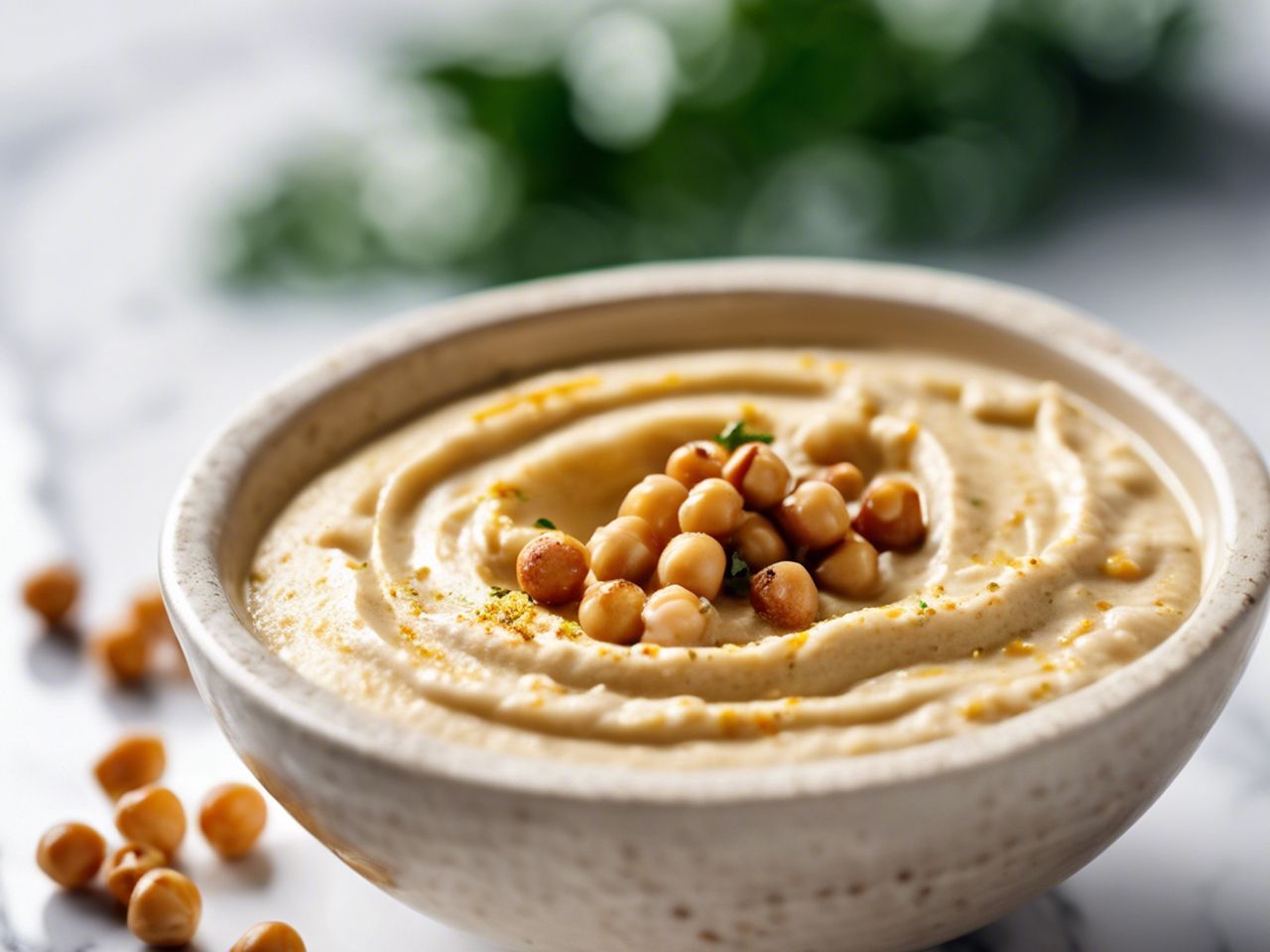
Lebanese cuisine, known for its vibrant flavors and rich history, offers a tapestry of dishes that range from intricate stews to fresh salads and baked delicacies. Among the most beloved and iconic dishes of this region is hommos—a creamy, tangy dip made primarily from chickpeas. Hommos is not just a simple appetizer; it is a representation of Lebanon’s culinary philosophy, which combines fresh, high-quality ingredients with cooking techniques that highlight subtle flavors and textures.
What makes hommos particularly special is its ability to reflect the complexity and depth of Lebanese cuisine despite its deceptively simple ingredients. The dish can be made in a variety of ways, with subtle variations in flavor and texture depending on the region, the cook, and the chosen ingredients. Through hommos, Lebanese cuisine showcases its knack for transforming humble ingredients into something both nourishing and elegant.
This article explores the essential elements that make hommos a cornerstone of Lebanese cuisine. We will examine the history of hommos, its role in Lebanese culture, the key ingredients used, and the simple yet refined techniques behind preparing it. Ultimately, hommos encapsulates the delicate and sophisticated nature of Lebanese cooking—a cuisine that values balance, freshness, and the art of elevating simple ingredients into culinary excellence.
Part 1: The History and Cultural Significance of Hommos
1.1 The Origins of Hommos
The origin of hommos is often a topic of debate, with multiple countries in the Middle East claiming it as their own. However, it is widely believed that hommos, in its earliest form, has been a part of the Levantine diet for thousands of years. The word “hommos” itself comes from the Arabic word for chickpea, ḥummuṣ, which is the primary ingredient in the dish. It’s likely that hommos originated in ancient Mesopotamia, where chickpeas were cultivated and used in various forms of cuisine.
Historically, the Levant—comprising modern-day Lebanon, Syria, Jordan, Israel, and Palestine—has been a crossroads of various civilizations, including the Phoenicians, Greeks, Romans, and Ottomans. Each of these cultures contributed to the region’s diverse culinary heritage, and hommos was likely adapted over time to reflect these various influences.
While hommos is now enjoyed all over the world, it holds particular significance in Lebanese culture. In Lebanon, it is served as part of the traditional mezze—a selection of small dishes meant for sharing. Mezze is a vital aspect of Lebanese dining culture, and hommos is often the centerpiece, offering a flavorful and satisfying dip that pairs perfectly with fresh, warm pita bread.
1.2 Hommos in Lebanese Culinary Tradition
In Lebanese cuisine, food is not just sustenance; it is a source of pride and a means of expressing cultural identity. The preparation and sharing of meals is deeply ingrained in Lebanese social life, and hommos is often present at family gatherings, celebrations, and festive occasions. Whether enjoyed as a light snack or part of a larger meal, it is a dish that brings people together.
Hommos is also an expression of Lebanese hospitality. The sharing of a bowl of hommos with friends and family symbolizes generosity, warmth, and community. It is typically served alongside other mezze dishes such as baba ghanoush, tabbouleh, falafel, and fattoush—creating a feast of fresh, bold, and harmonious flavors.
Moreover, hommos represents the ethos of Lebanese cooking: simplicity, freshness, and balance. The dish allows the individual flavors of its ingredients—chickpeas, tahini, garlic, lemon, and olive oil—to shine through, each one playing a role in creating a dip that is both complex and comforting.
Part 2: Key Ingredients of Hommos and Their Roles
2.1 Chickpeas: The Heart of Hommos
The primary ingredient in hommos is the humble chickpea, known for its nutty flavor and firm texture. Chickpeas are an essential part of Lebanese cooking and appear in many traditional dishes, from soups to stews and salads. When used in hommos, chickpeas are blended into a smooth, creamy base that serves as the foundation for the dip.
For the creamiest hommos, it is essential to use dried chickpeas that have been soaked overnight, then boiled until soft. While canned chickpeas can be used in a pinch, they do not provide the same velvety texture that freshly cooked chickpeas do. The chickpeas are often peeled after cooking to achieve a silky consistency, though this step can be time-consuming, it results in a much smoother texture for the dip.
2.2 Tahini: The Creamy Counterpart
Another key ingredient in hommos is tahini—ground sesame paste that adds richness and a slight bitterness to the dip. The inclusion of tahini is what transforms hommos from a simple chickpea dip into a velvety, complex spread that is full of depth and character. Tahini also contributes to the creamy texture of hommos, balancing out the slightly grainy chickpeas.
When selecting tahini for hommos, it is crucial to use high-quality tahini made from freshly ground sesame seeds. The best tahini is smooth and slightly oily, with a mellow, nutty flavor that complements the other ingredients. Low-quality tahini can sometimes be overly bitter or gritty, which would affect the balance of flavors in the hommos.
2.3 Lemon Juice and Garlic: Adding Brightness and Complexity
Lemon juice and garlic are essential flavoring agents in hommos. The acidity of the lemon juice provides a fresh, zesty kick that brightens the otherwise rich, earthy flavor of the chickpeas and tahini. Garlic, on the other hand, adds depth and a subtle spiciness that rounds out the dip’s flavor profile.
The amount of lemon juice and garlic can be adjusted according to personal preference. Some prefer a stronger garlic punch, while others may opt for a more delicate balance. However, the combination of these two ingredients is essential for creating the distinctive flavor that makes hommos so beloved.
2.4 Olive Oil: The Final Touch
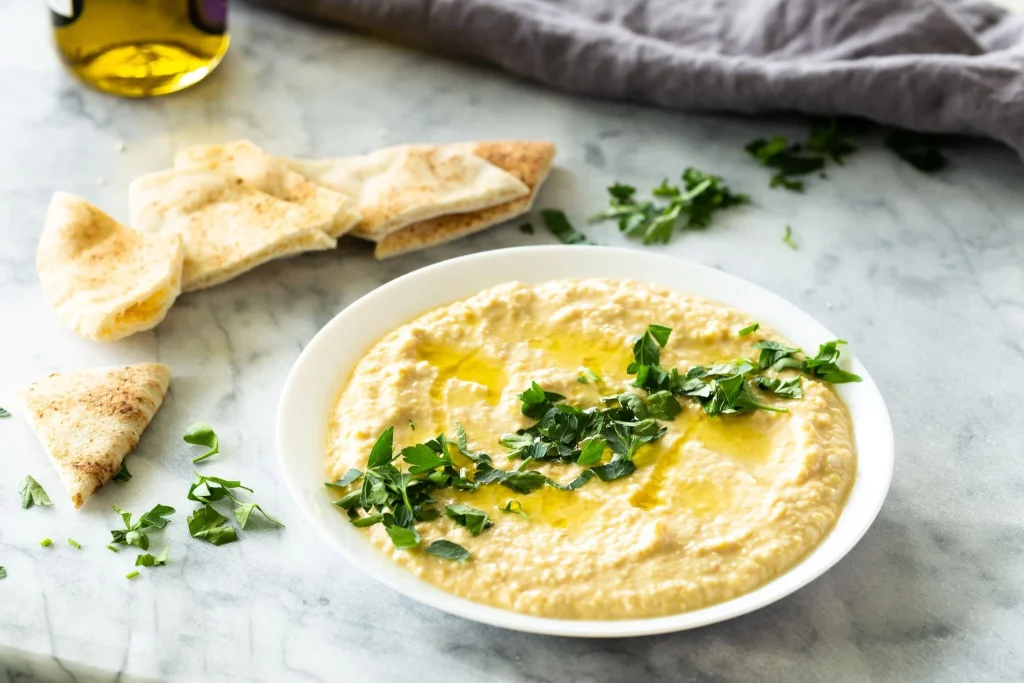
Good-quality olive oil is the finishing touch that ties the ingredients together in hommos. Drizzling olive oil over the top of the dip adds a luxurious richness and enhances the dish’s smoothness. The oil also contributes to the final presentation, creating a glossy finish that makes the hommos more visually appealing.
Lebanon is known for its high-quality olive oils, and the country’s olive oil is an essential part of its cuisine. When making hommos, it is recommended to use extra-virgin olive oil, which offers a fruity, slightly peppery flavor that complements the other ingredients perfectly.
Part 3: Techniques for Preparing Perfect Hommos
3.1 Soaking and Cooking Chickpeas
The first step in preparing hommos is to cook the chickpeas. While it is possible to use canned chickpeas, cooking dried chickpeas from scratch ensures a more authentic texture and flavor. Begin by soaking the chickpeas overnight in plenty of water. The next day, drain and rinse them, then place them in a pot with fresh water. Bring the chickpeas to a boil, then simmer for about 45 minutes to 1 hour, or until they are soft.
For extra creaminess, many chefs suggest removing the skins from the cooked chickpeas. While this process is time-consuming, it results in an extraordinarily smooth texture. Some prefer to skip this step for the sake of simplicity, but removing the skins creates the most refined hommos.
3.2 Blending for Smoothness
Once the chickpeas are cooked and drained, they are blended with tahini, garlic, lemon juice, and olive oil. The key to a smooth hommos lies in how well the ingredients are combined. Use a food processor or blender to mix everything together, scraping down the sides as necessary. The longer you blend, the smoother the hommos will become. If the mixture is too thick, add a small amount of the reserved cooking water from the chickpeas or some extra olive oil to help loosen it.
The texture should be creamy, yet light—spreadable but not too runny. The process of blending also allows the garlic and lemon to fully infuse the chickpeas and tahini, creating a harmonious and balanced flavor.
3.3 Adjusting Flavor and Consistency
The beauty of hommos lies in its versatility. After blending, taste the hommos and adjust the seasoning as needed. If it’s too bitter, add a little more lemon juice or olive oil. If it needs more garlic, add an extra clove. The goal is to create a perfectly balanced dip that is neither too heavy nor too sharp in flavor.
For an even smoother texture, some chefs use ice cubes while blending, as the cold helps to emulsify the ingredients. Others prefer a slightly thicker consistency, which can be achieved by using less liquid or tahini.
Part 4: Serving and Pairing Hommos
4.1 Traditional Presentation
Hommos is traditionally served in a shallow bowl, garnished with a drizzle of olive oil, a sprinkle of paprika, and a few sprigs of parsley. This not only adds color but also enhances the aroma, making the dip even more inviting.
To serve, it’s common to provide warm pita bread for dipping, though fresh vegetables such as cucumber, carrot sticks, and bell peppers also make excellent accompaniments. Hommos can also be enjoyed with crackers, chips, or as a topping for grilled meats or salads.
4.2 Pairing Hommos with Other Dishes
Hommos is an essential part of the mezze platter in Lebanese cuisine, and it pairs beautifully with a variety of other dishes. Serve it alongside tabbouleh (a fresh parsley and bulgur salad), baba ghanoush (a smoky eggplant dip), and falafel (crispy fried chickpea balls) to create a diverse and satisfying meal. The refreshing flavors of tabbouleh and the smoky richness of baba ghanoush complement the creamy, tangy hommos perfectly.
Hommos also works as a condiment for grilled meats like lamb or chicken, where its creaminess helps to balance the richness of the meat. Additionally, it can be spread on sandwiches or wraps for a flavorful and nutritious filling.
Conclusion: The Elegance in Simplicity
Hommos, with its simple ingredients and humble origins, is a dish that exemplifies the essence of Lebanese cuisine. It is a perfect blend of creamy texture, bright acidity, and savory depth, all created with minimal effort. Despite its simplicity, hommos holds a profound significance in Lebanese culture, offering both comfort and sophistication.
Through hommos, Lebanese cuisine teaches us the art of elevating simple ingredients into something extraordinary. It is a dish that celebrates the beauty of fresh, quality ingredients and refined techniques. Whether shared among family and friends or served at a festive gathering, hommos continues to be a timeless symbol of Lebanese hospitality, warmth, and elegance in the kitchen.