





Introduction: The Essence of Moroccan Culinary Heritage
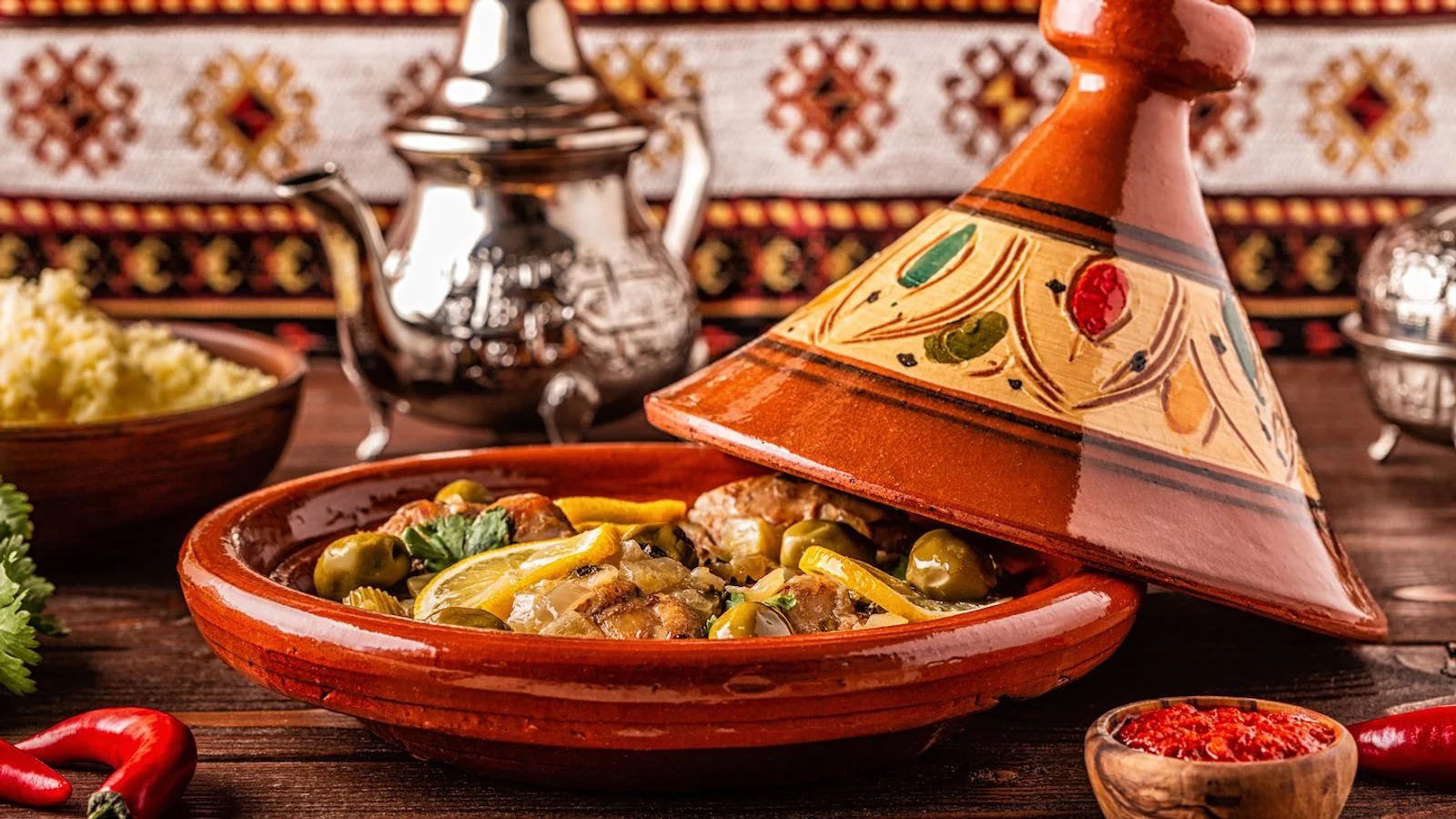
Moroccan cuisine is a tapestry of rich flavors, vibrant colors, and diverse ingredients, all of which come together in unique and mouthwatering dishes. One of the most iconic and beloved culinary traditions in Morocco is the preparation of tagine—a slow-cooked stew that combines a variety of meats, vegetables, fruits, and spices. The name “tagine” refers both to the special clay pot in which the dish is cooked and the dish itself, which has become emblematic of Morocco’s diverse and historical culinary culture.
The technique of cooking in a tagine pot has been passed down for centuries, and its versatility allows for an endless combination of ingredients. However, what truly sets Moroccan tagine apart is the expert use of spices, which not only enhance the flavors of the dish but also reflect Morocco’s rich history of trade and cultural exchange. The marriage of spices in tagine is a representation of Morocco’s geographical location, as it lies at the crossroads of Africa and Europe, and the influence of Arab, Berber, French, and Andalusian culinary traditions.
This article will explore the cooking techniques used in preparing tagine, the key spices that define Moroccan tagine dishes, and how these elements together reflect the deep cultural heritage of Morocco. We will also examine the role of the tagine pot itself and how it enhances the flavors and textures of the dish.
Part 1: The Tagine Pot and Cooking Techniques
1.1 The Traditional Tagine Pot: A Culinary Icon
The tagine pot is an essential part of Moroccan cooking, both in terms of its functionality and its cultural significance. Traditionally made from clay or ceramic, the tagine pot is shaped with a flat base and a conical lid. The shape of the lid is designed to help circulate steam, allowing the ingredients to cook in their own juices, which results in a tender and flavorful dish.
The pot itself is a masterpiece of engineering. The conical lid traps steam, which condenses and drips back down into the dish, ensuring that the ingredients stay moist and cook evenly. This slow cooking process allows flavors to meld together, resulting in a deeply rich and aromatic dish.
Though tagines can be cooked on an open flame, many modern versions are designed to work on stovetops and in ovens, making them accessible to home cooks around the world. The distinctive flavor profile achieved in a tagine dish comes from the slow and gentle cooking process, which preserves the integrity of the ingredients while allowing the spices to infuse the dish fully.
1.2 The Technique of Cooking Tagine
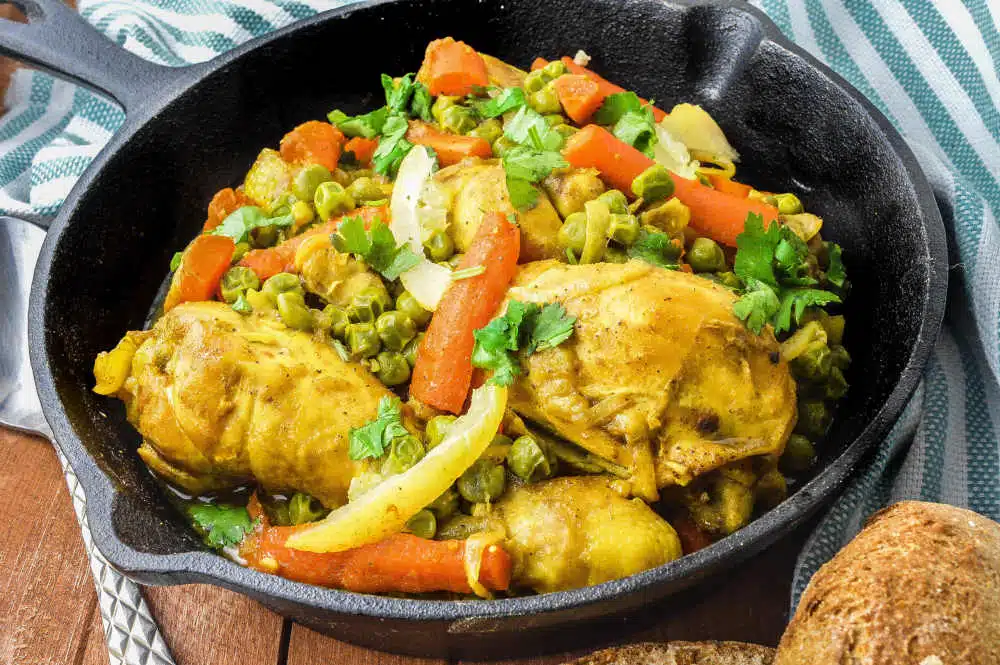
Tagine cooking is a slow and patient process that allows the flavors to develop fully. Traditionally, meats like lamb, chicken, and beef are used, although vegetarian tagines with root vegetables, chickpeas, and dried fruits are also popular. The typical method begins with browning the meat or vegetables in a small amount of oil or fat to develop flavor. After that, a mixture of spices, herbs, and aromatics are added, along with liquids like water, stock, or tomato paste, before placing the tagine on a gentle heat to simmer.
The cooking time can vary, but it is generally long enough to allow the meat to tenderize and the flavors to meld. A traditional Moroccan tagine may take several hours to prepare, with the dish often being left to simmer for 2 to 3 hours or more. In modern kitchens, this process is often shortened, but the essence of slow cooking still plays a pivotal role in the final result.
The result is a dish that is incredibly tender, with the ingredients bathed in a rich sauce. The slow cooking process also helps develop deep flavors that are characteristic of Moroccan cuisine, where the ingredients are allowed to harmonize and create a beautiful balance of tastes.
1.3 The Versatility of Tagine Dishes
One of the reasons tagine dishes have stood the test of time is their versatility. A tagine can be prepared with a wide range of ingredients, including chicken, lamb, beef, fish, vegetables, dried fruits, and legumes. The choice of protein and vegetables can vary greatly, depending on the season and personal preferences. Furthermore, the combination of spices used in a tagine can be tailored to suit different regional and individual tastes.
For example, in the city of Fes, lamb tagine cooked with prunes and almonds is a popular dish, reflecting the city’s long history of using dried fruits in savory dishes. In coastal cities like Casablanca, seafood tagines featuring fish, squid, or shrimp are often prepared with a delicate balance of citrus and saffron. In the mountains of the Atlas, hearty lamb tagines with root vegetables such as carrots, potatoes, and turnips are common, using warming spices like cinnamon and cumin to balance the richness of the meat.
Vegetarian tagines are equally diverse and can incorporate ingredients such as pumpkin, sweet potatoes, tomatoes, artichokes, and olives, making them both satisfying and nutritious. Regardless of the variation, the core principle of cooking in a tagine pot ensures that each dish is rich in flavor and deeply aromatic.
Part 2: The Spices of Morocco: A Symphony of Flavors
2.1 The Role of Spices in Moroccan Cuisine
Spices are at the heart of Moroccan cuisine, and their careful blending is what gives Moroccan tagine its distinctive flavor profile. Moroccan cooking incorporates a wide variety of spices, many of which are used in combination to create a harmonious and balanced taste. The ability to blend these spices in just the right proportions is an art form, passed down through generations of Moroccan cooks.
The Moroccan spice palette is rich, aromatic, and complex. Commonly used spices include cumin, coriander, cinnamon, turmeric, paprika, saffron, and ginger, as well as dried herbs like thyme and rosemary. The use of sweet and savory spices in tandem is a hallmark of Moroccan cooking, and this is especially true in tagine dishes, where the interplay between these flavors can be both surprising and comforting.
2.2 Key Spices and Their Pairings in Tagine
Several key spices and spice blends define Moroccan tagine dishes, each contributing unique flavors that characterize different regional and seasonal variations. Here are some of the most common spices and their roles in tagine cooking:
- Cumin: Cumin is one of the most widely used spices in Moroccan cuisine, lending an earthy, warm flavor to tagine dishes. It is often paired with coriander and paprika in meat-based tagines, enhancing the depth and richness of the dish.
- Cinnamon: Cinnamon adds a warm, slightly sweet flavor, making it a favorite in both savory and sweet dishes. In tagines, cinnamon is often paired with dried fruits like raisins, apricots, or prunes, creating a beautiful balance between savory meat and sweet fruit.
- Saffron: Known for its delicate floral notes and vibrant yellow color, saffron is one of the most prized spices in Moroccan cuisine. It is commonly used in chicken or seafood tagines, providing a subtle yet sophisticated flavor. Its luxurious aroma is often complemented by other spices like turmeric or coriander.
- Turmeric: Turmeric adds both color and a slightly bitter flavor to tagine dishes. It is often used in combination with cumin and paprika to season lamb or beef tagines, contributing to the depth and complexity of the stew.
- Ginger: Fresh and ground ginger lend a sharp, zesty flavor to Moroccan tagines. Ginger is often used to season chicken or vegetable tagines, offering a fresh contrast to the richness of slow-cooked meats.
- Paprika: Sweet and smoked paprika adds a layer of smokiness and subtle heat to tagine dishes. It is often paired with cumin and cinnamon to enhance the flavor profile of meat-based tagines, especially lamb or beef.
- Ras el Hanout: Perhaps the most famous of all Moroccan spice blends, ras el hanout is a fragrant mix of up to 30 spices, including cumin, cinnamon, cardamom, and nutmeg. It is used in many Moroccan tagines, particularly in dishes that feature lamb, chicken, or beef. Ras el hanout is a signature seasoning blend that imparts complexity and depth to any dish.
- Harissa: A fiery chili paste made from dried red peppers, garlic, and olive oil, harissa is sometimes added to tagines to add a spicy kick. While harissa is more commonly used in Tunisian and Libyan cuisines, it has become an important ingredient in Moroccan cooking as well.
2.3 The Role of Sweet Spices in Tagine
One of the defining characteristics of Moroccan tagines is the combination of sweet and savory elements. In many dishes, the sweetness of dried fruits, such as apricots, prunes, or dates, is balanced with the warmth of spices like cinnamon, cumin, and ginger. This combination of sweet and savory creates a harmonious, layered flavor profile that is unique to Moroccan cuisine.
In addition to dried fruits, honey, almonds, and other sweeteners are often added to tagines to enhance the dish’s flavor complexity. The marriage of sweet fruits with savory spices is a signature technique in Moroccan cooking that speaks to the country’s love for balance in its culinary offerings.
Part 3: The Cultural Significance of Tagine in Morocco
3.1 Tagine as a Symbol of Moroccan Hospitality
In Moroccan culture, food is much more than just sustenance; it is a means of expressing generosity, hospitality, and love. The act of sharing a tagine meal is symbolic of community and togetherness, as tagines are often served in large, communal pots from which everyone can help themselves.
In many Moroccan households, tagine is served as the centerpiece of a meal, often alongside flatbread (khobz) to scoop up the stew. The sharing of a tagine is a social event that encourages conversation, laughter, and the strengthening of bonds between family and friends.
3.2 The Global Appeal of Moroccan Tagine
Over the past few decades, Moroccan tagine has gained global popularity, appearing on restaurant menus and home dining tables worldwide. The unique combination of spices, the slow-cooked textures, and the ability to pair the dish with a wide variety of meats, vegetables, and fruits have made tagine a sought-after dish for food lovers around the world.
Moreover, the increase in global interest in slow cooking and healthy eating has led to a surge in the popularity of vegetarian and plant-based tagines, which showcase the versatility of the dish.
Conclusion: Tagine – A Culinary Masterpiece
Moroccan tagine is a celebration of culinary tradition, an embodiment of Morocco’s rich history of spice trade and cultural exchange. From the slow-cooked technique of preparing tagine in a clay pot to the thoughtful pairing of spices that balance sweet, savory, and earthy flavors, tagine reflects the country’s deep respect for flavor, community, and hospitality. The dish is not just a meal—it’s an experience that brings people together and showcases the art of Moroccan cooking in its most beautiful form.
The versatility of the tagine, combined with the depth of its flavors, ensures that it will remain a beloved dish for generations to come, both within Morocco and around the world.