






Introduction
Sushi is often regarded as the epitome of Japanese culinary arts, showcasing an exquisite balance of flavor, texture, and presentation. Beyond being a meal, it is an art form that requires precision, skill, and deep knowledge of ingredients. From the simplest nigiri to the complex and flavorful maki rolls, sushi reflects the Japanese philosophy of wabi-sabi—finding beauty in simplicity and imperfection.
This article explores the rich history of sushi, its evolution from humble beginnings to international popularity, the artistry behind its preparation, and the essential techniques that transform basic ingredients into a gastronomic masterpiece. Whether you’re a sushi enthusiast, aspiring chef, or simply someone interested in learning about one of Japan’s most iconic dishes, this guide will offer an in-depth understanding of what makes sushi an enduring symbol of Japanese culture.
1. The History and Origins of Sushi
1.1 The Early Beginnings of Sushi
The roots of sushi can be traced back to ancient Japan, where it began as a method of preserving fish. In its original form, nare-zushi (or fermented sushi) was created by packing fish in rice to ferment and preserve it. This technique, developed around the 4th century AD, was not for immediate consumption but instead for preservation.
- Nare-zushi: Fish were packed in rice to ferment and were eaten after the rice had turned sour. The rice was discarded, and the fish was consumed.
- Sushimeshi: The modern version of sushi evolved when rice started being consumed alongside the fish, leading to the creation of edible rice, which is the foundation of the sushi we recognize today.
1.2 The Evolution into Edo-Style Sushi
Sushi underwent a major transformation during the Edo period (1603–1868), when it became a popular fast food for the people of Edo (modern-day Tokyo). During this time, nigiri sushi, which is a small hand-pressed mound of rice topped with a slice of fresh fish, became a common dish in sushi stalls.
- Nigiri Sushi: Invented by Hanaya Yohei, nigiri sushi became popular for its simplicity and quick preparation. The fish was cut into thin slices and placed directly on top of the vinegared rice, offering a fresh, clean taste that contrasted with earlier fermented versions.
- Sushi as Fast Food: Unlike today’s traditional sushi bars, sushi was once a quick, street-food meal, reflecting the hustle and bustle of Edo life.
1.3 Sushi Spreads Globally
In the 20th century, sushi began to spread internationally, becoming a beloved cuisine worldwide. Innovations like California rolls, which introduced cooked ingredients like crab and avocado to sushi, played a role in making sushi more accessible to non-Japanese diners.
- Sushi Restaurants Around the World: As sushi gained popularity, sushi restaurants began appearing globally, each adapting the dish to local tastes while still retaining the essence of traditional sushi-making techniques.
2. The Essential Elements of Sushi: Rice, Fish, and Presentation
2.1 The Foundation: Sushi Rice (Shari)
At the heart of sushi lies its rice, or shari. Sushi rice is not the same as regular rice—its texture, flavor, and seasoning are crucial to the dish’s success.
- Preparation of Sushi Rice: Sushi rice is steamed and then seasoned with a mixture of rice vinegar, sugar, and salt. The delicate balance of sweetness, acidity, and saltiness is key to creating the perfect sushi rice.
- Handling Sushi Rice: Sushi rice must be handled with care. It should not be too warm when used, as this can affect the texture and cause the rice to be mushy. Chefs often use wooden hangiri containers to cool the rice quickly while mixing it gently to avoid crushing the grains.
- Rice-to-Fish Ratio: The amount of rice used in sushi should be minimal, allowing the freshness and flavor of the fish to shine through without being overpowered by rice.
2.2 The Fish: Quality and Variety
The fish used in sushi is of the utmost importance, and freshness is key. The fish must be handled delicately and cut with precision to maintain its texture and flavor.
- Types of Fish: Common fish used for sushi include tuna (maguro), salmon (sake), yellowtail (hamachi), and mackerel (saba). Uni (sea urchin), eel (unagi), and octopus (tako) are also used for more exotic varieties.
- Preparation of Fish: Fish for sushi must be carefully filleted to avoid any bones or imperfections. For raw preparations, chefs use sashimi-grade fish, which is often frozen to kill parasites before it is served.
- Cutting Techniques: Professional chefs use specific cutting techniques to ensure the right thickness and texture of the fish. The slices of fish are often cut on the bias (diagonal) to maximize texture and tenderness.
2.3 The Art of Presentation
The visual presentation of sushi is as important as its flavor. Sushi chefs, or itamae, train for years to perfect the art of sushi presentation.
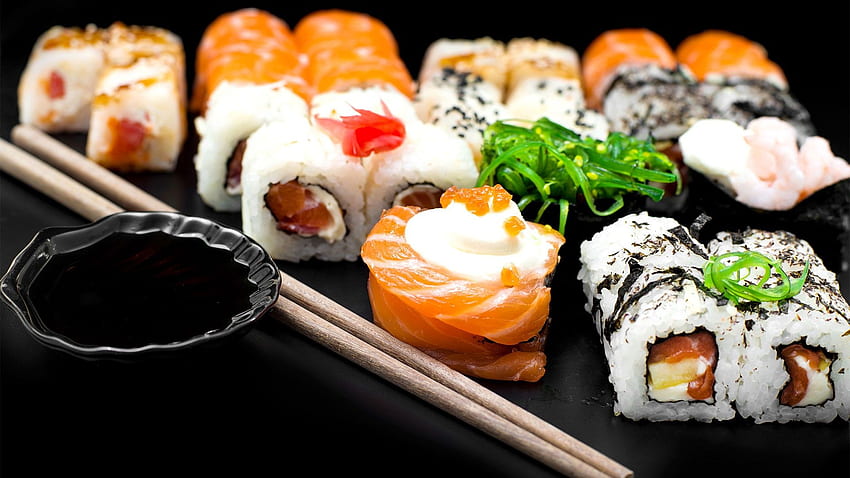
- Nigiri Presentation: For nigiri, the fish should be placed neatly on top of the rice with a small dab of wasabi between the fish and the rice. The pieces should be visually appealing, with colors and textures that create a harmonious plate.
- Sashimi Presentation: Sashimi, or thin slices of raw fish served without rice, is often arranged in an artistic fashion, with the fish fanned out elegantly on a plate and accompanied by garnishes like shiso leaves or daikon radish.
- Use of Garnishes: Sushi is often served with accompaniments like pickled ginger, which cleanses the palate, and wasabi, a spicy green paste that adds heat and complexity.
3. The Techniques Behind Making Sushi
3.1 Preparing the Fish: Filleting and Slicing
A professional sushi chef must master the delicate techniques of filleting and slicing fish to the ideal thickness for sushi.
- Filleting: The fish must be carefully deboned and filleted. A skilled chef knows how to remove the skin, leaving only the best parts of the fish for sushi.
- Slicing: Fish for sushi is typically cut into thin slices, and the angle of the cut is crucial. The tuna is often cut into diagonal slices, while salmon may be sliced into thin, rounded pieces. The aim is to highlight the texture of the fish, ensuring it melts in the mouth.
3.2 Hand-Pressing the Rice: Making Nigiri
The process of making nigiri sushi involves pressing the rice with your hands to create small mounds that can hold the fish. The rice must be sticky enough to stay together but not so sticky that it clumps excessively.
- Rice Preparation: The chef must use moist hands to prevent the rice from sticking. The rice should be gently pressed, not compressed, to maintain its delicate texture.
- Topping the Nigiri: A thin slice of fish is placed atop the rice, and a small dab of wasabi is applied between the rice and the fish to bring out the flavors.
3.3 Rolling Sushi: The Maki Technique
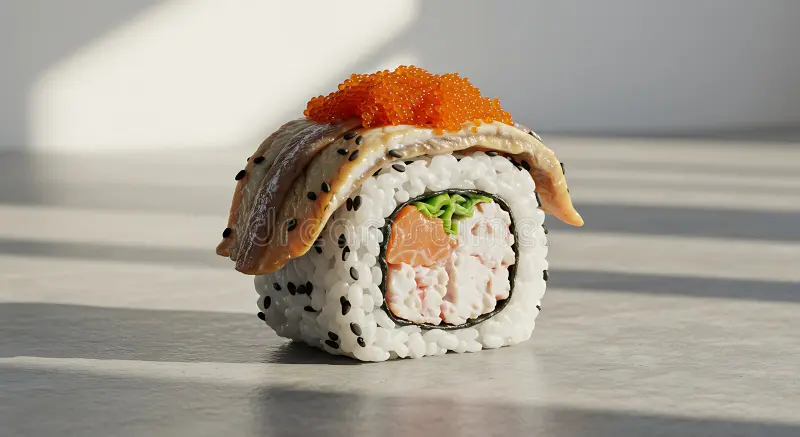
Maki rolls are another popular form of sushi, where fish and other ingredients are wrapped in seaweed (nori) and rice, then sliced into bite-sized pieces. The chef uses a bamboo mat called a makisu to tightly roll the sushi.
- Inside-Out Rolls: The rice is placed on the outside of the seaweed in this technique, which creates rolls like the California roll. It requires an adept hand to ensure that the rice sticks to the seaweed and does not spill out.
- Traditional Rolls: The traditional maki roll uses seaweed on the outside, with the fish, vegetables, and rice inside. Rolls like tekka maki (tuna roll) or kappa maki (cucumber roll) are popular choices.
4. Sushi Etiquette: The Culture Behind Sushi
4.1 Sushi Dining Etiquette
Sushi is not only a culinary experience but also a social one. There are specific etiquettes when dining in a sushi restaurant, particularly in Japan.
- Chopsticks and Hands: It is acceptable to eat sushi with your hands, especially nigiri, but chopsticks are typically used for maki rolls and sashimi.
- Soy Sauce Dipping: When using soy sauce, it’s important to dip the fish side of the sushi, not the rice side, to avoid overpowering the delicate rice with too much soy sauce.
- Eating Sequence: Sushi is often eaten in order of lightest to heaviest flavors. For example, white fish (like flounder) is eaten first, followed by fattier fish like salmon and tuna.
4.2 Sushi Etiquette in Japan
In Japan, dining in a sushi restaurant (particularly at a traditional sushi bar) involves following proper customs. For example, chefs may often prepare sushi for you piece by piece, and it’s respectful to eat each piece immediately after it’s served.
- Respecting the Chef: If you’re eating at a sushi bar, it’s considered polite to wait for the chef’s suggestion of what to eat next, rather than asking for a specific piece of fish.
Conclusion
The art of making sushi goes far beyond its preparation; it is a deep-rooted tradition that reflects the Japanese ethos of precision, respect for ingredients, and the pursuit of perfection. Every piece of sushi tells a story—whether it’s the history of sushi itself, the craftsmanship of the sushi chef, or the fresh ingredients that come together in perfect harmony.
Sushi’s appeal lies not only in its flavors but in its ability to bring people together to share a meal in the most mindful and respectful way. Understanding the techniques, ingredients, and cultural nuances behind sushi will enrich your experience and deepen your appreciation of this remarkable culinary art.