






Introduction
Spices have long been the heartbeat of Middle Eastern and North African (MENA) cuisine, shaping flavors, culinary traditions, and even the course of history. From the vibrant markets of Marrakech to the aromatic kitchens of Beirut, the region’s spices tell stories of ancient trade routes, cultural exchanges, and regional identities. This article delves into the rich tapestry of MENA spices, exploring their historical origins, culinary applications, medicinal properties, and symbolic meanings. We will journey from Morocco in the west to Lebanon in the east, uncovering the sensory and cultural landscapes that make this region’s gastronomy truly unique.
1. Historical Significance of Spices in MENA
1.1 Ancient Trade Routes
- The Middle East and North Africa were central to the Silk Road and spice trade that connected Asia, Europe, and Africa.
- Traders transported cinnamon, saffron, black pepper, and cloves across deserts and seas, making spices both culinary treasures and economic commodities.
- Ports like Alexandria and Beirut became hubs where spices were exchanged for gold, textiles, and other goods.
1.2 Cultural and Religious Context
- Spices were not only for taste but also for ritual and medicinal purposes.
- Incense and myrrh were used in religious ceremonies in Egypt and the Levant.
- Aromatic herbs like coriander and cumin were integral in daily cooking, festivals, and medicinal remedies.
2. Moroccan Spice Traditions
2.1 Iconic Spices
- Ras el Hanout: A complex blend of up to 30 spices, including cardamom, cinnamon, cloves, and nutmeg; used in tagines and couscous.
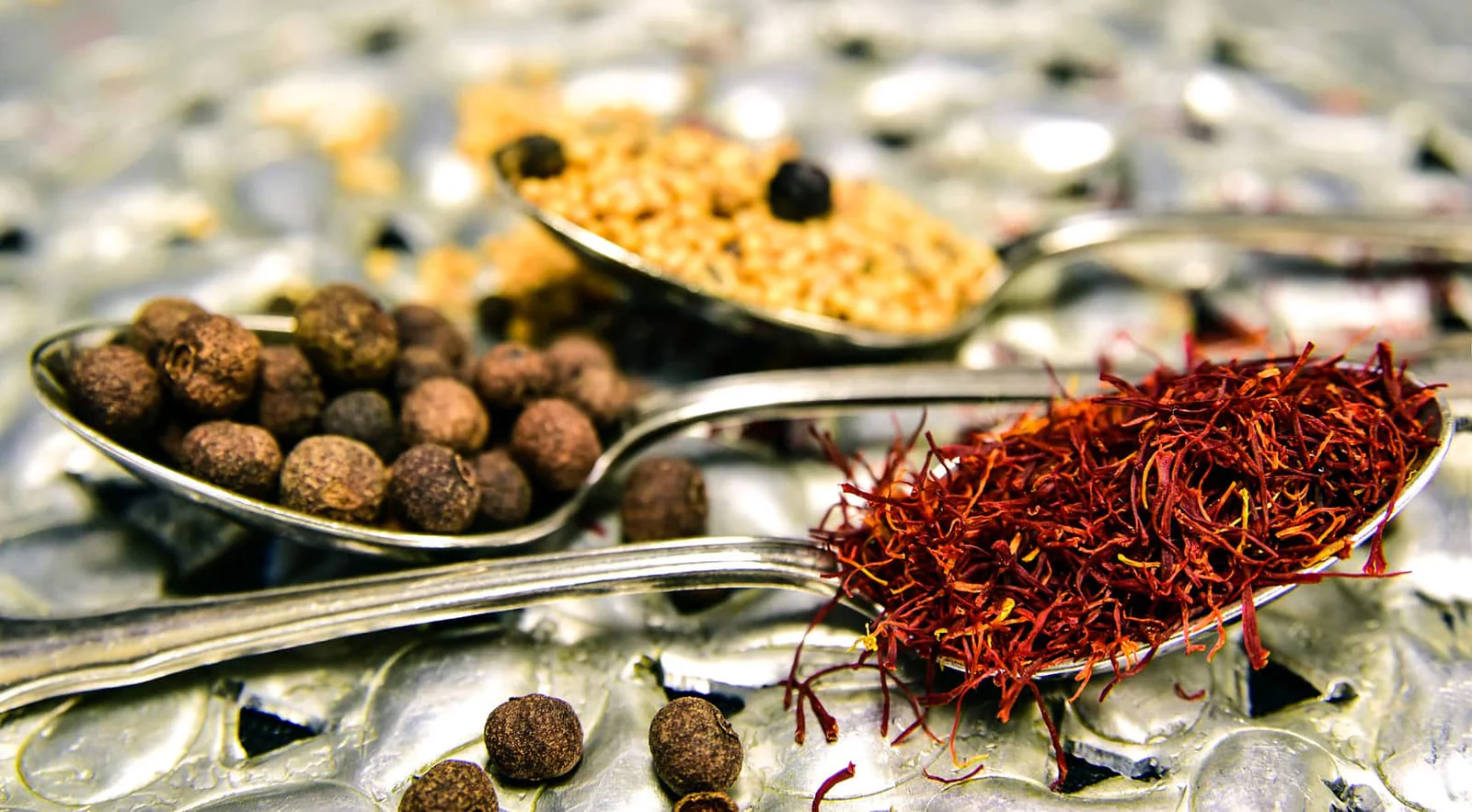
- Saffron: Grown in Taliouine, Morocco; prized for its vibrant color and earthy flavor.
- Paprika and Cayenne: Provide warmth and depth to harira soups and grilled meats.
- Cumin: Essential for flavoring meat, legumes, and stews.
2.2 Culinary Applications
- Tagines: Slow-cooked stews with meat, vegetables, dried fruits, and rich spice blends.
- Couscous: Steamed semolina grains often infused with spices, vegetables, and meats.
- Harira: Traditional soup for Ramadan; flavored with cinnamon, ginger, and saffron.
2.3 Cultural Significance
- Moroccan spice blends reflect local terroir, tribal traditions, and centuries of cultural intermingling.
- Spices symbolize hospitality, warmth, and culinary artistry; offering mint tea with cardamom and sugar is a gesture of welcome.
3. Algerian and Tunisian Spice Practices
3.1 Algeria
- Harissa: Chili paste with garlic, caraway, and coriander; essential in stews, couscous, and grilled meats.
- Caraway and Paprika: Often used in savory pastries and bread.
- Rose Water: Incorporated in desserts and ceremonial dishes.
3.2 Tunisia
- Tabil: A mix of coriander, caraway, garlic, and chili; reflects local flavor profiles.
- Cumin and Turmeric: Popular in couscous, brik (savory pastry), and grilled fish.
- Fenugreek: Adds nutty and slightly bitter notes to traditional recipes.
3.3 North African Markets
- Spices are sold in colorful souks, displayed in pyramids, sacks, and glass jars.
- Market culture includes tasting, bargaining, and learning from local vendors about spice origins and uses.
4. Egyptian Spice Heritage
4.1 Traditional Spices
- Dukkah: Nut and spice blend of sesame, coriander, cumin, and hazelnuts; used as a dip for bread with olive oil.
- Coriander and Cumin: Integral in meat dishes, falafel, and lentil soups.
- Allspice and Nutmeg: Flavor savory stews and sweets during festive occasions.
4.2 Culinary Context
- Koshari: National dish, flavored with cumin, garlic, and coriander for layered depth.
- Ful Medames: Fava bean dish seasoned with cumin and chili; a breakfast staple.
- Molokhia: Leafy green stew flavored with garlic, coriander, and sometimes chili.
5. Levantine Spice Culture: Lebanon, Syria, and Jordan
5.1 Lebanese Spices
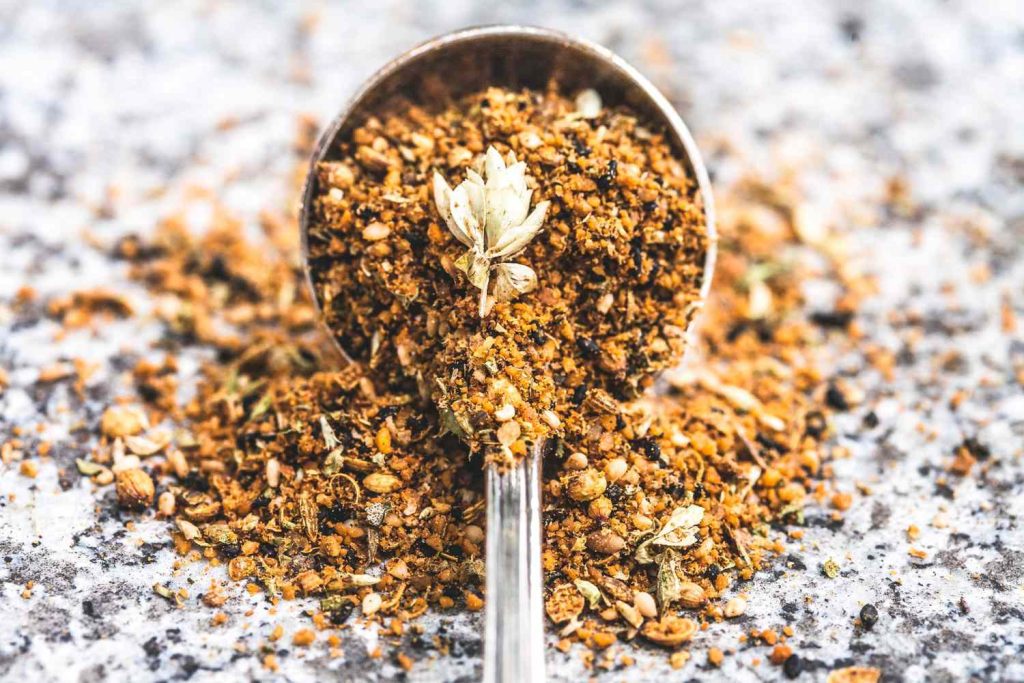
- Za’atar: Thyme, sesame seeds, sumac, and salt; spread on bread, sprinkled on meats, or mixed with olive oil.
- Sumac: Adds citrusy tang to salads, kebabs, and grains.
- Allspice: Essential in kibbeh, stews, and rice dishes.
5.2 Syrian Practices
- Baharat: A spice blend including black pepper, paprika, cloves, coriander, and nutmeg; used in meat and rice dishes.
- Cardamom and Cinnamon: Common in sweets like baklava and ma’amoul.
5.3 Jordanian Traditions
- Dried Herbs: Mint, thyme, and sage are widely used in tabbouleh, mansaf, and soups.
- Spice Balancing: Jordanian cuisine often balances warmth (cinnamon, allspice) with acidity (sumac, lemon).
5.4 Culinary Applications
- Levantine spice usage emphasizes balance and harmony between sweet, sour, savory, and bitter flavors.
- Herbs are used fresh or dried, often finishing dishes to preserve aroma.
6. Iconic Middle Eastern and North African Dishes Highlighting Spices
6.1 Moroccan Tagines and Couscous
- Spice Layering: Ras el Hanout, cinnamon, saffron, and paprika create multi-dimensional flavors.
- Sweet and Savory Integration: Dried fruits like apricots, dates, and prunes are spiced to complement meats.
6.2 Lebanese Mezze
- Spiced Hummus: Cumin and paprika enhance chickpeas.
- Kibbeh: Allspice, cinnamon, and nutmeg in meat and bulgur patties.
6.3 Tunisian Harissa Dishes
- Spicy stews, grilled meats, and couscous are flavored with chili, garlic, and coriander.
6.4 Egyptian Koshari and Ful
- Lentils, rice, chickpeas, and tomato sauce spiced with cumin and garlic create comfort flavors.
7. Medicinal and Symbolic Roles of Spices
7.1 Health Benefits
- Cinnamon: Supports digestion and circulation.
- Turmeric: Anti-inflammatory and antioxidant properties.
- Cardamom: Promotes oral health and digestion.
- Cloves and Nutmeg: Used in traditional remedies for respiratory and digestive issues.
7.2 Symbolic Meaning
- Spices denote hospitality, wealth, and celebration.
- Saffron, the “red gold,” symbolizes luxury and ceremonial significance.
- Za’atar and mint are linked to cultural identity and daily rituals.
8. Modern Adaptations and Global Influence
8.1 Contemporary Moroccan Cuisine
- Fusion dishes combine traditional spices with international techniques.
- Modern tagines may incorporate non-native ingredients while preserving spice authenticity.
8.2 Lebanese Culinary Renaissance
- Young chefs globally popularize Lebanese flavors, emphasizing za’atar, sumac, and fresh herbs.
- Levantine mezze is adapted into modern plating styles and fine dining menus.
8.3 North African-Spiced Desserts
- Moroccan-Spiced Pastries: Cinnamon, nutmeg, and orange blossom in almond cookies.
- Tunisian-Saffron Cakes: Combining local flavors with Mediterranean ingredients.
8.4 Global Influence
- Middle Eastern and North African spices inspire fusion dishes worldwide:
- Ras el Hanout-marinated lamb in Europe and North America
- Za’atar flatbreads in gourmet bakeries
- Harissa-infused sauces in modern culinary contexts
9. Challenges and Preservation
- Authentic spice cultivation is threatened by climate change and urbanization.
- Globalization risks standardizing flavors, potentially diluting traditional spice blends.
- Culinary education and market preservation are essential for maintaining spice heritage.
10. Experiencing the Spice Journey: Travel and Tourism
- Visiting Marrakech, Fez, Alexandria, and Beirut provides sensory immersion.
- Souks offer lessons in spice identification, blending, and usage.
- Culinary tours and cooking classes allow hands-on experience with traditional spice techniques.
11. Conclusion
The spices of the Middle East and North Africa are more than flavoring agents—they are the essence of culture, history, and identity. From Morocco’s aromatic ras el hanout to Lebanon’s tangy za’atar, these spices connect generations, sustain traditions, and define regional cuisines. Their journey across deserts, mountains, and seas tells stories of trade, migration, and cultural fusion.
Exploring MENA spices offers not only culinary delight but also a deeper understanding of the people, history, and landscapes that have shaped this region. As modern chefs and home cooks continue to embrace and innovate with these ingredients, the legacy of Middle Eastern and North African spices remains vibrant, dynamic, and globally influential.