





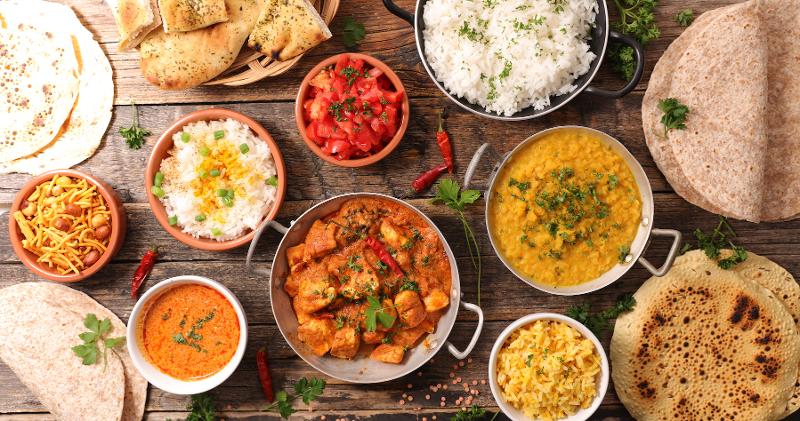

Introduction: Food as a Mirror of Social Change
Food is far more than a source of nourishment; it is a powerful social indicator that reflects how societies evolve over time. Across history, changes in what people eat, how food is produced, and how meals are shared have closely followed transformations in economics, technology, politics, culture, and social structure. From ancient agricultural revolutions to modern globalization, cuisine has both shaped and been shaped by social change.
Global cuisine today represents centuries of interaction between civilizations. Ingredients cross borders, cooking techniques migrate with people, and eating habits adapt to new lifestyles. As societies modernize, industrialize, urbanize, and digitize, food cultures transform accordingly. This essay explores the relationship between global cuisine and social transformation, examining how shifts in human society are recorded, expressed, and sometimes driven by changes in food systems and culinary practices.
I. Food and Early Social Structures
1. From Survival to Social Organization
In early human societies, food production and distribution determined social organization. Hunter-gatherer communities relied on cooperation and shared access to food, fostering relatively egalitarian social structures. The ability to obtain food directly influenced group survival, mobility, and social cohesion.
With the advent of agriculture, food surplus became possible. This surplus supported population growth and the emergence of permanent settlements, which in turn led to social stratification. Control over land and food resources often translated into political power, marking one of the earliest links between cuisine and social hierarchy.
2. Communal Eating and Collective Identity
Shared meals played a central role in forming collective identity. Ritual feasts, seasonal celebrations, and communal cooking reinforced social bonds and cultural values. Food became a symbol of belonging, defining who was part of the group and who was not.
II. Agriculture, Civilization, and Culinary Diversity
1. The Agricultural Revolution and Social Change
The Agricultural Revolution reshaped human society by anchoring people to specific territories. Diets became increasingly dependent on staple crops such as wheat, rice, and maize. These staples formed the basis of regional cuisines and influenced daily routines, labor systems, and trade.
Agricultural societies developed food-related traditions tied to planting and harvest cycles. Religious festivals and social calendars often revolved around food production, demonstrating how cuisine structured social life.
2. Regional Food Cultures and Environmental Adaptation
As civilizations developed in different environments, regional cuisines emerged in response to climate and geography. These differences reinforced cultural diversity and local identity. Food became a marker of place, distinguishing one community from another while reflecting shared environmental challenges.
III. Trade, Migration, and the Globalization of Food
1. Ancient Trade Routes and Cultural Exchange
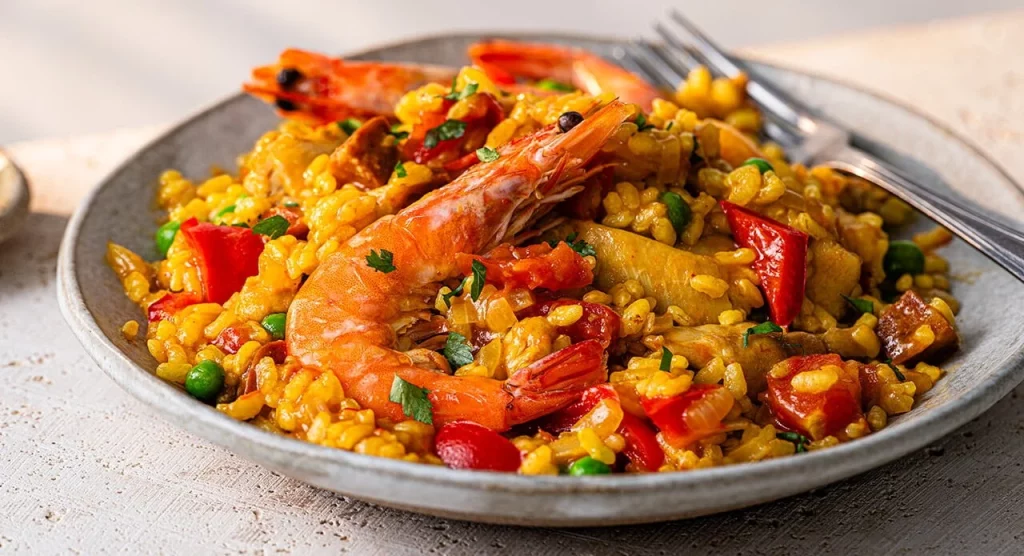
Trade routes such as the Silk Road facilitated the exchange of food ingredients, cooking techniques, and culinary ideas. Spices, grains, and preserved foods traveled across continents, altering local diets and social practices.
These exchanges did more than diversify flavors; they introduced new social habits, such as tea drinking or the use of spices in medicine and ritual. Cuisine thus became a vehicle for cultural interaction and mutual influence.
2. Migration and Culinary Adaptation
Human migration has consistently reshaped food cultures. Migrants bring culinary knowledge from their homelands and adapt it to new environments, creating hybrid cuisines. These food traditions help migrant communities preserve identity while integrating into new societies.
Such culinary adaptation reflects broader social processes of inclusion, exclusion, and negotiation within multicultural societies.
IV. Food, Power, and Social Inequality
1. Cuisine and Class Distinction
Throughout history, food has been a visible marker of social class. Access to certain ingredients, preparation methods, and dining spaces often reflected economic status. Elaborate meals and rare foods signaled wealth and power, while simpler diets characterized lower social classes.
Even today, food choices can reflect social inequality, with access to fresh, nutritious foods varying significantly across regions and communities.
2. Colonialism and Global Food Systems
Colonial expansion dramatically altered global food systems. Crops, labor, and culinary practices were redistributed across continents, often through exploitative systems. While colonialism introduced new ingredients and cuisines, it also created long-lasting inequalities in food production and access.
Understanding global cuisine requires acknowledging these historical power dynamics and their impact on contemporary food systems.
V. Industrialization and the Transformation of Eating Habits
1. Technological Innovation and Mass Food Production
The Industrial Revolution transformed how food was produced, processed, and distributed. Mechanization increased efficiency and availability, while preservation technologies extended shelf life. Urban populations grew rapidly, and food systems adapted to meet the needs of city life.
Convenience foods and standardized products became common, altering traditional cooking practices and meal structures.
2. Changing Family and Work Patterns
Industrialization also reshaped social life. As work moved outside the home, family meals became less frequent and more time-constrained. Eating shifted from a communal activity to a functional necessity in many contexts.
These changes reflect broader social transformations, including shifts in gender roles, labor patterns, and urban living.
VI. Urbanization and Street Food Culture
1. Cities as Culinary Laboratories
Urbanization created spaces where diverse food cultures intersected. Cities became centers of culinary innovation, blending traditional recipes with new influences. Street food emerged as an affordable and accessible option for urban populations, reflecting the pace and diversity of city life.
Street food culture highlights how cuisine adapts to economic realities and social needs, offering insight into everyday life in urban environments.
2. Informal Economies and Social Connection
Street food also supports informal economies and social interaction. Vendors often represent marginalized communities, and their food provides a sense of familiarity and belonging in rapidly changing urban landscapes.
VII. Globalization and the Modern Food Landscape
1. The Worldwide Circulation of Cuisine
In the contemporary world, globalization has accelerated the spread of cuisines across borders. Restaurants, media, and digital platforms introduce global audiences to diverse food traditions. As a result, global cuisine has become increasingly interconnected.
This interconnectedness encourages cultural curiosity but also raises concerns about homogenization and loss of local identity.
2. Fusion Cuisine and Cultural Expression
Fusion cuisine reflects modern social identities shaped by mobility and diversity. By blending ingredients and techniques from different traditions, fusion food expresses creativity and adaptation. It symbolizes how cultures evolve rather than remain static.
VIII. Food, Identity, and Cultural Memory
1. Cuisine as a Marker of Identity
Food plays a crucial role in shaping personal and collective identity. Traditional dishes connect individuals to family, region, and heritage. In times of social change, food often becomes a source of stability and continuity.
Culinary traditions serve as living archives, preserving historical experiences and shared values.
2. Memory, Emotion, and Belonging
The emotional power of food lies in its ability to evoke memory. Taste and smell can recall moments of childhood, migration, or celebration. These sensory connections strengthen cultural belonging, especially in diasporic communities.
IX. Health, Ethics, and Contemporary Social Change
1. Nutrition and Public Health
Modern societies increasingly recognize the relationship between food and public health. Industrial diets have contributed to health challenges, prompting renewed interest in traditional and balanced eating patterns.
Food policy and education now play important roles in shaping healthier societies, reflecting evolving social priorities.
2. Sustainability and Environmental Awareness
Climate change and environmental degradation have brought sustainability to the forefront of global food discourse. Movements promoting local sourcing, plant-based diets, and reduced waste reflect changing social values and ethical concerns.
These trends demonstrate how cuisine continues to evolve in response to social and environmental pressures.
X. Digital Media and the Transformation of Food Culture
1. Technology and Culinary Communication
Digital platforms have transformed how people learn about, prepare, and share food. Recipes, cooking videos, and food photography circulate globally, influencing tastes and expectations.
This digital exchange democratizes culinary knowledge while also shaping global food trends.
2. Representation and Cultural Responsibility
As food culture becomes more visible online, questions of representation and cultural respect gain importance. How cuisines are portrayed can influence perceptions of entire cultures, making responsible storytelling essential.
XI. The Future of Global Cuisine and Society
1. Adaptation in a Changing World
Global cuisine will continue to evolve alongside social change. Migration, technology, and environmental challenges will reshape how food is produced and consumed. Traditional practices may be reinterpreted, but their underlying values can still guide future innovation.
2. Food as a Tool for Social Connection
Despite change, food remains a universal human experience. Shared meals, culinary exchange, and food-based dialogue can foster understanding in diverse societies. Cuisine has the potential to bridge social divides and promote empathy.
Conclusion: Understanding Society Through Food
Global cuisine is a living reflection of social transformation. From ancient agricultural societies to modern globalized cities, changes in food reveal shifts in power, identity, technology, and values. Cuisine records human history not in written texts, but in daily practices and shared experiences.
By examining the relationship between global food and social change, we gain insight into how societies adapt, interact, and express themselves. Food teaches us that culture is not static; it evolves with people’s needs, challenges, and aspirations.
In a world marked by rapid change, understanding cuisine as a social phenomenon encourages greater respect for cultural diversity and a deeper awareness of our shared humanity. Through food, we can better understand where we have come from—and imagine how we might move forward together.