





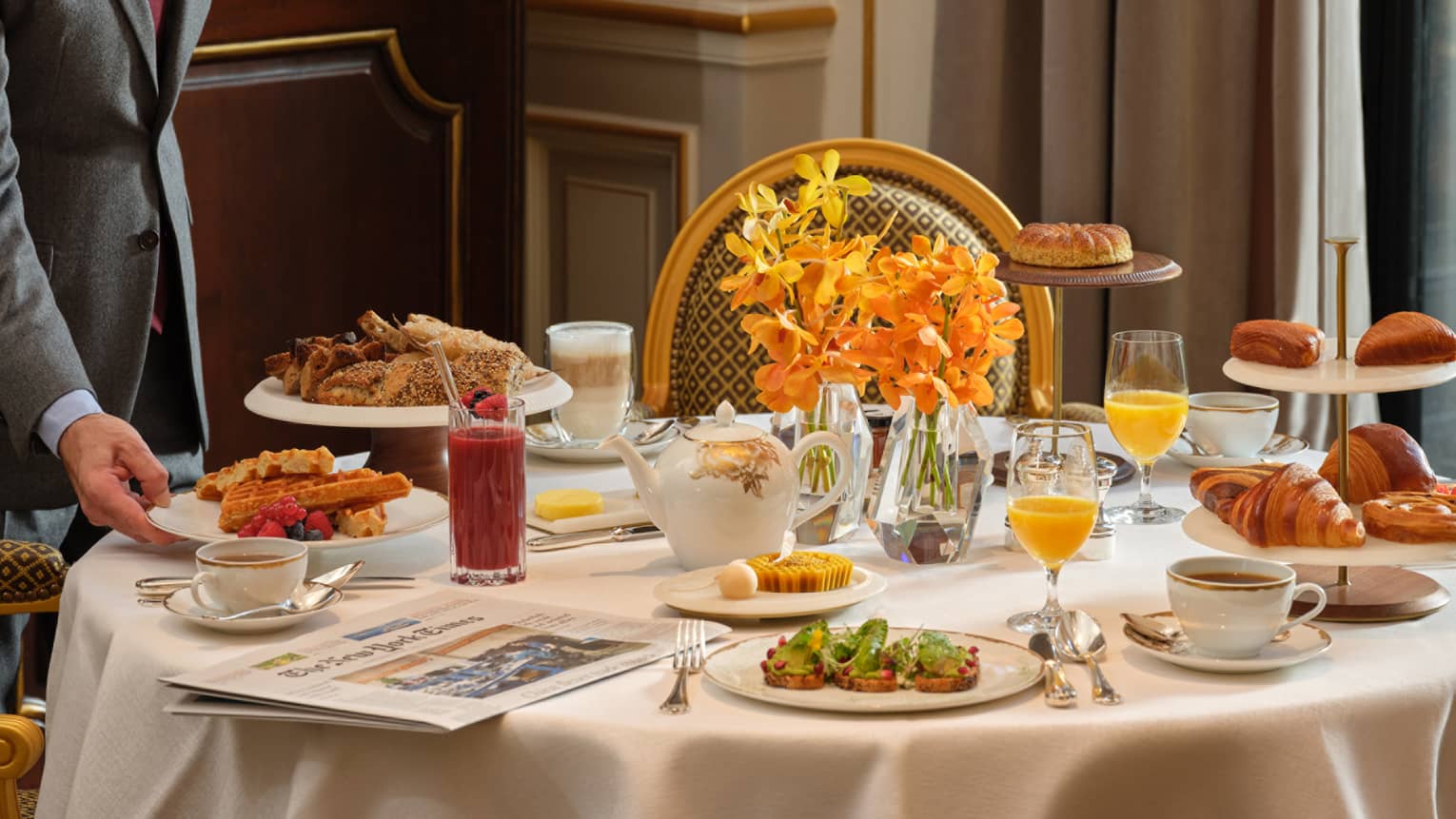

French cuisine holds a revered place in the global culinary landscape — not just for its exquisite flavors but for its deep cultural roots, regional diversity, and centuries‑old traditions. Among the many expressions of French gastronomy, two contrasting but equally compelling worlds stand out: the refined, structured elegance of Parisian French restaurants and the rustic, seasonal charm of Provençal country eateries. These two culinary spheres showcase how geography, history, social customs, climate, and ingredients converge to create distinct regional identities that are as flavorful as they are meaningful.
In this article, we’ll explore:
- The historical evolution of French cuisine
- Cultural contexts of Paris and Provence
- Core ingredients and flavor profiles of each region
- Signature techniques and dishes
- Dining philosophies and aesthetics
- Menu structure and service culture
- The role of terroir and seasonality
- Wine, beverage pairings, and regional expressions
- Professional insights from chefs and culinary practitioners
- How these traditions influence contemporary gastronomy
This professional, richly detailed, and finely structured article is designed to give you a deep understanding of how these two culinary worlds — one urban and formal, the other rural and relaxed — reflect broader themes of French taste, culture, and identity.
1. Introduction: The Diversity of French Gastronomy
French cuisine is not monolithic. It is a mosaic of regional traditions, each shaped by local produce, historical contact with other cultures, climatic conditions, and social practices. UNESCO recognized French gastronomy in 2010 as an intangible cultural heritage of humanity, not only for its technique but for its social role in celebration and togetherness.
Within this gastronomic tapestry, Parisian restaurants represent haute cuisine — precision, innovation, and a deep respect for classical technique. Meanwhile, Provençal country eateries express a more rustic, ingredient‑driven approach rooted in Mediterranean influences and agrarian rhythms.
Though both share a French heritage, their culinary languages differ — like dialects within the same language.
2. Historical Context and Cultural Foundations
2.1 French Cuisine: A Historical Overview
French cuisine evolved over centuries, shaped by:
- Medieval feasts and royal kitchens
- Renaissance refinement under Catherine de’ Medici
- 17th–18th century codification of techniques
- Escoffier’s modernization in the 19th–20th century
- Nouvelle cuisine in the 1960s–70s
- Contemporary fusion and reinterpretation today
The tradition of grande cuisine — elaborate, technique‑driven, and service‑oriented — found a natural home in Paris, the capital and cultural hub of France.
Provence, on the other hand, developed a cuisine shaped by its Mediterranean climate, olive groves, herb gardens, and proximity to the sea — favoring freshness, simplicity, and seasonality over formality.
2.2 Paris: The Urban Epicenter of French Haute Cuisine
Paris has long been associated with:
- Royal and aristocratic dining
- The birth of restaurant culture (late 18th century)
- Culinary innovation and codification
- Culinary schools and guilds that standardized technique
Legendary institutions such as La Tour d’Argent, Maxim’s, and the Michelin‑starred temples of gastronomy positioned Paris as a global capital of fine dining.
2.3 Provence: A Region Steeped in Sun, Soil, and Simplicity
The region of Provence — encompassing Avignon, Aix‑en‑Provence, Marseille, and the hinterlands — draws on:
- Olive oil as a primary cooking fat
- Fresh herbs (herbes de Provence)
- Vegetables, tomatoes, garlic, and peppers
- Seafood and market‑fresh fish
- Rustic breads and regional cheeses
Provençal cuisine is tied to terroir — the idea that taste derives from soil, climate, and tradition — and embraces rustic conviviality over ceremony.
3. Core Ingredients and Flavor Profiles
3.1 Parisian Fine Dining: Precision and Balance
Parisian haute cuisine draws on premium ingredients, often sourced from across France:
- Butter and cream from Normandy or Brittany
- Foie gras from Southwest France
- Truffles from Périgord or Provence
- Game birds in season
- Seafood from the Atlantic or English Channel
- Herbs and stocks crafted with technical precision
The Parisian approach focuses on harmony and refinement — balancing richness with acidity, texture with temperature, and tradition with innovation.
3.2 Provençal Pantry: Mediterranean Freshness
In Provence, the flavor palette is shaped by:
- Olive oil as the primary fat
- Tomatoes, garlic, onions
- Lemons and citrus
- Herbes de Provence (thyme, rosemary, oregano, basil)
- Seafood such as sea bass, anchovies, and shellfish
- Market vegetables, peppers, eggplant
- Fresh herbs and aromatics
The Mediterranean climate infuses the cuisine with bright, vibrant flavors — less emphasized on heaviness and more on clarity and freshness.
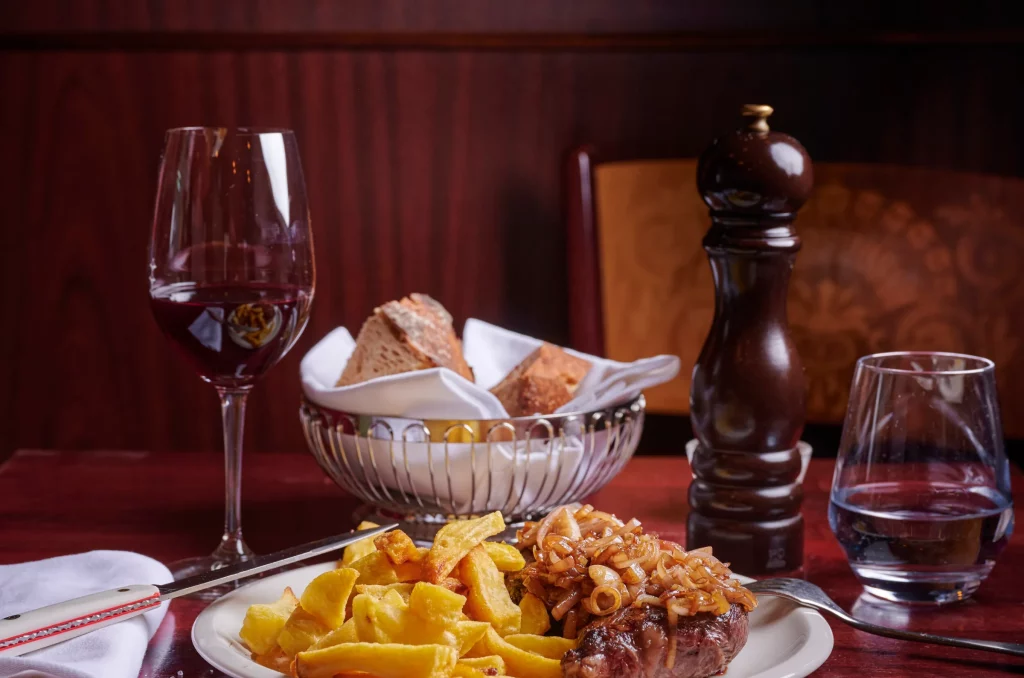
4. Signature Dishes: Paris vs. Provence
4.1 Parisian Classics
Parisian cuisine features dishes that highlight technique and luxury, including:
- Foie Gras with brioche and fruit compotes
- Pâté en Croûte with delicate aspic
- Consommé — clarified broth of surgical clarity
- Tournedos Rossini — beef tenderloin with foie gras and truffle
- Soufflé Grand Marnier — airy, technically demanding dessert
- Macarons — iconic refined pastries
These dishes often involve multi‑stage preparations, reductions, emulsifications, and precision plating.
4.2 Provençal Specialties
Provence’s culinary style prioritizes simplicity and freshness. Signature dishes include:
- Bouillabaisse — the iconic fish stew of Marseille
- Ratatouille — tender braised vegetables
- Salade Niçoise — tuna, olive, anchovy, egg, tomato
- Tapenade — olive‑based spread
- Aioli with seasonal vegetables
- Tarte Tropézienne — light cream‑filled brioche (Saint‑Tropez specialty)
Here, ingredients are often minimally processed, letting freshness shine.
5. Techniques and Culinary Philosophy
5.1 Precision and Technique in Parisian Cuisine
Parisian fine dining is study in culinary engineering, emphasizing:
- Sauce mastery: mother sauces and derivatives
- Reduction and concentration: producing deep flavors
- Clarification: consommés and delicate stocks
- Emulsification: hollandaise, beurre blanc
- Sous‑vide cookery: precise temperature control
- Plating as art: balance, composition, negative space
This technique‑driven approach demands rigorous training and deep respect for classical foundations.
5.2 Simplicity and Expression in Provençal Cooking
In Provence, technique supports but does not overshadow:
- Slow braising: e.g., ratatouille
- Poaching: fish and shellfish
- Grilling: vegetables and meats
- Stewing: bouillabaisse with layered stock
- Cold preparations: salads and marinades
Provençal cooking emphasizes seasonal rhythm, gentle heat, and flavor layering through simplicity.
6. Dining Experience and Aesthetic Presentation
6.1 Parisian Restaurant Culture
In Paris, dining is an event:
- Tasting menus with coordinated courses
- Plated artistry with micro‑garnishes and precision
- Service sequences: amuse‑bouche, palate cleansers, dessert pairings
- Wine pairing programs
- Elegant table settings and curated ambiances
Attention to detail extends beyond food into the overall guest experience.
6.2 Provençal Country Dining
Provençal eateries, by contrast, foster:
- Rustic table settings
- Outdoor shaded terraces
- Family‑style presentations
- Shared platters and convivial service
- Casual pace and relaxed atmosphere
The focus is on community, landscape, and sensory connection with food and place.
7. The Role of Terroir and Seasonality
7.1 Parisian Cuisine and National Diversity
While Parisian restaurants often draw on ingredients from across France, they forge regional syntheses — combining terroirs into a cohesive narrative shaped by sophisticated technique.
Seasonality is honored through:
- Spring vegetables (asperges, artichokes)
- Summer berries and herbs
- Fall mushrooms and game
- Winter root vegetables and slow‑cook preparations
Menus shift with the seasons, but the Paris approach remains centered on culinary refinement.
7.2 Provence’s Intimate Relationship with Land and Sea
Provence’s cuisine is intrinsically tied to:
- Sun‑ripened produce
- Fresh catches from the Mediterranean
- Olives and aromatic herbs
- Fruit harvests (figs, apricots, citrus)
This intimate terroir relationship creates a cuisine that reflects the landscape on the plate, offering purity and authenticity of flavor.
8. Wine, Pairings, and Beverage Culture
8.1 Parisian Pairings
Parisian fine dining features curated wine lists:
- Burgundy Pinot Noir
- Bordeaux Cabernet blends
- Champagne for accents and celebration
- Loire whites with seafood
- Sauternes with desserts
Pairings are designed to complement technique and flavor intensity — from rich reductions to delicate desserts.
8.2 Provençal Wine Culture
Provence is itself a wine region, known especially for:
- Rosé wines — dry, aromatic, refreshing
- Bandol reds — robust and structured
- Coteaux d’Aix‑en‑Provence whites
In the countryside, meal pacing is often guided by wine progression, with rosé accompanying seafood and salads, and local reds with heartier fare.
9. Professional Perspectives: Chefs, Kitchens, and Technique
9.1 The Parisian Kitchen Brigade
In Parisian restaurants, the kitchen operates with:
- Hierarchical structure (brigade system)
- Stations for sauce, grill, pastry
- Expediter (chef de rang) coordinating service
Precision, timing, and communication are paramount, with every course choreographed for maximum impact.
9.2 The Provençal Kitchen Rhythm
Provençal kitchens are often:
- Less hierarchical
- Market‑driven in daily mise en place
- Responsive to seasonal availability
Chefs in the countryside may source produce in the morning and design dishes for that day — a living connection to the land.
10. Social and Cultural Significance
10.1 Paris: Fine Dining as Cultural Statement
Parisian French restaurants express:
- Culinary prestige
- Cultural capital and innovation
- Artistic expression through food
They are often places of celebration, ceremony, and haute gastronomy.
10.2 Provence: Culinary Ritual and Community
In Provence, food is:
- A daily ritual
- A shared pleasure among family and neighbors
- A reflection of seasons and work cycles
Meals — especially in country restaurants — embody conviviality and grounded experience.
11. Contemporary Innovations and Global Influence
11.1 Parisian Innovation
Paris continues to lead with:
- Fusion techniques
- Molecular gastronomy refinements
- Reinterpretations of classic sauces and dishes
- Cross‑cultural inspiration
Chefs such as Alain Ducasse and Pierre Gagnaire have shaped world gastronomy from Parisian kitchens.
11.2 Provençal Inspiration Worldwide
Provençal influence is seen in:
- Mediterranean diet trends
- Olive oil and herb‑driven cooking
- Market‑driven seasonal menus
- Easy, ingredient‑forward fare in global bistros
Chefs around the world replicate aioli, ratatouille, bouillabaisse, and herbes de Provence as signatures of approachable sophistication.
12. Education, Preservation, and Cultural Heritage
France invests in preserving its culinary heritage through:
- Culinary schools (Le Cordon Bleu, Institut Paul Bocuse)
- Appellations and geographic protections
- Festivals and food events
- Documentation of traditional recipes
Both Parisian and Provençal traditions are studied, preserved, and celebrated as living cultural treasures.
13. Sustainability and Local Sourcing
13.1 Parisian Commitment
Many Parisian restaurants champion:
- Local farms and ethical sourcing
- Organic and regenerative agriculture
- Responsible seafood sourcing
- Carbon‑neutral kitchen practices
Fine dining increasingly aligns with ecological responsibility.
13.2 Provence’s Natural Advantage
Provence boasts:
- Mediterranean biodiversity
- Artisan producers
- Small‑scale olive and herb cultivation
- Sustainable fishing communities
The culture of Provence naturally aligns with sustainable and seasonal eating.
14. Conclusion: Two Expressions of French Flavor
Parisian French restaurants and Provençal country eateries showcase two ends of a culinary spectrum — one refined, technique‑driven, and cosmopolitan; the other rustic, seasonal, and rooted firmly in place. Both, however, are united by:
- Dedication to ingredient quality
- Respect for tradition and innovation
- Culinary storytelling
- Celebration of shared meals
Paris represents culinary artistry and elegance, while Provence embodies rustic authenticity and sensory immediacy. Together, they illustrate that French cuisine is not a single style but a rich, diverse conversation — one that continues to influence chefs and delight diners worldwide.
Whether you dine under crystal chandeliers in Paris or beneath shaded olive trees in Provence, you are participating in a tradition that celebrates taste, culture, heritage, and human connection through food.