






Italian pasta is more than food — it is a living cultural heritage that threads through daily life, history, geography, art, and community. From the golden strands of spaghetti in the south to the broad ribbons of tagliatelle in the north, from rustic country kitchens to Michelin‑starred tables, pasta embodies the spirit of Italy: simple ingredients, masterful techniques, passionate people, and an unyielding respect for tradition.
This article explores Italian pasta culture in depth — its origins, history, regional diversity, culinary science, social role, modern innovation, global influence, and professional techniques. Through this lens, pasta reveals not just its delicious forms but the values, identity, and evolution of Italian society.
1. Pasta: The Heart of Italian Culinary Identity
1.1 What Is Pasta?
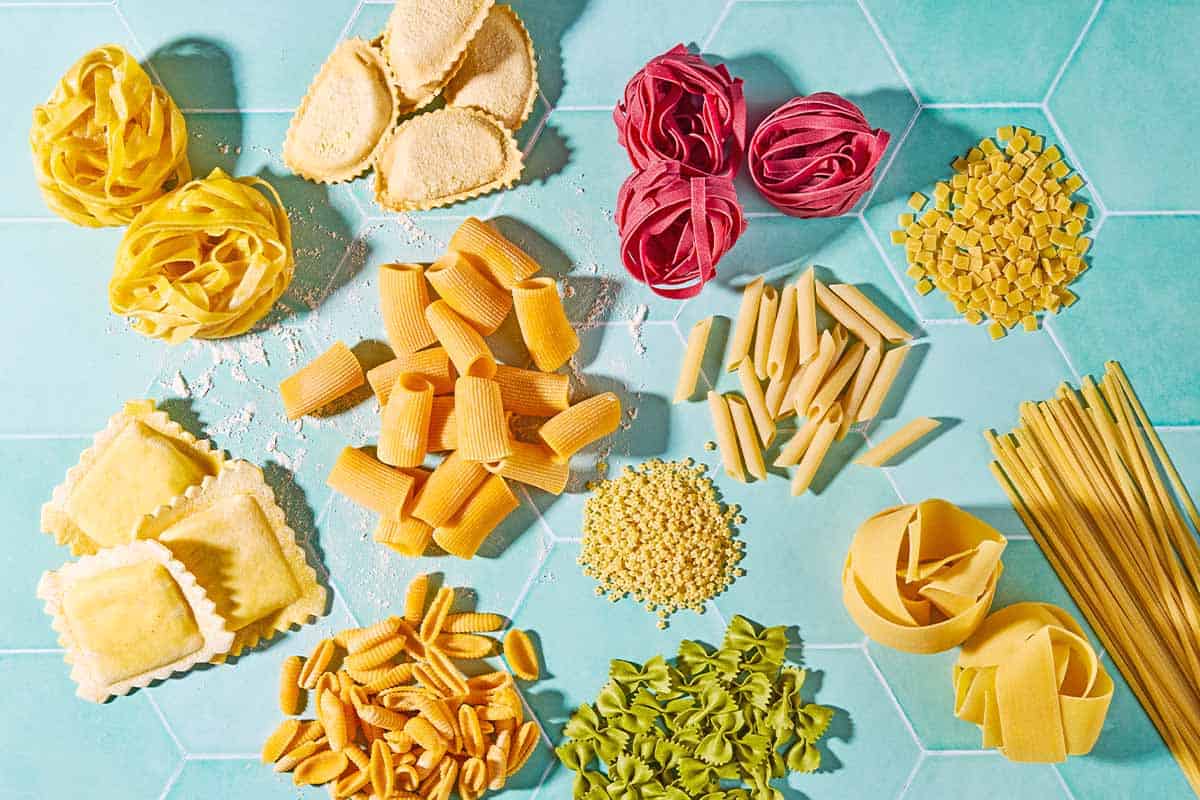
At its essence, pasta is a product of flour and water — sometimes enriched with eggs — transformed through skilled handling into an astonishing variety of shapes and textures. Unlike bread, pasta is cooked, not baked, and its diversity is unrivaled:
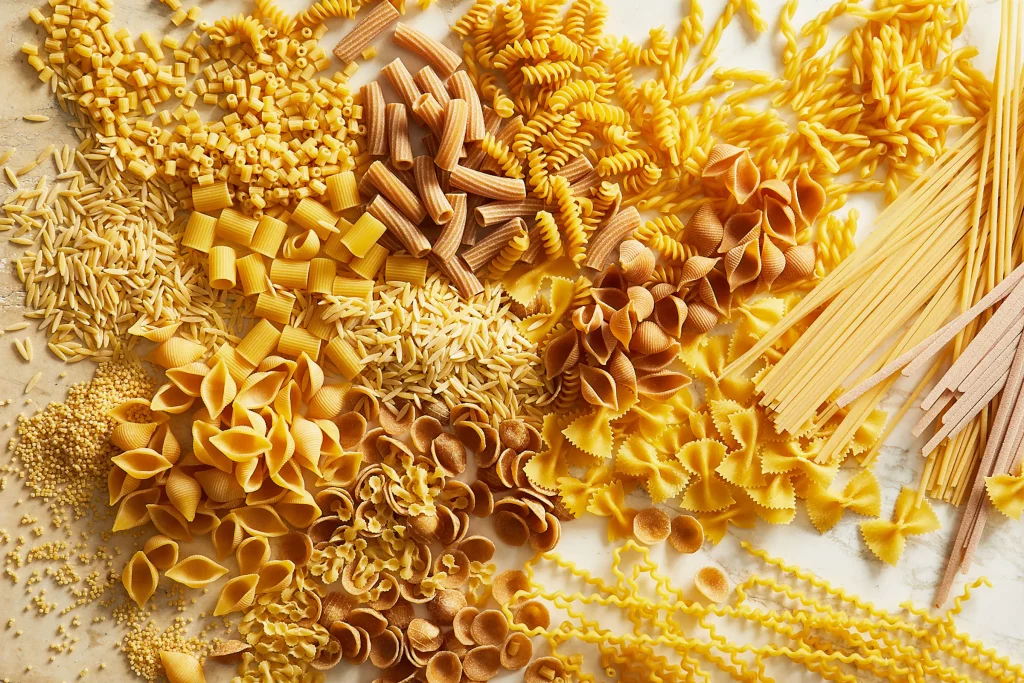
- Long pasta: spaghetti, linguine, bucatini
- Short pasta: penne, rigatoni, fusilli
- Flat ribbons: tagliatelle, fettuccine, pappardelle
- Filled pastas: ravioli, tortellini, agnolotti
- Extruded shapes: orecchiette, cavatelli, mezzi paccheri
- Special forms: gnocchi (potato or flour dumplings)
Yet beyond its physical form lies a deeper cultural resonance: pasta is a philosophy of food — ingredient purity, sensorial balance, and communal experience.
1.2 Pasta as a Symbol of Italy
Pasta symbolizes Italy’s:
- Regional diversity — distinct traditions from north to south
- Agricultural heritage — wheat varieties, olive oil, cheese
- Family and community bonds — multi‑generational kitchens
- Respect for simplicity — few ingredients, maximum expression
To Italians, pasta is not fast food — it is cibo vero (true food), crafted with care and enjoyed with intention.
2. Historical Evolution of Pasta
2.1 Early Traces and Mediterranean Connections
The origins of pasta are debated but universally ancient. Cultures across the Mediterranean and Near East had dough products centuries ago. Archaeological and historical records suggest that versions of dried dough were consumed in ancient civilizations — perhaps as early as the Etruscans.
However, the story of pasta as we know it begins to crystallize in medieval and Renaissance Italy.
2.2 Medieval Italy and the Birth of Pasta
By the 12th and 13th centuries, dried pasta appears in Italian records, especially in Sicily and southern Italy. The dry climate of the region made drying feasible — an early form of “portable food” for sailors, traders, and pilgrims.
Gelso di Pasta di Gragnano near Naples became a pasta production hub because of its limestone water and sea breezes that dried pasta perfectly. Gragnano’s pasta — still made today — is legendary for texture and flavor.
2.3 Renaissance and the Spread of Italian Pasta
In the Renaissance, Italian city‑states flourished as centers of art and cuisine. Pasta transitioned from sustenance food to a refined culinary component in trattorie and noble kitchens alike.
By the 17th and 18th centuries, pasta was firmly entrenched across Italy — with regional distinctions becoming sharper and meaningful rather than incidental.
3. Regional Pasta Identities
Pasta culture in Italy is a map of local identity. Geography, climate, agriculture, and history shape how pasta is made, served, and celebrated.
3.1 Northern Italy: Butter, Cream, and Egg‑Based Richness
In the north — from Piemonte through Emilia‑Romagna to Veneto — cuisine tends to be richer due to:
- Cooler climate
- Access to dairy
- Use of eggs in dough
Key regional characteristics:
- Egg pasta dominance: tagliatelle, pappardelle, tortellini
- Ravioli and agnolotti: filled with meat, cheese, or herbs
- Sauce profiles: butter, cream, ragù slow‑cooked meats
- Examples:
- Tagliatelle al Ragù alla Bolognese — slow cooked meat sauce
- Tortellini in Brodo — delicate stuffed pasta in clear broth
- Lasagne alla Bolognese — layered pasta with ragù and béchamel
In Parma, Modena, and Bologna, the pairing of fresh pasta with local prosciutto, Parmigiano‑Reggiano, and rich sauces defines an elegant yet hearty tradition.
3.2 Central Italy: Olive Oil, Tomatoes, Simplicity
In Lazio, Umbria, and Tuscany:
- Olive oil replaces butter as the fat backbone
- Tomatoes — embraced after the 16th century — become central
Classic pairs include:
- Spaghetti alla Carbonara — egg, Pecorino Romano, guanciale
- Amatriciana — tomato, guanciale, Pecorino
- Cacio e Pepe — Pecorino and black pepper
Here, the ethos is ingredient purity and restraint — few components blended to remarkable effect.
3.3 Southern Italy: Durum Wheat, Spices, and Sea Influence
The south — Campania, Calabria, Puglia, Sicily — specializes in:
- Durum wheat semolina: gives firm texture and golden color
- Bold flavors: chili, garlic, anchovy, olives
- Seafood‑centric dishes
Signature plates include:
- Pasta alla Puttanesca — olives, capers, tomatoes
- Spaghetti alle Vongole — clams, white wine, parsley
- Orecchiette con Cime di Rapa — broccoli rabe and garlic
Southern pasta emphasizes contrast and intensity — salt from the sea, spice from chilies, zest from citrus.
4. Pasta Shapes and Their Cultural Logic
Pasta shapes are not arbitrary — they are purposeful. The Italian concept of forma e funzione (form and function) applies: shapes are matched to sauces for optimal texture and flavor delivery.
4.1 Sauce Capture and Mouthfeel
- Tube shapes (penne, rigatoni): trap hearty sauces
- Grooved surfaces (rigate): cling to thicker ragù
- Flat ribbons: embrace creamy emulsions
- Mini shapes (ditalini, anelli): ideal for soups
- Shells (conchiglie): hold chunky vegetables
This logic reveals a deep understanding of how texture interacts with taste — a hallmark of Italian culinary wisdom.
5. Ingredients: The Foundations of Authenticity
Italian pasta is defined by what’s not in it: it uses minimal, high‑quality ingredients:
5.1 Flour and Semolina
- 00 flour: finely milled, ideal for soft, silky dough
- Durum wheat semolina: coarser, higher protein, gives structure and bite
The choice between them reflects regional preferences — north favors egg pasta (00 flour), south favors durum semolina with water.
5.2 Eggs and Water
Egg pasta — common in central and northern regions — yields elasticity and richness. Southern pasta often omits eggs, relying on water and semolina for a firmer bite.
5.3 Salt, Olive Oil, and Extras
- Salt: primarily in boiling water for flavor infusion
- Olive oil: can enrich dough or finish dishes
- Cheese: Parmigiano‑Reggiano, Pecorino Romano — finishing touches
In true Italian fashion, quality over quantity is the guiding principle.
6. Craftsmanship: Techniques of Pasta Making
Pasta making is a blend of science and touch — precision in ingredients, sensitivity in handling. Here are core technical principles:
6.1 Hydration and Dough Development
- Dough must be pliable but not sticky
- Adjust water slowly to achieve proper gluten network
- Knead until smooth — elasticity is key for texture
Resting the dough allows gluten relaxation, improving rollability and preventing shrinkage.
6.2 Rolling, Cutting, and Shaping
Whether by hand or machine, uniform thickness ensures even cooking. Techniques vary:
- Hand rolling: tactile control over texture
- Machine rolling: precision and consistency
- Cutting: knives, cutters, extruders for shape diversity
For filled pastas, sealing is vital — too tight and air pockets rupture in boiling; too loose and filling spills.
6.3 Cooking and Al Dente
The term al dente — “to the tooth” — describes pasta that yields slight resistance when bitten. This isn’t about undercooking; it’s about optimal texture, flavor release, and digestibility.
Professional cooks monitor:
- Water salinity
- Boil vigor
- Timing down to seconds
The result is a perfect balance of tender exterior and structured interior.
7. Classic Pasta Dishes and Their Stories
Each iconic pasta has a narrative — cultural, historical, and technical.
7.1 Spaghetti alla Carbonara
Originating near Rome, Carbonara features:
- Guanciale (cured pork cheek)
- Eggs and Pecorino Romano
- Black pepper
No cream, no garlic — just emulsified fat, cheese, and egg creating a luxurious, silky sauce.
Technique highlight: The temperature of cooked pasta and reserved starchy water emulsifies with egg, producing creaminess without curdling.
7.2 Tagliatelle al Ragù Bolognese
In Bologna, ragù isn’t just sauce — it’s cultural heritage.
- Slow‑cooked soffritto (onion, carrot, celery)
- Ground meats (beef, pork)
- Wine, milk, and tomato
Tagliatelle’s broad surface carries the rich, meaty sauce impeccably.
7.3 Orecchiette con Cime di Rapa
From Puglia, this dish reflects:
- Humble ingredients
- Seasonal greens
- Olive oil’s centrality
Orecchiette (“little ears”) cradle the bitter greens and garlic, creating textural interplay.
8. Social and Cultural Rituals Around Pasta
Pasta is social. Meals center around:
- Family gatherings: Sunday lunches unite generations
- Festivals: regional pasta celebrations (sagre)
- Teaching and apprenticeship: skills passed from elders to youth
In Italy, pasta isn’t hurried — it’s savored. Conversation, wine, and shared dishes reinforce community bonds.
9. Pasta in Italian Society: Beyond the Plate
9.1 Economics and Agriculture
Pasta production binds:
- Wheat farmers
- Millers
- Artisanal and industrial pasta makers
Regions advocate for PDO and PGI protections (Protected Designation of Origin / Protected Geographical Indication), ensuring heritage and quality.
9.2 Pasta and National Identity
Internationally, pasta is identified with:
- Italian lifestyle
- Mediterranean diet
- Joy in shared eating
Pasta’s global popularity has made it both a symbol of Italy and an ambassador of slow food values.
10. Innovation and Contemporary Trends
10.1 Artisanal Revival
Young chefs and pasta artisans are:
- Reviving ancient shapes
- Experimenting with heritage grains
- Pairing local sauces with reinterpretations
10.2 Health and Sustainability
- Whole‑grain and ancient grain pastas
- Vegetable‑infused pastas (spinach, beet)
- Gluten‑free options honoring tradition while adapting
10.3 Fusion and Global Dialogue
While Italian pasta remains rooted, chefs worldwide explore:
- Asian‑Italian crossovers (e.g., pasta with miso butter)
- Latin‑Italian fusions
- New presentations while respecting core technique
Innovation thrives when tradition is understood first.
11. Pasta Today: Global Influence and Practice
Pasta has become:
- A staple on every continent
- A base for creative cuisine
- A canvas for chefs and home cooks alike
Yet authentic Italian practice — technique, ingredient respect, regional logic — remains the benchmark.
12. Conclusion: Pasta as Culture, Craft, and Celebration
Italian pasta is not merely a dish — it is a living cultural expression shaped by history, geography, craft, community, and identity. It teaches:
- Respect for ingredients
- Precision in technique
- Joy in sharing food
- Continuity of tradition with room for innovation
From humble tables in rural villages to celebrated restaurants worldwide, pasta continues to evolve — rooted in heritage, yet open to imagination.
Every forkful of pasta is a testament to Italy’s culinary soul, its people, and the profound human connection found around the table.