





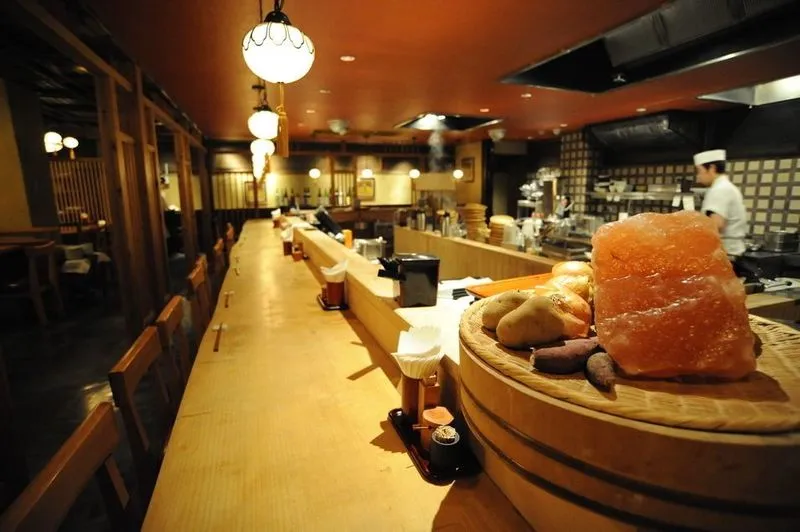

Tokyo, the heart of Japan’s culinary landscape, is widely celebrated for its traditional sushi restaurants, or edomae sushi-ya. These establishments represent centuries of refinement in taste, technique, and artistry, combining the freshest seafood, perfectly seasoned rice, and meticulous knife work. Sushi in Tokyo is not just a meal—it is a culinary performance, reflecting Japan’s commitment to precision, seasonality, and aesthetic harmony.
This article explores the history, philosophy, ingredients, preparation techniques, knife mastery, cultural significance, modern adaptations, and global influence of Tokyo’s traditional sushi, offering a detailed, professional insight into why these restaurants are revered worldwide.
Historical Roots of Tokyo Sushi
Sushi has evolved through centuries, with Tokyo (formerly Edo) playing a pivotal role:
- Early Origins: Sushi originated as narezushi, fermented fish with rice, in Southeast Asia and migrated to Japan. Edo-period Tokyo transformed sushi into fast, fresh nigiri-style sushi.
- Edomae Sushi: Edo chefs pioneered the use of locally caught fish, marinating and curing techniques to enhance flavor while maintaining freshness.
- Transition to Modern Sushi: By the 19th century, nigiri sushi became popular in Tokyo as street food. Post-WWII, it evolved into the sophisticated, high-quality sushi restaurants seen today.
- Cultural Symbolism: Sushi became a representation of precision, elegance, and seasonal awareness—key values in Japanese cuisine.
Tokyo’s sushi culture is thus steeped in history, tradition, and respect for ingredients.
Core Elements of Tokyo Sushi
Traditional Tokyo sushi relies on three pillars:
Freshness of Fish
- Sushi chefs source fish from Tsukiji and Toyosu markets, selecting seafood at the peak of freshness.
- Popular fish include tuna (maguro), sea bream (tai), yellowtail (hamachi), squid (ika), and eel (unagi).
- Seasonal fish choices reflect Japan’s culinary philosophy of shun (seasonality).
Quality Sushi Rice (Shari)
- Short-grain Japanese rice is carefully cooked and seasoned with a balance of rice vinegar, sugar, and salt.
- Rice texture is slightly firm yet sticky, complementing the delicate fish.
- Proper rice preparation ensures umami, acidity, and mouthfeel balance.
Knife Mastery (Hocho Waza)
- Precision slicing enhances texture, flavor release, and presentation.
- Techniques include hira-zukuri (flat cut), usu-zukuri (thin cut), and katakana-zukuri (angled cut).
- Knife craftsmanship is a culinary art, with blades honed daily for perfect cuts.
These three elements combine to create a harmonious, unforgettable sushi experience.
The Philosophy Behind Traditional Sushi
Tokyo sushi restaurants follow rigorous culinary philosophy:
- Respect for Ingredients: Fish, rice, and seasonings are treated to maximize natural flavor.
- Balance and Harmony: Fish and rice ratios are precise, achieving taste, texture, and aesthetic equilibrium.
- Seasonality: Menus change with the availability of fresh fish, reflecting nature’s rhythm.
- Minimalism: Sushi focuses on subtlety and purity, avoiding overpowering flavors or sauces.
The philosophy emphasizes discipline, patience, and mastery, where each sushi piece is a reflection of the chef’s skill.
Regional Specialties Within Tokyo
While Tokyo is renowned for edomae sushi, subtle regional variations exist:
- Nigiri Sushi: Bite-sized rice topped with fresh fish; hallmark of Tokyo sushi.
- Gunkanmaki: Rice wrapped in nori and topped with soft or finely chopped ingredients, like sea urchin or ikura (salmon roe).
- Omakase: Chef-selected tasting menus showcasing seasonal and rare ingredients.
The chef’s choice menu (omakase) emphasizes trust, skill, and artistry, delivering an immersive culinary narrative to diners.
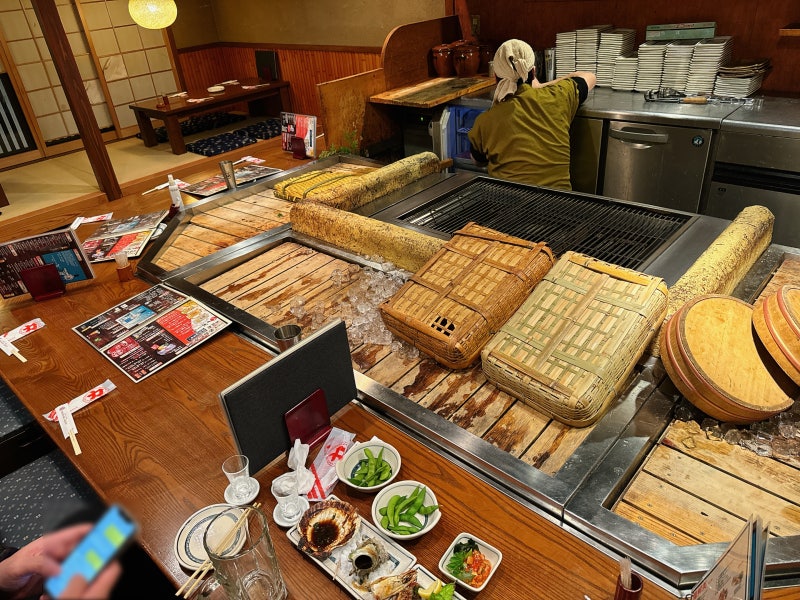
Sushi Preparation Techniques
Fish Preparation
- Cleaning and Filleting: Fish is carefully cleaned to maintain flavor integrity.
- Curing and Aging: Some fish are lightly marinated, cured, or aged to enhance umami and texture.
- Precision Cutting: Knife angles and thickness are adjusted for optimal mouthfeel.
Rice Preparation
- Rice is washed, soaked, cooked, and seasoned with exact vinegar proportions.
- Temperature control ensures rice remains slightly warm, complementing chilled or room-temperature fish.
Assembly
- Sushi chefs mold rice by hand with gentle pressure.
- Fish is placed atop rice to balance flavor, texture, and visual appeal.
- Garnishes such as wasabi or shiso leaves are added selectively.
Each step requires meticulous attention, where small errors can compromise taste or aesthetics.
Knife Mastery: The Core of Sushi Craft
Sushi knives (hocho) are specialized tools with centuries-old craftsmanship:
- Yanagiba: Long, single-edged knife for slicing raw fish in smooth strokes.
- Deba: Heavy knife for filleting fish and cutting through small bones.
- Usuba: Thin knife for precision vegetable cuts used in garnishes.
Knife technique impacts texture, flavor release, and overall presentation, making it a critical skill in Tokyo sushi.
Cultural Significance
Sushi represents Japan’s cultural values, artistry, and social practices:
- Dining Etiquette: Respectful consumption, minimal seasoning, and attention to seasonal pairing are emphasized.
- Ceremonial and Gift Purposes: High-quality sushi is often used in celebrations, business meetings, and special occasions.
- Artisan Tradition: Sushi chefs undergo years of apprenticeship, reflecting dedication, hierarchy, and mentorship.
- Cultural Preservation: Maintaining traditional methods amidst modern innovations reflects a commitment to heritage.
Sushi is therefore not just food—it is cultural storytelling and identity.
Health and Nutritional Aspects
- Lean Proteins: Fish provides essential omega-3 fatty acids and high-quality protein.
- Carbohydrates: Rice offers energy with moderate glycemic impact due to vinegar seasoning.
- Low Saturated Fat: Minimal use of oil or dairy contributes to heart health.
- Vegetables and Seaweed: Adds fiber, vitamins, and minerals.
Traditional sushi is both nutritious and balanced, reflecting Japan’s emphasis on longevity and wellness.
Modern Adaptations and Global Influence
Tokyo sushi has influenced global culinary trends:
- Sushi Abroad: From New York to London, sushi restaurants emulate Tokyo-style edomae techniques.
- Fusion Sushi: Rolls, tempura sushi, and creative presentations cater to international tastes.
- Sustainable Practices: Chefs prioritize responsible sourcing of fish due to environmental concerns.
- Technological Integration: Refrigeration, precision knives, and rice cookers enhance consistency while preserving tradition.
Despite innovation, Tokyo sushi maintains its traditional core values of freshness, balance, and craftsmanship.
Challenges in the Sushi World
- Overfishing: Sustainability of popular fish species requires careful sourcing.
- High Skill Requirement: Training takes years, limiting the number of master chefs.
- Cost of Ingredients: Premium fish and rice increase operational expenses.
- Globalization: Balancing traditional methods with international trends without compromising authenticity.
Overcoming these challenges ensures Tokyo sushi retains its reputation as the gold standard of the culinary world.
Tips for Experiencing Authentic Tokyo Sushi
- Choose Omakase: Trust the chef to highlight seasonal and rare ingredients.
- Observe Technique: Notice rice texture, fish slicing, and presentation.
- Minimal Condiments: Use soy sauce sparingly to experience natural flavors.
- Appreciate Seasonality: Seasonal fish selections provide unique taste experiences.
- Respect Dining Etiquette: Sushi is consumed promptly, often in a single bite, emphasizing flavor harmony.
These practices allow diners to fully experience the artistry and philosophy of Tokyo sushi.
Conclusion
Tokyo’s traditional sushi restaurants exemplify the fusion of history, technique, and artistry. With fresh fish, perfectly seasoned rice, and unparalleled knife craftsmanship, each sushi piece reflects precision, patience, and cultural depth.
From local Tsukiji markets to Michelin-starred establishments, Tokyo sushi represents Japan’s culinary identity and global influence. It is not merely a meal—it is an art form, a cultural ritual, and a testament to the mastery of ingredients and technique.
For enthusiasts and professionals alike, Tokyo’s sushi culture provides a blueprint for excellence, respect for nature, and a lifelong pursuit of culinary perfection.