






Introduction
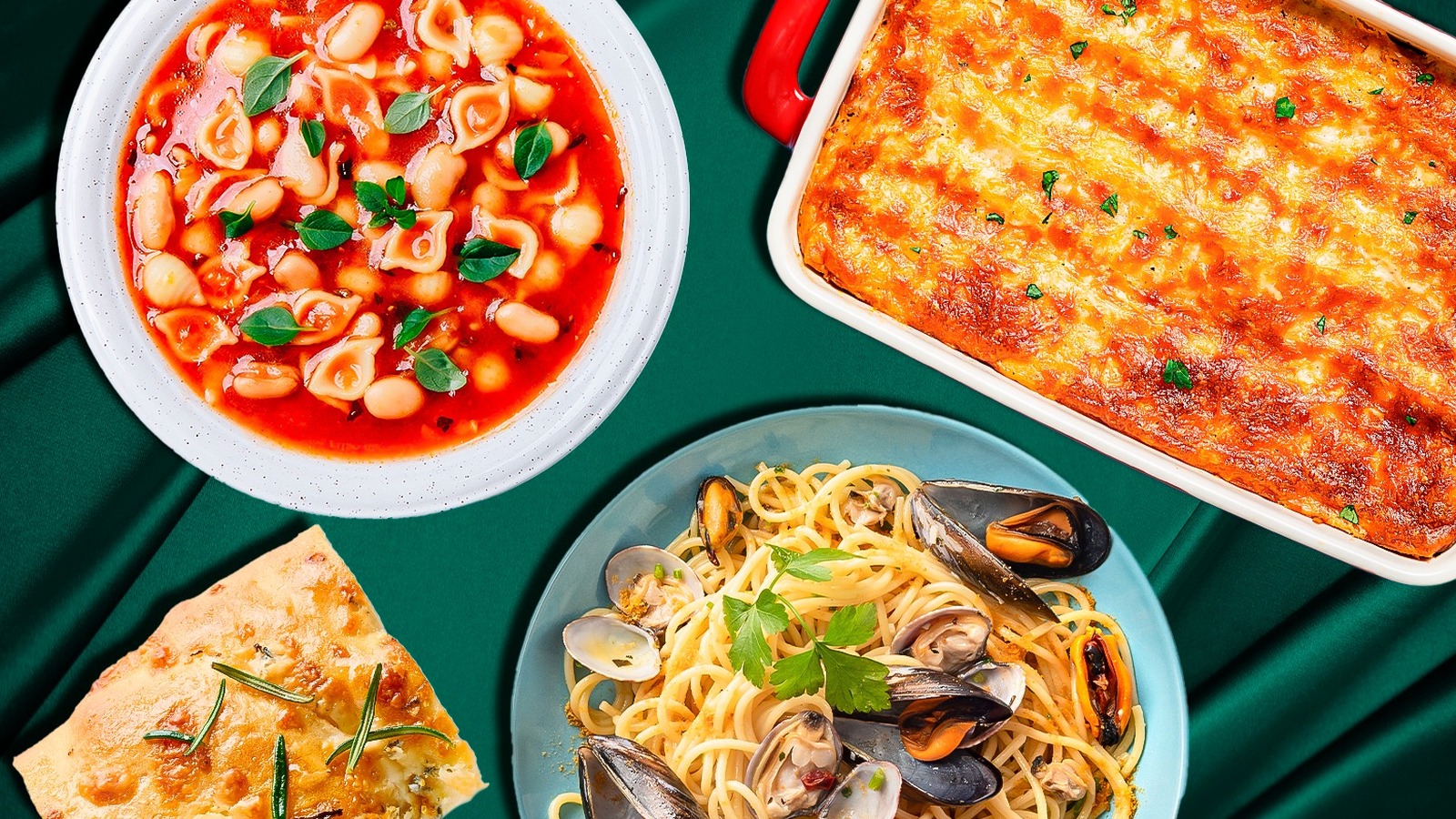
Italian cuisine is widely regarded as one of the most influential and beloved culinary traditions in the world. From rustic village kitchens to refined urban trattorias, Italy’s food culture reflects centuries of history, regional diversity, social customs, and deep respect for ingredients. Traditional Italian cuisine is not a single, uniform system of dishes; rather, it is a mosaic of regional practices shaped by geography, climate, historical events, and local identities. What unites these diverse traditions is a shared philosophy: simplicity, seasonality, balance, and an emphasis on high-quality raw materials.
To understand traditional Italian food is to understand Italy itself. Food in Italy is inseparable from daily life, family, and cultural memory. Meals are social rituals, recipes are inherited legacies, and local specialties serve as symbols of pride and belonging. Italian cuisine has also played a major role in shaping global food culture, yet its international popularity often obscures the depth and complexity of its traditional roots. Many dishes commonly labeled as “Italian” abroad differ significantly from their authentic regional counterparts.
This article offers a comprehensive exploration of traditional Italian cuisine. It examines its historical foundations, core ingredients, regional diversity, iconic dishes, food customs, and contemporary challenges. By viewing Italian food not merely as a collection of recipes but as a cultural system, we gain insight into why it remains so enduring, adaptable, and meaningful—both within Italy and far beyond its borders.
Historical Foundations of Italian Cuisine
Ancient Roots: Etruscan, Greek, and Roman Influences
The origins of Italian cuisine can be traced back to antiquity. Before Italy existed as a unified nation, the Italian peninsula was home to diverse civilizations, including the Etruscans, ancient Greeks, and Romans. Each contributed foundational elements to what would later become Italian food culture.
The Etruscans introduced techniques such as olive oil production, viticulture, and the use of grains. Greek colonists in southern Italy brought bread-making traditions, wine culture, and an appreciation for balanced flavors. The Romans, however, played the most significant role in systematizing food culture. Roman cuisine emphasized bread, olive oil, wine, vegetables, legumes, and fish—ingredients that remain central to Italian cooking today.
Roman food culture also established the idea of meals as social and cultural events. Banquets, market systems, and early forms of food regulation laid the groundwork for Italy’s enduring connection between food, society, and identity.
The Middle Ages and Renaissance Transformations
During the Middle Ages, Italian cuisine evolved under the influence of trade, religion, and regional fragmentation. Monasteries preserved agricultural knowledge and culinary techniques, while Arab influence in Sicily introduced ingredients such as citrus fruits, sugar, rice, and spices. Northern regions developed dairy-based cuisines, while southern areas focused on grains, vegetables, and olive oil.
The Renaissance marked a turning point. Italian city-states such as Florence, Venice, and Milan became centers of culinary refinement. Cookbooks emerged, documenting recipes and techniques, and food presentation gained importance among elites. Yet traditional cuisine remained rooted in the everyday practices of farmers, artisans, and households, creating a contrast between courtly and popular food cultures.
Core Principles of Traditional Italian Cuisine
Simplicity and Ingredient Quality
One of the defining characteristics of traditional Italian cuisine is its simplicity. Dishes typically rely on a small number of ingredients, allowing each component to shine. Rather than masking flavors with heavy sauces or excessive seasoning, Italian cooking emphasizes balance and natural taste.
This simplicity demands high-quality ingredients. Fresh vegetables, ripe tomatoes, fragrant olive oil, well-aged cheese, and carefully cured meats are essential. The quality of the raw materials often determines the success of a dish more than technical complexity.
Seasonality and Locality
Traditional Italian cuisine is deeply seasonal. Historically, people cooked with what was available locally at a given time of year, a practice that shaped recipes and regional specialties. Seasonal eating ensured freshness, nutritional balance, and respect for natural cycles.
Locality is equally important. Each region, and often each town, has its own ingredients and dishes. This local focus fosters strong connections between food, land, and community, reinforcing regional identity.
Regional Diversity of Italian Cuisine
Italy’s geography—mountains, plains, coastlines, and islands—has produced remarkable culinary diversity. Understanding traditional Italian cuisine requires examining its regional variations.
Northern Italy
Northern Italian cuisine reflects a cooler climate and strong agricultural and dairy traditions. Butter is more commonly used than olive oil, and rice and corn are staples alongside wheat.
- Lombardy is known for risotto, especially Risotto alla Milanese, flavored with saffron.
- Piedmont features rich dishes with truffles, hazelnuts, and slow-cooked meats.
- Veneto offers polenta, seafood from the Adriatic, and dishes like baccalà (salted cod).
These cuisines tend to be richer and more calorie-dense, historically suited to colder winters and labor-intensive lifestyles.
Central Italy
Central Italian cooking is often seen as the heart of traditional Italian cuisine, balancing simplicity and bold flavors.
- Tuscany emphasizes rustic dishes made with bread, beans, olive oil, and grilled meats.
- Umbria is known for lentils, pork products, and black truffles.
- Lazio, home to Rome, offers iconic pasta dishes such as carbonara, amatriciana, and cacio e pepe.
Central Italian food highlights minimalism, where technique and ingredient quality are paramount.
Southern Italy
Southern Italian cuisine is strongly influenced by Mediterranean agriculture, historical poverty, and cultural exchange.
- Campania, home of Naples, is the birthplace of pizza and renowned for tomatoes, mozzarella di bufala, and seafood.
- Apulia focuses on durum wheat, olive oil, vegetables, and simple handmade pasta.
- Calabria is known for spicy flavors and preserved foods.
Southern cuisine demonstrates how resourcefulness and creativity can transform humble ingredients into deeply satisfying dishes.
The Islands: Sicily and Sardinia
Italy’s islands possess distinct culinary identities shaped by isolation and foreign influence.
- Sicilian cuisine reflects Greek, Arab, Spanish, and Norman heritage, combining sweet and savory flavors, seafood, citrus, and desserts like cannoli.
- Sardinian cuisine features pastoral traditions, roasted meats, flatbreads, and pecorino cheese.
These island cuisines underscore Italy’s role as a crossroads of civilizations.
Iconic Elements of Traditional Italian Food
Pasta: Craft, Form, and Meaning
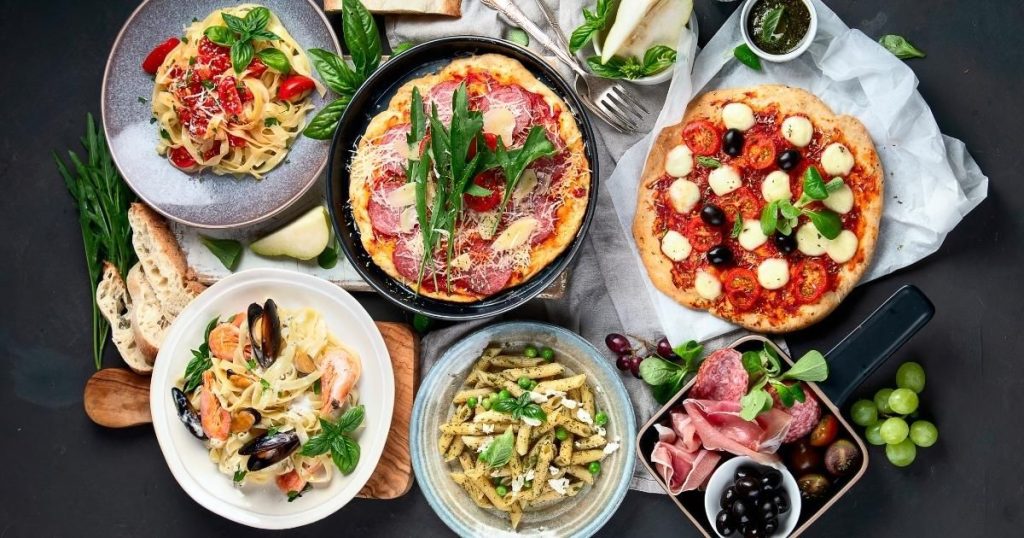
Pasta is perhaps the most iconic symbol of Italian cuisine, yet its diversity is often underestimated. Traditional Italian pasta comes in hundreds of shapes, each designed to pair with specific sauces.
Fresh egg pasta is common in the north, while dried durum wheat pasta dominates the south. The choice of shape—long, short, hollow, or filled—is deeply connected to regional tradition and functional design.
Pasta is not merely a dish but a cultural practice, often made by hand and shared across generations. Its simplicity belies its technical and cultural sophistication.
Pizza: From Street Food to Cultural Heritage
Pizza originated as a humble street food in Naples, designed to be affordable and nourishing. Traditional Neapolitan pizza features a soft, elastic crust, simple toppings, and careful baking techniques.
Over time, pizza became a symbol of Italian identity worldwide. Yet traditional pizza remains deeply rooted in local practice, with strict guidelines governing ingredients and preparation. Its global success highlights how local traditions can achieve universal appeal without losing cultural significance.
Cheese, Cured Meats, and Bread
Italy’s cheeses and cured meats reflect regional ecosystems and artisanal knowledge. Parmigiano Reggiano, mozzarella, pecorino, prosciutto, and salami are not interchangeable products but expressions of specific places and methods.
Bread, too, varies widely by region, from Tuscan saltless bread to Sardinian flatbreads. These staples form the backbone of daily meals and reflect historical conditions and local tastes.
Food Culture and Social Life in Italy
Meals as Social Rituals
In Italy, meals are central social events. Lunch and dinner are occasions for conversation, connection, and relaxation. Traditional meals often follow a structured sequence, reinforcing the idea that eating is a deliberate and communal act.
Family meals play a crucial role in transmitting values, manners, and culinary knowledge. Even in modern urban life, food remains a key medium of social cohesion.
Festivals and Religious Traditions
Many traditional dishes are associated with religious holidays and local festivals. These foods often carry symbolic meanings tied to fertility, sacrifice, renewal, or remembrance.
Festive food traditions strengthen community bonds and preserve cultural memory, ensuring continuity across generations.
Traditional Italian Cuisine in the Modern World
Globalization and Authenticity
Italian cuisine’s global popularity has led to widespread adaptation and reinterpretation. While this has increased visibility, it has also raised concerns about authenticity and cultural dilution.
Traditional Italian food culture responds to these challenges by emphasizing protected designations, regional education, and culinary heritage preservation.
Sustainability and the Future
Traditional Italian cuisine aligns closely with modern sustainability ideals: local sourcing, seasonal eating, and respect for biodiversity. Reviving traditional practices offers solutions to contemporary challenges such as environmental degradation and industrial food systems.
Younger generations of chefs and consumers are rediscovering traditional techniques, blending innovation with respect for heritage.
Conclusion
Traditional Italian cuisine is far more than a collection of famous dishes. It is a living cultural system shaped by history, geography, social structure, and shared values. Its strength lies in its diversity, simplicity, and deep connection to everyday life.
By honoring ingredients, respecting local traditions, and valuing the social meaning of meals, Italian cuisine offers a model of how food can sustain not only the body but also cultural identity. In a rapidly changing world, traditional Italian food remains a powerful reminder that the most enduring culinary traditions are those rooted in place, memory, and human connection.