






Introduction: Merging Culture, History, and Cuisine
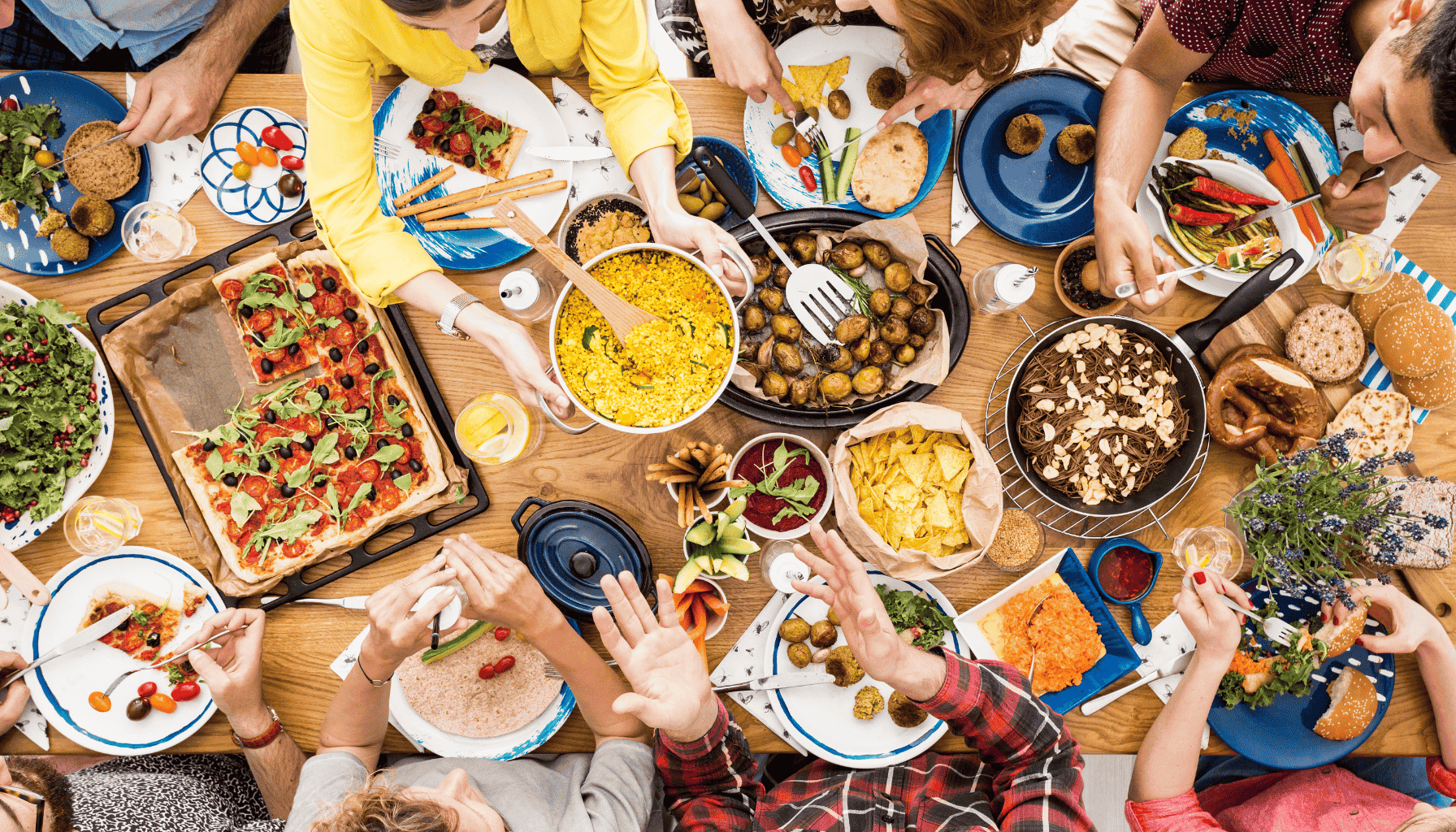
Travel has evolved far beyond sightseeing and leisure. In recent years, thematic tours that combine culinary experiences with cultural and historical exploration—often called “culinary history tours” or “food heritage journeys”—have surged in popularity. These tours appeal to travelers seeking deeper engagement with a destination, where every dish tells a story, every market reveals a tradition, and every meal is a living connection to history.
This article examines the rise of thematic culinary-historical travel, the factors driving its popularity, the structure and design of these tours, and their broader cultural, economic, and educational impacts. By understanding this phenomenon, we see how gastronomy is not merely a sensory experience but also a portal into human history, heritage, and cultural identity.
Chapter 1: The Concept of Culinary-Historical Travel
1. Definition and Scope
- Culinary-historical travel integrates gastronomy, local culture, and historical exploration.
- Participants not only taste dishes but also learn about origins, preparation methods, and cultural significance.
- Examples include:
- Medieval food experiences in European castles
- Ancient grain workshops in the Fertile Crescent
- Tea plantation tours with historical narratives in Asia
2. Thematic Focus Areas
- Time Period: e.g., Renaissance Florence, Ottoman Istanbul
- Cuisine Type: regional specialties, street foods, royal dishes
- Cultural Practices: fermentation, ritual meals, agricultural heritage
3. Experiential Learning
- Tours often incorporate hands-on cooking, visits to markets, and workshops.
- Travelers acquire culinary skills while gaining historical context, making experiences both educational and memorable.
Chapter 2: Historical Roots of Food Tourism
1. From Pilgrimage to Gastronomy
- Historically, travel often centered on religious or cultural pilgrimages, which included exposure to local foods.
- Travelers documented recipes, ingredients, and dining customs, preserving culinary heritage.
2. Early Culinary Guides
- 18th and 19th-century European travelogues often included detailed descriptions of regional dishes, dining etiquette, and food markets.
- These early records laid the groundwork for modern culinary tourism.
3. Market Evolution
- Local markets, food festivals, and harvest celebrations historically attracted visitors, combining commerce, culture, and gastronomy.
- Contemporary thematic tours echo these historical precedents.
Chapter 3: Factors Driving Popularity
1. Experiential and Authentic Travel Trends
- Modern travelers increasingly seek authentic, immersive experiences rather than generic sightseeing.
- Food is a tangible medium to experience local identity and history.
2. Culinary Media Influence
- Cooking shows, travel documentaries, and social media inspire travelers to explore destinations through cuisine.
- Platforms like Netflix’s Chef’s Table, travel blogs, and YouTube channels amplify awareness of culinary heritage.
3. Rising Interest in Cultural Education
- Tourism now combines learning with leisure, catering to travelers who value historical narratives, artisanal techniques, and traditional recipes.
4. Globalization and Curiosity
- Exposure to global cuisines encourages cross-cultural exploration, motivating tourists to experience food in its original context.
Chapter 4: Structure and Design of Culinary-Historical Tours
1. Curated Itineraries
- Tours are carefully designed to integrate historical sites, local markets, and gastronomic experiences.
- Typical elements include:
- Cooking classes in historic kitchens
- Guided tastings of traditional dishes
- Visits to heritage farms, wineries, or spice markets
2. Storytelling and Interpretation
- Guides provide contextual storytelling, connecting dishes with historical events, trade routes, or societal customs.
- Example: Learning about Pho in Vietnam while visiting colonial-era French districts highlights culinary evolution influenced by history.
3. Hands-On Experiences
- Travelers engage in food preparation, harvesting, fermentation, or baking workshops.
- These experiences allow direct interaction with traditional methods, deepening appreciation for culinary craft.
4. Integration of Multi-Sensory Learning
- Beyond taste, tours emphasize smell, touch, and visual aesthetics.
- Examples include:
- Grinding spices in traditional mills
- Wine tasting with terroir explanations
- Chocolate-making workshops linked to colonial trade history
Chapter 5: Regional Examples of Culinary-Historical Tourism
1. Europe
- Italy: Tuscany cooking classes combined with visits to medieval towns and wine cellars.
- France: Normandy butter and cheese tours that explore historical dairy traditions.
- Spain: Tapas tours in Andalusian markets tracing Moorish influences.
2. Asia
- Japan: Kyoto culinary tours integrating tea ceremonies and seasonal kaiseki cuisine.
- India: Spice trail journeys linking ancient trade routes with regional specialties.
- China: Sichuan tours exploring traditional fermentation and imperial cuisine.
3. Americas
- Mexico: Oaxaca chocolate and mole workshops combined with pre-Columbian cultural exploration.
- Peru: Andean grain-based cooking workshops exploring quinoa and corn heritage.
- United States: Southern barbecue and Creole food tours tracing African, French, and indigenous influences.
4. Middle East and Africa
- Morocco: Tagine cooking classes alongside medina tours highlighting historical trade.
- Ethiopia: Coffee ceremonies and injera workshops connected to local customs and ancient grain cultivation.
Chapter 6: Economic and Cultural Impacts
1. Supporting Local Economies
- Culinary-historical tourism generates revenue for artisans, farmers, and heritage sites.
- Encourages sustainable food production and preservation of traditional methods.
2. Preserving Cultural Heritage
- By emphasizing authentic practices, these tours protect recipes, techniques, and rituals that might otherwise fade.
- Provides intergenerational transmission of culinary knowledge.
3. Promoting Cultural Diplomacy
- Food becomes a medium for cross-cultural understanding, fostering empathy and respect among travelers and local communities.
4. Challenges and Solutions
- Risks include over-commercialization and cultural misrepresentation.
- Solutions: collaboration with local experts, chefs, historians, and cultural custodians ensures authenticity.
Chapter 7: Technological Integration in Culinary-Historical Tours
1. Digital Storytelling and Pre-Travel Engagement
- Platforms provide interactive guides, virtual tours, and recipe previews before departure.
- Travelers learn cultural context and historical background, enhancing on-site experiences.
2. Apps and AR/VR Enhancements
- Mobile applications offer augmented reality experiences, overlaying historical information on marketplaces or historic kitchens.
- Virtual reality allows users to practice culinary techniques remotely, enhancing immersion.
3. Social Media Amplification
- Instagram, TikTok, and YouTube highlight destination-specific food experiences, influencing tourism trends.
- User-generated content fosters global culinary awareness and community engagement.
Chapter 8: Educational and Professional Opportunities
1. Culinary Workshops as Learning Platforms
- Travelers acquire hands-on cooking skills, enhancing both leisure and professional culinary development.
2. Research and Culinary Heritage Studies
- Tours contribute to academic research, ethnographic studies, and preservation of intangible cultural heritage.
3. Career Inspiration
- Exposure to historical culinary practices inspires aspiring chefs, food historians, and cultural interpreters, expanding the professional culinary ecosystem.
Chapter 9: Case Studies of Successful Culinary-Historical Tours
1. Italy’s Tuscany Food & History Trail
- Combines vineyard tours, cooking workshops, and visits to medieval villages.
- Highlights historical evolution of pasta, wine, and olive oil production.
2. Japan’s Kyoto Culinary Heritage Tour
- Integrates tea ceremony workshops, kaiseki cooking classes, and historic temples.
- Emphasizes seasonal ingredients and philosophical underpinnings of Japanese cuisine.
3. Mexico’s Oaxacan Gastronomy & Culture Experience
- Workshops on mole, chocolate, and corn-based dishes combined with pre-Columbian archeological site visits.
- Educates travelers on the cultural significance of indigenous foods.
4. Morocco’s Imperial City Culinary Journey
- Tagine preparation, spice market exploration, and riad-hosted historical storytelling.
- Demonstrates the fusion of culinary techniques across centuries.
Chapter 10: The Future of Thematic Culinary-Historical Travel
1. Sustainability and Responsible Tourism
- Emphasis on eco-friendly practices, local sourcing, and community engagement ensures long-term viability.
2. Expanding Digital Integration
- AI-powered itinerary customization, virtual pre-tours, and multilingual resources will enhance accessibility and personalization.
3. Cross-Disciplinary Collaborations
- Partnerships between historians, chefs, anthropologists, and tourism experts enrich experiences and maintain authenticity.
4. Globalization vs. Localization Balance
- Maintaining local flavor and heritage while appealing to global travelers is critical.
- Authentic storytelling and participatory experiences will remain the defining factor of successful tours.
Conclusion: Culinary History as a Gateway to Culture
Thematic “culinary and cultural history tours” reflect modern travel trends toward immersive, educational, and experiential journeys. Food is no longer just consumption—it is a medium to understand society, history, and culture. These tours:
- Connect travelers to local heritage, traditions, and artisans.
- Promote cultural preservation, economic sustainability, and global understanding.
- Offer hands-on culinary experiences that combine leisure, learning, and personal enrichment.
As culinary history tourism continues to grow, it demonstrates that every dish is a story, and every meal is a journey through time, making it a transformative experience for travelers worldwide.