






Introduction
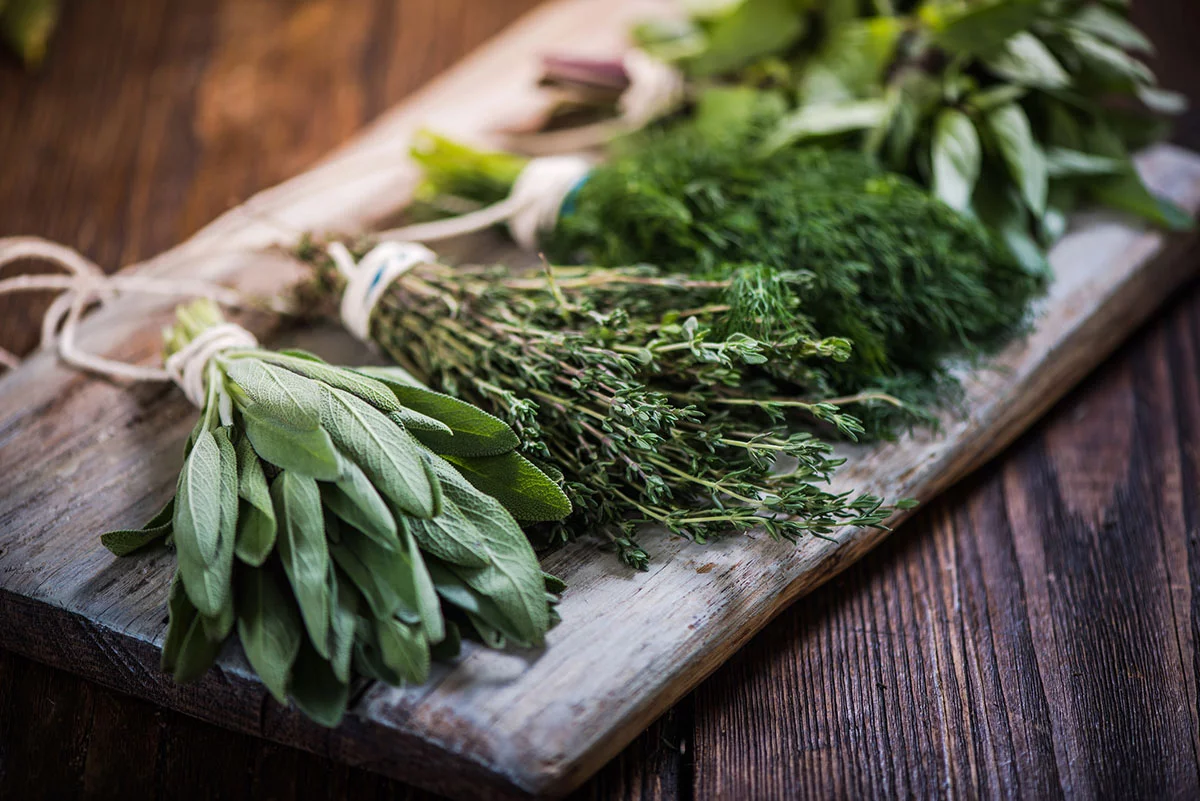
Fresh herbs are among the most powerful yet subtle tools in the culinary arts. Unlike spices, which are often dried and concentrated, fresh herbs bring brightness, aroma, color, and complexity to dishes without overwhelming the palate. When used skillfully, herbs can transform simple ingredients into refined, expressive cuisine. However, improper pairing or timing can just as easily mask flavors, introduce bitterness, or disrupt balance.
Understanding how to pair various fresh herbs is therefore not a matter of decoration, but a core professional skill rooted in sensory science, cultural tradition, and culinary intuition. From parsley and basil to thyme, rosemary, cilantro, dill, mint, and chives, each herb carries unique aromatic compounds, flavor profiles, and structural characteristics that interact differently with heat, fat, acidity, and other ingredients.
This article provides a comprehensive and professional exploration of how to pair fresh herbs to enhance the flavor of dishes. It examines the sensory chemistry of herbs, principles of pairing, classic combinations across global cuisines, herb selection based on ingredients and cooking methods, timing and technique, and modern approaches to creative herb usage. Through this lens, fresh herbs emerge not as garnish, but as strategic flavor architects capable of elevating cooking from competent to exceptional.
1. Understanding Fresh Herbs: Flavor, Aroma, and Structure
1.1 What Defines a Fresh Herb
Fresh herbs are leafy plants used primarily for their aromatic leaves and tender stems. Unlike spices, which often come from seeds, bark, or roots, herbs are generally delicate and volatile, meaning their flavor compounds evaporate or degrade easily when exposed to heat.
Key characteristics of fresh herbs include:
- High water content
- Volatile aromatic oils
- Bright, green flavors
- Sensitivity to temperature and oxidation
Because of these traits, fresh herbs demand thoughtful handling and precise application.
1.2 The Chemistry of Herbal Flavor
The flavor of herbs is largely driven by essential oils and aromatic compounds such as terpenes, aldehydes, and phenols. These compounds interact with:
- Heat (which can release or destroy aroma)
- Fat (which dissolves and carries flavor)
- Acid (which brightens and sharpens perception)
Understanding these interactions helps explain why certain herbs thrive in specific dishes and cooking styles.
2. Core Principles of Herb Pairing
2.1 Balance Over Intensity
Effective herb pairing is not about adding more flavor, but about adding the right flavor. Herbs should complement, not dominate, the main ingredients.
A professional approach considers:
- Strength of the herb
- Intensity of the main ingredient
- Cooking method and duration
Delicate herbs suit light dishes; robust herbs pair better with bold flavors.
2.2 Harmony Versus Contrast
Herbs can enhance flavor in two primary ways:
- Harmonizing with existing flavors (e.g., basil with tomato)
- Contrasting to create freshness or lift (e.g., mint with lamb)
Both approaches are valid when applied intentionally.
2.3 Cultural and Regional Logic
Traditional cuisines provide reliable frameworks for herb pairing because they evolved through long-term sensory refinement. Studying these patterns offers valuable guidance while still allowing room for innovation.
3. Classification of Fresh Herbs by Flavor Profile
3.1 Soft, Delicate Herbs
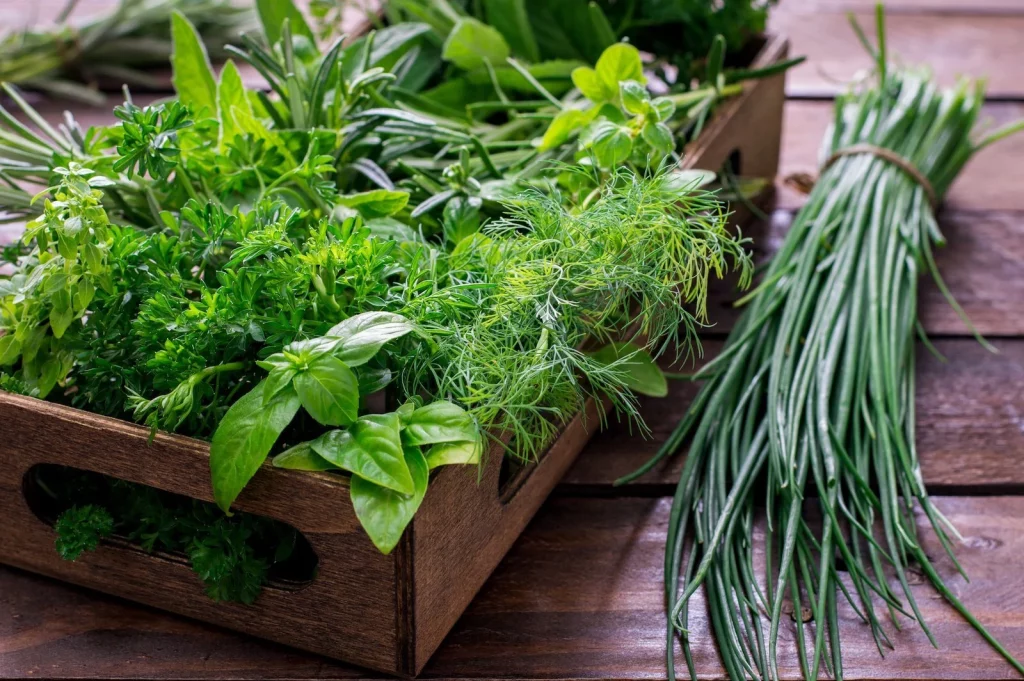
These herbs have tender leaves and mild flavors. They are best used raw or added at the end of cooking.
Examples include:
- Basil
- Parsley
- Cilantro (coriander leaf)
- Chives
- Dill
- Tarragon
They contribute freshness and brightness.
3.2 Robust, Woody Herbs
Woody herbs have firmer stems and stronger aromas. They withstand longer cooking and are ideal for roasting and braising.
Examples include:
- Rosemary
- Thyme
- Sage
- Bay leaf
- Oregano
They provide depth and savory complexity.
3.3 Cooling and Aromatic Herbs
Some herbs impart a cooling sensation or pronounced aroma:
- Mint
- Lemon balm
- Thai basil
These herbs often balance richness or heat.
4. Pairing Herbs with Core Ingredients
4.1 Herbs and Vegetables
Vegetables respond exceptionally well to fresh herbs, especially when pairing respects natural sweetness or bitterness.
- Tomatoes: Basil, oregano, parsley
- Leafy greens: Dill, chives, tarragon
- Root vegetables: Thyme, rosemary, sage
- Zucchini and eggplant: Mint, basil, oregano
Herbs enhance vegetable identity rather than disguising it.
4.2 Herbs and Meat
Protein structure and fat content play a major role in herb selection.
- Beef: Rosemary, thyme, parsley
- Lamb: Mint, rosemary, oregano
- Pork: Sage, thyme, marjoram
- Poultry: Thyme, tarragon, parsley
Robust meats benefit from sturdy herbs, while lean meats pair better with fresh, aromatic notes.
4.3 Herbs and Fish or Seafood
Seafood demands restraint. Overpowering herbs can easily mask its delicate flavors.
- White fish: Dill, parsley, chives
- Salmon: Dill, tarragon, chives
- Shellfish: Cilantro, parsley, fennel fronds
Fresh herbs enhance natural sweetness and brininess.
4.4 Herbs and Dairy
Herbs bring brightness to rich dairy-based dishes.
- Cream and butter sauces: Tarragon, chives
- Cheese: Basil, thyme, oregano
- Yogurt: Mint, dill, cilantro
These pairings create balance and prevent heaviness.
5. Herbs and Cooking Methods
5.1 Raw Applications
In salads, salsas, and garnishes, herbs should be:
- Freshly cut
- Used generously but thoughtfully
- Balanced with acid and oil
Raw applications highlight herbal purity.
5.2 Sautéing and Light Cooking
Some herbs benefit from brief exposure to heat, which releases aroma without destroying freshness.
- Basil in quick sauces
- Parsley folded into warm dishes
- Chives added at the final moment
Timing is critical.
5.3 Slow Cooking and Braising
Woody herbs are ideal for long cooking:
- Thyme and bay leaf in stews
- Rosemary in roasted meats
- Sage in slow-cooked dishes
They infuse gradually and create depth.
5.4 Infusions and Oils
Herbs can flavor:
- Oils
- Butters
- Vinegars
Infusion extracts aroma while preserving delicacy.
6. Classic Herb Combinations Across Global Cuisines
6.1 Mediterranean Traditions
Mediterranean cuisine relies heavily on fresh herbs for clarity and balance.
- Basil, oregano, thyme, rosemary
- Parsley as a universal finishing herb
These herbs pair naturally with olive oil, tomatoes, and vegetables.
6.2 French Culinary Foundations
French cuisine emphasizes structured herb blends:
- Fines herbes: parsley, chives, tarragon, chervil
- Bouquet garni: thyme, bay leaf, parsley stems
These combinations are foundational to sauces and stocks.
6.3 Middle Eastern and North African Pairings
Herbs play a dominant role:
- Parsley and mint in salads
- Cilantro in stews and marinades
They add freshness to spiced dishes.
6.4 Asian Culinary Logic
Asian cuisines often pair herbs with heat and acidity:
- Cilantro with chili and lime
- Thai basil with coconut and spice
- Mint in salads and noodle dishes
Herbs act as cooling agents.
7. Timing: When to Add Herbs
7.1 Early Addition
Woody herbs added early infuse flavor gradually and withstand heat.
7.2 Late Addition
Delicate herbs should be added at the end to preserve aroma and color.
7.3 Layering Herbs
Professional cooking often layers herbs:
- One herb cooked for depth
- Another added fresh for brightness
This technique adds complexity without excess.
8. Quantity and Proportion
8.1 Precision Matters
Too little herb goes unnoticed; too much overwhelms. Professional kitchens measure herbs with intention, even when improvising.
8.2 Single Herb vs. Multiple Herbs
Using one herb creates clarity; combining herbs creates nuance. Both approaches are valid when balanced.
9. Texture, Color, and Visual Appeal
Fresh herbs contribute visual contrast:
- Green against neutral tones
- Fine cuts for elegance
- Whole leaves for rustic dishes
Appearance shapes flavor perception.
10. Storage, Freshness, and Preparation
10.1 Selecting Quality Herbs
High-quality herbs are:
- Vibrant in color
- Aromatic
- Free from wilting
Freshness directly impacts flavor.
10.2 Proper Storage
Different herbs require different storage methods:
- Soft herbs prefer refrigeration with moisture
- Woody herbs tolerate drier conditions
Proper storage preserves aroma.
10.3 Cutting Techniques
Chopping, tearing, or slicing herbs affects flavor release. Clean cuts prevent bruising and bitterness.
11. Herbs and Modern Culinary Innovation
11.1 Creative Pairings
Modern chefs experiment beyond tradition:
- Basil with strawberries
- Mint with chocolate
- Rosemary in desserts
Innovation succeeds when grounded in flavor logic.
11.2 Herbs in Plant-Forward Cuisine
As plant-based cooking grows, herbs become central to flavor complexity, compensating for reduced animal fat.
12. Common Mistakes in Herb Pairing
- Overusing strong herbs
- Cooking delicate herbs too long
- Ignoring cultural context
- Using dried herbs as substitutes without adjustment
Avoiding these errors preserves balance.
13. Herbs, Health, and Sensory Well-Being
Beyond flavor, fresh herbs contribute:
- Antioxidants
- Digestive benefits
- Reduced reliance on salt
Herbs enhance both pleasure and wellness.
14. Developing Intuition Through Practice
Herb pairing improves with:
- Tasting herbs individually
- Smelling combinations
- Experimenting with small quantities
Experience builds confidence and creativity.
Conclusion
Pairing fresh herbs to elevate flavor is both a science and an art. It requires understanding the chemical nature of herbs, respecting ingredient integrity, mastering timing and proportion, and drawing inspiration from culinary traditions while remaining open to innovation. When applied thoughtfully, herbs do far more than season food—they shape aroma, balance richness, add visual elegance, and create emotional resonance.
For professional chefs and dedicated home cooks alike, mastery of fresh herb pairing represents a critical step toward culinary maturity. It transforms cooking from mechanical execution into expressive craftsmanship, where each leaf serves a purpose and every aroma tells a story. Ultimately, fresh herbs remind us that great flavor often lies not in complexity, but in clarity, restraint, and respect for nature’s subtle gifts.