






Introduction
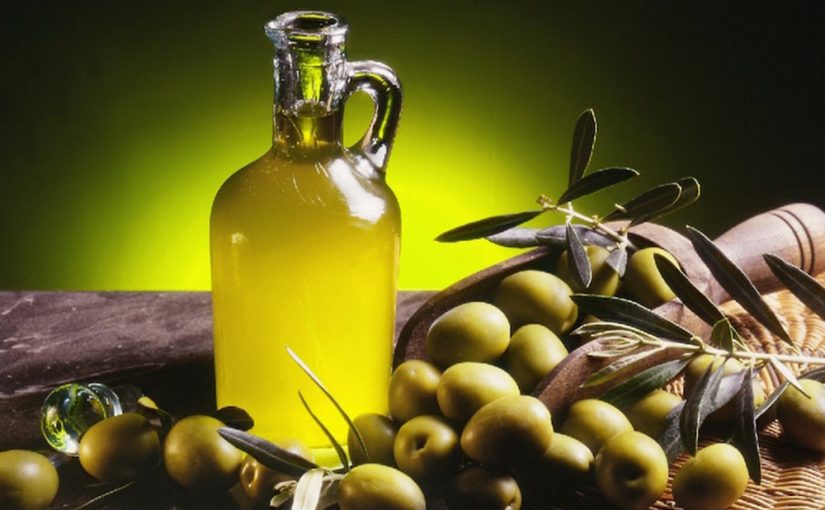
Across centuries and civilizations, olive oil has occupied a central place in the Mediterranean world—not only as a culinary staple, but also as a symbol of health, culture, economy, and spirituality. From ancient Greek athletes who anointed their bodies with olive oil, to modern nutritionists who praise its cardiovascular benefits, olive oil has maintained an enduring reputation as one of the healthiest fats available to humankind. Today, Mediterranean olive oil, particularly extra virgin olive oil, is widely regarded as a foundational element of a healthy diet and a defining feature of the Mediterranean dietary pattern.
This article provides a comprehensive, professional, and in-depth exploration of why olive oil from the Mediterranean region is considered an essential component of healthy eating. It examines historical roots, agricultural practices, chemical composition, nutritional and medical benefits, culinary applications, cultural significance, sustainability considerations, and its role in contemporary global nutrition science. Through this multifaceted lens, olive oil emerges not merely as an ingredient, but as a holistic expression of the Mediterranean way of life.
1. The Mediterranean Context: Geography, Climate, and Tradition
1.1 The Mediterranean Basin and Olive Cultivation
The Mediterranean region spans Southern Europe, North Africa, and parts of the Middle East, encompassing countries such as Spain, Italy, Greece, Turkey, Tunisia, and Morocco. This region is characterized by:
- Hot, dry summers
- Mild, wet winters
- Rocky, well-drained soils
These environmental conditions are ideally suited to the cultivation of the olive tree (Olea europaea), a resilient species capable of thriving in marginal soils where other crops struggle.
1.2 Olive Trees as a Cultural and Agricultural Heritage
Olive trees are among the oldest cultivated trees in the world, with archaeological evidence of olive oil production dating back over 6,000 years. Many olive groves in the Mediterranean are family-owned and passed down through generations, reinforcing a deep connection between land, food, and identity.
In Mediterranean societies, olive oil has historically served multiple purposes:
- Food and cooking fat
- Medicine and skincare
- Religious rituals and symbolism
- Lighting fuel
This long-standing integration into daily life laid the foundation for its central role in regional diets.
2. Olive Oil and the Mediterranean Diet
2.1 Defining the Mediterranean Diet
The Mediterranean diet is not a rigid meal plan but a dietary pattern shaped by traditional eating habits of Mediterranean populations. It emphasizes:
- High consumption of vegetables, fruits, legumes, and whole grains
- Moderate intake of fish and seafood
- Limited consumption of red meat
- Regular physical activity and social meals
- Olive oil as the primary source of dietary fat
Olive oil distinguishes this diet from others by replacing saturated animal fats with predominantly unsaturated plant-based fats.
2.2 Olive Oil as the Principal Fat Source
Unlike many Western diets that rely heavily on butter, lard, or refined vegetable oils, the Mediterranean diet places olive oil at its core. It is used for:
- Cooking and sautéing
- Salad dressings
- Drizzling over vegetables, bread, and grains
- Preserving foods
This consistent, moderate use ensures regular intake of its beneficial compounds.
3. Types of Olive Oil and Production Methods
3.1 Classification of Olive Oil
Mediterranean olive oil is categorized based on production method and chemical quality:
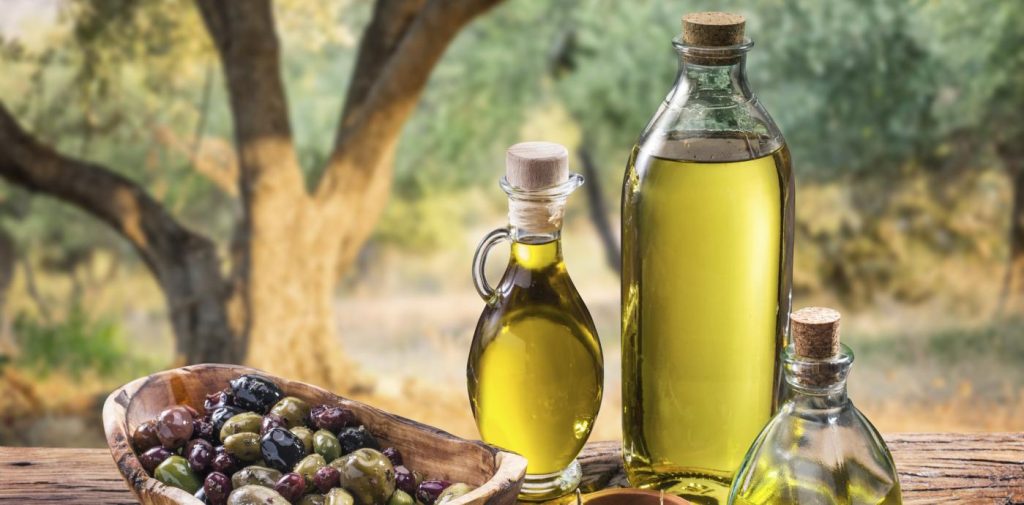
- Extra Virgin Olive Oil (EVOO) – mechanically extracted, low acidity, highest nutritional value
- Virgin Olive Oil – slightly higher acidity, still unrefined
- Refined Olive Oil – processed to remove defects, fewer bioactive compounds
- Olive Pomace Oil – extracted from leftover pulp using solvents
Among these, extra virgin olive oil is universally recognized as the healthiest and most flavorful form.
3.2 Cold Pressing and Minimal Processing
High-quality Mediterranean olive oil is produced through cold pressing, a mechanical process that avoids excessive heat or chemical solvents. This method preserves:
- Natural antioxidants
- Polyphenols
- Vitamins and aromatic compounds
Minimal processing ensures that olive oil retains its nutritional integrity and distinctive regional character.
4. Chemical Composition and Nutritional Profile
4.1 Healthy Fats: Monounsaturated Fatty Acids
The primary fat in olive oil is oleic acid, a monounsaturated fatty acid (MUFA) that typically constitutes 70–80% of its total fat content. MUFAs are associated with:
- Improved lipid profiles
- Reduced LDL (“bad”) cholesterol
- Increased HDL (“good”) cholesterol
This favorable fat composition is a key reason olive oil is linked to cardiovascular health.
4.2 Polyphenols and Antioxidants
Mediterranean olive oil, especially EVOO, contains a rich array of polyphenols, including:
- Hydroxytyrosol
- Oleuropein
- Tyrosol
These compounds possess powerful antioxidant and anti-inflammatory properties, protecting cells from oxidative stress and chronic inflammation.
4.3 Vitamins and Micronutrients
Olive oil also provides:
- Vitamin E (tocopherols), supporting skin and immune health
- Vitamin K, important for blood clotting and bone metabolism
Although not consumed in large quantities, olive oil’s regular inclusion makes it a meaningful contributor to micronutrient intake.
5. Health Benefits Supported by Scientific Research
5.1 Cardiovascular Health
One of the most extensively studied benefits of Mediterranean olive oil is its role in heart health. Regular consumption has been associated with:
- Reduced risk of coronary heart disease
- Improved endothelial function
- Lower blood pressure
Large-scale studies of Mediterranean populations consistently show lower rates of cardiovascular disease compared to regions with high saturated fat intake.
5.2 Anti-Inflammatory Effects
Chronic inflammation is a major contributor to modern diseases such as diabetes, arthritis, and neurodegenerative disorders. Olive oil polyphenols act in ways similar to mild anti-inflammatory medications, helping to regulate inflammatory pathways naturally.
5.3 Metabolic Health and Diabetes Prevention
Replacing refined carbohydrates and unhealthy fats with olive oil has been shown to:
- Improve insulin sensitivity
- Stabilize blood sugar levels
- Reduce the risk of type 2 diabetes
This makes olive oil particularly valuable in modern diets affected by metabolic disorders.
5.4 Brain Health and Aging
Emerging research suggests that olive oil consumption may support cognitive function and reduce the risk of age-related neurological decline. Antioxidants in olive oil help protect neurons from oxidative damage, contributing to long-term brain health.
6. Olive Oil in Culinary Practice
6.1 Flavor and Versatility
Mediterranean olive oil is prized not only for health benefits but also for its sensory qualities. Flavor profiles range from:
- Mild and buttery
- Fruity and floral
- Robust and peppery
These variations depend on olive variety, harvest time, and terroir.
6.2 Cooking Stability and Heat Resistance
Contrary to common misconceptions, high-quality olive oil is stable for most cooking applications. Its antioxidant content and fatty acid structure make it suitable for:
- Sautéing
- Roasting
- Light frying
While extremely high-heat frying may not be ideal, olive oil performs well within typical Mediterranean cooking temperatures.
6.3 Raw Use and Finishing Oil
One of the most valued uses of Mediterranean olive oil is raw consumption, such as:
- Drizzling over salads and vegetables
- Finishing soups and grains
- Serving with bread
This preserves delicate aromas and maximizes nutritional benefits.
7. Cultural and Social Dimensions
7.1 Olive Oil as a Symbol of Life and Peace
Throughout Mediterranean history, olive oil has symbolized:
- Peace and reconciliation
- Fertility and abundance
- Wisdom and longevity
It appears in religious texts, ancient myths, and ceremonial practices, reinforcing its cultural significance.
7.2 Shared Meals and Lifestyle
The health benefits of olive oil cannot be fully separated from the Mediterranean lifestyle, which emphasizes:
- Shared meals
- Slow, mindful eating
- Social connection
- Physical activity
Olive oil functions as both nourishment and a medium of social bonding.
8. Sustainability and Environmental Considerations
8.1 Traditional Farming Practices
Many Mediterranean olive groves rely on traditional, low-intensity farming methods that:
- Preserve biodiversity
- Prevent soil erosion
- Require minimal irrigation
These practices contribute to the sustainability of olive oil production.
8.2 Challenges of Modern Demand
Rising global demand has introduced challenges such as:
- Intensive monoculture
- Water resource pressure
- Quality dilution
Responsible production and informed consumer choices are essential to preserve both quality and environmental balance.
9. Olive Oil in Global Nutrition and Modern Diets
9.1 Integration into Non-Mediterranean Diets
As awareness of healthy fats increases, olive oil has been widely adopted beyond the Mediterranean. Nutrition guidelines often recommend replacing saturated fats with olive oil to improve overall dietary quality.
9.2 Misconceptions and Education
Despite its benefits, misconceptions persist, including:
- Fear of cooking with olive oil
- Confusion between refined and extra virgin oils
Education is crucial to ensure that consumers fully benefit from olive oil’s properties.
10. Choosing and Storing High-Quality Olive Oil
10.1 Indicators of Quality
When selecting Mediterranean olive oil, consumers should consider:
- Harvest date rather than expiration date
- Dark glass or metal containers
- Certified origin and labeling
Freshness is essential to flavor and nutritional value.
10.2 Proper Storage
To preserve quality, olive oil should be stored:
- Away from light
- In cool, stable temperatures
- Sealed tightly
Proper storage ensures longevity and prevents oxidation.
Conclusion
Mediterranean olive oil stands as one of the most compelling examples of how traditional foods can align with modern nutritional science. Rooted in ancient agricultural practices and deeply woven into Mediterranean culture, olive oil offers a unique combination of health benefits, culinary versatility, and cultural meaning.
As a primary source of healthy fats in the Mediterranean diet, olive oil contributes to cardiovascular protection, metabolic balance, and overall well-being. Its role extends beyond nutrition, reflecting values of moderation, sustainability, and social connection. In an era marked by dietary confusion and chronic disease, Mediterranean olive oil serves as a reminder that simple, time-tested foods can offer profound health advantages when consumed thoughtfully and consistently.
By embracing olive oil not merely as a cooking ingredient but as a cornerstone of a balanced lifestyle, individuals around the world can draw inspiration from the Mediterranean tradition—where food nourishes both body and life itself.