






Introduction: The Role of Temperature in Cooking
In the world of professional cooking, achieving perfection in a dish requires a combination of skill, knowledge, and the ability to control temperature with precision. Temperature control is an essential factor that influences the texture, flavor, and overall quality of food. From delicate sous vide cooking to high-heat searing, temperature precision is the backbone of modern culinary techniques that separate the ordinary from the extraordinary.
Precision cooking involves a keen understanding of the science behind heat and how it interacts with ingredients. For chefs, whether at home or in a professional kitchen, knowing the exact temperature at every step of the cooking process can be the difference between a mediocre dish and a masterpiece.
In this article, we will explore the importance of precise temperature control in cooking, dive into the various techniques that rely on temperature control, and discuss how chefs around the world have mastered the art of cooking with scientific precision.
Part 1: The Science of Temperature and Cooking
1.1 Understanding Heat Transfer in Cooking
At its core, cooking is about transferring heat to food in a controlled manner. The three main forms of heat transfer in cooking are conduction, convection, and radiation. Understanding how heat moves through food helps chefs determine the best cooking method and temperature for the desired outcome.
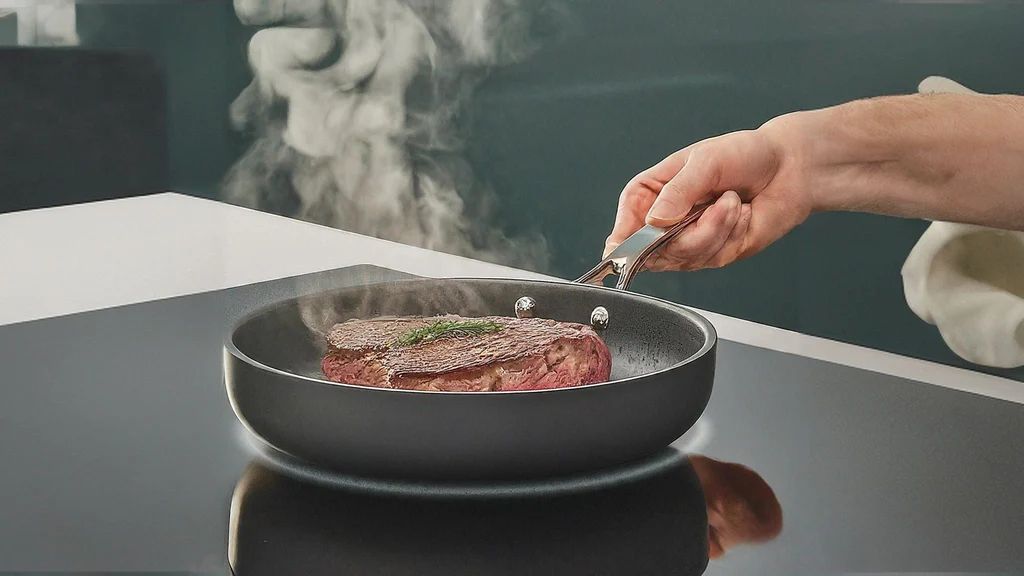
- Conduction is the process where heat is transferred directly from one surface to another. In cooking, this happens when food touches a hot surface like a frying pan or grill. For example, when searing meat, heat moves from the pan into the food, creating a crisp, flavorful crust.
- Convection occurs when heat is transferred by moving air or liquid. This is the principle behind methods like roasting and baking, where hot air circulates around the food, cooking it evenly. Sous vide cooking is another example of convection, where water circulates around the vacuum-sealed bag of food, ensuring even cooking at a precise temperature.
- Radiation is the transfer of heat through electromagnetic waves. Grilling and broiling use radiation to cook food. The heat source, whether it’s a grill or an oven’s broiler, emits infrared radiation that cooks the food.
Each of these heat transfer methods relies on temperature control. By understanding how heat moves through food, chefs can adjust their techniques to achieve the perfect result, whether it’s a crispy crust, a tender interior, or a juicy steak cooked to the exact doneness.
1.2 The Importance of Temperature in Cooking
Every ingredient in cooking has an ideal temperature range for its preparation. When cooking meat, for example, the temperature affects its texture, flavor, and juiciness. Overcooking meat at high temperatures results in a dry, tough product, while undercooking can leave it unpleasantly raw or unsafe to eat.
For example, beef steak is typically cooked at temperatures ranging from 120°F to 160°F (49°C to 71°C), depending on the desired doneness. The Maillard reaction, which is responsible for browning food and developing complex flavors, occurs at around 300°F (150°C). Similarly, vegetables require different temperatures to ensure they are cooked through without becoming mushy or losing their color.
In baking, the precise control of oven temperature is vital for achieving the perfect texture and rise in products like bread, cakes, and pastries. Temperature can affect the activation of yeast, the melting of fats, and the structure of proteins, all of which influence the outcome of the final dish.
Part 2: Modern Cooking Techniques and Temperature Precision
2.1 Sous Vide: The Pinnacle of Precision Cooking
Sous vide, which translates to “under vacuum” in French, is perhaps the most well-known method of precision cooking. This technique involves sealing food in a vacuum-sealed bag and cooking it in water that is heated to a precise, low temperature for an extended period of time.
One of the primary advantages of sous vide cooking is its ability to cook food evenly and retain moisture. By cooking food at a consistent temperature, the food is guaranteed to be cooked all the way through without the risk of overcooking. This is particularly important for proteins like steak, fish, and poultry, where precise doneness is key to achieving the perfect texture.
For example, a medium-rare steak can be cooked sous vide at 130°F (54°C) for several hours, ensuring a perfect, even doneness from edge to edge. This method also allows for greater control over the texture, as the longer cooking time at low temperatures helps break down collagen in tough cuts of meat, resulting in a tender and juicy outcome.
Sous vide also offers advantages in flavor preservation. Since the food is sealed in a bag, it retains its natural juices, creating a more intense, concentrated flavor. Additionally, sous vide cooking is highly versatile, allowing for the infusion of herbs and spices directly into the food.
2.2 Low and Slow: Slow Roasting and Smoking
Low and slow cooking methods, such as slow roasting and smoking, also rely on precise temperature control. By cooking food at low temperatures over a long period of time, these techniques allow for tenderness and flavor development that would be impossible with high-heat methods.
For example, slow roasting meats like pork shoulder, brisket, or lamb at temperatures of around 250°F (121°C) for several hours allows the meat to cook evenly, break down collagen, and develop a deep, rich flavor. This method is particularly popular in barbecue and slow-cooked stews, where the goal is to create melt-in-your-mouth results.
In smoking, the food is cooked with low, indirect heat and infused with smoky flavor from wood chips or chunks. Smoking meats at temperatures of around 200°F (93°C) helps preserve moisture, resulting in tender, flavorful meat with a unique texture and aroma.
2.3 High Heat: Searing, Grilling, and Broiling
High-heat methods such as searing, grilling, and broiling rely on precise temperature control to achieve the desired crust and flavor while maintaining the tenderness inside. These techniques are ideal for cooking steaks, burgers, fish fillets, and vegetables.
- Searing is done at temperatures ranging from 400°F to 450°F (204°C to 232°C), which helps develop a caramelized crust through the Maillard reaction. This process locks in the juices of the meat and adds complexity to its flavor.
- Grilling and broiling use direct, intense heat, often exceeding 500°F (260°C), to create flavorful charred surfaces. The key to success in grilling and broiling is consistent temperature control, which ensures that food does not burn or dry out on the outside before it is fully cooked on the inside.
While high-heat methods may not always offer the same level of precision as low-temperature techniques, they still require careful attention to the heat source and the distance between the food and the heat.
Part 3: Tools and Technology for Precision Temperature Control
3.1 Thermometers: Essential for Accurate Cooking
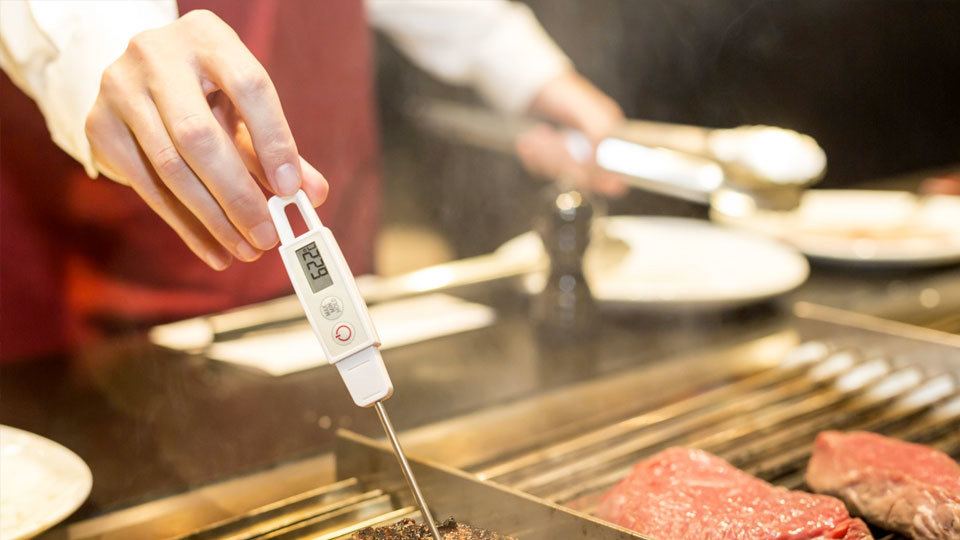
For precision cooking, thermometers are an indispensable tool. Whether using a probe thermometer to monitor the internal temperature of meat or a digital food thermometer to ensure the correct temperature for liquids, these devices offer the accuracy needed to achieve perfect results every time.
- Instant-read thermometers provide quick and accurate temperature readings, making them ideal for checking the doneness of meats or baked goods.
- Probe thermometers with digital displays are especially useful for techniques like roasting, grilling, and sous vide, where monitoring the temperature throughout the cooking process is essential.
3.2 Induction Cooktops and Smart Ovens
Induction cooktops and smart ovens have revolutionized temperature control in the kitchen. Induction cooking uses electromagnetic energy to directly heat cookware, offering fast, precise temperature adjustments. Unlike traditional gas or electric stoves, induction cooktops provide a higher level of control over heat, allowing chefs to adjust the temperature instantly and with minimal fluctuations.
Smart ovens equipped with Wi-Fi and advanced temperature sensors provide chefs with the ability to set precise cooking temperatures, monitor the cooking progress remotely, and receive alerts when food is done. These ovens also often feature pre-programmed settings for sous vide, slow roasting, and baking, making them a versatile tool for precision cooking.
Conclusion: Precision as the Foundation of Modern Cooking
Precision temperature control is the backbone of modern culinary techniques, whether it’s slow cooking at low temperatures, high-heat grilling, or the science of sous vide. As chefs and home cooks increasingly embrace technology and scientific methods in the kitchen, the ability to master temperature control has become essential in achieving perfect dishes every time.
From searing a steak to creating the perfect meringue, temperature is a silent but powerful ingredient in every dish. As we continue to explore the boundaries of cooking, understanding and controlling heat with precision will undoubtedly remain at the forefront of culinary innovation.