






Introduction: The Essence of Sichuan Cuisine
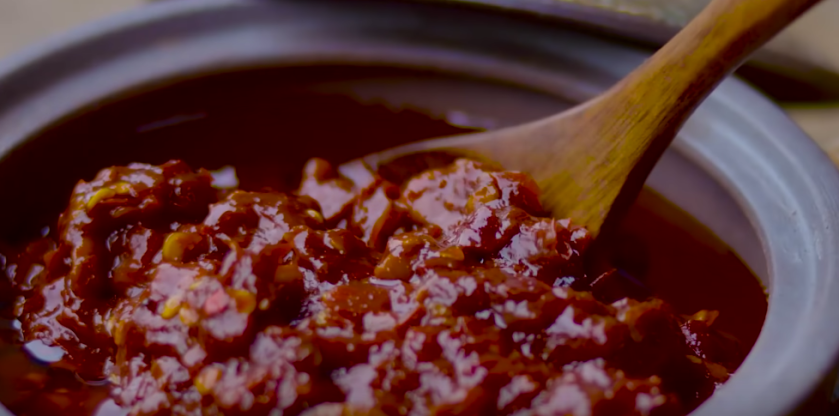
Sichuan cuisine, renowned for its bold and vibrant flavors, is a testament to the richness of Chinese culinary traditions. At the heart of this distinct cuisine lies a variety of condiments and sauces that infuse dishes with complex layers of heat, umami, and aroma. Among these, Doubanjiang (豆瓣酱), or fermented chili bean paste, is arguably the most important and distinctive ingredient in Sichuan cooking. Known for its spicy, salty, and umami-rich profile, Doubanjiang is indispensable in crafting the authentic flavors of Sichuan dishes.
In this article, we will explore the history, production methods, and cultural significance of Doubanjiang, as well as its essential role in the Sichuan culinary landscape. From its humble beginnings to its status as a global ingredient, Doubanjiang has become a symbol of bold flavors and complex seasoning, essential for understanding both traditional and contemporary Sichuan cooking.
Part 1: The History and Evolution of Doubanjiang
1.1 The Origins of Doubanjiang
The origins of Doubanjiang can be traced back over 1,000 years to the Sichuan region in southwest China. Like many traditional Chinese condiments, it was originally developed as a way to preserve food and enhance its flavor. Fermented bean pastes have been a part of Chinese cooking since ancient times, and Doubanjiang is a natural evolution of these early methods of fermentation. The combination of fermented soybeans and chili peppers provided both a means of preservation and a powerful flavor enhancer.
The specific origins of Doubanjiang are often linked to the ancient town of Pixian (郫县), in Sichuan Province, which is still considered the birthplace of the most authentic version of this sauce. In fact, Pixian Doubanjiang has earned Geographical Indication (GI) status, meaning that the best quality versions of Doubanjiang are still produced here to this day.
1.2 Doubanjiang’s Role in Sichuan Cuisine
Doubanjiang is deeply woven into the fabric of Sichuan cuisine, and its influence cannot be overstated. Known for its bold, fiery flavors, Sichuan food has a reputation for combining the five fundamental tastes (sweet, sour, salty, bitter, and umami) in dynamic and balanced ways. Doubanjiang provides a foundation for many of these flavor combinations, contributing its umami depth, salty kick, and spicy heat to dishes like Mapo Tofu, Twice-Cooked Pork, and Sichuan Hot Pot.
Its versatility means it is used in a variety of applications: from stir-fries and sauces to marinades and dips. The ability of Doubanjiang to act as a base for other seasonings, complementing ingredients like garlic, ginger, green onions, and Sichuan peppercorns, makes it a crucial player in achieving the balance and complexity that Sichuan cuisine is known for.
Part 2: The Ingredients and Production of Doubanjiang
2.1 Key Ingredients in Doubanjiang
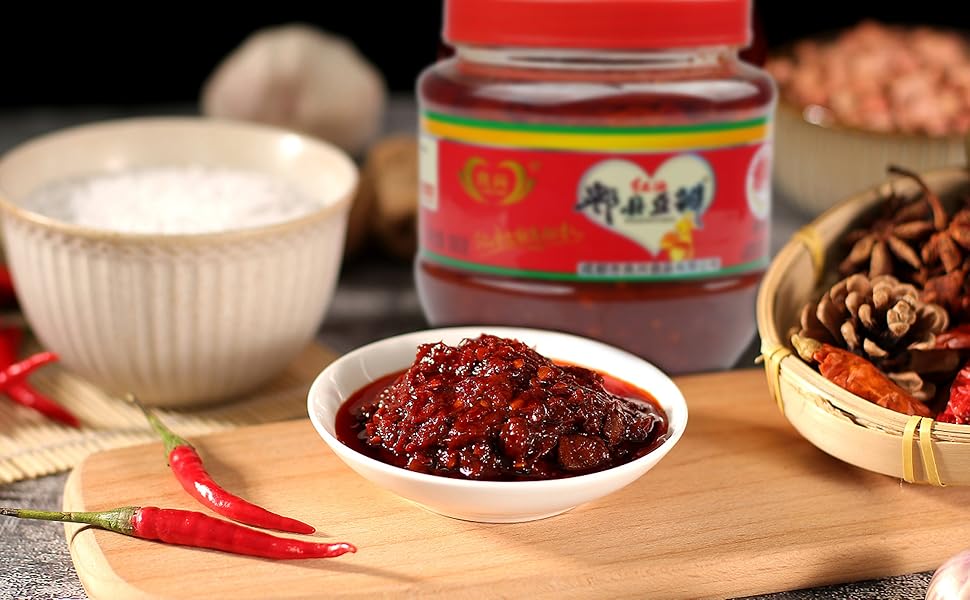
The main ingredients in Doubanjiang are fermented broad beans (fava beans), chili peppers, salt, and wheat flour. The process of fermentation is crucial to developing the sauce’s distinctive taste, which is the result of bacterial action on the beans and chili peppers over time.
- Broad Beans: The broad beans are typically fermented to develop a rich, earthy flavor that forms the base of Doubanjiang. These beans contribute to the umami and salty elements of the paste.
- Chili Peppers: The inclusion of dried chili peppers brings the characteristic spicy heat that makes Doubanjiang famous. Different varieties of chilies are used depending on the desired heat level and flavor.
- Salt and Wheat Flour: Salt helps in both the preservation process and flavor enhancement, while wheat flour acts as a starch-based binder that helps create the thick paste texture.
2.2 The Fermentation Process
Fermentation is at the core of Doubanjiang’s production, and this process can take several months. The beans and chili peppers are first washed, boiled, and then mixed with salt and wheat flour. The mixture is placed in stone jars or wooden barrels where it is left to ferment. During fermentation, natural microorganisms break down the ingredients, developing a deep, savory flavor with a complex, layered taste profile.
Over time, the fermentation process creates a rich aroma and a thicker consistency, and the paste becomes more potent. High-quality Doubanjiang is known for its deep red color, smooth texture, and balanced flavor, combining spiciness, saltiness, and umami in harmony.
Part 3: Doubanjiang’s Role in Sichuan Dishes
3.1 Signature Sichuan Dishes Featuring Doubanjiang
There are numerous iconic Sichuan dishes where Doubanjiang is used as the main flavoring component. Here are some of the most popular:
- Mapo Tofu (麻婆豆腐): One of the most famous dishes in Sichuan cuisine, Mapo Tofu combines tofu with ground meat (usually pork or beef), Doubanjiang, Sichuan peppercorns, and garlic. The result is a spicy, savory, and numbing dish that exemplifies the hallmark flavors of Sichuan cooking.
- Twice-Cooked Pork (回锅肉): This dish features pork belly that is first boiled, then sliced and stir-fried with Doubanjiang, leeks, and green peppers. The combination of spicy and salty flavors from Doubanjiang adds depth to the pork.
- Sichuan Hot Pot (火锅): Doubanjiang plays a key role in creating the flavorful broth for Sichuan hot pot. Mixed with Sichuan peppercorns, garlic, and other spices, Doubanjiang adds a layer of heat and umami, making the broth both bold and rich.
- Kung Pao Chicken (宫保鸡丁): While the primary flavors in Kung Pao Chicken come from soy sauce and vinegar, Doubanjiang is sometimes used to add extra depth to the sauce, enhancing the spicy and salty notes of the dish.
3.2 Doubanjiang’s Influence on Global Cuisine
Though Doubanjiang originated in Sichuan, its complex flavors have made it an increasingly popular ingredient in global cuisine. Chefs around the world are experimenting with Doubanjiang to create new fusion dishes, introducing the sauce’s spicy umami into non-Sichuan dishes. It is particularly popular in Asian fusion, vegetarian, and plant-based cooking due to its rich, savory flavor, which can stand in for meat-based seasonings.
Part 4: Modern Adaptations and Variations of Doubanjiang
4.1 Different Variants of Doubanjiang
Although the basic recipe for Doubanjiang remains largely the same, there are several regional and commercial variations:
- Pixian Doubanjiang: Considered the gold standard of Doubanjiang, this version is made with fava beans and has a deeper, richer flavor with a more pronounced spicy kick.
- Spicy Doubanjiang: Some variations of Doubanjiang use a higher proportion of chili peppers, resulting in a spicier and more intense flavor.
- Light Doubanjiang: In some recipes, a lighter version of Doubanjiang is made with fewer chili peppers and a more subtle fermentation process, suitable for dishes that require a less intense heat.
4.2 Doubanjiang in Contemporary Kitchens
In the modern culinary world, artisanal Doubanjiang is gaining popularity in fine dining kitchens. Chefs are experimenting with custom blends of beans, chilies, and seasonings, adapting the classic Doubanjiang to suit contemporary tastes. Additionally, as more people embrace plant-based diets, Doubanjiang’s deep umami profile has found a place in vegan and vegetarian dishes as a key flavoring ingredient.
Conclusion: The Enduring Legacy of Doubanjiang in Sichuan Cuisine
Doubanjiang is far more than just a condiment—it is the soul of Sichuan cuisine. With its unique balance of spiciness, saltiness, and umami, it transforms simple dishes into bold, flavorful experiences. From ancient fermentation techniques to modern-day adaptations, Doubanjiang continues to inspire chefs and food lovers around the world.
As more people become familiar with the complex and aromatic world of Sichuan flavors, Doubanjiang’s influence is set to grow. Whether used in traditional recipes or contemporary fusion creations, this humble bean paste remains a cornerstone of Sichuan culinary tradition, continuing to shape the future of global gastronomy.