





Introduction: The Magic of Matcha in Japanese Confections
Matcha, the finely ground powder of specially grown green tea leaves, is a cornerstone of Japanese culture and cuisine. Celebrated for its rich, umami flavor and vibrant green color, matcha has found its way into a variety of traditional and modern Japanese desserts. One of the most popular and beloved matcha confections is the matcha cake. This dessert combines the bitterness and depth of matcha with the delicate, airy texture of a cake—creating a beautiful balance that excites the palate.
The key to crafting the perfect Japanese matcha cake lies in two crucial elements: the selection of matcha powder and the mastery of cake texture. This article delves into these two factors, exploring how the choice of matcha influences flavor, color, and aroma, and how the techniques used in cake-making help create that signature light, fluffy texture.
We will also examine the cultural significance of matcha in Japan, its diverse culinary applications, and why matcha cake has become a favorite treat both within Japan and globally.
Part 1: The Significance of Matcha in Japanese Cuisine
1.1 The History of Matcha in Japan
Matcha’s origins can be traced back to China, where powdered tea was first used during the Tang Dynasty (618–907). However, it was Japan that truly embraced matcha and developed it into the integral part of its culture that it is today. During the 12th century, Japanese Zen Buddhist monks began to use matcha as part of their meditation rituals, valuing it for its calming effects and ability to sustain long hours of focused thought.
By the 15th century, the Japanese tea ceremony, known as chanoyu, began to take shape, with matcha as the star of the ritual. The tea ceremony emphasizes harmony, respect, purity, and tranquility, and matcha’s role in it became emblematic of these principles. Matcha’s cultural importance continued to grow, eventually extending beyond the realm of tea into the world of confections and culinary creations.
Today, matcha is found in everything from savory dishes to pastries, candies, and beverages. The powdered green tea’s distinctive color, flavor, and health benefits have made it a symbol of both Japanese tradition and modern creativity.
1.2 The Role of Matcha in Japanese Desserts
Matcha is not just an ingredient—it is an experience. Its earthy flavor profile, which combines bitter, sweet, and vegetal notes, provides a unique contrast to the sugar used in many desserts. In Japan, matcha is often incorporated into a variety of confections, such as mochi, dorayaki, wagashi, and cakes, each showcasing different aspects of its flavor and texture.
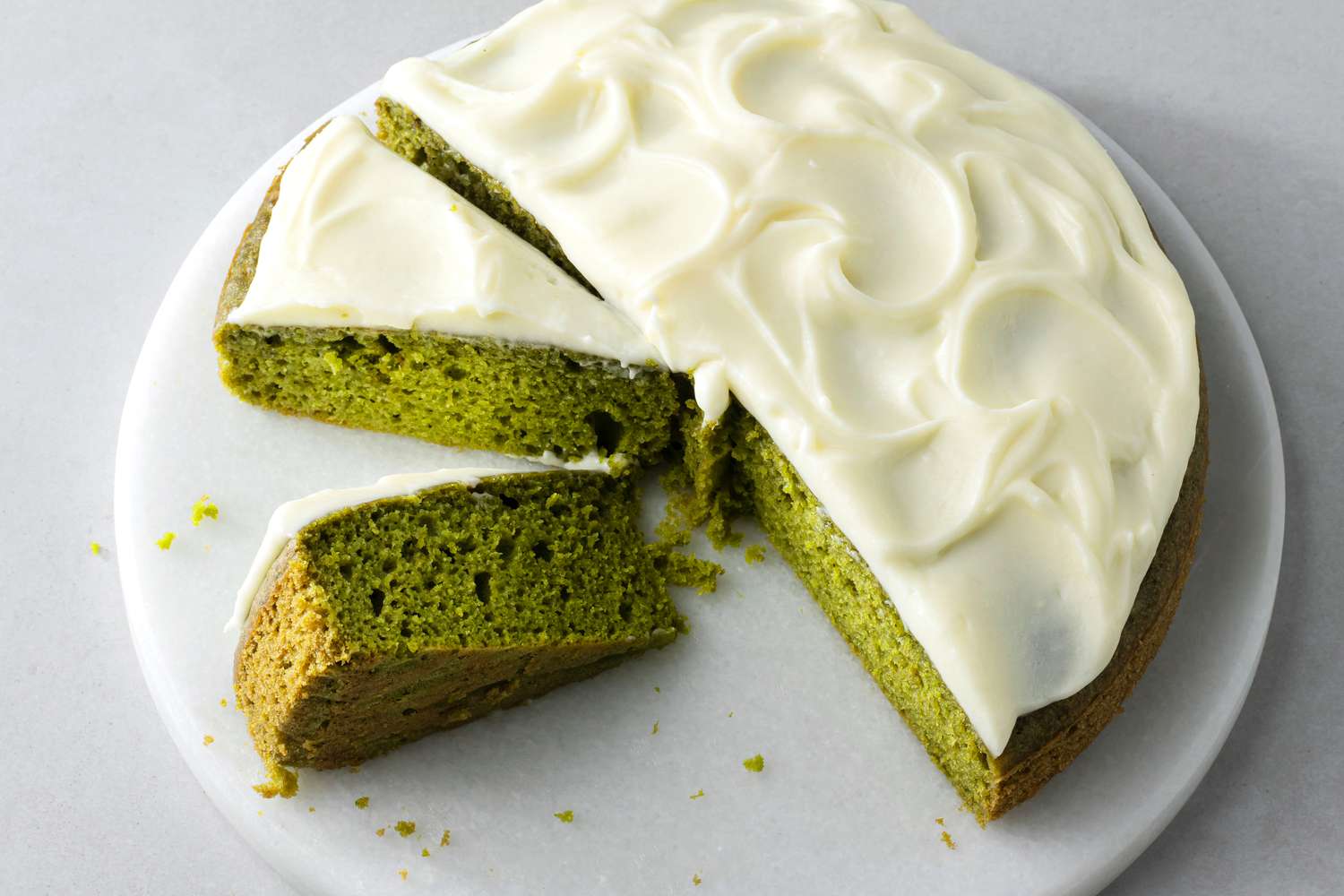
When used in cakes, matcha brings more than just a distinctive flavor—it imparts a vibrant green hue that immediately captivates the eyes. The powdered tea’s slightly bitter notes are balanced by sweetness, offering a harmonious interplay of flavors. The complexity of matcha also allows it to pair well with other ingredients, including cream, white chocolate, and red bean paste, which are common in Japanese desserts.
Matcha cakes, in particular, highlight the tea’s versatility. Whether layered in spongy chiffon cakes or used as a filling in mousse or cream cakes, matcha’s role is to enhance the cake’s texture while providing a refreshing, earthy contrast to the sweetness of other ingredients.
Part 2: Choosing the Right Matcha for Cake Making
2.1 The Different Grades of Matcha
Not all matcha powders are created equal. When selecting matcha for cake-making, it is crucial to understand the different grades of matcha and their respective uses. Matcha grades typically fall into three categories: ceremonial, culinary, and ingredient-specific matcha.
- Ceremonial Matcha: This is the highest-quality matcha, typically used in traditional Japanese tea ceremonies. It is vibrant green, finely ground, and has a smooth, delicate flavor. While it is ideal for drinking, ceremonial-grade matcha can also be used in cakes, though its cost makes it a less common choice for large batches of cake.
- Culinary Matcha: Culinary-grade matcha is more robust in flavor and slightly less refined than ceremonial matcha. It has a more pronounced bitterness and is designed specifically for cooking and baking. This grade is commonly used in matcha cakes, cookies, and ice creams.
- Ingredient-Specific Matcha: This grade of matcha is designed to blend well with other ingredients like sugar or flour. It is generally more affordable and works well in recipes that require matcha to be combined with various other elements.
For cakes, culinary-grade matcha is often the preferred choice due to its balance between flavor, color, and cost-effectiveness. It offers the ideal bitterness and depth needed to complement the cake’s sweetness while providing the signature green hue that makes matcha-based desserts so visually striking.
2.2 The Importance of Freshness in Matcha
Freshness plays a critical role in the quality of matcha used in cakes. As matcha is a finely ground powder, it is highly susceptible to oxidation, which can diminish its flavor and aroma. A stale matcha powder will lose its vibrant green color, becoming dull and brownish, and its flavor will become more bitter and less aromatic.
Professional chefs and bakers often recommend purchasing matcha in small quantities and using it soon after opening the package to ensure maximum freshness. To preserve its quality, matcha should be stored in an airtight container in a cool, dark place, away from heat, light, and moisture.
Fresh matcha not only enhances the flavor of the cake but also contributes to its light, fluffy texture, which is a key characteristic of a successful Japanese matcha cake.
Part 3: Crafting the Perfect Japanese Matcha Cake
3.1 The Role of Flour and Eggs in Cake Structure
The foundation of any cake lies in its structure, which is determined by ingredients like flour and eggs. When it comes to Japanese matcha cakes, achieving the perfect balance of lightness and moisture is crucial.
The type of flour used in matcha cake is typically a low-protein cake flour, which results in a tender, soft crumb. In many Japanese cake recipes, the flour is sifted multiple times to ensure a smooth texture and to avoid any lumps that could affect the final product. The flour-to-liquid ratio also plays a key role in achieving a light, airy texture. Adding too much flour can result in a dense cake, while too little can make the cake too fragile to hold up when cut or served.
Eggs are another essential ingredient that help provide structure and stability to the cake. In Japanese-style cakes, the egg whites are often beaten to stiff peaks and folded gently into the batter. This process helps incorporate air into the batter, contributing to the signature fluffiness of the cake. The yolks, on the other hand, contribute to the cake’s moisture and richness.
3.2 Achieving the Right Cake Texture
One of the hallmarks of a perfect Japanese matcha cake is its lightness and delicate crumb. To achieve this, chefs and bakers rely on several key techniques:
- Whisking the Batter: The process of whisking the batter, especially when incorporating eggs, is vital for creating a fluffy texture. Beating the egg whites until stiff peaks form ensures that the batter has the right amount of air, which helps the cake rise properly during baking. Folding the whites gently into the batter prevents the loss of air, maintaining the cake’s lightness.
- Room Temperature Ingredients: Ensuring that the eggs, butter, and other liquids are at room temperature helps achieve a smoother batter. Cold ingredients can cause the butter to seize up or cause uneven mixing, leading to a denser cake.
- Baking at the Right Temperature: Baking temperature is crucial for matcha cakes. Too high a temperature can cause the cake to brown too quickly on the outside while leaving the inside raw. Conversely, too low a temperature can result in a cake that doesn’t rise sufficiently. A moderate temperature, typically around 325°F (163°C), is ideal for a light, evenly cooked matcha cake.
3.3 Enhancing Flavor with Additional Ingredients
To complement the natural flavor of matcha, many Japanese matcha cake recipes incorporate additional ingredients that balance sweetness and enhance the overall flavor profile. A popular choice is the addition of red bean paste (anko), which adds a subtle sweetness and earthy depth to the cake.
Some bakers also use whipped cream, white chocolate, or yogurt to provide a rich, creamy contrast to the matcha’s bitterness. The combination of these ingredients results in a balanced dessert that showcases both the richness of the matcha and the sweetness of the accompanying flavors.
Part 4: The Presentation of Matcha Cakes
4.1 Aesthetic Appeal of Matcha Cakes
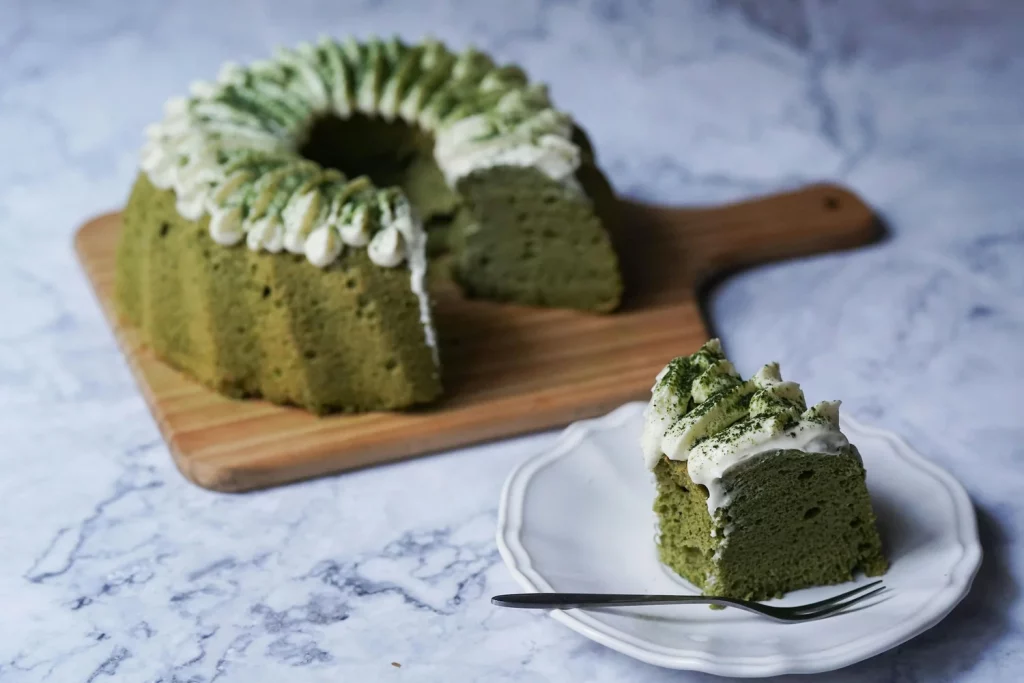
The visual appeal of a matcha cake is just as important as its taste. The vibrant green color of matcha adds an eye-catching element to the cake, making it a feast for both the eyes and the palate. Often, matcha cakes are decorated with delicate flourishes like powdered sugar, edible flowers, or a dusting of additional matcha powder.
In traditional Japanese fashion, simplicity is key when it comes to presentation. A perfectly baked matcha cake is often presented in a minimalist style, allowing the color and texture to shine. Some bakers even opt for a two-tone effect, layering matcha sponge cake with a contrasting flavor like vanilla or chocolate to create a striking visual contrast.
Conclusion: The Delicate Balance of Matcha and Cake
Japanese matcha cake is a perfect blend of tradition, technique, and creativity. From the careful selection of matcha powder to the delicate process of cake-making, every step is an opportunity to create a dessert that is both visually stunning and deliciously balanced. Whether enjoyed as a part of a traditional tea ceremony or served at a modern café, matcha cake remains a symbol of Japanese culinary artistry.
By focusing on the selection of high-quality matcha and mastering the techniques that create a light, fluffy cake, professional chefs and home bakers alike can craft a dessert that honors the essence of matcha while showcasing the finesse required to create a perfect cake. With its unique flavor and inviting texture, matcha cake continues to capture the hearts and taste buds of people around the world.