






Introduction: The Art of Flavor in Asian Cooking
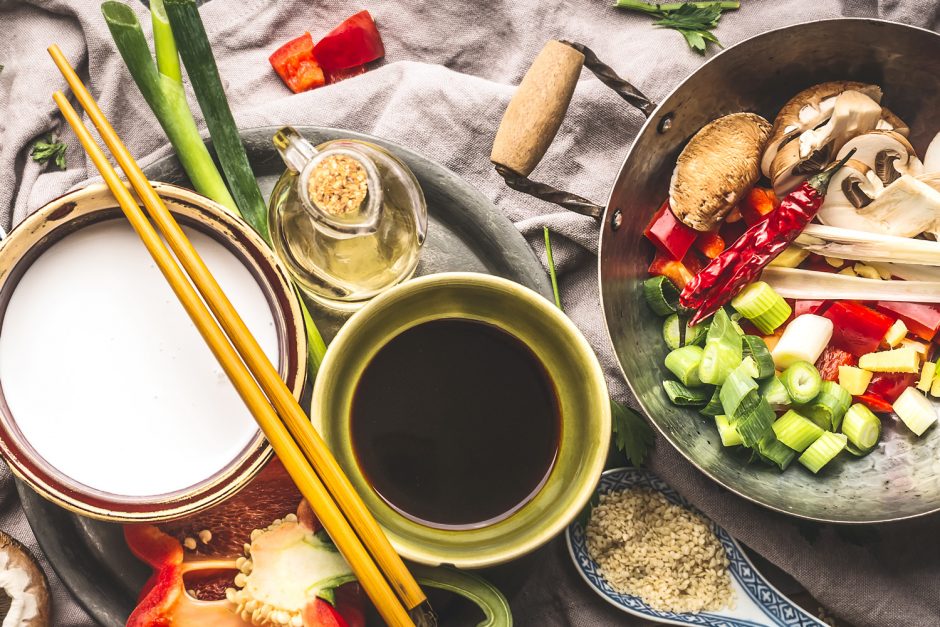
Condiments and seasonings are the soul of Asian cuisine. They are the essence that transforms basic ingredients into complex, aromatic dishes that captivate the senses. From the fiery heat of chili sauces to the earthy depth of fermented pastes, condiments are not merely additions to a dish—they are integral components of the culinary experience. Whether in China, Japan, Korea, Thailand, or India, every region has developed its own unique set of condiments that reflect the local culture, climate, and history.
The role of condiments in Asian cuisine goes beyond enhancing flavor. They elevate texture, balance flavors, and even contribute to the visual appeal of the dish. This article explores the indispensable role of condiments in Asian cooking, their diverse types, and how they shape the taste profiles of iconic dishes across the continent.
Part 1: The Role of Condiments in Asian Cuisine
1.1 Flavor Balancing and Layering
In traditional Asian cooking, achieving a harmonious balance of flavors is essential. The five primary tastes—sweet, sour, salty, bitter, and umami—are all emphasized and carefully balanced in Asian dishes. Condiments help create this balance, often with subtlety and nuance.
For example, in Chinese cuisine, the use of soy sauce provides saltiness and umami, while sugar or honey adds sweetness. Vinegar and citrus give sourness, and fermented pastes introduce savory depth. Each region has its own approach to achieving this balance, but the goal remains the same: to create a complex and harmonious flavor profile.
In Japan, for instance, condiments like soy sauce and miso contribute to the umami element, while wasabi adds heat and a bit of sharpness. In Thai cooking, fish sauce provides saltiness, while palm sugar adds sweetness, and tamarind delivers a tangy, sour note.
1.2 Enhancing Texture and Presentation
Condiments also play a significant role in the textural contrast of a dish. While the main ingredients might provide the bulk of the texture, condiments often add an additional layer that enhances the eating experience. The addition of a dollop of sauce, a sprinkle of crushed peanuts, or a dash of chili paste can dramatically change the feel of a dish.
For example, the crunchy texture of toasted sesame seeds in a dish like tahini noodles (a sesame paste-based dish) adds an interesting contrast to the smoothness of the sauce. Similarly, crispy shallots or garlic are often used as a garnish in many Southeast Asian dishes to offer both texture and flavor.
1.3 Preserving and Fermenting Food
Fermentation is an age-old technique used in many Asian cuisines, and condiments are often the product of this process. In fact, many of the most famous condiments in Asia, such as soy sauce, miso, kimchi, and fermented bean pastes, rely on fermentation to develop their rich, complex flavors. Fermentation not only enhances flavor but also preserves food, allowing it to be stored and enjoyed over long periods.
Korean kimchi (fermented vegetables) is a perfect example of how condiments can be both a preservative and a flavorful accompaniment. Similarly, Japanese miso and Chinese fermented bean paste add depth and character to various dishes while also aiding in preservation.
Part 2: Key Condiments in Asian Cuisines
2.1 Soy Sauce: The Quintessential Asian Seasoning
No discussion of Asian condiments would be complete without soy sauce, the most ubiquitous of all. Originating in China, soy sauce has become a staple in nearly every Asian kitchen. It is made from fermented soybeans, wheat, and salt, and its deep umami flavor makes it a versatile seasoning for both cooking and table use.
There are several types of soy sauce, each with its own particular uses:
- Light Soy Sauce: A thinner and saltier variety used primarily for seasoning and marinades.
- Dark Soy Sauce: This version is thicker and has a more robust, slightly sweet flavor, perfect for braising and simmering.
- Tamari: A type of soy sauce made without wheat, often used in gluten-free diets.
- Shoyu: A Japanese variety that combines soy and wheat, offering a more balanced flavor.
Soy sauce is an essential ingredient in stir-fries, dipping sauces, soups, and even sushi. Its umami-rich flavor enhances the natural taste of vegetables, meats, and fish, and it serves as a foundational base in many marinades and sauces.
2.2 Fish Sauce: The Savory Backbone of Southeast Asia
Another cornerstone of Asian condiments is fish sauce, particularly in Southeast Asian cuisines such as Thai, Vietnamese, and Cambodian cooking. Made from fermented fish, this salty and pungent sauce is a key ingredient in numerous dishes, providing depth and an unmistakable umami flavor.
- Thai Fish Sauce (Nam Pla): A staple in Thai cuisine, used in dishes like som tum (green papaya salad) and pad thai, it adds saltiness and umami.
- Vietnamese Fish Sauce (Nuoc Mam): Used in pho (Vietnamese noodle soup) and bun cha (grilled pork with noodles), it is typically paired with sugar and lime to create a savory-sweet dipping sauce.
The key to using fish sauce effectively lies in balance. It should never overpower a dish but rather complement other ingredients, adding a savory complexity that transforms a simple meal into something extraordinary.
2.3 Miso: The Umami-Packed Japanese Condiment
Miso is a fermented soybean paste that has been an essential part of Japanese cuisine for centuries. It is made by fermenting soybeans with salt and a fungus called Aspergillus oryzae. The result is a thick, flavorful paste that ranges from mild and sweet to salty and robust, depending on the fermentation process.
Miso is most commonly used in miso soup, a staple of Japanese breakfasts, but it also serves as the foundation for marinades, dressings, and sauces. The depth of umami in miso helps to balance out the sweetness of ingredients like vegetables or seafood, creating a harmonious flavor profile.
- Red Miso: More fermented and intense in flavor, often used in heartier dishes like miso ramen.
- White Miso: Milder and sweeter, perfect for lighter dishes such as soups or salad dressings.
Miso also offers health benefits, including probiotics, which contribute to gut health.
2.4 Chili Pastes and Sauces: Spice and Heat Across Asia
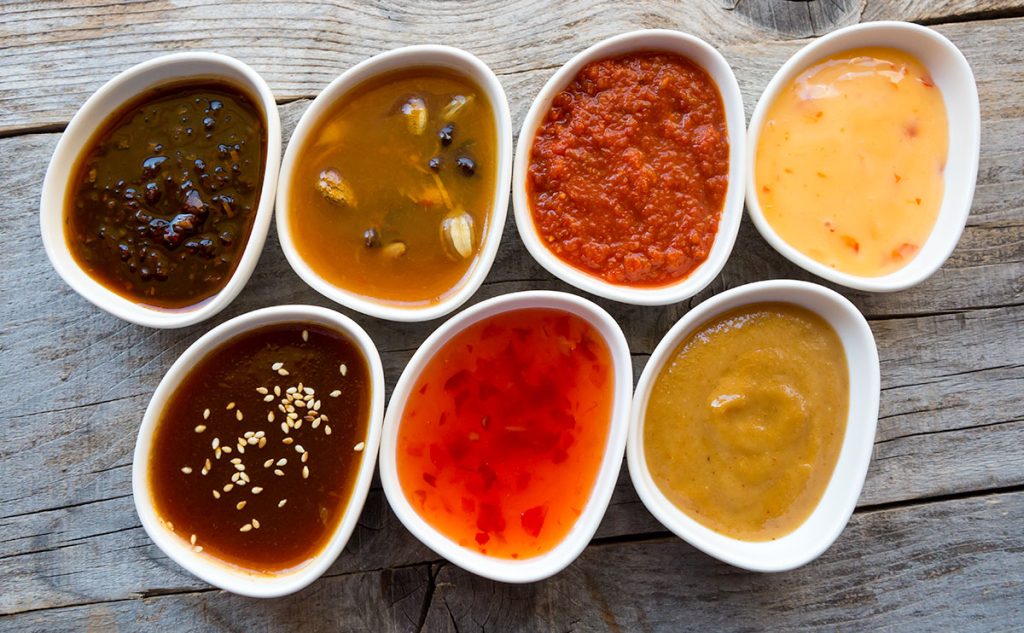
Chili-based condiments are essential in many Asian cuisines, adding heat and complexity to dishes. From Korea’s gochujang to China’s la doubanjiang, chili pastes are indispensable in creating the spicy, bold flavors that characterize much of Asian cooking.
- Gochujang (Korean Chili Paste): This savory, spicy, and slightly sweet paste is made from fermented chili, rice, and soybeans. It is a key ingredient in Korean dishes like bibimbap and kimchi jjigae (kimchi stew).
- Sriracha (Thai Chili Sauce): Known for its balance of spice, sweetness, and garlic, Sriracha is commonly used in Thai, Vietnamese, and American-Asian fusion cuisine. It is a popular dipping sauce and a key ingredient in dishes like pho and pad thai.
These chili-based condiments provide heat but also contribute layers of flavor that elevate the overall taste of a dish. The balance of spice, saltiness, sweetness, and umami is essential for creating memorable, crave-worthy dishes.
2.5 Tamarind: A Tangy and Sweet Source of Sourness
Tamarind is another vital ingredient in many Asian cuisines, known for its distinct tangy, sweet-sour flavor. The fruit of the tamarind tree is used in both its fresh and paste forms, and it is especially popular in Indian, Thai, and Indonesian cooking.
- In Indian Cuisine: Tamarind is used to add sourness to dishes like sambar (a lentil stew) and chutneys. It also features prominently in curries and snacks like pani puri.
- In Thai Cuisine: Tamarind is often found in the signature sweet-sour balance of Thai dishes like pad thai and tom yum soup, where it pairs with fish sauce and palm sugar.
Tamarind’s unique tartness cuts through rich flavors, making it an ideal complement to fatty meats, deep-fried items, and spicy foods.
Part 3: The Regional Variety of Condiments in Asia
3.1 East Asia: The Subtlety of Soy and Fermented Flavors
In East Asia, soy-based condiments like soy sauce and miso dominate, contributing to the delicate balance of flavors in Chinese, Japanese, and Korean cuisine. Fermented flavors are at the heart of many traditional dishes, where umami and saltiness harmonize with subtle sweetness and acidity.
In Chinese cuisine, fermented bean paste (doubanjiang) and black vinegar are key flavor agents in stir-fries, braises, and dipping sauces. Korean cuisine, with its emphasis on fermentation, relies on kimchi and gochujang (fermented chili paste) to provide depth of flavor and heat.
3.2 Southeast Asia: Bold and Vibrant Condiments
Southeast Asian cuisine is known for its bold, vibrant flavors, and condiments play a key role in achieving this profile. Thai, Vietnamese, and Malaysian dishes incorporate fish sauces, chili pastes, and tangy tamarind to create rich, multi-layered flavor profiles that are both refreshing and aromatic.
Indian cuisine, with its rich array of spices, relies on condiments like tamarind chutney, yogurt-based raitas, and spicy pickles to balance out the heat and complexity of its curries and stews.
3.3 South Asia: The Complexity of Spices and Pastes
South Asian cuisine, including that of India, Pakistan, and Sri Lanka, features a diverse range of condiments, from tangy chutneys and pickles to yogurt-based sauces and spicy pastes. These condiments add an extra layer of complexity to curries, rice dishes, and grilled meats, offering a balance of sour, sweet, spicy, and salty elements.
Chutneys, made from ingredients like mango, mint, or coconut, complement curries by providing refreshing sweetness or tang. Pickles, often fermented, are used to add sharpness and heat.
Conclusion: Condiments as the Heart of Asian Flavor
Condiments are more than just seasoning; they are integral to the identity of Asian cuisine. These small but powerful additions elevate dishes, provide balance, and contribute to the health benefits of the meal. Whether it’s the umami of soy sauce, the tang of tamarind, or the heat of chili pastes, Asian condiments are essential in creating the deep, complex, and harmonious flavors that define the continent’s diverse culinary traditions.
As global culinary interest in Asian food continues to grow, the role of condiments remains pivotal in preserving authenticity and offering a truly immersive culinary experience. By understanding and appreciating these condiments, we gain deeper insight into the rich, multifaceted world of Asian cuisine.