






Introduction
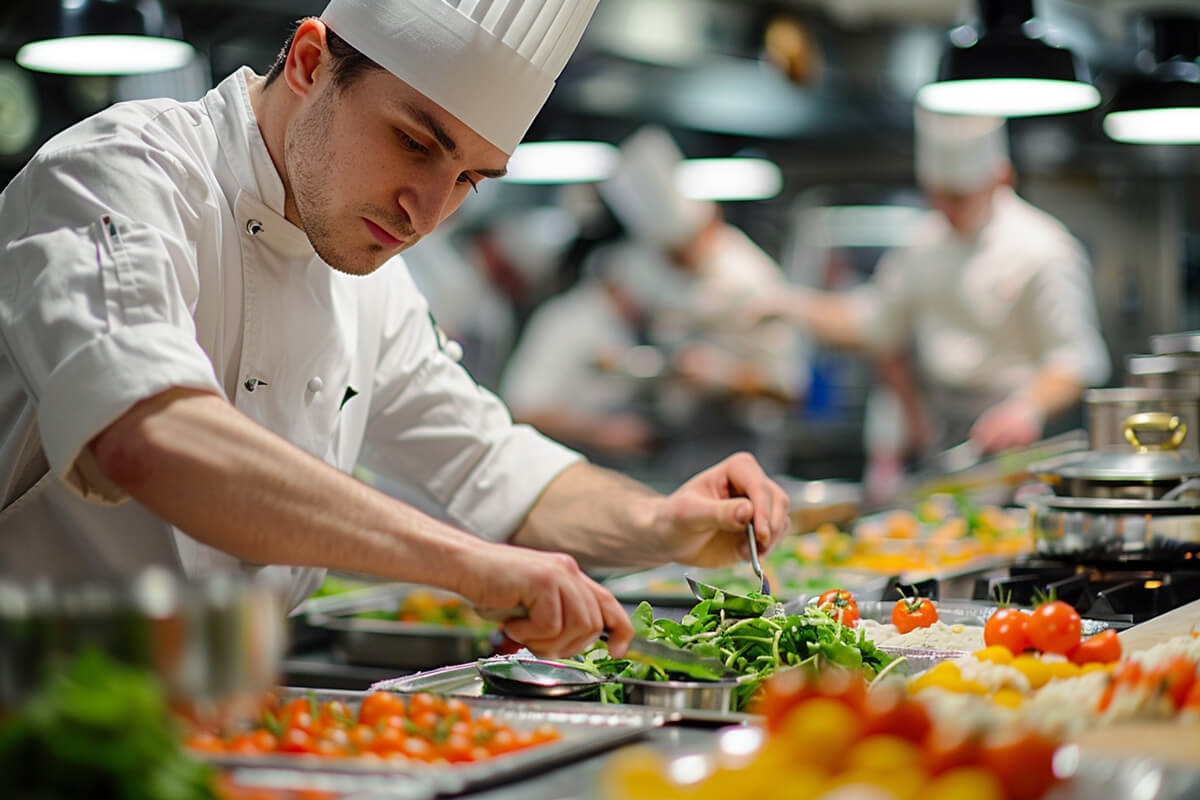
Becoming a master in the kitchen requires more than just following recipes—it’s about understanding the techniques, precision, and artistry behind cooking. Professional chefs often possess an incredible level of skill that allows them to create mouth-watering dishes with ease. They understand not only how to cook, but why certain methods, techniques, and tools work the way they do. The mastery of knife skills, saucing techniques, proper seasoning, and advanced cooking methods can transform an average meal into a culinary masterpiece.
This article is designed to give you an in-depth understanding of the culinary techniques that professional chefs use to perfect their craft. From basic knife skills to advanced cooking methods like sous-vide and sautéing, we’ll explore the skills that elevate home cooking to the level of a Michelin-starred restaurant. By the end of this guide, you’ll not only know what professional chefs do but how you can incorporate their techniques into your own kitchen.
1. Essential Kitchen Tools Every Chef Uses
1.1 The Importance of the Right Tools
In a professional kitchen, tools are as crucial as the ingredients. The right tools help chefs work efficiently, maintain consistency, and achieve precision in their cooking. Let’s take a look at some of the most essential kitchen tools every professional chef swears by.
- Knives: The chef’s knife, paring knife, and serrated knife are essential in almost every dish. A professional chef knows the importance of keeping knives sharp and using them for the right tasks to ensure clean, precise cuts.
- Cutting Boards: A wooden or plastic cutting board is necessary for preventing damage to knives and to provide a stable surface for chopping ingredients.
- Tongs and Whisks: Tongs are used to flip and handle food in pans without disturbing the texture. A whisk is essential for emulsifying, whipping, and making sauces.
- Pots and Pans: Chefs use a variety of sauté pans, saucepans, and stock pots to create everything from sauces to soups and stir-fries.
1.2 Investing in Quality Equipment
While it’s tempting to buy cheaper, mass-market versions of these tools, professional chefs understand that quality matters. High-end knives, cast iron skillets, and non-stick pans make a significant difference in food quality, cooking time, and consistency. Investing in the right equipment ensures that you get the most out of your ingredients.
2. Knife Skills: The Foundation of Professional Cooking
2.1 Understanding Different Knife Cuts
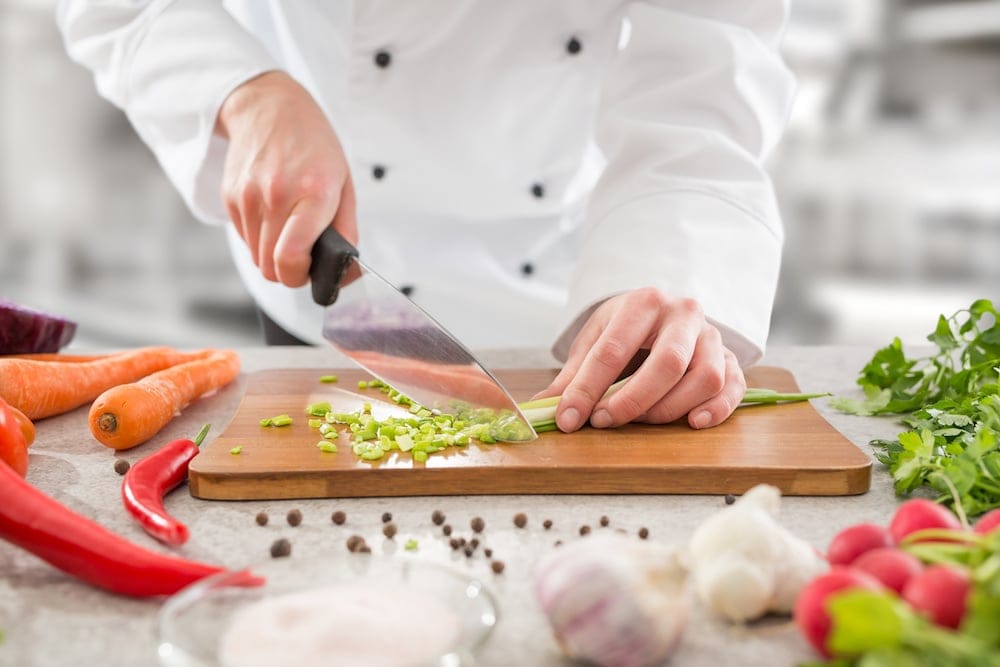
Professional chefs know that mastering knife skills is essential for efficiency, consistency, and safety in the kitchen. Here are some fundamental cuts and techniques every chef should know:
- Julienne: Cutting vegetables into long, thin strips. Common for preparing vegetables like carrots, zucchinis, and bell peppers for stir-fries or garnishes.
- Brunoise: A finely diced cut that involves first julienning the vegetable and then cutting the strips into tiny cubes. Used for salsas and salads.
- Chiffonade: A technique used for herbs or leafy vegetables. The leaves are stacked, rolled, and cut into thin strips, perfect for garnishing or incorporating into dishes.
- Mince: The act of chopping ingredients (such as garlic or shallots) into very fine pieces. This technique ensures even distribution of flavor throughout the dish.
2.2 Knife Maintenance
Proper knife care is essential for safety and performance. A professional chef always knows how to maintain their knives:
- Sharpening: Regular sharpening is necessary to keep the blade sharp. Using a whetstone or professional-grade sharpener ensures that the knife stays in top condition.
- Proper Handling: A chef understands the importance of holding a knife with the right grip—using the pinch grip (holding the blade between the thumb and index finger) for more control and precision.
- Cleaning and Storing: Knives should be cleaned immediately after use to prevent rust. Storing knives properly on a magnetic strip or in a knife block ensures they remain sharp and safe.
3. Mastering Cooking Techniques
3.1 Sautéing: Perfecting the Art of Quick-Cooking
Sautéing is one of the most fundamental cooking techniques used by professional chefs. It involves cooking food quickly over high heat, usually with oil or butter. The goal is to brown the food and develop flavors through Maillard reaction.
- Heat Management: The key to sautéing is controlling heat. Preheat the pan before adding oil, and make sure the oil shimmers before adding food. This prevents sticking and ensures that the food cooks evenly.
- Constant Movement: Use a spatula to constantly move the food in the pan to ensure even cooking. For large batches, it’s often better to sauté in smaller portions to avoid overcrowding the pan.
3.2 Roasting and Baking: Creating Layers of Flavor
Professional chefs use roasting and baking to create dishes that are both flavorful and visually appealing. Roasting meats, vegetables, or even fruits helps to develop complex flavors through caramelization and Maillard reaction.
- Roasting Vegetables: Roasting enhances the natural sweetness of vegetables like carrots, parsnips, or Brussels sprouts. A professional chef knows how to cut vegetables into uniform pieces to ensure even cooking.
- Baking: For baking delicate items such as bread, cakes, or pastries, a professional oven and precise timing are critical to success. Chefs measure ingredients meticulously, ensuring the right texture and consistency.
3.3 Braising: Low and Slow for Tender Results
Braising is a technique where food is first seared, then slowly cooked in liquid at a low temperature. This method is perfect for tougher cuts of meat, making them tender and flavorful.
- Searing First: A professional chef knows that browning the meat before braising adds rich color and flavor to the final dish.
- Choosing the Right Liquid: The choice of liquid—whether it’s broth, wine, or beer—can add layers of flavor to the dish. The key is to cook the food gently to allow the flavors to develop.
4. The Art of Sauces: Elevating Dishes with Flavor
4.1 The French Mother Sauces
A professional chef is highly skilled in making sauces, as they are often the centerpiece of a dish. French cuisine, in particular, relies on five basic “mother sauces,” which are the foundation for countless variations.
- Béchamel: A white sauce made from butter, flour, and milk. It’s used in dishes like macaroni and cheese or gratin.
- Velouté: Similar to béchamel, but made with stock instead of milk. Used in chicken velouté and fish dishes.
- Espagnole: A rich brown sauce made from beef stock, tomato paste, and roux. Perfect for red meats and stews.
- Hollandaise: A creamy, tangy sauce made from butter, egg yolks, and lemon juice, essential in eggs Benedict.
- Tomato Sauce: A basic tomato sauce is used for countless dishes, from pastas to braises.
4.2 Emulsification: Creating Creamy Dressings and Sauces
Emulsification is a technique where two ingredients that don’t naturally combine—like oil and vinegar—are blended together to form a smooth, cohesive sauce or dressing. The most common example of emulsification is mayonnaise or vinaigrette.
- Whisking Technique: A professional chef knows that slow, steady incorporation of oil into the vinegar or egg yolks ensures that the emulsion forms correctly.
- Tools of the Trade: Using a whisk or blender allows chefs to maintain the consistency of the emulsified sauce, preventing separation.
5. Advanced Cooking Methods for Professional Chefs
5.1 Sous-Vide: Precision Cooking with Immersion
Sous-vide is a cooking method that involves sealing food in a vacuum-sealed bag and cooking it in a water bath at a precise temperature. This method ensures perfect, even cooking every time, especially for proteins.
- Temperature Control: A chef needs to know how to properly set the sous-vide machine for the type of food they are cooking. For example, steak might be cooked at 130°F for a perfectly medium-rare result.
- Finishing the Dish: After cooking sous-vide, the food is usually finished by searing it in a hot pan to develop a golden crust.
5.2 Smoking: Infusing Rich Flavor
Smoking is an advanced technique used by professional chefs to infuse food with a smoky flavor. It involves cooking food over low heat and wood smoke for hours.
- Choosing the Right Wood: Different woods like hickory, apple, or mesquite impart unique flavors to the food. A professional chef chooses the wood based on the ingredients they are smoking.
- Cold vs. Hot Smoking: Cold smoking is used for salmon or cheeses, while hot smoking is used for meats like brisket or ribs.
Conclusion
Becoming a master in the kitchen takes time, practice, and dedication. By learning the techniques used by professional chefs—from mastering knife skills to experimenting with advanced cooking methods—you can elevate your cooking and bring a new level of creativity to your meals. Whether you are cooking for family or aspiring to be a professional chef yourself, mastering these techniques will give you the foundation to cook like a pro.
Remember that cooking is both an art and a science. Understanding the why behind each technique will make you a more thoughtful and precise cook, and your dishes will reflect that dedication. With patience, practice, and a bit of culinary curiosity, you can unlock the full potential of your kitchen and create unforgettable meals like a true professional.