






Introduction
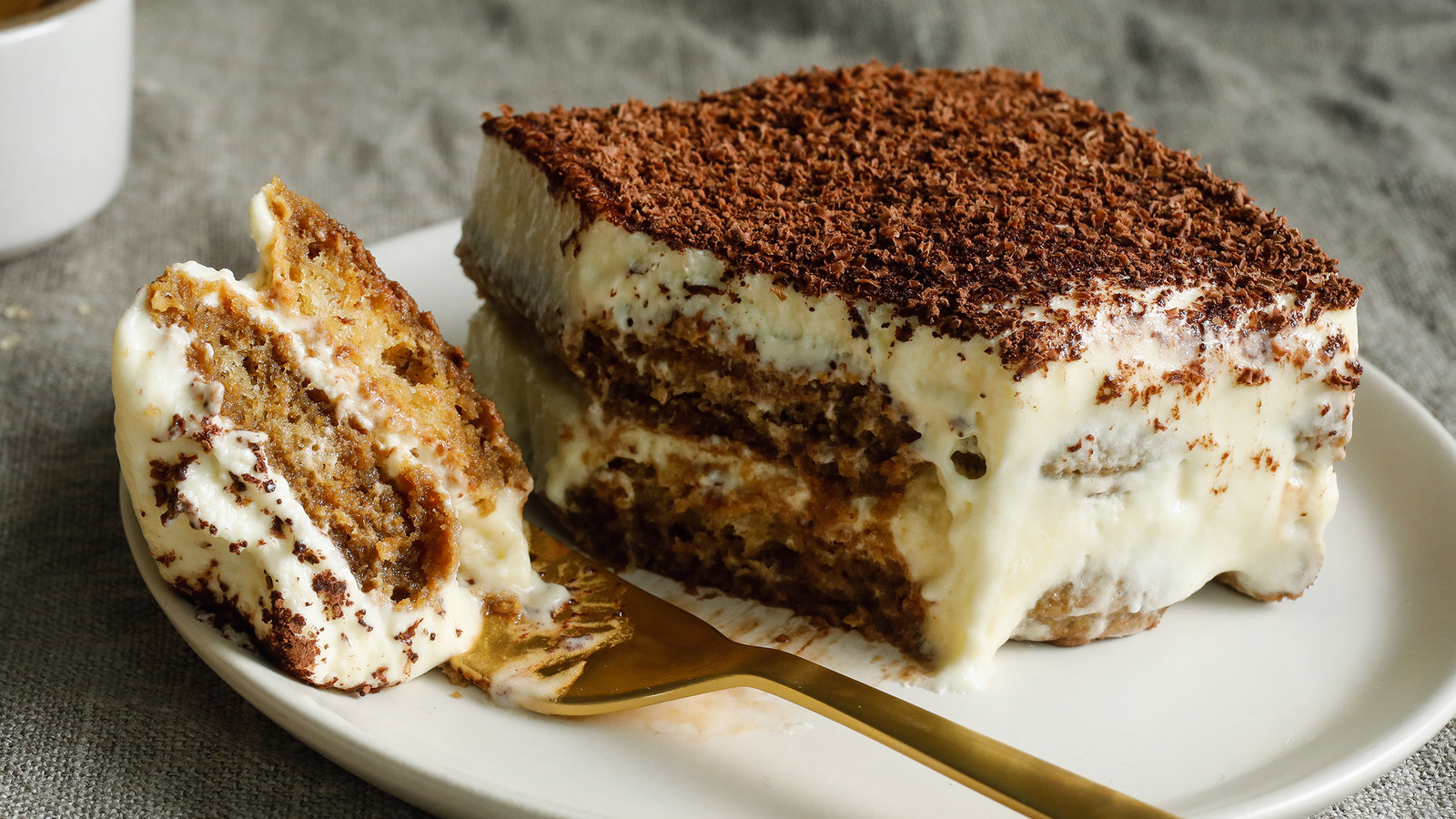
Italy is renowned for its rich culinary heritage, and few desserts are as celebrated and globally recognized as Tiramisu. With its delicate layers of coffee-soaked ladyfingers, creamy mascarpone filling, and a dusting of cocoa powder, Tiramisu exemplifies the Italian ability to create indulgent flavors with seemingly simple ingredients. Its name, meaning “pick me up” or “cheer me up” in Italian, reflects both its energizing coffee base and the joyful experience it provides to those who savor it.
Originating in the Veneto region of Italy during the late 20th century, Tiramisu has grown beyond its regional roots to become a worldwide symbol of Italian desserts. Its popularity stems not only from its decadent taste but also from the balance it achieves: the bitterness of espresso, the richness of mascarpone, and the subtle sweetness of sugar and liqueur combine to create a complex, layered flavor profile that delights the senses.
In this article, we will explore the historical origins of Tiramisu, the key ingredients that define its unique taste and texture, step-by-step instructions for making an authentic version at home, as well as variations and tips for achieving the perfect dessert. We will also delve into the science behind its creamy consistency and the cultural significance that has made Tiramisu a fixture on dessert menus around the world.
1. The History and Cultural Origins of Tiramisu
1.1 Origins in Veneto, Italy
Tiramisu’s exact origins are the subject of some debate, but most food historians agree that it was created in the Veneto region of Northern Italy, possibly in the city of Treviso, during the 1960s or 1970s. Its invention is often attributed to pastry chefs at local restaurants and cafes seeking a dessert that was light, flavorful, and easy to prepare for large groups of diners.
Unlike other Italian classics with centuries of documented history, Tiramisu’s relatively modern origin highlights the evolving nature of Italian gastronomy in the 20th century, where experimentation with coffee and mascarpone led to an entirely new kind of dessert experience.
1.2 The Name “Tiramisu”
The term “Tiramisu” literally translates to “pick me up” in Italian, referring to the dessert’s combination of caffeine, sugar, and cream, which has an energizing and uplifting effect. This playful and descriptive name has contributed to the dessert’s enduring appeal, giving it both a culinary and emotional resonance.
1.3 Tiramisu’s Rise to International Fame
By the 1980s, Tiramisu began to appear outside Italy, first in European restaurants and later worldwide. The dessert’s combination of coffee and creamy sweetness resonated with diverse palates, and it quickly became a staple on menus from North America to Asia. Today, Tiramisu is a symbol of Italian culinary sophistication and creativity.
2. Key Ingredients and Their Roles in Tiramisu
Tiramisu’s magic lies in the interplay of a few carefully chosen ingredients. Each component plays a specific role in building the dessert’s texture, flavor, and aroma.
2.1 Ladyfingers (Savoiardi)
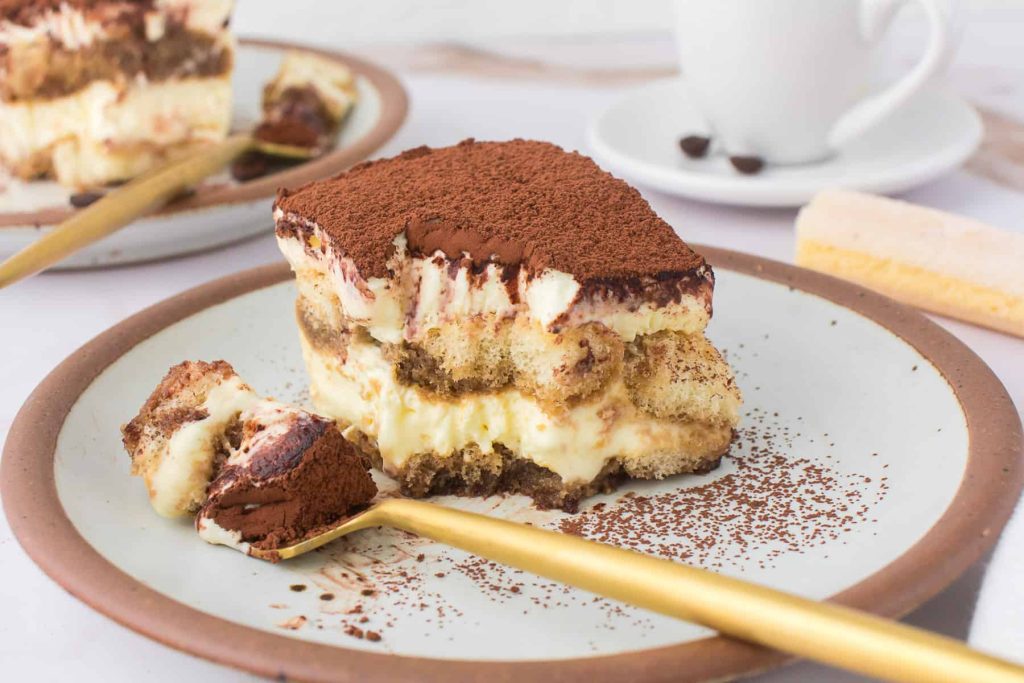
The ladyfinger, or savoiardi, is a delicate sponge biscuit that provides the structural foundation of Tiramisu. These light, airy biscuits are absorbent enough to soak up coffee and liqueur without disintegrating, giving the dessert its characteristic layered texture.
- Texture: Ladyfingers provide a subtle, spongy texture that contrasts with the creamy mascarpone filling.
- Absorption: Their porous structure allows them to soak coffee or espresso quickly, imparting flavor while remaining intact.
2.2 Mascarpone Cheese
Mascarpone is a rich, Italian cream cheese with a smooth, velvety texture. It is the heart of Tiramisu’s creamy layer.
- Flavor: Mild, slightly sweet, and buttery.
- Function: Combines with eggs or whipped cream to create the custard-like filling. Its fat content contributes to the dessert’s luxurious mouthfeel.
2.3 Coffee
Strong espresso or coffee is essential to Tiramisu, providing both flavor and a slight bitterness that balances the sweetness of the mascarpone layer.
- Quality matters: Freshly brewed espresso provides depth and aroma.
- Temperature: Coffee should be cooled slightly before soaking the ladyfingers to prevent sogginess.
2.4 Eggs and Sugar
Egg yolks and sugar are commonly combined to create a creamy custard base, sometimes cooked gently to ensure safety. Some modern recipes use raw egg yolks, but traditional recipes rely on fresh, high-quality eggs.
- Egg yolks: Contribute to the rich texture and color.
- Sugar: Sweetens the custard and balances the coffee’s bitterness.
2.5 Liqueur (Optional)
Many Tiramisu recipes include a splash of Marsala wine, rum, or coffee liqueur such as Kahlúa. Alcohol enhances the complexity of flavors and adds warmth to the dessert.
2.6 Cocoa Powder
A final dusting of unsweetened cocoa powder gives Tiramisu its classic finishing touch. It provides visual contrast and a slightly bitter note that balances the sweet layers beneath.
3. Step-by-Step Guide to Making Classic Tiramisu
Making authentic Tiramisu requires careful layering and attention to detail. Below is a traditional method that produces a rich, balanced dessert.
Ingredients
- 6 large egg yolks
- ¾ cup granulated sugar
- 1 cup mascarpone cheese
- 1 ½ cups heavy cream
- 1 ½ cups brewed espresso, cooled
- 2 tablespoons Marsala wine (optional)
- 24-30 ladyfingers
- Unsweetened cocoa powder, for dusting
Instructions
Step 1: Prepare the Mascarpone Cream
- Whisk egg yolks and sugar over a double boiler until thick and pale. This ensures safety and creates a custard-like texture.
- Allow to cool slightly, then gently fold in mascarpone cheese until smooth.
- Separately, whip heavy cream to stiff peaks and fold into the mascarpone mixture to lighten it.
Step 2: Prepare the Coffee Mixture
- Combine espresso with Marsala wine (if using) in a shallow dish.
- Ensure coffee is cooled to room temperature to prevent soggy ladyfingers.
Step 3: Layering the Dessert
- Quickly dip each ladyfinger into the coffee mixture—do not soak too long.
- Arrange a layer of soaked ladyfingers in a serving dish.
- Spread half of the mascarpone cream over the ladyfingers.
- Repeat with another layer of soaked ladyfingers and the remaining cream.
Step 4: Chill and Set
- Cover and refrigerate for at least 4-6 hours, ideally overnight. This allows flavors to meld and the dessert to firm up.
Step 5: Finish with Cocoa Powder
- Just before serving, sift unsweetened cocoa powder evenly over the top layer.
- Optionally, garnish with chocolate shavings or fresh berries.
4. Variations of Tiramisu
While classic Tiramisu remains a favorite, many variations have emerged:
- Fruit Tiramisu: Incorporates strawberries, raspberries, or peaches for a fresh twist.
- Chocolate Tiramisu: Uses chocolate layers or cocoa-flavored ladyfingers.
- Matcha Tiramisu: Japanese-style variation with green tea powder replacing cocoa.
- Mini Tiramisu Cups: Individual portions for elegant presentation.
5. Tips for Perfect Tiramisu
- Use fresh, high-quality ingredients—especially eggs, mascarpone, and espresso.
- Do not over-soak ladyfingers—brief dipping prevents sogginess.
- Chill adequately—overnight refrigeration enhances texture and flavor.
- Serve chilled—Tiramisu is best enjoyed cold to maintain its delicate layers.
- Dust with cocoa powder last minute—prevents absorption and keeps the topping dry and visually appealing.
6. The Science Behind Tiramisu
Tiramisu’s texture is a result of careful balancing of liquid absorption and fat emulsification:
- Ladyfingers absorb liquid through capillary action but retain structure due to their sponge-like texture.
- Mascarpone and whipped cream combine to create a stable emulsion, giving the dessert its creamy consistency.
- Refrigeration allows the layers to meld, ensuring an even distribution of flavor and moisture.
Conclusion
Tiramisu is more than just a dessert; it is a culinary icon that embodies the artistry and elegance of Italian cuisine. Its combination of coffee, mascarpone, sugar, and cocoa delivers a harmonious balance of flavor and texture, making it a timeless favorite worldwide. Whether prepared in a traditional format or adapted with modern variations, Tiramisu continues to inspire chefs and dessert lovers alike. With the proper technique and quality ingredients, anyone can experience the magic of this Italian classic at home.