






Introduction:
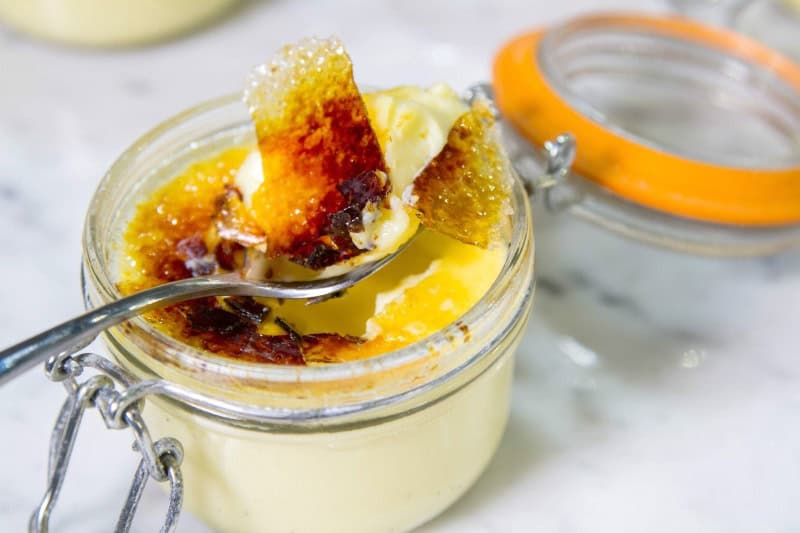
There are few desserts as universally adored and as rich in tradition as Crème Brûlée. This iconic French dessert has become a symbol of culinary sophistication and is beloved by food enthusiasts worldwide for its delicate balance of textures and flavors. With its silky smooth custard base, crowned by a crisp layer of caramelized sugar, Crème Brûlée is a dessert that offers both indulgence and elegance.
Although the history of Crème Brûlée is debated—some argue that it originated in France, while others trace its roots to England and Spain—it has undeniably become a cornerstone of French pastry tradition. The simplicity of its ingredients, paired with the luxurious result, makes Crème Brûlée a dessert that continues to captivate palates and inspire chefs across the globe.
In this article, we will delve into the origins of Crème Brûlée, explore its preparation methods, and examine the variations that have emerged over time. We will also discuss the scientific principles behind the creation of its velvety custard and that signature crispy caramelized topping. Whether you’re a professional chef looking to perfect your Crème Brûlée recipe or a home cook eager to recreate this classic treat, this guide will provide you with all the knowledge and inspiration needed to craft the perfect Crème Brûlée.
1. The History and Origins of Crème Brûlée
Crème Brûlée, often referred to as “burnt cream” in English, is an elegant French dessert that has intrigued historians and culinary experts alike for centuries. While its exact origins are unclear, the dessert has long been associated with French cuisine, and its name translates to “burnt cream,” referring to the signature crispy sugar crust that is traditionally caramelized with a flame.
Debates Over the Origins
The origins of Crème Brûlée are the subject of much debate. Some claim that it dates back to the 17th century, while others argue that the dessert has roots in England and Spain, where similar dishes have existed for centuries.
- England’s “Burnt Cream”: One of the earliest mentions of a dessert resembling Crème Brûlée can be found in English cookbooks dating back to the 17th century. A dish called “burnt cream” was often prepared by infusing cream with vanilla and then caramelizing sugar on top. It was a precursor to the modern version of Crème Brûlée.
- France’s “Crème Brûlée”: The French culinary world, however, claims the dessert as its own. The most famous reference to Crème Brûlée in French culture dates back to the 1691 cookbook of François Massialot, a French chef to King Louis XIV. His recipe described a custard-like dessert that was baked with a sugar topping. This early version of Crème Brûlée was served to aristocrats and royals, and its popularity grew as French pastry chefs refined it over the centuries.
Crème Brûlée in French Cuisine
Crème Brûlée became a prominent feature of French cuisine in the 18th and 19th centuries, often enjoyed at lavish banquets and dinner parties. The dessert’s popularity soared in the 1980s, thanks in part to renowned chefs like Jacques Pépin and Gaston Bachelard, who brought attention to the classic dish through their cookbooks and television shows.
Today, Crème Brûlée is a staple on dessert menus worldwide, representing the essence of French dessert-making—luxurious, yet simple, elegant, and rich in history.
2. The Ingredients and Preparation of Traditional Crème Brûlée
The beauty of Crème Brûlée lies in its simplicity. The dessert consists of only a few basic ingredients, each playing a pivotal role in creating its silky texture and delectable flavor.
Key Ingredients
- Heavy Cream (or Double Cream): The foundation of Crème Brûlée is heavy cream, which gives the custard its rich, smooth texture. The cream is heated and combined with egg yolks to create a velvety custard base.
- Egg Yolks: Egg yolks are crucial in creating the custard’s smooth, creamy consistency. They also provide the golden color and help thicken the custard.
- Vanilla Bean (or Vanilla Extract): The traditional flavoring for Crème Brûlée is vanilla. While vanilla beans are preferred for their aromatic qualities, vanilla extract can be used as a more convenient option. The seeds of the vanilla bean are scraped and infused into the cream for maximum flavor.
- Sugar: Sugar is used in two ways in Crème Brûlée: to sweeten the custard and to create the signature caramelized topping. The topping sugar is sprinkled on top of the cooled custard before being torched to form a crispy, glass-like finish.
- Salt: A pinch of salt is often added to enhance the sweetness and flavor complexity of the custard.
Preparing Crème Brûlée: Step-by-Step Instructions
Making Crème Brûlée involves a careful balance of technique and patience. Below is a step-by-step guide to preparing the classic French dessert.
Step 1: Infuse the Cream
Begin by heating the heavy cream over medium heat in a saucepan. Add the vanilla bean (split and scraped) to the cream. If you are using vanilla extract, wait until the cream has been removed from the heat to add it. Stir occasionally and let the cream come just to a simmer, but do not allow it to boil. Once it simmers, remove the pan from the heat and let the vanilla infuse for about 10 minutes.
Step 2: Whisk the Egg Yolks and Sugar
While the cream is infusing, whisk the egg yolks and sugar together in a separate bowl. You should aim to achieve a pale, slightly thickened mixture. This step is crucial because the sugar will help the egg yolks emulsify, giving the custard its smooth texture.
Step 3: Temper the Egg Mixture
Once the cream has infused, slowly pour it into the egg yolk mixture, a little at a time, while whisking continuously. This process, called tempering, ensures that the eggs do not cook and scramble when exposed to the hot cream. Pour the cream gradually to bring the temperature of the eggs up gently.
Step 4: Strain the Custard
To ensure that the custard is completely smooth, strain the mixture through a fine-mesh sieve into a clean bowl. This step removes any cooked egg particles and the vanilla bean pod, ensuring a silky custard.
Step 5: Bake the Custard
Preheat your oven to 325°F (160°C). Place your ramekins (small, oven-safe dishes) in a large baking dish. Pour the custard mixture evenly into the ramekins. Once all ramekins are filled, carefully pour hot water into the baking dish until it reaches halfway up the sides of the ramekins. This water bath (bain-marie) helps cook the custard gently, ensuring it stays smooth and creamy.
Bake the custards for 40-45 minutes, or until they are set around the edges but still slightly wobbly in the center. To check for doneness, insert a knife into the custard—if it comes out clean, the custard is ready.
Step 6: Cool and Chill
Remove the ramekins from the water bath and allow them to cool to room temperature. Once cooled, refrigerate the custards for at least 2 hours, or up to overnight. Chilling the custard helps it set to the perfect creamy consistency.
Step 7: Caramelize the Sugar Topping
When you are ready to serve the Crème Brûlée, sprinkle a thin, even layer of granulated sugar over the top of each custard. Using a kitchen torch, caramelize the sugar by gently heating it until it forms a golden, crispy crust. If you do not have a kitchen torch, you can also place the ramekins under a broiler for a few minutes, but be sure to watch carefully to avoid burning the sugar.
Once the sugar has caramelized, the dessert is ready to be served. The contrast between the crunchy sugar topping and the smooth custard is what makes Crème Brûlée such a memorable dessert.

3. Variations of Crème Brûlée
While the classic vanilla version of Crème Brûlée is the most well-known, there are numerous variations of this dessert that introduce new flavors and techniques. Here are a few popular adaptations:
Flavored Crème Brûlée
- Chocolate Crème Brûlée: By adding melted dark chocolate to the custard base, you can create a rich, decadent dessert that combines the classic smoothness of Crème Brûlée with the indulgent depth of chocolate.
- Coffee Crème Brûlée: Infusing the cream with coffee beans or espresso creates a robust, slightly bitter flavor that contrasts beautifully with the sweet caramelized topping.
- Fruit-flavored Crème Brûlée: Crème Brûlée can also be infused with flavors like lavender, citrus zest, or berries. For a fruit twist, try blending raspberry or lemon into the custard mixture for a refreshing and vibrant taste.
Savory Crème Brûlée
- Herb-infused Crème Brûlée: Savory versions of Crème Brûlée can be created by infusing the cream with herbs like thyme, rosemary, or basil, making a unique appetizer or side dish.
4. Serving Suggestions and Presentation
Crème Brûlée is often served in individual ramekins, which allow for easy portioning and a lovely presentation. Garnishing with fresh berries, such as raspberries, blueberries, or strawberries, can add color and contrast to the dessert. For an extra touch of sophistication, a sprig of mint or a sprinkle of powdered sugar can be added before serving.
Conclusion
Crème Brûlée is a timeless dessert that has earned its place in the pantheon of French culinary classics. With its delicate custard and signature caramelized sugar topping, this dessert offers an experience that combines simplicity and elegance. Whether you prefer the traditional vanilla version or are inclined to experiment with unique flavors, Crème Brûlée is a versatile and indulgent treat that never fails to impress.
By mastering the techniques outlined in this guide, you can bring a touch of French sophistication to your own kitchen and enjoy the authentic taste of Crème Brûlée at home.