





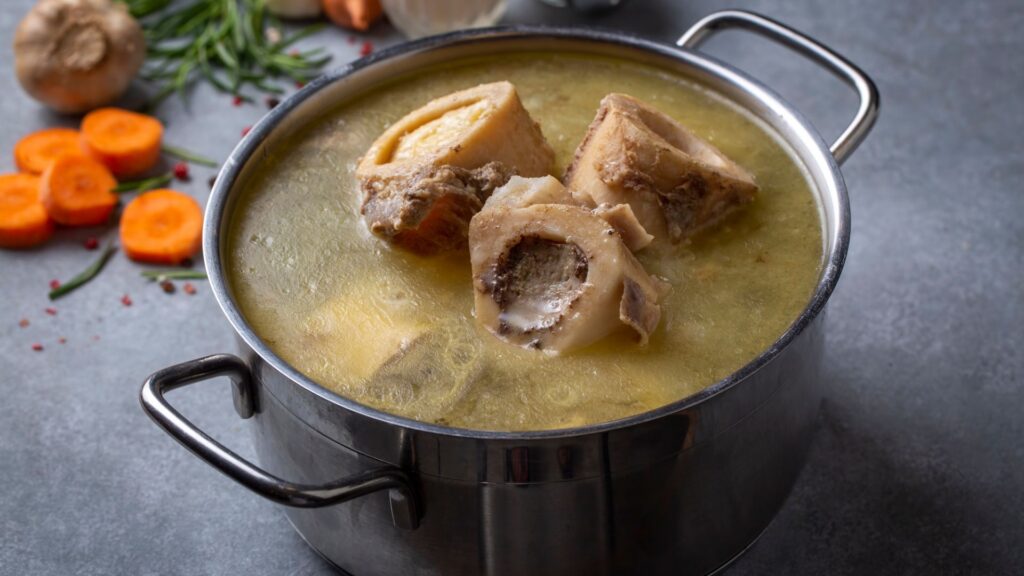

Beef bone broth is the cornerstone of many iconic dishes, from the steaming bowls of Vietnamese pho to rich stews and gourmet sauces. The process of creating a perfectly balanced beef bone broth combines science, technique, and artistry. A well-prepared broth is not merely flavorful; it is aromatic, nutrient-rich, and capable of elevating any dish it accompanies. This comprehensive guide explores every aspect of beef bone broth: selection of bones, cooking techniques, seasoning mastery, regional variations, and professional tips to ensure your broth reaches perfection.
1. The Essence of Beef Bone Broth
1.1 Why Beef Bone Broth Matters
Beef bone broth is more than water with meat and bones. It serves as:
- A flavor foundation: Imparts depth to soups, sauces, and braises.
- A nutritional powerhouse: Contains collagen, gelatin, amino acids, minerals, and electrolytes.
- A culinary canvas: Provides a base for both traditional and modern dishes.
The difference between a good broth and a great one lies in clarity, balance, aroma, and body.
1.2 Understanding the Components
A rich broth is built from three main components:
- Bones: Provide gelatin, minerals, and umami.
- Aromatics and vegetables: Contribute depth and subtle sweetness.
- Spices and seasonings: Enhance complexity without overpowering the natural flavors.
2. Selecting the Perfect Bones
2.1 Types of Bones
Not all beef bones are equal. Key types include:
- Marrow Bones: Offer richness and gelatin. Ideal for long-simmered broths.
- Knuckle Bones: High in connective tissue, perfect for a silky mouthfeel.
- Oxtail: Adds body, flavor, and collagen.
- Neck Bones: Balanced flavor; often used in combination.
Tip: For pho-style broth, blend marrow and knuckle bones for both richness and clarity.
2.2 Quality Matters
- Grass-fed vs. grain-fed: Grass-fed bones tend to produce a cleaner flavor.
- Freshness: Fresh bones yield better aromatics and gelatin. Avoid bones with off odors.
- Roasting vs. raw: Roasting enhances Maillard flavor but can slightly darken the broth; raw bones produce a cleaner taste.
3. Preparing Bones for Maximum Flavor
3.1 Blanching vs. Roasting
Blanching: Boil bones briefly and discard water to remove impurities.
Roasting: Roast at 200°C (400°F) for 30–40 minutes to caramelize and deepen flavor.
Many chefs use blanch first, then roast to achieve a broth that is both clean and flavorful.
3.2 Splitting and Cracking Bones
Splitting bones exposes marrow and connective tissue, releasing more gelatin.
Pro Tip: Ask your butcher to cut bones lengthwise to maximize flavor extraction.
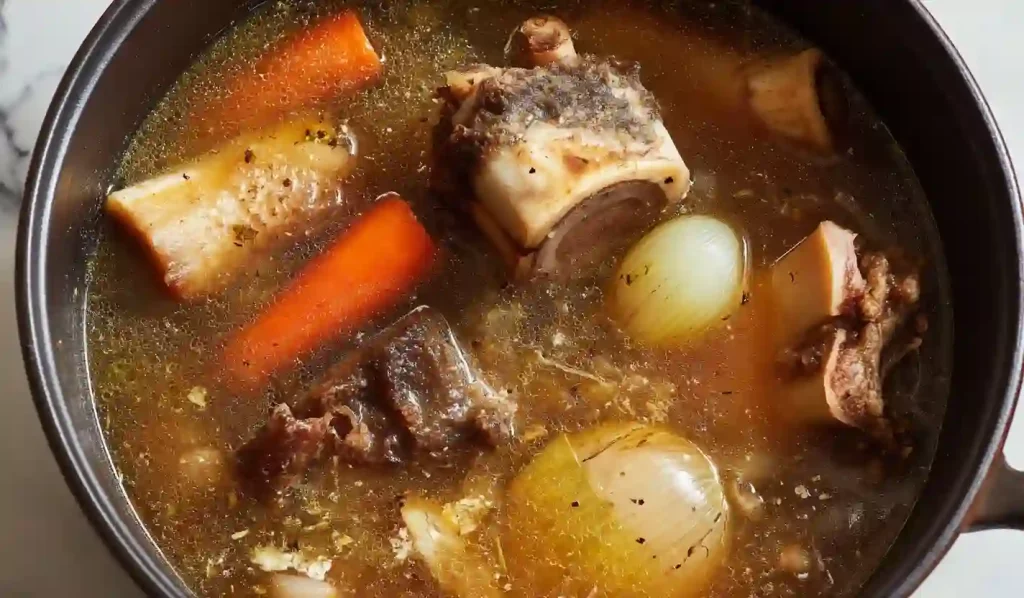
4. Aromatics, Vegetables, and Their Role
4.1 Common Aromatics
- Onion: Charred or roasted for sweetness and depth.
- Ginger: Adds warmth and subtle spiciness.
- Garlic: Optional, provides umami without overpowering.
- Celery, Carrot, Leek: Classic mirepoix adds natural sweetness and balance.
Technique: Roast or char aromatics slightly to enhance Maillard reactions, which deepen flavor.
4.2 Herbs and Spices
- Star Anise: Often used in pho-style broths.
- Cloves and Cinnamon: Introduce subtle warmth and aromatic complexity.
- Bay Leaves: Add herbal undertones.
- Peppercorns: Light heat and fragrance.
Pro Tip: Toasting spices lightly before adding them to the pot unlocks essential oils and elevates aroma.
5. The Science of Simmering
5.1 Why Temperature Matters
- Low and slow is key: A gentle simmer extracts gelatin without emulsifying fat or clouding the broth.
- Avoid rolling boils: High heat causes proteins to coagulate rapidly, leading to cloudy and bitter broth.
5.2 Duration
- Pho-style broth: 6–12 hours, occasionally up to 24 for maximum depth.
- General beef bone broth: 8–24 hours, depending on desired body and gelatin concentration.
Tip: Skim foam and impurities periodically to maintain clarity.
6. Seasoning and Balancing Flavors
6.1 Salts and Umami Enhancers
- Salt: Add near the end for better control of seasoning.
- Fish Sauce or Soy Sauce: Imparts umami; subtlety is key.
- Miso Paste (optional): Can enrich broth with savory depth.
6.2 Sweetness and Acidity
- Rock Sugar or Carrots: Provide gentle sweetness to balance richness.
- Vinegar or Lime Juice: Optional, adds brightness and can extract additional minerals from bones.
7. Clarity and Filtration
7.1 Techniques for Clear Broth
- Strain through fine mesh or cheesecloth: Removes solids and particulate matter.
- Cold shock method: Chilling broth overnight causes fat and impurities to rise, making removal easier.
- Egg white clarification (optional): Whisking egg whites and simmering lightly traps tiny impurities for restaurant-level clarity.
8. Regional Variations and Applications
8.1 Vietnamese Pho Broth
- Combines beef marrow, knuckle bones, charred onion and ginger, star anise, cloves, and cinnamon.
- Typically cooked 6–12 hours for a clear, aromatic broth.
8.2 French Pot-au-Feu
- Uses marrow and knuckle bones, with root vegetables, leeks, and bouquet garni.
- Long, gentle simmer emphasizes natural sweetness of ingredients.
8.3 Modern Culinary Uses
- Sauces, reductions, gravies, risottos, braises, and as a base for fusion dishes.
- Gelatin-rich broth can be chilled into aspic or concentrated for luxury culinary applications.
9. Nutritional and Health Considerations
- Collagen and Gelatin: Supports joint, skin, and gut health.
- Minerals: Calcium, magnesium, and phosphorus extracted from bones.
- Amino acids: Glycine and proline aid digestion and metabolic balance.
Tip: Use a combination of bones and simmer long for maximum nutrient extraction.
10. Storage and Shelf Life
- Refrigeration: Up to 5–7 days in airtight containers.
- Freezing: 3–6 months for optimal flavor and safety.
- Concentration: Reduce broth by simmering to create a frozen stock cube or gel concentrate for quick culinary applications.
11. Troubleshooting Common Issues
| Issue | Cause | Solution |
|---|---|---|
| Cloudy broth | Rolling boil, insufficient skimming | Simmer gently, skim foam |
| Bitter flavor | Over-roasted aromatics | Reduce roasting, balance with carrots/sugar |
| Weak flavor | Insufficient bones or cooking time | Increase bones or simmer longer |
| Oily broth | Excess fat not removed | Chill and remove fat layer before use |
12. Advanced Techniques for Perfection
12.1 Layered Flavor Development
- Roast bones and aromatics first.
- Toast spices separately.
- Simmer in stages: bones first, then aromatics, then final seasoning.
12.2 Double Broth Method
- First batch: Extract maximum gelatin and flavor.
- Second batch: Lightly simmer leftover bones with fresh aromatics to create a lighter broth for different culinary applications.
12.3 Infusions and Customizations
- Herbal infusions: Thyme, rosemary, or cilantro roots.
- Umami boosters: Kombu, dried mushrooms.
- Smoky accents: Smoked bones or roasted marrow for depth.
13. Serving and Pairing
13.1 As Soup Base
- Pho, ramen, French onion soup, or vegetable noodle soups.
13.2 As Cooking Liquid
- Braise meats, cook grains, or deglaze pans for sauces.
13.3 Presentation Tips
- Garnish with fresh herbs, scallions, or microgreens.
- Serve hot with condiments such as lime, chili, or fish sauce on the side.
14. Conclusion: Achieving Beef Bone Broth Mastery
Perfect beef bone broth is a balance of precision, patience, and passion. By carefully selecting bones, managing heat, roasting aromatics, seasoning with subtlety, and maintaining clarity, your broth transforms from a simple stock into a culinary masterpiece. Whether for pho, soups, sauces, or creative dishes, mastering the art of beef bone broth elevates your cooking, enriches flavors, and provides a nourishing foundation for countless recipes.
With practice, attention to detail, and a love for the craft, every kitchen can produce a perfect beef bone broth that rivals professional kitchens and delights every palate.