






Introduction
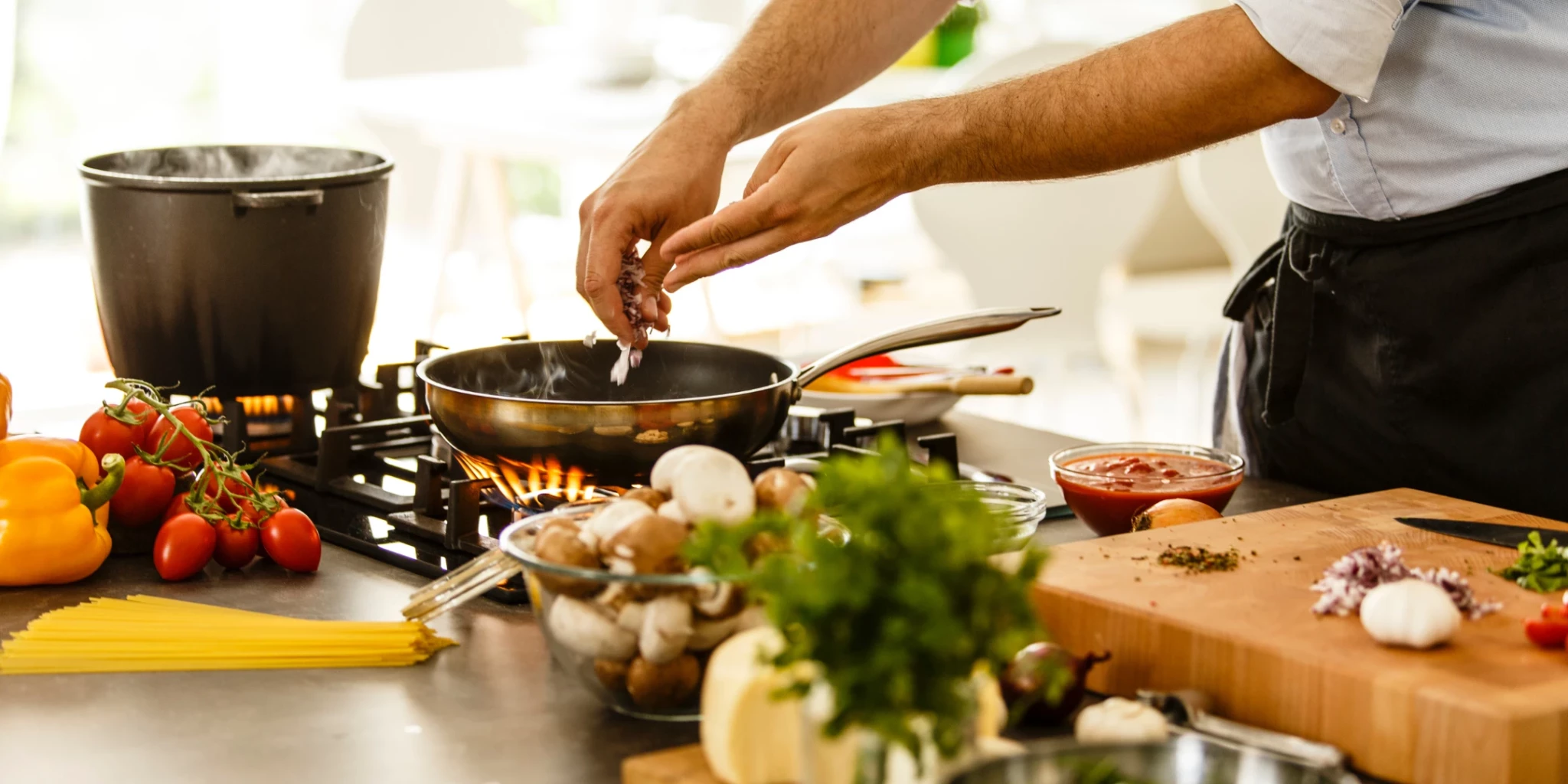
In an increasingly interconnected world, globalization no longer manifests only through travel, trade, or digital communication—it has also entered the heart of daily life: the home kitchen. In recent years, a growing number of households have embraced the idea of “cooking around the world at home by following recipes.” What was once considered a niche hobby for food enthusiasts has now become a meaningful part of everyday family life.
With access to international recipes, online cooking platforms, and global ingredients, families are recreating dishes from Italy, Japan, Mexico, India, and beyond—without leaving their homes. This shift reflects deeper changes in lifestyle, cultural curiosity, education, and family dynamics. Cooking global cuisine at home is no longer merely about food; it represents learning, connection, creativity, and cultural openness.
This article explores how preparing international dishes at home has become a widespread household practice. It examines the social and cultural drivers behind this trend, the role of recipes and digital tools, its impact on family life and education, and its broader significance in shaping modern culinary culture.
1. The Rise of Global Home Cooking
1.1 From Local Kitchens to Global Tables
Traditionally, home cooking was shaped primarily by regional ingredients, inherited family recipes, and local customs. While these foundations remain important, they are now complemented by unprecedented access to global culinary knowledge.
Several factors have contributed to this shift:
- Increased availability of international ingredients
- Online recipe platforms and cooking videos
- Food-focused media and social networks
- Cultural openness and curiosity
- The desire for diverse yet affordable dining experiences
As a result, the home kitchen has transformed into a space where global flavors coexist with local traditions.
1.2 Recipes as Gateways to the World
Recipes play a central role in enabling global home cooking. Clear, step-by-step instructions lower the barrier to entry, making unfamiliar cuisines approachable for everyday families.
Modern recipes often include:
- Cultural background or origin stories
- Ingredient substitutions for local availability
- Visual guides and video tutorials
- Nutritional and dietary adaptations
Through recipes, families can experience global cuisines with confidence, even without prior culinary training.
2. Why Families Embrace Cooking Global Cuisine at Home
2.1 Curiosity and Cultural Exploration
Cooking international dishes allows families to explore other cultures in a tangible, engaging way. Food becomes a form of cultural storytelling, introducing:
- Regional ingredients and cooking techniques
- Traditional eating customs
- Historical and geographical contexts
For many households, preparing a foreign dish is an act of curiosity-driven learning, transforming dinner into a cultural journey.
2.2 Cost-Effective Alternatives to Dining Out
While international restaurants offer authentic experiences, frequent dining out can be costly. Cooking global dishes at home provides:
- Greater control over budget
- Portion flexibility for families
- The ability to enjoy premium flavors at lower cost
As a result, home cooking becomes an accessible way to experience global cuisine regularly.
2.3 Health and Ingredient Control
Preparing international dishes at home allows families to adapt recipes to their dietary needs:
- Reducing salt, sugar, or fat
- Choosing organic or locally sourced ingredients
- Adjusting spice levels for children or elders
This flexibility makes global cuisine compatible with health-conscious lifestyles.
3. The Role of Digital Media and Technology
3.1 Online Recipes and Cooking Platforms
Digital platforms have revolutionized how families learn to cook:
- Recipe websites and apps offer curated global cuisines
- Video tutorials demonstrate techniques visually
- User reviews provide practical adjustments and tips
These tools make complex cuisines—such as Indian curries or Japanese ramen—approachable for home kitchens.
3.2 Social Media and Culinary Inspiration
Social media platforms have transformed cooking into a shared experience:
- Short-form videos showcase quick international recipes
- Food bloggers introduce lesser-known regional dishes
- Home cooks share adaptations and family-friendly versions
This constant flow of inspiration encourages families to experiment beyond their comfort zones.
3.3 Smart Kitchens and Accessibility
Modern kitchen appliances and tools—such as rice cookers, air fryers, and immersion blenders—support international cooking by simplifying techniques once considered difficult. Technology reduces technical barriers, enabling more households to try diverse cuisines successfully.
4. Cooking Global Cuisine as Family Bonding
4.1 Shared Activities and Communication
Cooking together fosters interaction and cooperation among family members. Preparing global dishes often involves:
- Dividing tasks
- Discussing unfamiliar ingredients
- Tasting and adjusting flavors together
This collaborative process strengthens relationships and encourages communication across generations.
4.2 Educational Value for Children
For children, cooking international food offers hands-on education:
- Geography: learning where dishes originate
- History: understanding cultural traditions
- Science: observing chemical reactions during cooking
By involving children in global cooking, families transform meals into interactive learning experiences.
4.3 Creating Meaningful Family Rituals
Some families designate specific days for international cuisine, such as “Italian Night” or “Asian Weekend.” These rituals:
- Add structure and anticipation to family life
- Encourage consistent exploration
- Create shared memories around food
Over time, global cooking becomes woven into the family’s identity.
5. Adapting Authenticity to Home Life
5.1 Balancing Authenticity and Practicality
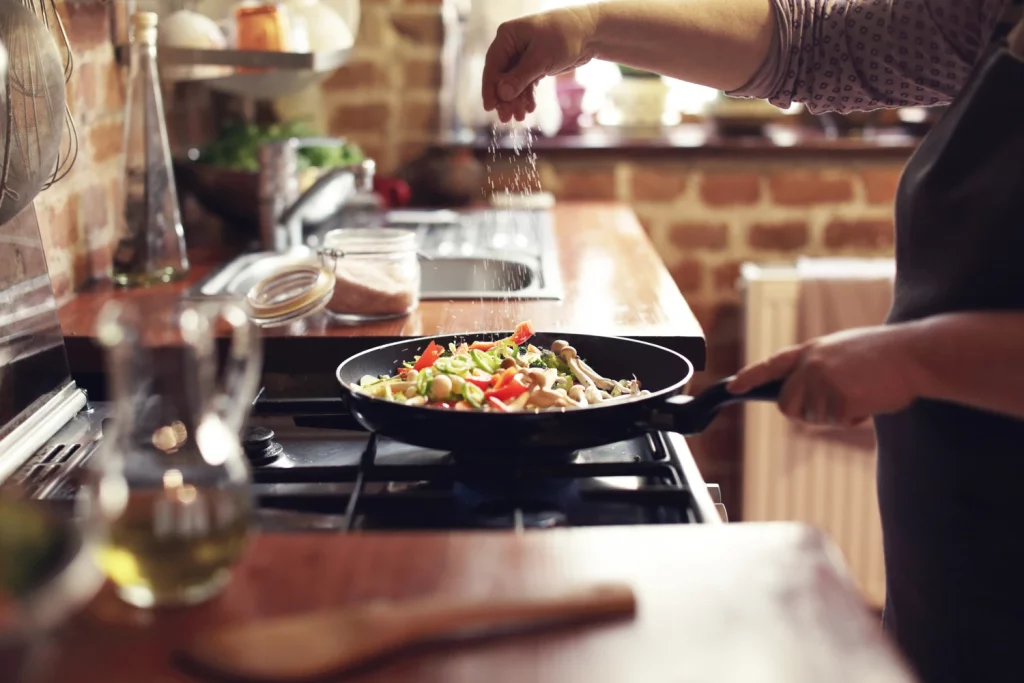
Home cooks often face challenges when attempting authentic global recipes, such as ingredient availability or time constraints. As a result, adaptation becomes essential.
Common adaptations include:
- Substituting local ingredients
- Simplifying preparation steps
- Adjusting cooking times and techniques
These adaptations do not diminish cultural respect; rather, they reflect the dynamic nature of cuisine.
5.2 Localization of Global Flavors
As global recipes enter domestic kitchens, they naturally evolve. Dishes may become milder, sweeter, or lighter depending on household preferences. This process mirrors historical culinary evolution, where cuisines adapt as they travel across borders.
5.3 Respectful Cultural Engagement
Many families approach global cooking with an emphasis on respect and understanding:
- Learning correct pronunciation of dish names
- Reading about cultural significance
- Avoiding stereotypes or oversimplification
Cooking becomes a form of cultural appreciation rather than appropriation.
6. Psychological and Emotional Dimensions
6.1 Comfort and Escapism Through Food
Cooking international dishes at home offers emotional benefits:
- Comfort during stressful periods
- A sense of escape through sensory experiences
- Novelty that breaks routine
Especially during times when travel is limited, global home cooking provides a substitute for exploration and discovery.
6.2 Building Confidence and Creativity
Successfully recreating global dishes builds culinary confidence. Over time, home cooks become more willing to:
- Experiment with flavors
- Combine techniques from different cuisines
- Create personalized variations
This creative empowerment enhances the joy of home cooking.
7. Social and Cultural Implications
7.1 Democratization of Global Cuisine
What was once accessible mainly through travel or upscale restaurants is now available in ordinary homes. This democratization reflects:
- Greater cultural openness
- Increased culinary literacy
- Reduced cultural barriers
Global cuisine becomes part of everyday life rather than a special occasion.
7.2 Preserving Tradition Through Adaptation
Immigrant families often use home cooking to preserve cultural identity while adapting to new environments. By sharing recipes across cultures, households contribute to the living evolution of cuisine.
7.3 Influence on Future Generations
Children raised with diverse culinary exposure are more likely to develop:
- Open-mindedness toward other cultures
- Broader taste preferences
- Appreciation for cultural diversity
Home cooking thus plays a subtle but powerful role in shaping global citizens.
8. Challenges and Limitations
8.1 Ingredient Accessibility
Not all ingredients are easily available in every region. While online shopping has improved access, some traditional elements remain difficult to source.
8.2 Time and Skill Constraints
Certain cuisines require long preparation times or specialized skills. Families often balance ambition with practicality, choosing simplified versions for daily life.
8.3 Information Overload
With countless recipes available online, selecting reliable and authentic sources can be challenging. Culinary literacy becomes essential for navigating this abundance of information.
9. The Future of Global Home Cooking
9.1 Integration with Sustainability
Future home cooking trends will likely emphasize:
- Seasonal and local ingredients
- Reduced food waste
- Plant-forward global dishes
Global cuisine will increasingly align with sustainable living.
9.2 Technology-Driven Personalization
AI-powered recipe recommendations, smart appliances, and interactive cooking platforms will further personalize global cooking experiences for families.
9.3 From Recipes to Cultural Literacy
As families continue cooking global dishes at home, recipes may serve as gateways to deeper cultural understanding, encouraging learning beyond the kitchen.
Conclusion
“Cooking around the world at home by following recipes” has become far more than a culinary trend—it is a reflection of modern family life shaped by globalization, curiosity, and the desire for meaningful connection. Through international home cooking, families explore cultures, strengthen relationships, educate children, and express creativity, all within the familiar space of their own kitchens.
In this evolving landscape, the home kitchen is no longer confined by geography. It is a dynamic, inclusive space where flavors travel freely, traditions adapt, and global culture becomes part of daily life. As more households embrace this practice, cooking global cuisine at home continues to redefine what it means to eat, learn, and live together in a connected world.