





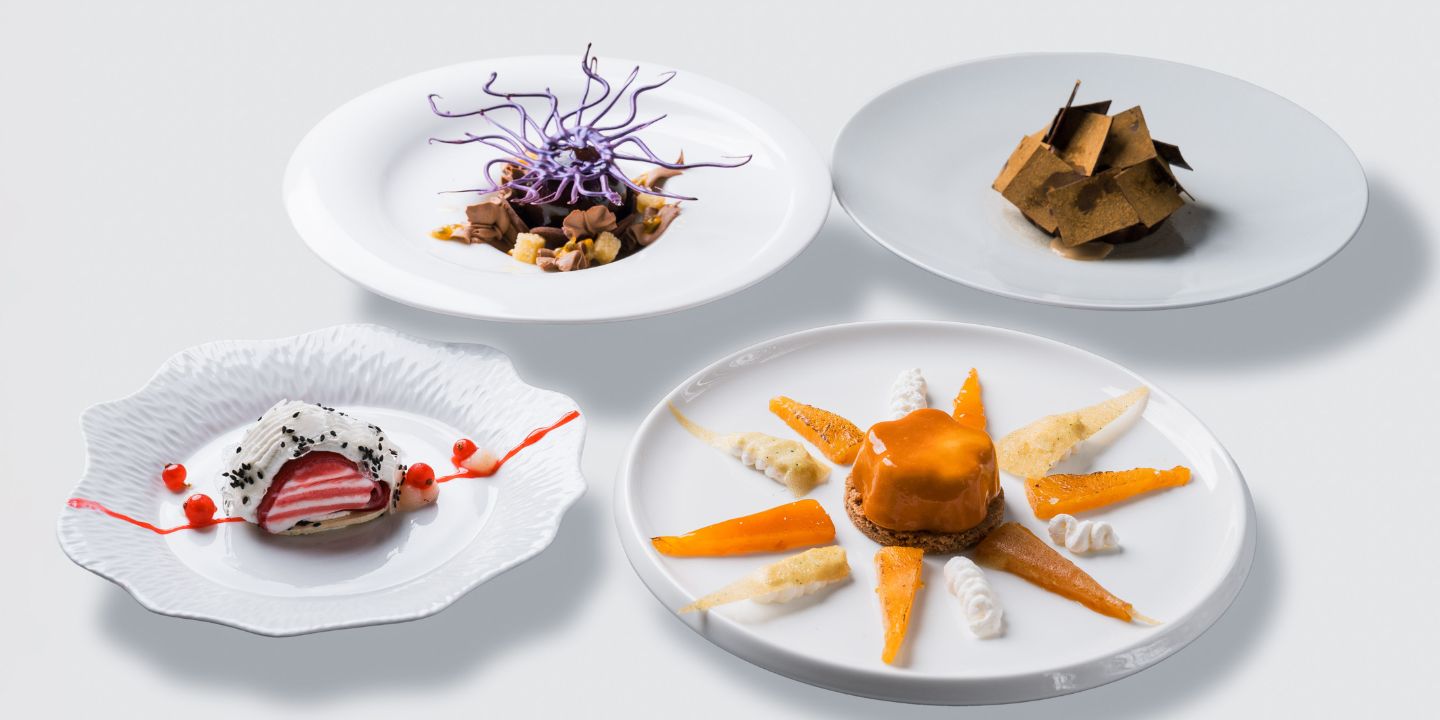

Dessert — the final act of a memorable meal — holds a universal power to delight, comfort, and connect us across cultures. Whether it’s the delicate custard of a French crème brûlée, the warm spices of Middle Eastern baklava, or the cool creaminess of Italian gelato, classic global desserts are as rich in history as they are in flavor. This comprehensive, professional guide explores how to master iconic desserts from around the world, understand their culinary foundations, and transform your kitchen into a sweet factory that consistently produces unforgettable treats.
In the pages that follow, you will discover:
- The cultural and historical context of classic desserts
- The fundamental science behind successful dessert making
- Step‑by‑step techniques used by professional pastry chefs
- Signature recipes from different regions
- Tips for perfect execution and creative adaptation
- How to build your skills progressively
- Troubleshooting advice for common pitfalls
By the end of this article, you will not only know how to make these desserts, but you will also understand why they work — and how to innovate with confidence.
1. The Universal Allure of Desserts
1.1 What Is a Dessert?
At its essence, a dessert is a sweet course, typically served at the end of a meal. But it is more than just sweetness — a dessert is an experience shaped by:
- Flavor balance (sweetness, acidity, bitterness, salt)
- Texture interplay (crisp, creamy, chewy, airy)
- Aroma and presentation
In many cultures, desserts symbolize hospitality, celebration, and artistic expression.
1.2 Cultural Significance of Desserts Worldwide
Across civilizations, desserts carry deep meanings:
- Europe: Desserts like tarts and soufflés emerged from royal courts and refined culinary schools.
- Middle East: Honey‑sweetened confections such as baklava are integral to festivals.
- Asia: Desserts often highlight rice, beans, and subtle sweetness (e.g., mochi, halo‑halo).
- Americas: Desserts like pies and flans reflect a blend of indigenous and colonial influences.
Every dessert tells a story — of geography, trade routes, local ingredients, and shared human joy.
2. Core Principles of Dessert Making
Before we dive into specific recipes, we must understand the science and techniques that underpin great dessert making.
2.1 The Chemistry of Sweetness
At its heart, sweetness interacts with:
- Aromas: Vanilla, citrus, spices
- Acids: Lemon, fruit purees
- Bitterness: Cocoa, caramelized sugar
- Salt: Enhances flavor complexity
Mastering desserts means balancing these elements so no one note dominates.
2.2 Structure and Texture: How Ingredients Interact
Understanding how basic ingredients function gives you control:
- Flour: Provides structure through gluten
- Fat (butter, oil, cream): Adds richness and tenderness
- Sugar: Sweetens, tenderizes, promotes browning
- Eggs: Bind, add moisture, trap air
- Leaveners: (baking powder, soda) produce lift
When these ingredients meet heat, chemical reactions — Maillard browning, starch gelatinization, protein denaturation — create the textures we crave.
2.3 Temperature and Timing
Success in desserts requires precision:
- Oven temperature: Too hot, edges burn before centers cook; too cool, collapse.
- Ingredient temperature: Butter straight from the fridge behaves differently than room‑temp.
- Order of mixing: Creaming butter and sugar incorporates air; over‑mixing can deflate batters.
Professional bakers are scientists at heart — they respect timing and thermal dynamics.
3. Essential Techniques Every Sweet Maker Should Master
Before tackling complex recipes, build foundational skills.
3.1 Making Syrups and Caramel
- Simple Syrup: Equal parts sugar and water, dissolved. Base for poaching fruit and cocktails.
- Caramel: Melting sugar until amber — watch for rapid transitions; sugar goes from perfect to burnt in seconds.
Caramel stages:
- Thread
- Soft ball
- Firm ball
- Hard crack
Mastering these gives you control over sauces, toffee, and brittle.
3.2 Custards and Crèmes
Custards form the heart of many classics:
- Stirred custard: (e.g., crème anglaise) — thickened by egg yolks over gentle heat.
- Baked custard: (e.g., flan, crème brûlée) — water bath ensures gentle, even cooking.
Understanding coagulation — how egg proteins set — prevents curdling or weeping.
3.3 Doughs and Batters
- Short doughs: (tarts, cookies) high fat, tender crumb.
- Choux pastry: (éclairs) steam leavens the dough for airy shells.
- Sponge batters: rely on aeration from eggs for lift.
Each dough type responds differently to mixing and baking.
3.4 Chocolate Work
Chocolate is both temperamental and magical:
- Tempering: Aligns cocoa butter crystals for shine and snap
- Ganache: Emulsification of cream and chocolate
Chocolate mastery elevates many desserts — from mousse to truffles.
4. Classic European Desserts
4.1 French Crème Brûlée
Overview
A rich custard topped with a brittle caramel crust.
Key Technique:
Caramelizing sugar with a torch for contrast — creamy below, crisp on top.
Flavor Profile:
Vanilla‑scented, luxuriously silky.
Why It Works:
- High fat and sugar create smooth texture
- Slow bake in a water bath prevents curdling
4.2 Italian Tiramisu
Origins:
Veneto, Italy — “pick me up” thanks to espresso and cocoa.
Layers:
Ladyfingers soaked in espresso + layered with mascarpone cream.
Key Ingredients:
- Mascarpone cheese
- Espresso
- Cocoa powder
- Optional liqueur (Marsala or coffee liqueur)
Technique:
Fold gently to preserve lightness.
4.3 Spanish Flan / Crème Caramel
What It Is:
A smooth, jiggly baked custard with a caramel sauce.
Process:
- Caramel at the bottom
- Pour custard over
- Bake in a water bath
- Invert after cooling
Balance:
Sweet caramel offsets the mild custard flavor.
5. Middle Eastern & Mediterranean Sweets
5.1 Baklava (Turkey, Greece, Middle East)
Definition:
Layers of phyllo with nuts, soaked in sweet syrup.
Key Elements:
- Thin, butter‑brushed phyllo layers
- Nut mixture (walnut, pistachio, almond)
- Honey or sugar syrup perfumed with citrus or rose water
Technique:
Bake until golden, then pour syrup to absorb.
Why It’s Loved:
Crunchy, sweet, aromatic — each bite contrasts textures.
5.2 Turkish Delight (Lokum)
A jelly candy of sugar, starch, often flavored with rosewater or citrus.
Skills Required:
Precise sugar boiling, careful cooling, dusting to prevent stickiness.
6. Asian and Pacific Favorites
6.1 Mochi (Japan)
What It Is:
Chewy rice cakes made from glutinous rice.
Core Skill:
Pounding and steaming rice dough until elastic.
Variations:
Filled with sweet bean paste or ice cream.
6.2 Filipino Halo‑Halo
A Layered Dessert:
Shaved ice with sweet beans, fruit, jelly, evaporated milk, topped with ice cream.
Why It Works:
Temperature contrast + varied textures + vibrant flavors.
6.3 Thai Mango Sticky Rice
Components:
Coconut‑infused sticky rice + ripe mango + sweet cream sauce.
Balance:
Sweetness of coconut with fresh fruit brightness.
7. Classic American Desserts
7.1 Apple Pie
Symbolism:
A cornerstone of American comfort food.
Core Elements:
- Flaky double crust
- Cinnamon‑spiced apple filling
- Egg wash for glossy finish
Technique Tip:
Precook or toss apples in sugar/cinnamon to prevent soggy crust.
7.2 Cheesecake
Styles:
- New York (dense, rich)
- No‑bake (lighter)
- Flavored variations (pumpkin, chocolate, berry)
Foundations:
Cream cheese, eggs, sugar, vanilla — baked over a water bath keeps texture smooth.
7.3 Chocolate Brownies
Defining Traits:
Fudgy interior, crackly top, intense chocolate flavor.
Key Science:
Less flour + more fat = fudgy; more flour = cakey.
8. Latin American Classics
8.1 Churros
What They Are:
Fried dough sticks rolled in cinnamon sugar.
Technique:
Hot oil fry + proper draining prevents greasy texture.
Dip Suggestions:
Chocolate sauce, dulce de leche.
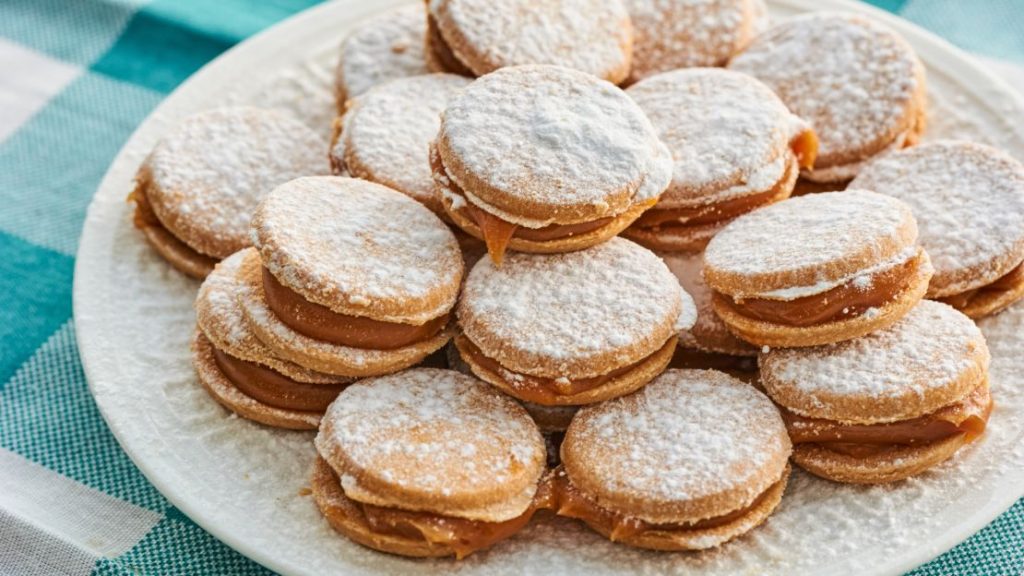
8.2 Dulce de Leche
A Caramel‑Like Spread:
Slow‑cooked sweetened milk; key to many desserts.
Uses:
Cakes, pastries, ice creams.
8.3 Tres Leches Cake
Structure:
Sponge cake soaked in three milks — evaporated, condensed, whole.
Texture:
Moist but not soggy; fluffy whipped topping.
9. Building Your Kitchen into a Sweet Factory
9.1 Essential Tools for Success
- Accurate scale: Baking is chemistry — weigh ingredients.
- Oven thermometer: Many ovens are off by 10–30°F.
- Quality pans: Even heat distribution matters.
- Stand mixer / hand mixer: For aeration and consistency.
9.2 Pantry Staples for Dessert Making
Stock your sweet factory with:
- Sugar (granulated, brown, powdered)
- Flour varieties (all‑purpose, cake, bread)
- Fats (butter, oil)
- Eggs
- Chocolate (dark, milk, couverture)
- Flavorings (vanilla, citrus zest, spices)
- Dairy (milk, cream, mascarpone, yogurt)
9.3 Workflow Optimization
Like a professional bakery:
- Read recipes thoroughly
- Measure before mixing
- Prep mise en place
- Use timers and notes
- Clean as you go
10. Troubleshooting: Common Dessert Challenges & Solutions
| Problem | Likely Cause | Solution |
|---|---|---|
| Dense cake | Overmixing | Mix until just combined |
| Curdy custard | Too hot, too fast | Gentle heat, water bath |
| Soggy crust | Wet filling, underbake | Blind bake, drain fruit |
| Flat meringue | Humidity | Dry environment, fresh whites |
11. Creative Adaptations and Modern Twists
11.1 Healthier Alternatives
- Substitute applesauce for oil
- Greek yogurt for richness
- Coconut sugar for caramel notes
11.2 Flavor Infusions
- Lavender crème brûlée
- Matcha tiramisu
- Chili chocolate brownies
11.3 Plating Artistry
Presentation elevates desserts:
- Use height and negative space
- Edible flowers
- Sauce swooshes and quenelles
12. Conclusion: The Sweet Journey Forward
To master global desserts is to embrace a lifetime of learning — each recipe a lesson in balance, technique, and cultural tradition. With the right knowledge and tools, every kitchen can become a sweet factory where classics are made with precision, passion, and personal flair.
May your desserts be rich, your textures perfect, and your creativity boundless.