





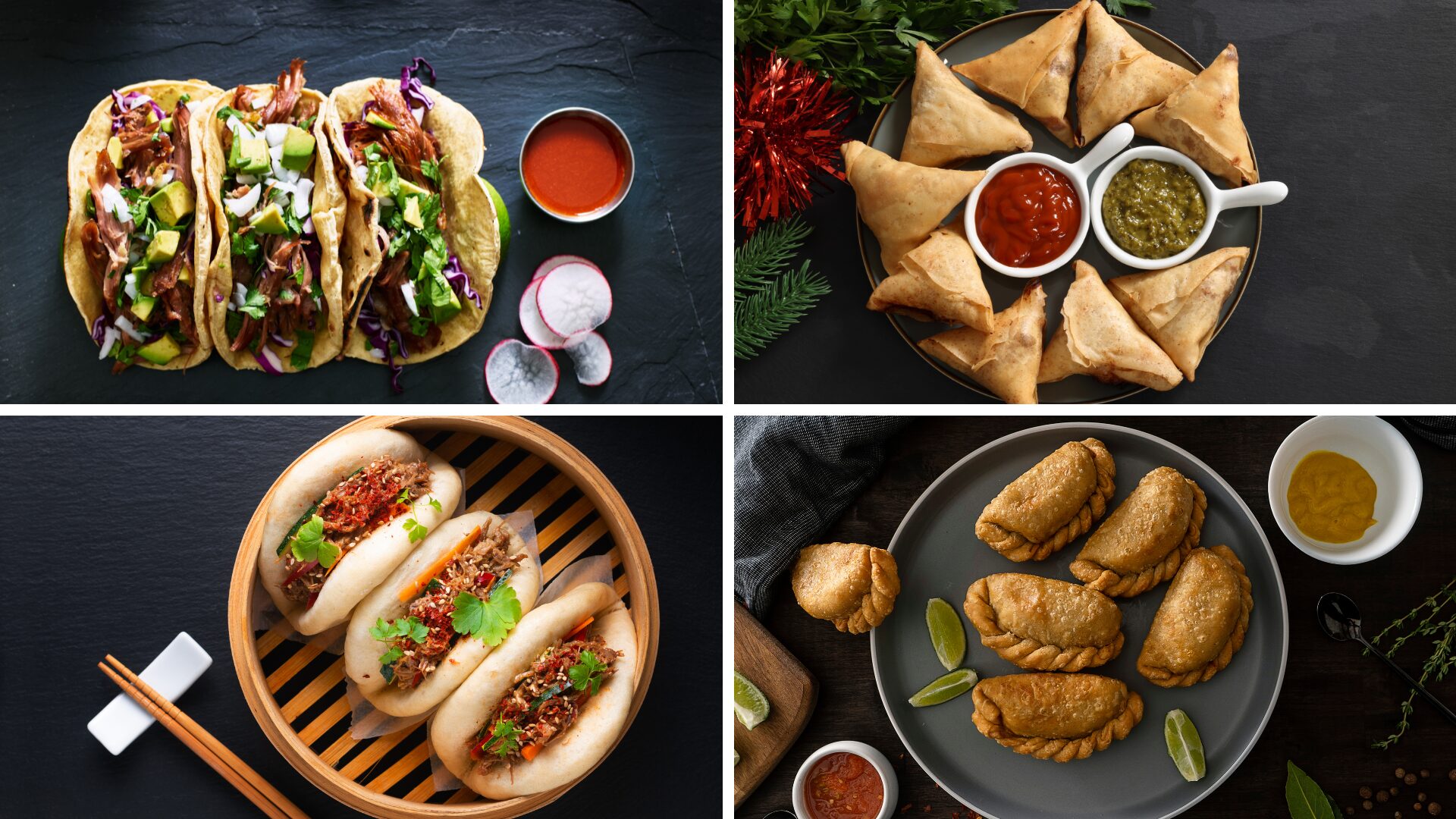

Street food is a window into the culture, history, and culinary creativity of a country. It is an essential part of global gastronomy, offering quick, flavorful, and often affordable meals. From the bustling streets of Bangkok to the vibrant markets of Mexico City, street food provides a unique experience that combines convenience, tradition, and innovation. Exploring these dishes allows us to bring the tastes of the world directly into our own kitchens.
This article provides a detailed exploration of street food from different countries, highlighting popular dishes, preparation techniques, cultural significance, nutritional aspects, and tips for recreating authentic street flavors at home.
1. Asia: Dynamic and Flavorful Street Foods
Asia is renowned for its diverse and vibrant street food culture. High population density, culinary heritage, and inventive flavor combinations make Asian street food both popular and globally influential.
1.1 Thailand
- Pad Thai: Stir-fried rice noodles with shrimp, tofu, peanuts, bean sprouts, and tamarind sauce. It balances sweet, salty, sour, and umami flavors.
- Som Tam (Papaya Salad): A spicy, tangy salad made from shredded green papaya, chilies, tomatoes, lime juice, and peanuts.
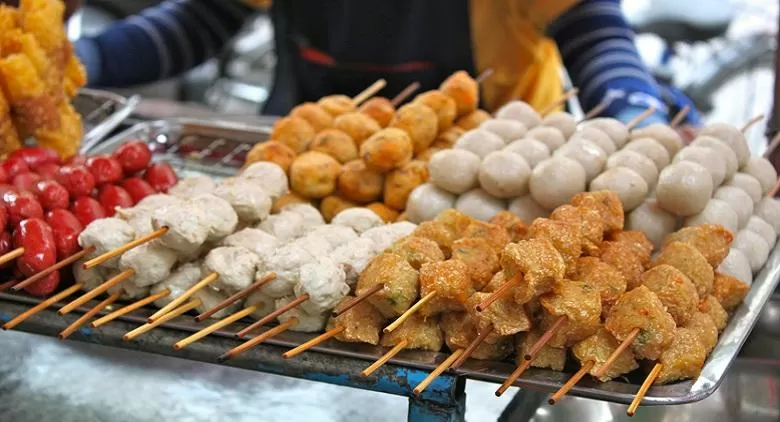
- Moo Ping: Grilled marinated pork skewers served with sticky rice, showcasing the Thai mastery of aromatic marinades.
Home Preparation Tips:
- Use tamarind paste and fish sauce for authentic Pad Thai flavor.
- Roast peanuts lightly before adding to dishes to enhance aroma.
- Marinate meats at least an hour for maximum flavor penetration.
1.2 India
- Chaat: A category of tangy snacks with potatoes, chickpeas, yogurt, and tamarind chutney.
- Vada Pav: A fried potato patty served inside a soft bread roll, commonly referred to as “Indian burger.”
- Pani Puri: Hollow, crispy shells filled with spiced water, potatoes, and chickpeas.
Home Preparation Tips:
- Fry puris (hollow shells) until golden for maximum crispiness.
- Use fresh coriander and tamarind chutney to maintain authentic taste.
1.3 Japan
- Takoyaki: Octopus-filled dough balls cooked in specialized molds and topped with sauce and bonito flakes.
- Okonomiyaki: Savory pancakes with cabbage, seafood, or pork, drizzled with sauces and mayonnaise.
- Yakitori: Skewered grilled chicken seasoned with salt or tare sauce, perfect for home grills or ovens.
1.4 China
- Jianbing: Savory crepes with egg, scallions, and chili paste.
- Baozi: Steamed buns filled with meat or vegetables.
- Street Dumplings: Pan-fried or steamed, served with vinegar or soy-based dips.
Home Preparation Tips:
- Use a non-stick pan for jianbing and adjust heat carefully to prevent burning.
- Ensure baozi dough is soft and slightly sweet for traditional taste.
2. Middle East: Aromatic and Hearty Street Foods
Middle Eastern street foods reflect centuries of trade and cultural exchange, emphasizing spices, herbs, and portable meals.
2.1 Turkey
- Simit: Sesame-coated bread rings, commonly eaten for breakfast with tea.
- Kebabs: Grilled meats served in pita with vegetables and sauces.
- Lahmacun: Thin flatbread topped with minced meat, herbs, and spices.
2.2 Lebanon
- Falafel: Deep-fried chickpea patties served in pita with salad and tahini sauce.
- Manakish: Flatbreads baked with za’atar, cheese, or minced meat.
- Shawarma: Marinated meat cooked on a vertical spit, sliced thin, and wrapped in flatbread.
Home Preparation Tips:
- Soak chickpeas overnight before making falafel to achieve light and fluffy texture.
- Use a food processor to finely grind herbs and spices for fillings.
3. Europe: Street Food from Traditional Markets
European street food emphasizes quality ingredients, artisanal techniques, and regional flavors.
3.1 France
- Crêpes: Sweet or savory pancakes filled with chocolate, fruits, or ham and cheese.
- Socca: Chickpea flour pancake, a specialty from Nice.
- Baguette Sandwiches: Quick, simple, and customizable.
3.2 Germany
- Bratwurst: Sausages served in buns with mustard or sauerkraut.
- Pretzels: Soft baked dough with a salted crust.
- Currywurst: Sausages with spiced tomato sauce, iconic in Berlin.
3.3 Italy
- Arancini: Deep-fried rice balls filled with cheese or meat.
- Pizza al Taglio: Pizza by the slice, sold in bakeries and street stands.
- Gelato: Artisanal ice cream in a variety of flavors.
Home Preparation Tips:
- Use high-quality cheeses and fresh ingredients to recreate authentic Italian street flavors.
- For crispy arancini, ensure rice mixture is dry before frying.
4. Africa: Diverse Flavors and Local Ingredients
Street food in Africa varies widely due to diverse climates, cultures, and available ingredients.
4.1 Nigeria
- Suya: Spicy skewered meats marinated with peanuts and chili.
- Puff-Puff: Sweet, deep-fried dough balls.
- Akara: Black-eyed pea fritters.
4.2 South Africa
- Bunny Chow: Hollowed bread filled with curry.
- Boerewors Rolls: Sausage sandwiches with onion and tomato relish.
- Vetkoek: Fried dough stuffed with savory or sweet fillings.
Home Preparation Tips:
- Grill meats over charcoal for authentic smoky flavor.
- Maintain correct dough hydration for fried snacks to ensure soft interiors.
5. Latin America: Vibrant and Colorful Street Foods
Latin American street food is fresh, colorful, and often spicy.
5.1 Mexico
- Tacos: Corn tortillas filled with meats, beans, vegetables, and salsas.
- Elote: Grilled corn coated with mayonnaise, cheese, and chili powder.
- Tamales: Corn dough steamed in corn husks with meat or sweet fillings.
5.2 Brazil
- Coxinha: Fried pastry filled with chicken.
- Pastel: Crispy pastry with varied fillings.
- Açaí Bowls: Frozen fruit puree topped with granola and fresh fruits.
5.3 Peru
- Anticuchos: Skewered and grilled beef heart or meat with spicy sauces.
- Choclo con Queso: Corn on the cob with fresh cheese.
Home Preparation Tips:
- Use fresh, seasonal produce for maximum flavor.
- Balance spice and acidity to recreate authentic street flavors.
6. Culinary Techniques for Street Food
Street foods employ practical techniques that enhance flavor and texture:
- Grilling: Adds smoky flavor to meats, vegetables, and seafood.
- Frying: Produces crisp textures for pastries, fritters, and dough-based snacks.
- Steaming: Preserves moisture in buns and dumplings.
- Fermentation: Enhances umami in pickles, kimchi, or fermented batters.
- Mixing and Tossing: Instant flavor combination in salads, noodle dishes, and wraps.
Home Adaptation:
- Use cast iron pans or non-stick skillets for even heat distribution.
- Experiment with air-frying for healthier crispy options.
7. Nutritional Benefits of Street Food
Street food can be both flavorful and nutritious when prepared with care:
- Protein Sources: Meat, legumes, and seafood provide essential amino acids.
- Vegetables: Add fiber, antioxidants, and micronutrients.
- Spices and Herbs: Aid digestion and enhance flavor naturally.
- Carbohydrates: Rice, corn, and wheat provide energy for active lifestyles.
Tips for Healthier Versions:
- Bake or air-fry instead of deep-frying.
- Use whole grains and fresh vegetables for nutrient-dense options.
- Limit excessive oil or sugar in sauces and fillings.
8. Bringing Street Food to Your Kitchen
Recreating street food at home requires understanding ingredients, techniques, and flavors:
- Start Simple: Begin with one cuisine before experimenting globally.
- Fresh Ingredients: Essential for authentic taste.
- Proper Seasoning: Taste and adjust spices carefully.
- Presentation: Serve in a visually appealing way, mimicking street vendors’ style.
- Experimentation: Fusion dishes and modern adaptations can personalize recipes.
9. Globalization and Street Food
Street food has gained international recognition and influenced global culinary trends:
- Fusion Cuisines: Combining street flavors from multiple countries.
- Gourmet Street Food: Chefs elevate traditional recipes with premium ingredients.
- Culinary Tourism: Cities like Bangkok, Mexico City, Istanbul, and Marrakech attract visitors seeking authentic street food.
- Social Media Influence: Recipes, tutorials, and street food videos encourage home cooking and experimentation.
Conclusion
Exploring street food from different countries is a journey through flavors, culture, and culinary creativity. By understanding the ingredients, techniques, and cultural context of each dish, home cooks can recreate authentic global street flavors in their own kitchens.
From the spicy noodles of Thailand to the crispy tacos of Mexico, the smoky kebabs of Turkey, and the vibrant samosas of India, street food connects people across continents through taste and tradition. Bringing these flavors home allows us not only to enjoy diverse cuisines but also to appreciate the cultural stories behind each bite.
With proper preparation, fresh ingredients, and a respect for tradition, you can transform your kitchen into a global street food festival, celebrating flavors from every corner of the world.