





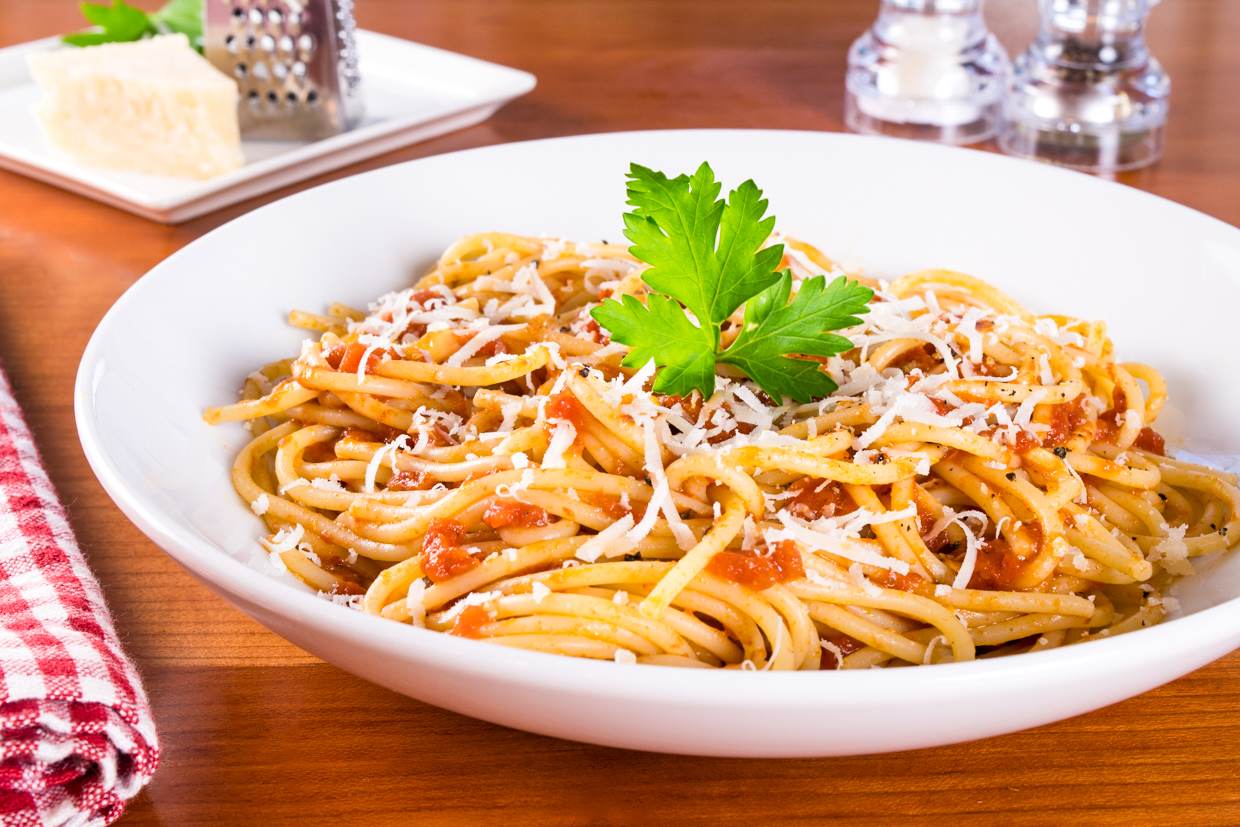

Pasta is more than just food; it is a cultural icon, a culinary art form, and a global staple. Revered for its versatility, simplicity, and ability to carry flavors, pasta has become one of the most popular dishes worldwide. From a simple plate of spaghetti al pomodoro to luxurious stuffed ravioli and elaborate lasagna, pasta reflects centuries of Italian tradition, innovation, and culinary craftsmanship.
This article explores the history, varieties, ingredients, preparation techniques, nutritional significance, regional variations, and cultural impact of pasta, explaining why it continues to captivate chefs and food lovers globally.
The Origins of Pasta
The origins of pasta have long been debated among historians:
- Ancient Roots: Archaeological evidence shows that ancient civilizations, including the Etruscans and Romans, made simple doughs of grain and water.
- Middle Ages: By the 13th century, pasta was widely produced and dried in southern Italy, especially in Naples and Sicily, where the climate favored preservation and trade.
- Arab Influence: Arab traders introduced durum wheat semolina to Sicily, creating pasta that was durable, storable, and ideal for long-distance trade.
- Regional Specialization: Different regions of Italy began developing distinct pasta shapes, reflecting local ingredients, techniques, and cultural preferences.
Pasta’s evolution shows how necessity, innovation, and regional resources combined to create a globally admired food.
Key Ingredients of Italian Pasta
The beauty of pasta lies in its simplicity, but the choice of ingredients dramatically affects taste and texture:
Durum Wheat Semolina
- Composition: High in protein and gluten, giving pasta its elasticity.
- Role: Maintains shape and provides the firm, al dente texture that is a hallmark of Italian pasta.
- Nutrition: Rich in complex carbohydrates, B vitamins, and iron.
Water
- Hydrates the flour to form dough. Precision is essential: too much water weakens dough; too little reduces elasticity.
Eggs (Optional)
- Used in fresh pasta, especially in northern Italy.
- Adds richness, smoothness, and additional nutrients like protein and vitamin A.
Salt and Olive Oil
- Salt is typically added to cooking water to enhance flavor.
- Olive oil can be incorporated into dough for certain pasta types, adding flexibility and flavor.
Selecting high-quality ingredients ensures that pasta forms a perfect base for sauces and toppings.
Pasta Varieties and Shapes
Pasta comes in hundreds of shapes, each designed to complement specific sauces and cooking methods:
Long, Thin Pasta
- Examples: Spaghetti, linguine, fettuccine.
- Uses: Olive oil-based, tomato-based, or creamy sauces.
- Regional Significance: Spaghetti al pomodoro is a southern classic, while fettuccine alfredo hails from Rome.
Short, Tubular Pasta
- Examples: Penne, rigatoni, ziti.
- Purpose: Tubular shapes trap sauce for maximum flavor.
- Regional Use: Penne arrabbiata is a Roman favorite; baked ziti is popular in southern Italian-American cuisine.
Small Pasta
- Examples: Orzo, ditalini, fregola.
- Uses: Soups and light broths.
- Role: Adds texture without overpowering other flavors.
Stuffed Pasta
- Examples: Ravioli, tortellini, agnolotti.
- Significance: Encases fillings like cheese, vegetables, or meat.
- Regional Highlights: Emilia-Romagna produces tortellini; Liguria favors stuffed pasta with seafood and herbs.
The variety of shapes and sizes reflects regional creativity and culinary tradition.
Sauces and Flavor Pairings
Sauces are integral to pasta, enhancing its taste, texture, and aroma:
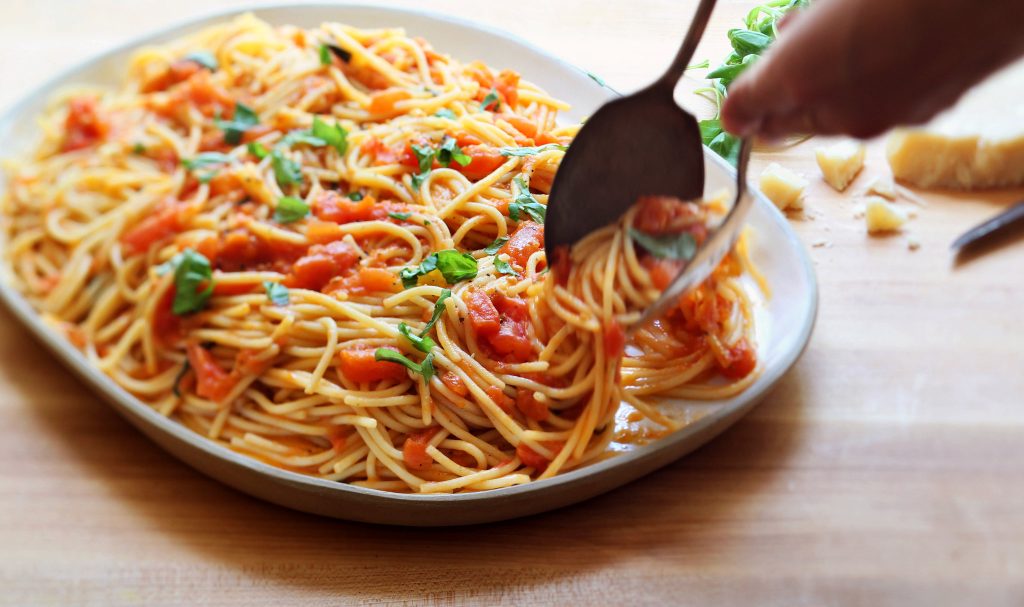
Tomato-Based Sauces
- Examples: Marinara, arrabbiata, puttanesca.
- Ingredients: Tomatoes, garlic, olive oil, herbs, chili for spiciness.
- Cultural Significance: Common in central and southern Italy, reflecting local agriculture.
Cream-Based Sauces
- Examples: Alfredo, carbonara, cacio e pepe.
- Ingredients: Cheese, butter, eggs, cream.
- Regional Preference: Northern Italy favors dairy-rich sauces.
Pesto and Herb Sauces
- Examples: Pesto alla Genovese.
- Ingredients: Basil, pine nuts, garlic, olive oil, Parmesan.
- Region: Liguria, where herbs and olive oil are abundant.
Meat and Seafood Sauces
- Examples: Bolognese, vongole.
- Ingredients: Slow-cooked meats, aromatic vegetables, wine, seafood.
- Adds protein and enhances richness.
Light Oil-Based Sauces
- Examples: Aglio e olio, spaghetti alla puttanesca.
- Emphasizes fresh ingredients and simplicity.
Pairing the right sauce with the right pasta shape ensures flavor harmony and authentic Italian taste.
Cooking Techniques
Mastery of pasta cooking is crucial for perfect results:
- Boiling Water: Use ample salted water to prevent sticking and enhance flavor.
- Al Dente: Pasta should be firm to the bite for texture and proper sauce absorption.
- Finishing in Sauce: Cooking pasta briefly in sauce allows flavors to meld.
- Garnishing: Fresh herbs, grated cheese, and a drizzle of olive oil elevate taste and presentation.
These steps reflect the precision and artistry behind Italian pasta.
Nutritional Value
When prepared traditionally, pasta is nutritionally balanced:
- Carbohydrates: Complex carbs provide sustained energy.
- Protein: Eggs, cheese, or meat sauces add protein.
- Fiber: Whole-grain pasta supports digestion.
- Micronutrients: Vitamins and minerals from sauce ingredients enhance nutrition.
- Portion Control: Pairing with vegetables and proteins makes pasta part of a balanced diet.
Regional Pasta Traditions
Italy’s regions contribute unique styles:
Northern Italy
- Rich sauces, creamy and cheese-based dishes.
- Examples: Tagliatelle al ragù, lasagna, tortellini.
Central Italy
- Simple sauces, often oil- or cheese-based.
- Examples: Cacio e pepe, pasta e fagioli, amatriciana.
Southern Italy
- Tomato-based sauces, seafood, olive oil, and chili.
- Examples: Pasta alla norma, spaghetti alle vongole, penne arrabbiata.
Regional differences demonstrate diversity within a unified culinary culture.
Cultural Impact
Pasta symbolizes Italian identity and global culinary influence:
- Family Tradition: Pasta-making is often a communal activity.
- Festivals and Holidays: Certain pasta dishes are linked to celebrations.
- Global Spread: Italian immigrants brought pasta worldwide, inspiring adaptations while preserving traditional techniques.
Pasta embodies history, family, artistry, and cultural exchange.
Modern Innovations
Contemporary pasta trends include:
- Whole-grain and gluten-free options.
- Creative fillings and sauces using seasonal or international ingredients.
- Artisanal and handmade pasta reviving heritage methods.
- Sustainable, locally sourced ingredients.
Innovation ensures pasta remains relevant and versatile.
Conclusion
Pasta is a culinary masterpiece—simple in ingredients yet complex in flavor, history, and culture. Its evolution reflects regional diversity, artisanal craftsmanship, and global appeal.
From classic spaghetti al pomodoro to sophisticated stuffed tortellini, pasta represents balance, creativity, nutrition, and tradition. By understanding ingredients, shapes, sauces, and techniques, anyone can appreciate and recreate pasta at home, celebrating one of the world’s most beloved foods.
Pasta is not just a meal; it is a symbol of culinary excellence, cultural heritage, and universal enjoyment, embodying the artistry and heart of Italian cuisine.