





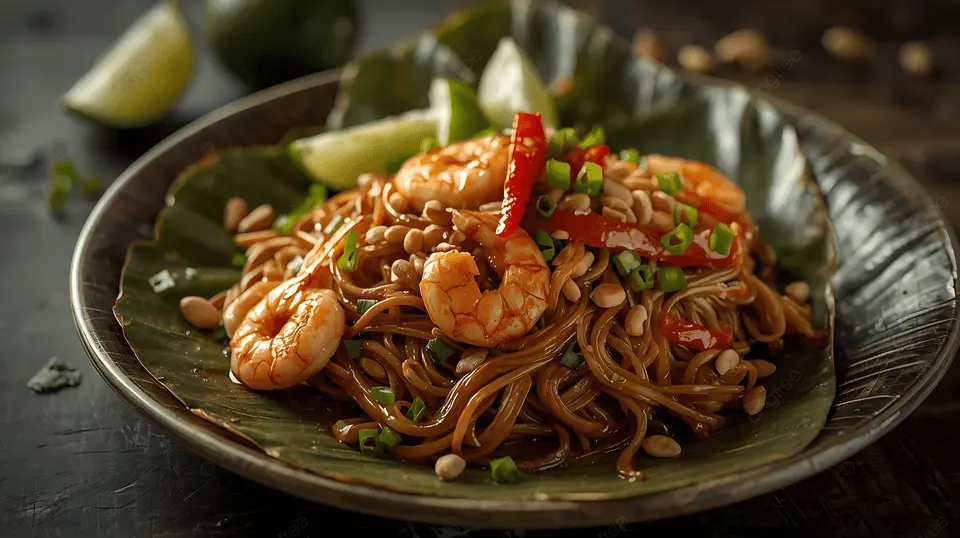

Pad Thai is one of Thailand’s most celebrated dishes, known globally for its balance of flavors, textures, and aromas. A harmonious combination of sweet, sour, salty, and umami elements, Pad Thai exemplifies the Thai culinary philosophy of flavor equilibrium. Beyond its taste, it reflects cultural traditions, street food heritage, and ingredient mastery.
This article explores the history, key ingredients, preparation techniques, flavor science, nutritional aspects, and cultural significance of Pad Thai. It also provides insights into achieving the perfect dish at home, demonstrating how authentic techniques and ingredient selection elevate this noodle dish from simple comfort food to a culinary masterpiece.
The Historical Context of Pad Thai
Pad Thai’s history is intertwined with Thailand’s national identity and culinary evolution:
- Origins: Although stir-fried noodle dishes existed in Thailand for centuries, Pad Thai as we know it emerged in the mid-20th century. During the 1930s and 1940s, Prime Minister Plaek Phibunsongkhram promoted it as part of a national campaign to modernize Thai cuisine and reduce rice consumption during economic hardship.
- Cultural Integration: The dish integrates Chinese stir-frying techniques, indigenous Thai flavors, and street food culture. Vendors quickly popularized it in urban areas, making it accessible to a broad audience.
- Global Spread: Migration and tourism helped Pad Thai become an international icon of Thai cuisine, representing Thailand’s culinary ingenuity and flavor sophistication.
Pad Thai thus embodies a fusion of tradition, innovation, and practicality, reflecting both national identity and everyday Thai life.
Key Ingredients of Authentic Pad Thai
The success of Pad Thai lies in ingredient quality, freshness, and balance:
Rice Noodles (Sen Lek)
- Type: Medium-width rice noodles are preferred for their texture and ability to absorb sauces.
- Preparation: Soaked in warm water until pliable but firm, then stir-fried briefly to prevent mushiness.
- Function: Noodles serve as a neutral base that absorbs the complex flavors of the sauce and other components.
Proteins
- Common Choices: Shrimp, chicken, tofu, or a combination.
- Preparation: Proteins are lightly marinated or stir-fried to retain moisture and enhance umami.
- Nutritional Role: Provides high-quality protein and balances carbohydrate-rich noodles.
Sauce Components
- Tamarind Paste: Adds sourness and depth; the signature flavor of Pad Thai.
- Fish Sauce: Imparts saltiness and umami; fundamental in Thai cuisine.
- Palm Sugar: Provides gentle sweetness, balancing sour and salty elements.
- Optional: Soy sauce for additional depth and a touch of chili for spiciness.
The combination of these ingredients forms a balanced, multi-dimensional sauce, crucial to the dish’s authenticity.
Aromatics and Vegetables
- Garlic and Shallots: Stir-fried to release fragrance and complexity.
- Bean Sprouts and Green Onions: Provide freshness and crunch.
- Red Chili Flakes (Optional): Add subtle heat to enhance flavor contrast.
Garnishes
- Roasted Peanuts: Offer texture and nutty aroma.
- Lime Wedges: Introduce acidity and brightness just before eating.
- Cilantro or Pickled Vegetables: Optional additions for aroma and flavor contrast.
Techniques for Perfect Pad Thai
Achieving the perfect Pad Thai requires precision in timing, heat, and ingredient order:
- Prepping Ingredients: Measure and organize all components (“mise en place”) to allow fast stir-frying without burning.
- Soaking Noodles: Ensure they are soft but not over-soaked, maintaining elasticity during stir-frying.
- High-Heat Stir-Frying: Use a wok or heavy skillet to allow quick, even cooking. High heat prevents noodles from becoming soggy and caramelizes the sauce.
- Layering Flavors: Aromatics, proteins, and sauce are added in stages to ensure even coating and flavor absorption.
- Finishing Touches: Garnishes are added last to preserve crunch, color, and aroma.
The speed and control of stir-frying are essential, as Pad Thai is a dish where texture, flavor balance, and visual appeal converge.
Flavor Science: Why Pad Thai Tastes Irresistible
Pad Thai demonstrates Thai culinary mastery in balancing five key tastes:
- Sweetness: Palm sugar or sugar syrup softens acidity and complements other ingredients.
- Sourness: Tamarind paste or lime juice introduces brightness and prevents heaviness.
- Saltiness: Fish sauce contributes umami depth.
- Bitterness: Optional small elements like roasted peanuts or slightly charred noodles add complexity.
- Spiciness: Red chili flakes provide subtle heat, elevating overall flavor.
This multi-layered flavor profile ensures that every bite is dynamic, satisfying, and memorable.
Nutritional Perspective
Pad Thai is more than flavorful; it is nutritionally balanced when made authentically:
- Carbohydrates: Rice noodles provide sustained energy.
- Proteins: Shrimp, chicken, or tofu supply essential amino acids.
- Healthy Fats: Peanut oil and roasted peanuts contribute monounsaturated fats.
- Vitamins and Minerals: Bean sprouts, lime, and garlic provide antioxidants, vitamin C, and micronutrients.
- Calorie Balance: By controlling oil and sugar, Pad Thai can be a healthy, satisfying meal.
Understanding these nutritional contributions allows cooks to adjust the dish for dietary needs without compromising authenticity.
Regional Variations of Pad Thai
Although Pad Thai is standardized internationally, subtle regional variations exist:
Bangkok-Style
- Balanced flavor with moderate sweetness and sourness.
- Protein choice often includes shrimp or a combination of meats.
Southern Thailand
- Spicier version with added chili and lime zest.
- Sometimes includes dried shrimp or tamarind concentrate for richer depth.
Street Food vs. Restaurant
- Street Food: Quick stir-frying, slightly smoky flavors, lighter sauce.
- Restaurant: Longer sauce reduction, careful layering, often more garnishes.
These variations illustrate how technique, environment, and personal taste influence the final dish, while preserving core characteristics.
Cultural Significance
Pad Thai is more than a dish; it is a symbol of Thai culture and hospitality:
- Street Food Tradition: Pad Thai exemplifies Thailand’s vibrant street food scene, accessible and affordable.
- National Identity: Promoted in the 20th century to define a culinary identity distinct from neighboring countries.
- Communal Eating: Often shared among friends and family, embodying Thai social values.
- Global Influence: Representing Thailand internationally, Pad Thai bridges culinary cultures while preserving authenticity.
The dish demonstrates how food reflects history, social practice, and cultural diplomacy.
Tips for Achieving Authentic Pad Thai at Home
- Invest in Tamarind Paste: Essential for true sourness.
- Use Rice Noodles, Not Wheat Noodles: Texture and absorption differ significantly.
- Control Heat: High, consistent heat ensures proper stir-frying without sogginess.
- Prepare Ingredients in Advance: Cooking is rapid; delays compromise texture and flavor.
- Balance the Sauce: Adjust sweetness, saltiness, and acidity gradually to taste.
- Finish with Garnishes: Peanuts, lime, and herbs elevate both flavor and presentation.
Mastering these techniques ensures that home-cooked Pad Thai rivals street and restaurant versions.
Modern Variations and Dietary Adaptations
Pad Thai has inspired numerous adaptations:
- Vegetarian or Vegan: Tofu replaces animal proteins, fish sauce replaced with soy or mushroom sauce.
- Gluten-Free: Naturally achieved with rice noodles.
- Low-Oil or Low-Sugar Versions: Adjust palm sugar and oil while maintaining balance.
- Fusion Dishes: Incorporating international ingredients like quinoa noodles or exotic vegetables, without losing core flavor principles.
These adaptations highlight Pad Thai’s flexibility while respecting authentic taste profiles.
Conclusion
Pad Thai exemplifies Thai cuisine at its finest, combining flavor balance, culinary technique, and cultural depth. Its foundation of high-quality ingredients, precise stir-frying, and nuanced sauce composition creates a dish that is at once comforting, complex, and universally loved.
Authentic Pad Thai reflects centuries of culinary evolution, including Chinese stir-fry techniques, indigenous Thai flavors, and street food innovation. It offers nutritional balance, gastronomic satisfaction, and cultural significance, demonstrating why it has become a global culinary ambassador for Thailand.
By mastering ingredient selection, flavor balance, and cooking technique, anyone can create the perfect Pad Thai at home, honoring its history while celebrating the artistry of Thai cuisine. Pad Thai is more than noodles; it is a harmonious blend of taste, texture, culture, and tradition, embodying the essence of authentic Thai culinary heritage.