





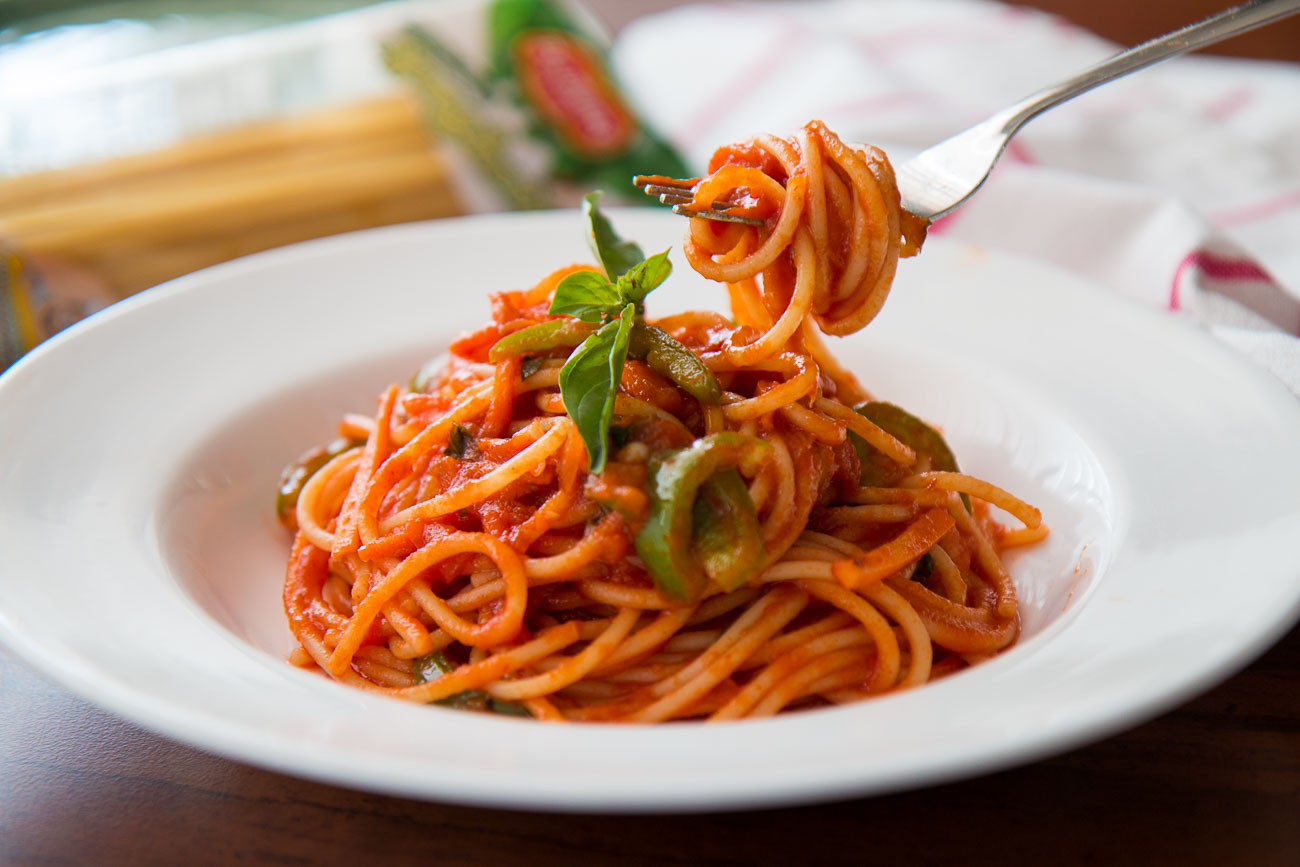

Italian pasta is one of the most iconic symbols of global cuisine. Its simplicity, versatility, and cultural significance have made it a culinary cornerstone not only in Italy but across the world. From humble spaghetti al pomodoro to the complex layers of lasagna, pasta reflects centuries of regional traditions, ingredient quality, and culinary craftsmanship. This article explores the history, types, ingredients, cooking techniques, nutritional aspects, and cultural significance of classic Italian pasta, demonstrating why it remains a timeless favorite.
Historical Background of Italian Pasta
Pasta’s origins are a subject of both legend and scholarship:
- Ancient Roots: Evidence of pasta-like foods exists in ancient civilizations, including the Etruscans, Greeks, and Romans, who prepared dough made from grains and water.
- Medieval Developments: By the 13th century, dried pasta was being produced in southern Italy, particularly in Naples and Sicily, where climate conditions favored preservation.
- Arab Influence: Sicily’s exposure to Arab traders introduced durum wheat semolina, which allowed for resilient, long-lasting pasta suitable for storage and trade.
- Regional Diversification: Over centuries, pasta evolved to include diverse shapes, sizes, and cooking methods, reflecting local ingredients, geography, and culinary culture.
Pasta’s evolution illustrates the combination of necessity, resource availability, and creative culinary adaptation, forming the foundation of Italian cuisine.
Key Ingredients of Classic Pasta
The flavor, texture, and nutritional quality of pasta depend on a few core ingredients:
Durum Wheat Semolina
- Composition: High-protein wheat with strong gluten content, providing elasticity and firmness.
- Role: Semolina flour ensures pasta retains its shape during cooking, offering the desirable “al dente” texture.
- Nutritional Value: Rich in complex carbohydrates, B vitamins, iron, and fiber.
Water
- Purpose: Hydrates the semolina, forming the dough.
- Technique: Precise ratios are critical; too much water weakens the dough, too little reduces elasticity.
Eggs (Optional)
- Traditional Use: Fresh egg pasta, common in northern Italy, produces richer flavor, color, and smoother texture.
- Nutritional Contribution: Provides protein, fat, and micronutrients such as vitamin A and choline.
Salt and Olive Oil (Occasional)
- Salt: Often incorporated into cooking water to enhance flavor.
- Olive Oil: Sometimes added to dough for certain pasta types, improving pliability and flavor.
The combination of high-quality flour, proper hydration, and skillful handling ensures that pasta forms a perfect canvas for sauces and seasonings.
Pasta Shapes and Regional Specialties
Italian pasta is categorized by shape, size, and cooking method, each suited to specific sauces and dishes:
Long, Thin Pasta
- Examples: Spaghetti, linguine, fettuccine, capellini.
- Typical Sauces: Olive oil-based, tomato-based, or creamy sauces.
- Regional Significance: Spaghetti al pomodoro originates in southern Italy, while fettuccine alfredo is rooted in Rome.
Short, Tubular Pasta
- Examples: Penne, rigatoni, ziti, mezze maniche.
- Purpose: Tubular shapes trap sauces and ingredients, enhancing flavor delivery.
- Regional Applications: Penne arrabbiata is popular in Lazio, while baked ziti is associated with southern Italian-American cuisine.
Small, Shaped Pasta
- Examples: Orzo, ditalini, fregola.
- Uses: Soups, salads, and light broths, providing texture without overpowering delicate flavors.
Stuffed Pasta
- Examples: Ravioli, tortellini, agnolotti.
- Significance: Encases fillings of cheese, meat, vegetables, or seafood, combining texture and flavor in one bite.
- Regional Variations: Emilia-Romagna is famous for tortellini, while Liguria produces stuffed pasta with local herbs and seafood.
The selection of shape is deliberate, designed to harmonize with sauces and ingredients, demonstrating the meticulous nature of Italian culinary design.
Classic Italian Pasta Sauces
Pasta achieves its full potential when paired with complementary sauces:
Tomato-Based Sauces
- Examples: Marinara, arrabbiata, puttanesca.
- Ingredients: Tomatoes, garlic, olive oil, herbs (basil, oregano), chili (for spicy variants).
- Cultural Relevance: Central and southern Italy favor tomato-based sauces, reflecting regional agriculture and Mediterranean flavors.
Cream-Based Sauces
- Examples: Alfredo, carbonara, cacio e pepe.
- Ingredients: Cheese, eggs, butter, cream (in some modern adaptations).
- Regional Relevance: Northern Italy, with its dairy-rich cuisine, is the birthplace of creamy sauces.
Pesto and Herb-Based Sauces
- Examples: Pesto alla Genovese.
- Ingredients: Basil, pine nuts, garlic, olive oil, Parmesan cheese.
- Cultural Significance: Liguria, with its abundant herbs and olive oil, showcases regional terroir.
Meat and Seafood Sauces
- Examples: Bolognese (ragù), vongole (clam sauce), seafood stews.
- Ingredients: Slow-cooked meats, aromatic vegetables, wine, herbs, shellfish.
- Nutritional Contribution: Adds protein and flavor complexity, often balanced with simple pasta shapes.
Light Oil-Based Sauces
- Examples: Aglio e olio, spaghetti alla puttanesca.
- Ingredients: Olive oil, garlic, chili, anchovies, herbs.
- Flavor Profile: Emphasizes simplicity, freshness, and ingredient quality.
The pairing of pasta shapes with sauces is a cornerstone of Italian culinary philosophy, emphasizing balance, texture, and flavor synergy.
Cooking Techniques
Proper preparation ensures that pasta reaches its optimal texture, flavor, and presentation:
- Boiling Water: Adequate salted water prevents sticking and enhances flavor absorption.
- Al Dente Cooking: Pasta should be firm to the bite, offering texture and supporting sauce adhesion.
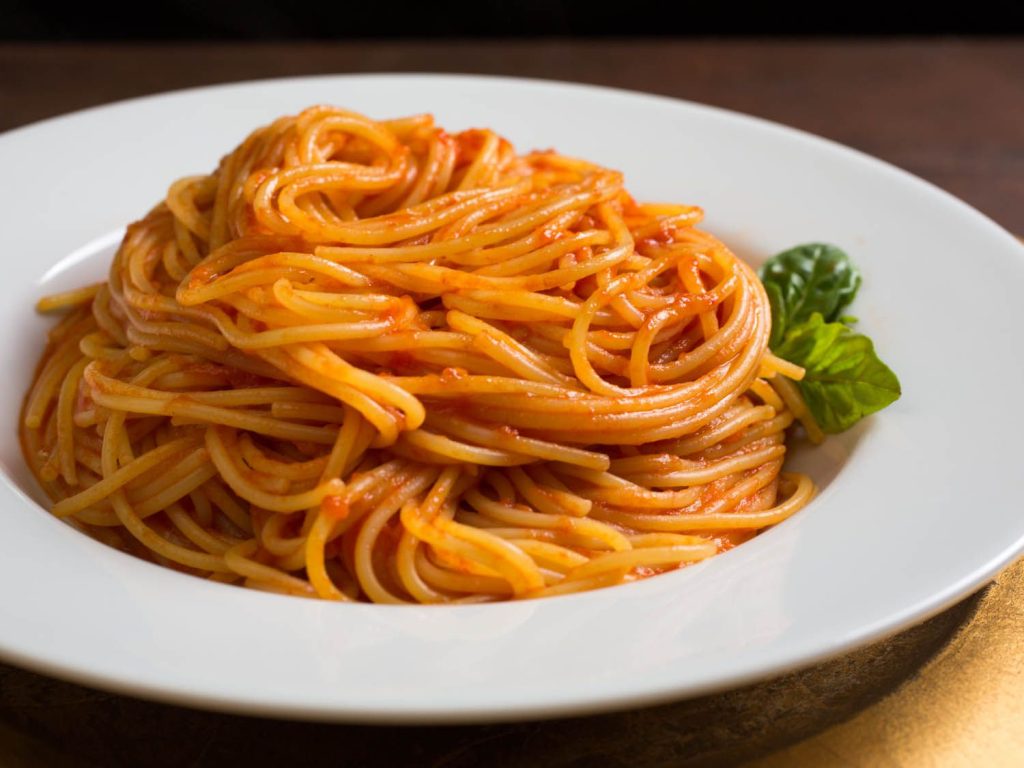
- Sauce Integration: Pasta is often finished in the sauce rather than merely served with it, allowing flavors to marry.
- Finishing Touches: Fresh herbs, grated cheese, and a drizzle of high-quality olive oil elevate both taste and visual appeal.
Attention to timing, texture, and seasoning exemplifies the precision and artistry behind classic Italian pasta preparation.
Nutritional Considerations
Pasta is often mischaracterized as unhealthy, yet when prepared traditionally, it is nutritionally balanced:
- Complex Carbohydrates: Provide sustained energy and support metabolic function.
- Protein: Present in egg pasta or paired with legumes, cheese, or meat sauces.
- Fiber: Whole-grain or semolina pasta contributes dietary fiber, aiding digestion.
- Micronutrients: Iron, B vitamins, and antioxidants from sauces and ingredients enhance nutritional value.
Portion control and pairing with vegetables, lean proteins, and healthy fats align pasta with modern healthy eating principles.
Regional Italian Pasta Traditions
Italy’s regions each possess distinct pasta traditions, reflecting local ingredients, climate, and history:
Northern Italy
- Characteristics: Rich sauces, dairy-based, stuffed pasta.
- Examples: Tagliatelle al ragù, tortellini, lasagne verdi.
- Influences: Abundance of butter, cream, and cheese shapes northern recipes.
Central Italy
- Characteristics: Simple sauces, emphasis on olive oil, legumes, and seasonal vegetables.
- Examples: Spaghetti cacio e pepe, pasta e fagioli, amatriciana.
- Approach: Focus on balancing texture, flavor, and ingredient quality.
Southern Italy
- Characteristics: Tomato-based sauces, chili, seafood, and olive oil.
- Examples: Pasta alla norma, spaghetti alle vongole, penne arrabbiata.
- Cultural Significance: Southern cuisine emphasizes Mediterranean ingredients and bold flavors.
Regional differences illustrate Italy’s culinary diversity while maintaining a shared reverence for ingredient quality, technique, and flavor harmony.
Cultural Significance
Pasta is more than sustenance; it embodies Italian culture and identity:
- Family and Tradition: Pasta-making is a communal activity, preserving intergenerational culinary knowledge.
- Festivals and Rituals: Certain pasta dishes are linked to holidays, celebrations, and religious observances.
- Art and Craftsmanship: Artisanal pasta production reflects skill, patience, and respect for ingredients.
- Global Influence: Italian immigrants introduced pasta worldwide, inspiring adaptations while preserving authentic techniques.
Pasta serves as both a culinary and cultural ambassador, bridging history, family, and international gastronomy.
Innovation and Modern Trends
While rooted in tradition, pasta has evolved to meet modern tastes and dietary needs:
- Whole-Grain and Gluten-Free Options: Catering to health-conscious consumers.
- Creative Fillings and Sauces: Incorporating seasonal vegetables, seafood, and international flavors.
- Artisanal and Handcrafted Pasta: Reviving heritage methods in response to industrialization.
- Sustainable Ingredients: Locally sourced produce, organic grains, and responsibly raised meats enhance both taste and ethics.
Innovation ensures that classic pasta remains relevant, balancing tradition with contemporary culinary trends.
Conclusion
Classic Italian pasta represents centuries of culinary evolution, regional diversity, and artisanal craftsmanship. Its simplicity—flour, water, sometimes eggs—belies the depth of skill, knowledge, and cultural significance embedded in every dish.
From long spaghetti tossed in fresh tomato sauce to stuffed tortellini rich with regional flavors, pasta embodies balance, nutrition, and artistry. Its preparation techniques, sauce pairings, and regional variations reflect both historical adaptation and modern innovation, ensuring its enduring global appeal.
Ultimately, Italian pasta is more than food: it is a symbol of family, tradition, and the artistry of Italian cuisine, demonstrating how humble ingredients, combined with precision and creativity, can produce something timeless, flavorful, and universally beloved.