






Introduction
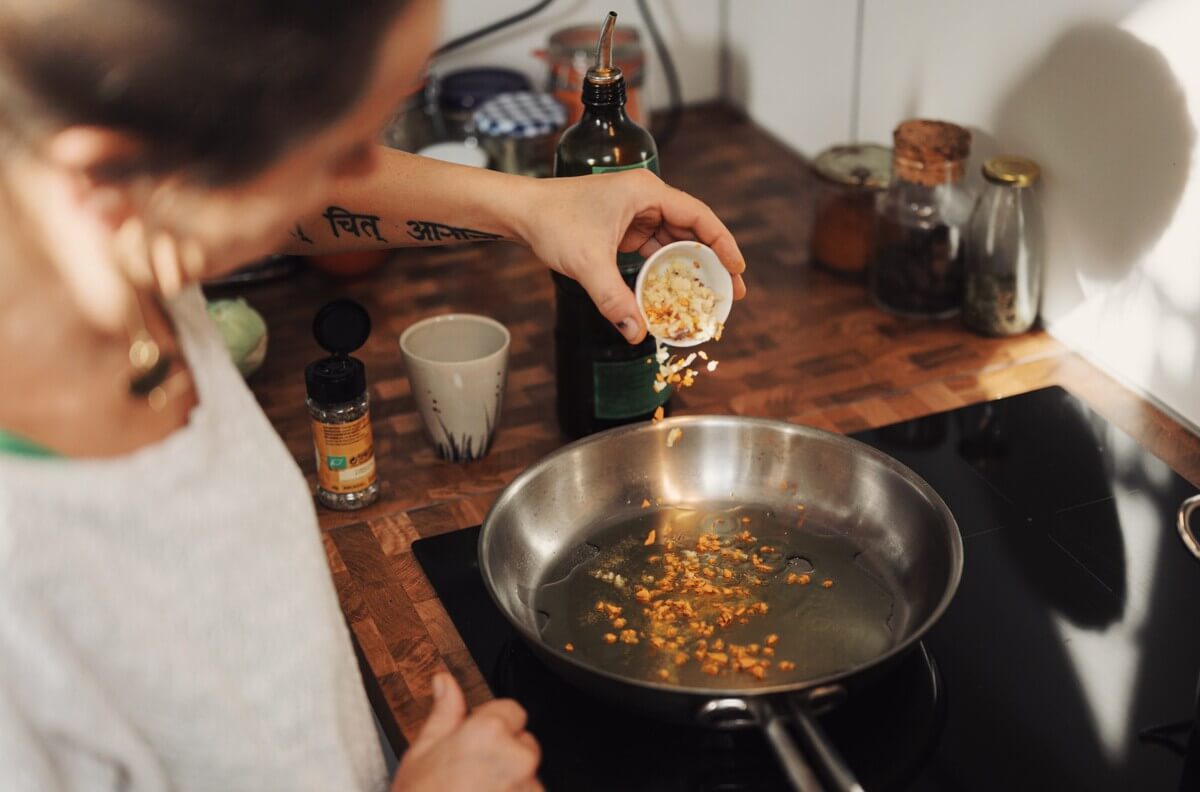
In the modern culinary landscape, home cooking has evolved from a routine necessity to a form of creative expression and personal wellness. More individuals are seeking ways to enhance their skills, prepare healthier meals, and bring restaurant-quality dishes into their own kitchens. The path to becoming a home cooking expert is paved not only with practice but also with insight from professional chefs, the application of culinary techniques, and strategic kitchen management.
This article explores the importance of professional guidance, key culinary tips, ingredient selection, cooking techniques, and the mindset required to elevate home cooking. By integrating expert knowledge with hands-on practice, aspiring home chefs can transform their culinary capabilities and create memorable dining experiences.
1. Understanding the Foundations of Home Cooking
1.1 The Importance of Technique
- Technique forms the backbone of successful cooking. Without mastery of techniques such as knife skills, sautéing, roasting, and sauce preparation, even high-quality ingredients can yield mediocre results.
- Professional chefs emphasize the “why” behind techniques, allowing cooks to adapt methods across recipes rather than memorizing steps mechanically.
1.2 The Role of Ingredients
- Quality ingredients are the foundation of flavorful dishes.
- Selecting seasonal, fresh, and regionally sourced produce, proteins, and spices enhances both taste and nutritional value.
- Understanding ingredient characteristics, such as fat content in meat, acidity in citrus, or starch composition in grains, allows for better predictable outcomes during cooking.
1.3 The Science of Flavor
- Flavor balance—sweet, salty, sour, bitter, and umami—is critical.
- Professional chefs teach how to layer flavors through seasoning, marination, and cooking techniques, ensuring depth and complexity in every dish.
2. Learning from Professional Chefs
2.1 Importance of Mentorship
- Chefs provide insights that go beyond recipes, including kitchen organization, timing, and ingredient selection.
- Mentorship can be formal (cooking classes, apprenticeships) or informal (online tutorials, masterclasses).
2.2 Observational Learning
- Watching a chef in action reveals subtle techniques, such as:
- The correct angle and speed for knife work
- The precise way to emulsify sauces
- Timing protein cooking for perfect doneness
2.3 Applying Chef Tips in Home Kitchens
- Adapting professional tips to the home environment is essential. Examples include:
- Batch prepping ingredients to save time
- Using home-friendly tools for sous-vide or precise temperature control
- Replicating restaurant plating for presentation skills
3. Mastering Key Culinary Techniques
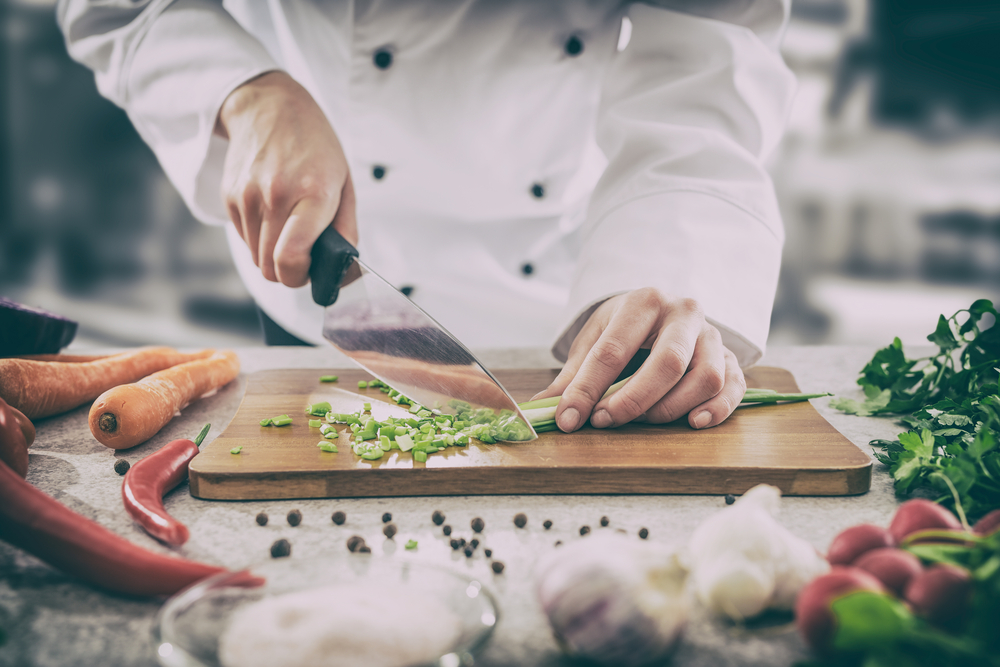
3.1 Knife Skills
- Professional chefs emphasize uniformity, safety, and efficiency.
- Techniques include:
- Julienne, chiffonade, dice, and brunoise
- Understanding knife maintenance and sharpening for precise cuts
- Benefits: even cooking, improved flavor distribution, and enhanced presentation
3.2 Temperature Control
- Temperature influences both texture and flavor.
- Techniques include:
- Searing meat at high heat for crust formation
- Low-and-slow cooking for tenderness (braising, sous-vide)
- Correct baking temperatures to prevent dryness or undercooking
3.3 Sauces, Stocks, and Reductions
- Flavor building is central to professional cooking.
- Techniques include:
- Preparing classic mother sauces (béchamel, velouté, espagnole, hollandaise, tomato)
- Using stock reductions to concentrate flavor
- Emulsifying oils and liquids for smooth, balanced sauces
3.4 Baking and Pastry Skills
- Baking requires precision in measurement, timing, and chemistry.
- Chefs teach:
- Temperature control for yeast fermentation and gluten development
- The importance of ingredient ratios for texture and structure
- Decorative techniques to enhance visual appeal
4. Ingredient Selection and Pairing
4.1 Seasonal and Fresh Ingredients
- Seasonal cooking ensures peak flavor, nutrition, and environmental sustainability.
- Examples:
- Spring: asparagus, peas, ramps
- Summer: tomatoes, berries, zucchini
- Fall: squash, apples, root vegetables
- Winter: citrus, kale, root vegetables
4.2 Flavor Pairing Principles
- Chefs use principles such as complementary and contrasting flavors to create harmony.
- Examples:
- Acid + fat (lemon on fish)
- Sweet + salty (honey with bacon)
- Umami layering (mushrooms + soy sauce + parmesan)
4.3 Ingredient Substitution
- Chefs teach how to swap ingredients without compromising flavor, useful for seasonal or regional adaptation.
- Examples:
- Using coconut milk instead of cream for dairy-free alternatives
- Root vegetables in place of potatoes for texture variation
5. Kitchen Organization and Efficiency
5.1 Mise en Place
- The concept of mise en place (everything in its place) is essential for home chefs:
- Prepping ingredients before cooking ensures smooth workflow
- Reduces stress and errors during cooking
- Benefits include time efficiency, improved focus, and cleaner kitchens
5.2 Tools and Equipment
- Professional chefs recommend investing in quality tools:
- Sharp knives, reliable cutting boards, heavy-bottomed pans
- Thermometers, scales, and immersion blenders for precision
- Knowledge of tool function and maintenance optimizes results
5.3 Timing and Multi-Tasking
- Chefs teach synchronizing multiple components:
- Cooking proteins while preparing sauces
- Roasting vegetables during meat resting times
- Mastering timing leads to consistent, restaurant-quality dishes at home
6. Advanced Home Cooking Techniques
6.1 Sous-Vide and Temperature Precision
- Controlled cooking ensures juicy proteins and even textures.
- Home chefs can apply sous-vide with water bath circulators and vacuum-sealed ingredients.
6.2 Molecular Gastronomy at Home
- Chefs are introducing foams, gels, and emulsions that elevate presentation and flavor.
- Techniques such as spherification or gelification allow creative experimentation safely at home.
6.3 Fermentation and Preservation
- Fermentation enhances flavor complexity and nutritional value.
- Examples for home practice:
- Sauerkraut, kimchi, kombucha, sourdough
- Curing meats and pickling vegetables using controlled methods
7. Learning Through Practice
7.1 Repetition and Iteration
- Professional chefs emphasize practice over perfection.
- Cooking the same dish multiple times develops:
- Muscle memory
- Refinement of seasoning and timing
- Confidence in execution
7.2 Keeping a Culinary Journal
- Documenting:
- Ingredient ratios
- Flavor adjustments
- Cooking times and temperatures
- Journals allow continuous improvement and recipe personalization
7.3 Experimentation
- Chefs encourage creative improvisation while respecting culinary principles.
- Combining techniques and flavors leads to unique, signature dishes.
8. Nutrition and Health Considerations
8.1 Balanced Meals
- Professional chefs emphasize protein, carbohydrates, fats, vitamins, and minerals in each meal.
- Portioning and ingredient selection improve both taste and health outcomes.
8.2 Reducing Unnecessary Ingredients
- Limiting refined sugars, processed oils, and excessive salt aligns professional flavor-building with health-conscious cooking.
- Chefs teach layering natural flavors to reduce reliance on additives.
8.3 Dietary Adaptation
- Knowledge of allergies, intolerances, and special diets allows home chefs to modify recipes without sacrificing flavor.
9. Presentation and Plating
- Chefs insist that presentation enhances the dining experience.
- Techniques include:
- Color contrast with garnishes
- Plate composition following symmetry and focal points
- Using sauces for both flavor and visual impact
- Proper plating engages all senses, elevating home cooking to a professional level.
10. The Mindset of a Home Cooking Expert
10.1 Patience and Discipline
- Learning professional techniques takes time and consistent effort.
- Mistakes are part of the learning process and provide opportunities for refinement.
10.2 Curiosity and Continuous Learning
- Staying informed about new ingredients, methods, and cuisines keeps cooking exciting.
- Professional chefs encourage reading, watching tutorials, and attending workshops.
10.3 Passion and Joy
- Enthusiasm transforms cooking from a chore into a rewarding, creative pursuit.
- Home chefs who enjoy the process produce better-tasting and more innovative dishes.
11. Conclusion
Becoming a home cooking expert requires more than following recipes—it requires understanding techniques, mastering ingredient selection, embracing professional tips, and cultivating the right mindset. By learning from chefs, home cooks can elevate their culinary skills, ensuring:
- Consistent, flavorful results
- Balanced and nutritious meals
- Creative expression and personal satisfaction
- Sustainable and efficient kitchen practices
The journey of home cooking mastery blends science, art, and discipline, and anyone willing to invest time, curiosity, and care can achieve restaurant-quality results in their own kitchen.