






Introduction
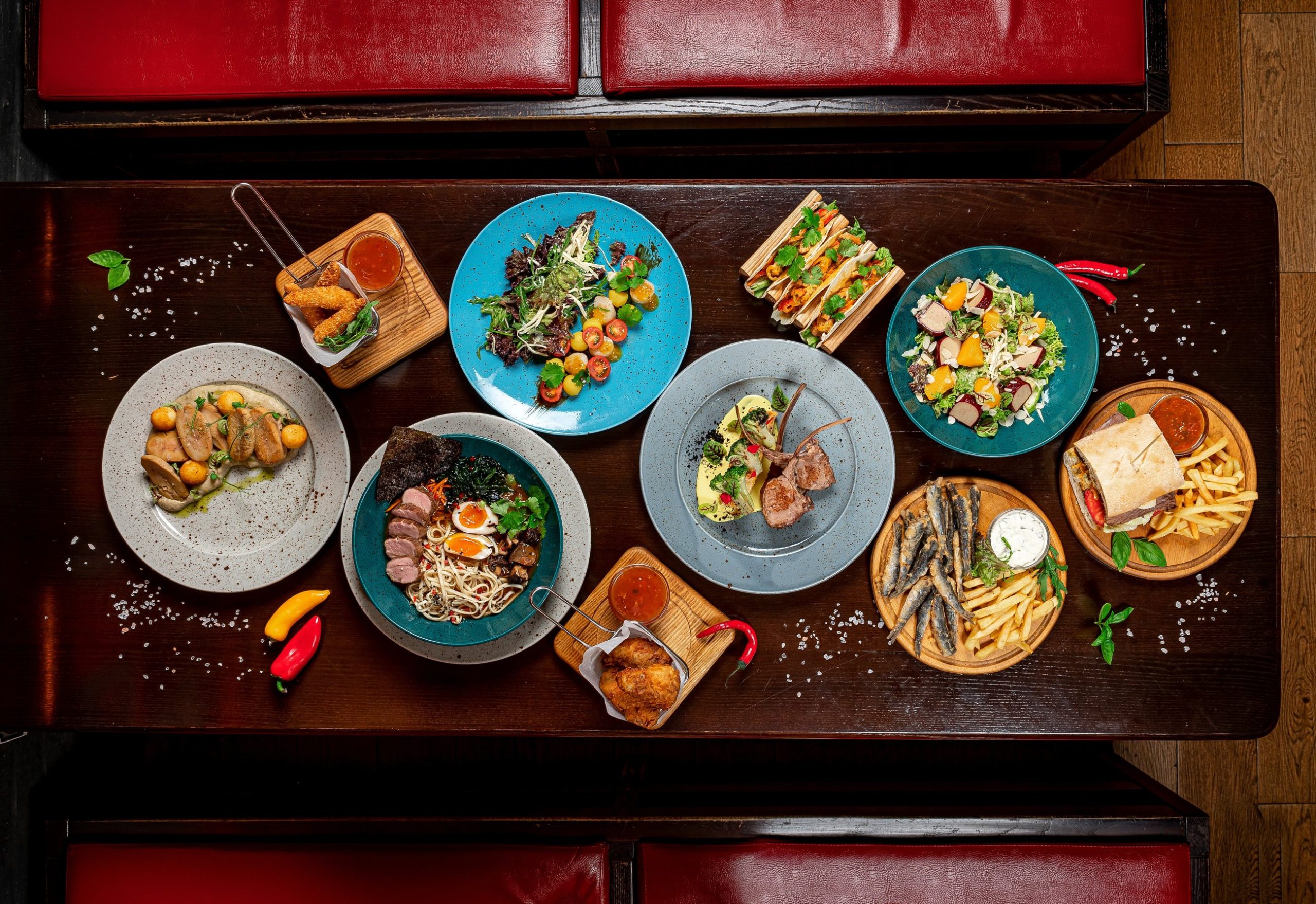
In the 21st century, globalization has transformed the way we produce, consume, and perceive food. No longer confined by borders, culinary practices and ingredients from different nations and regions now intersect, influence, and inspire one another, giving rise to innovative cuisines and hybrid food cultures. From Asian fusion tacos to Mediterranean-inspired sushi rolls, globalization has created a dynamic culinary landscape where tradition meets innovation.
This article explores how global connectivity, migration, trade, and media have reshaped food culture worldwide. It analyzes historical influences, ingredient mobility, cross-cultural techniques, and the rise of fusion cuisine, highlighting the socio-cultural, nutritional, and economic implications of globalized culinary practices.
1. Historical Context of Global Culinary Exchange
1.1 Early Trade Routes
- Ancient trade routes like the Silk Road and spice trade networks facilitated the exchange of ingredients, cooking techniques, and culinary philosophies.
- Spices such as cinnamon, black pepper, and cloves moved from Asia to Europe, transforming European cuisine.
- Crops like tomatoes, potatoes, and maize from the Americas revolutionized diets in Africa, Europe, and Asia.
1.2 Migration and Cultural Exchange
- Human migration brought culinary traditions into new territories, creating hybrid dishes.
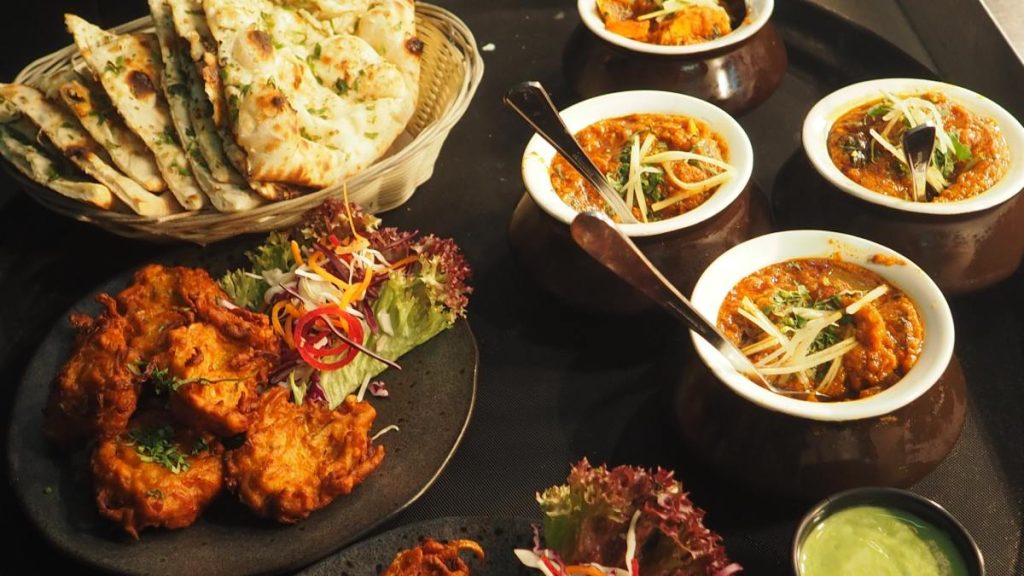
- Indian samosas in East Africa, Chinese noodles in the Caribbean, and Middle Eastern flatbreads in Europe are early examples of food transcending borders.
1.3 Colonial and Post-Colonial Influences
- Colonization and imperial expansion introduced new ingredients, cooking methods, and tastes to colonized regions.
- French, Portuguese, and British culinary legacies persist in Africa, Asia, and the Americas.
2. Mechanisms of Culinary Globalization
2.1 Ingredient Mobility
- Modern transportation allows fresh, frozen, and preserved ingredients to cross continents rapidly.
- Supermarkets and specialty stores stock ingredients previously inaccessible outside their native regions, facilitating home cooking and professional experimentation.
2.2 Media and Technology
- Food blogs, social media, and cooking shows accelerate cross-cultural culinary awareness.
- Platforms like Instagram and TikTok showcase fusion dishes, street foods, and traditional recipes from across the globe, inspiring both home cooks and professional chefs.
2.3 Tourism and Culinary Travel
- Culinary tourism fosters direct experience of local flavors and techniques, influencing international chefs and restaurants.
- Tourists often replicate regional dishes in their home countries, leading to reinterpretations and fusion creations.
3. Emergence of Fusion Cuisine
3.1 Definition and Characteristics
- Fusion cuisine combines elements from multiple culinary traditions, creating dishes that are both familiar and innovative.
- Examples include:
- Sushi burritos (Japanese + Mexican)
- Kimchi tacos (Korean + Mexican)
- Paneer tikka pizza (Indian + Italian)
3.2 Philosophical Approach
- Successful fusion respects the core principles of each cuisine while integrating flavors, textures, and techniques harmoniously.
- Avoiding cultural appropriation and maintaining authenticity in representation is crucial for ethical fusion.
3.3 Global Chefs as Cultural Mediators
- Chefs like Roy Choi, Massimo Bottura, and Yotam Ottolenghi exemplify the blending of global culinary knowledge.
- They create menus that balance innovation with respect for traditional techniques, demonstrating globalization as a catalyst for culinary creativity.
4. Case Studies of Global Culinary Intersections
4.1 Asian Influence in Western Cuisine
- Chinese stir-fries and ramen have been adapted in North America and Europe, incorporating local ingredients and dietary preferences.
- Thai flavors—lemongrass, coconut milk, chili—appear in fusion dishes worldwide, such as coconut curry pizzas and noodle bowls.
4.2 Middle Eastern Cuisine Abroad
- Falafel, hummus, and shawarma are no longer confined to their regions, appearing in European fast-casual chains.
- Local adaptations incorporate regional spices, bread, or vegetables, creating hybrid flavors.
4.3 Latin American Ingredients in Global Kitchens
- Avocados, quinoa, and chili peppers are used in non-Latin cuisines, inspiring reinterpretations such as avocado toast or quinoa risotto.
- Mexican street foods, like tacos and elotes, are modified to suit local tastes while retaining signature elements.
5. Culinary Techniques Crossing Borders
5.1 Cooking Methods
- Sous-vide (French origin) is now employed globally, even in traditional Asian meat dishes.
- Smoking and fermenting techniques cross continents, influencing barbecue cultures and preservation methods worldwide.
5.2 Flavor Principles
- Umami-rich ingredients from Japanese cuisine influence Western sauces and stocks.
- Spice blending techniques from Indian or North African cuisines enhance European and American flavor profiles.
5.3 Presentation and Plating
- Global culinary exposure has transformed restaurant aesthetics, blending artistic plating from French haute cuisine with vibrant, colorful elements from Asian and Latin American cultures.
6. Socio-Cultural Implications
6.1 Identity and Authenticity
- Fusion cuisine challenges traditional notions of culinary authenticity.
- Globalized food encourages cross-cultural dialogue, but may also risk diluting regional identities if mishandled.
6.2 Food Diplomacy
- Cuisine functions as a soft power tool, promoting cultural understanding.
- Events like international food festivals showcase national cuisines while encouraging experimentation with other traditions.
6.3 Accessibility and Democratization
- Globalization allows high-quality ingredients and innovative techniques to be accessible to home cooks.
- Street food and fast-casual adaptations make global flavors approachable, influencing everyday eating habits.
7. Economic Impact of Culinary Globalization
7.1 Food Supply Chains
- Global trade networks enable import/export of key ingredients, supporting local economies and international businesses.
- However, reliance on international supply can create vulnerabilities, as seen during pandemic-related disruptions.
7.2 Culinary Tourism
- Restaurants featuring global cuisines attract domestic and international diners, boosting tourism revenues.
- Culinary experiences are now marketed as cultural experiences, beyond simple consumption.
7.3 Innovation and Entrepreneurship
- Fusion cuisine fosters entrepreneurial opportunities, from specialty food products to themed restaurants.
- Globalization encourages experimentation with ingredients, flavor profiles, and cooking methods, expanding the culinary market.
8. Nutrition and Health Considerations
8.1 Diverse Ingredients
- Globalized cuisine introduces new superfoods, grains, and plant-based proteins, improving dietary variety.
- Examples include quinoa (South America), matcha (Japan), and tahini (Middle East).
8.2 Culinary Balance
- Fusion cuisine can combine complementary nutrients across regions, e.g., legumes from Africa with whole grains from Europe.
- However, over-reliance on processed or fast-food fusion may compromise nutritional quality.
8.3 Adapting Recipes for Health
- Chefs are modifying traditional dishes to reduce fat, sugar, or sodium while preserving authentic flavors.
- Culinary globalization allows cross-pollination of healthy cooking techniques worldwide.
9. Challenges and Criticisms
9.1 Cultural Appropriation
- Misrepresenting or oversimplifying a cuisine can erode cultural respect.
- Ethical fusion requires acknowledgment of origins and responsible adaptation.
9.2 Standardization vs. Creativity
- Global chains may standardize flavors for mass appeal, risking loss of regional uniqueness.
- Artisanal chefs maintain creativity and authenticity, balancing globalization with heritage preservation.
9.3 Environmental and Sustainability Concerns
- Importing exotic ingredients can increase carbon footprint.
- Responsible sourcing, seasonal cooking, and local adaptations mitigate environmental impact.
10. The Future of Global Culinary Culture
- The next decade will see even greater cross-cultural experimentation, as chefs explore molecular gastronomy, plant-based innovation, and hybrid traditions.
- Technology, including virtual kitchens, AI recipe development, and global ingredient sourcing apps, will reshape culinary experiences.
- Education and awareness will emphasize ethical fusion, sustainability, and respect for culinary heritage, ensuring globalization enriches rather than diminishes traditional food cultures.
11. Conclusion
Globalization has transformed food from a local necessity to a worldwide dialogue. Ingredients, techniques, and flavor principles now traverse continents, creating a dynamic culinary landscape that celebrates innovation while challenging traditions.
Key Insights:
- Globalized food blends history, culture, and creativity, producing new flavors and experiences.
- Fusion cuisine exemplifies cross-cultural collaboration, requiring ethical and informed execution.
- Chefs, home cooks, and food entrepreneurs must navigate nutrition, sustainability, and authenticity while embracing global culinary exchange.
- The future of food lies in connectivity, experimentation, and cultural respect, offering a world where meals reflect both local roots and global imagination.
In essence, globalization does not erase culinary heritage—it intertwines traditions, inspiring a new, shared food culture that transcends borders.