






Introduction
In the modern culinary world, chefs continually seek methods that maximize flavor, texture, and nutritional integrity. Among these innovations, sous-vide cooking, or low-temperature slow cooking, stands out as a technique that allows precise control over cooking parameters while preserving the original essence of ingredients. Originally developed in the mid-20th century, sous-vide has transitioned from industrial food processing to haute cuisine, becoming a staple in professional and home kitchens alike.
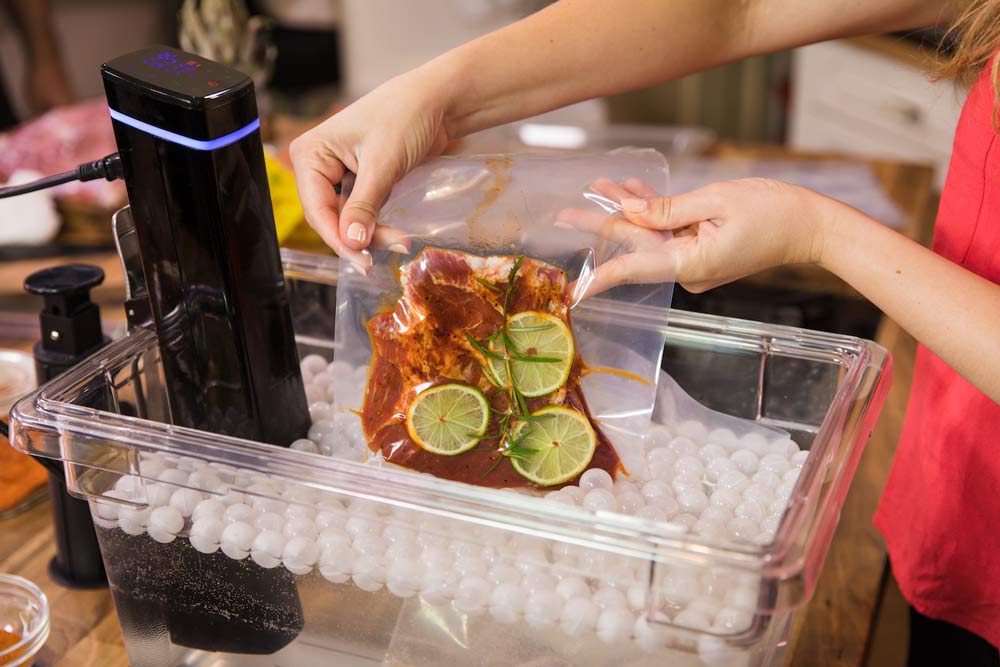
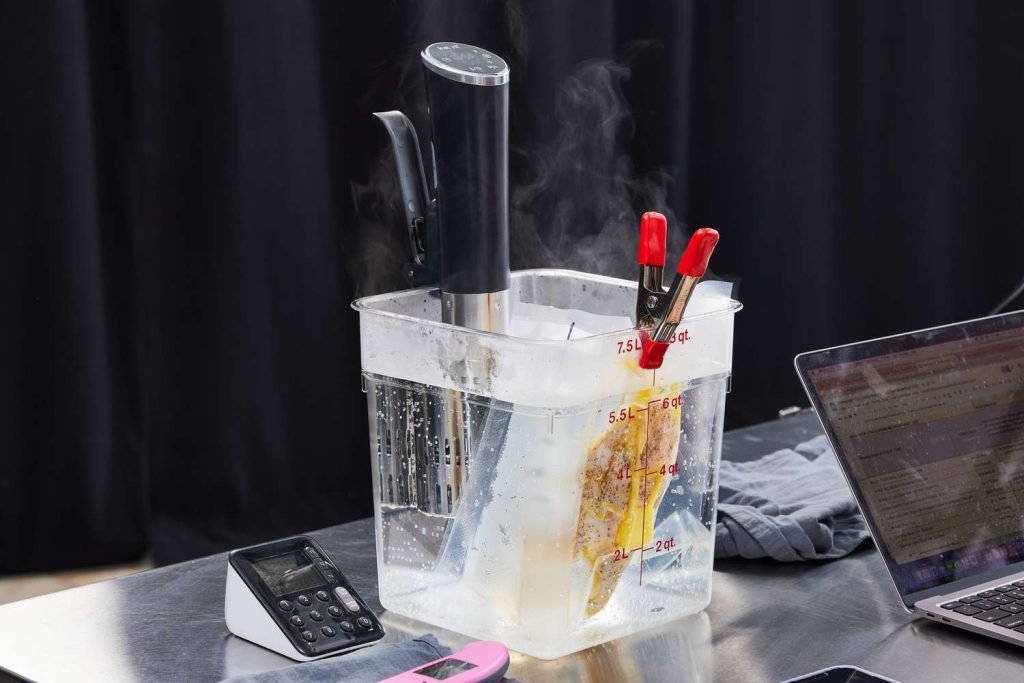
At its core, sous-vide cooking involves vacuum-sealing food and cooking it in a water bath at a precisely controlled temperature for an extended period. Unlike traditional cooking methods, which often rely on high heat and risk overcooking, sous-vide ensures even doneness and optimal moisture retention, producing results that are difficult to achieve with conventional techniques.
This article explores the history, principles, applications, scientific underpinnings, and professional practices of sous-vide cooking. It also examines its role in enhancing flavor, texture, and nutritional value, while highlighting innovations, challenges, and the technique’s broader impact on contemporary gastronomy.
1. Historical Background of Sous-Vide
1.1 Origins in Industrial Food Technology
Sous-vide was initially developed in the 1960s for industrial food preservation and efficiency. Companies sought ways to cook products while maintaining consistency, shelf life, and quality, particularly for large-scale catering and airline meals.
Key milestones include:
- 1960s France: Chef Georges Pralus and engineer Bruno Goussault explored low-temperature cooking to improve foie gras quality.
- 1970s-1980s: Professional adoption expanded in high-end restaurants in Europe and North America.
1.2 Transition to Modern Culinary Applications
By the 1990s, chefs like Ferran Adrià and Thomas Keller began using sous-vide to explore textures, flavors, and precision cooking. Today, it is a standard technique in Michelin-starred kitchens, culinary schools, and home cooking enthusiasts.
2. Principles of Sous-Vide Cooking
2.1 Low Temperature, Slow Cooking
Sous-vide relies on precise temperature control, usually between 50°C and 85°C (122°F–185°F), depending on the food type. Key advantages:
- Prevents overcooking, especially for proteins
- Retains moisture and natural juices
- Allows uniform cooking throughout the ingredient
2.2 Vacuum Sealing
Vacuum sealing serves several functions:
- Removes air, reducing oxidation and spoilage
- Improves heat transfer efficiency
- Enhances flavor concentration as juices remain with the ingredient
2.3 Extended Cooking Times
Sous-vide often requires 1–48 hours, depending on the ingredient. Proteins, tough cuts, and vegetables benefit from this slow cooking process, which:
- Breaks down connective tissues without drying out meat
- Enhances flavor infusion from marinades or spices
- Retains vibrant colors and natural textures
3. Scientific Basis: Why Sous-Vide Preserves Flavor
3.1 Protein Denaturation
Traditional high-heat cooking often denatures proteins too quickly, squeezing out moisture and altering texture. Sous-vide:
- Gradually denatures proteins at target temperatures, producing tender, juicy results
- Ensures precise doneness, reducing risk of overcooking
3.2 Maillard Reaction Control
Sous-vide cooking often requires searing post-cook to develop browning:
- Water bath prevents Maillard reaction during cooking
- Quick sear enhances aromatic compounds and visual appeal
- Maintains interior moisture while adding exterior flavor
3.3 Nutrient Preservation
Studies show sous-vide retains higher levels of water-soluble vitamins (B-complex, C) compared to boiling or frying. Extended, controlled temperatures reduce nutrient loss, making the dish both flavorful and nutritionally dense.
4. Applications in Proteins
4.1 Beef
- Steaks: Achieve uniform medium-rare doneness edge-to-edge
- Short ribs: Slow sous-vide breaks down collagen while retaining juices
4.2 Poultry
- Chicken breast: Retains moisture and tenderness, unlike oven-roasted versions
- Duck confit: Fat renders perfectly while preserving texture
4.3 Seafood
- Salmon and tuna: Maintain delicate texture and vibrant color
- Shellfish: Prevents rubberiness common in high-heat cooking
5. Applications in Vegetables and Plant-Based Proteins
5.1 Vegetables
Sous-vide enhances color, texture, and flavor of vegetables:
- Carrots, asparagus, and beets retain natural sweetness and crunch
- Slow cooking allows uniform heat penetration, preventing mushiness
5.2 Plant-Based Proteins
- Tofu and tempeh absorb marinades more effectively
- Legumes maintain shape and texture without overcooking
6. Flavor Enhancement Techniques
6.1 Infusion of Herbs and Spices
Vacuum-sealing allows herbs, spices, and aromatics to penetrate ingredients fully, resulting in:
- Deep, balanced flavor without over-salting
- Minimal water loss, preserving essence of fresh herbs
6.2 Marinades and Oils
Sous-vide encourages even infusion of oils, sauces, and marinades:
- Olive oil, butter, or aromatics coat proteins evenly
- Low temperatures prevent flavor degradation
6.3 Post-Cook Finishing
Seared, grilled, or broiled finishing enhances:
- Visual appeal
- Aroma through Maillard reaction
- Crisp texture without losing moisture
7. Professional Culinary Practices
7.1 Equipment
Modern professional kitchens employ:
- Immersion circulators for precise temperature control
- Vacuum-sealing machines for airtight packaging
- Water baths or combi-ovens for batch cooking
7.2 Standardization and Consistency
Sous-vide allows chefs to:
- Achieve consistent results in large-scale operations
- Maintain flavor integrity in high-volume catering
- Reduce stress in timing, allowing predictable cooking schedules
7.3 Menu Innovation
Sous-vide enables creativity in:
- Multi-layered flavor combinations
- Texture experimentation (gelatinous, creamy, or firm)
- Modernist plating and presentation
8. Home Cooking Adaptation
Sous-vide is increasingly accessible to home chefs through:
- Affordable immersion circulators
- Pre-vacuumed or zip-lock alternatives
- Recipe guides with precise temperature and timing
Advantages for home cooking:
- Reproducibility of gourmet results
- Nutrient retention for health-conscious meals
- Flexibility in meal preparation and storage
9. Sustainability and Efficiency
9.1 Waste Reduction
Sous-vide reduces food waste:
- Precise cooking prevents overcooking and trimming losses
- Surplus cuts can be slow-cooked without texture compromise
- Extended storage due to vacuum sealing
9.2 Energy Efficiency
Compared to traditional ovens, sous-vide uses lower temperatures for longer durations, often reducing total energy consumption when scaled efficiently.
10. Challenges and Limitations
- Requires precision equipment
- Extended cooking times demand planning
- Lack of high-heat browning during cooking requires post-sear
- Risk of bacterial growth if temperatures are improperly managed
Professional chefs mitigate these risks with:
- Temperature calibration
- Food safety protocols
- Continuous monitoring during cooking
11. Innovations in Sous-Vide
11.1 Multi-Ingredient Bags
- Cooking protein, vegetables, and sauce together to maximize flavor
- Efficient batch preparation
11.2 Hybrid Techniques
- Combining sous-vide with smoking, torching, or pressure cooking
- Expands flavor profiles while maintaining ingredient integrity
11.3 Molecular Gastronomy Integration
- Gelatinization, foams, and emulsions are complemented by sous-vide precision
- Enables texture experimentation without overcooking
12. Global Culinary Impact
Sous-vide has influenced:
- Haute cuisine: Michelin-starred restaurants rely on precise sous-vide techniques
- Culinary education: Standard in professional training programs
- Food culture: Promotes awareness of ingredient quality, flavor integrity, and sustainability
13. Case Studies
13.1 Thomas Keller
- Uses sous-vide to perfect steaks, poultry, and vegetables
- Demonstrates consistency and flavor retention at high-volume fine dining operations
13.2 Ferran Adrià
- Explored texture manipulation and flavor concentration
- Integrates sous-vide into molecular gastronomy techniques
13.3 Modern Home Applications
- Sous-vide allows home cooks to replicate professional-level results
- Popularity driven by precision cooking devices, meal prep convenience, and nutrient preservation
14. Future Directions
Sous-vide is evolving through:
- Smart kitchen technology and IoT-enabled devices
- Integration with AI for temperature and timing optimization
- Sustainable cooking education, reducing food waste while maintaining quality
- Expanded adoption in plant-based and alternative proteins
15. Conclusion
Sous-vide cooking represents a culinary revolution that merges scientific precision with gastronomic artistry. Its key benefits include:
- Preserving natural flavors and juices of ingredients
- Maintaining optimal texture and nutrient content
- Enabling creativity in flavors, textures, and presentation
- Reducing waste and promoting sustainable practices
In both professional kitchens and home settings, sous-vide empowers chefs to elevate the quality of every dish, demonstrating that respecting ingredients through precision and patience can result in exceptional culinary experiences.
As the culinary world continues to innovate, sous-vide remains a benchmark for modern cooking, emphasizing that true flavor comes not from excessive manipulation but from careful, scientific, and respectful preparation of ingredients.