






Introduction
In the culinary world, few factors are as decisive—and as unforgiving—as temperature. While ingredients, seasoning, and technique often receive the most attention, temperature control is the invisible force that determines whether food reaches its highest potential or falls into mediocrity. From the gentle poaching of fish to the intense searing of meat, from slow fermentation to rapid caramelization, temperature governs the physical, chemical, and sensory transformations that occur during cooking.
Perfect cooking is not merely about following recipes; it is about understanding how heat interacts with ingredients at every stage. Professional chefs, food scientists, and serious home cooks increasingly recognize temperature control as the cornerstone of consistency, texture, flavor development, and food safety. This article offers a comprehensive and professional exploration of temperature control in cooking, examining the scientific principles behind heat transfer, the behavior of proteins, fats, and carbohydrates, the role of modern temperature-controlled techniques, and the aesthetic and sensory outcomes of precise thermal management.
Through this in-depth discussion, temperature emerges not as a background variable, but as a primary creative tool—one that allows cooks to respect ingredients, achieve precision, and deliver truly exceptional results.
1. Temperature as the Foundation of Cooking Science
1.1 Heat as a Transformative Force
Cooking is fundamentally the application of heat to food. Heat initiates a series of transformations that alter texture, flavor, color, and aroma. These transformations include:
- Protein denaturation and coagulation
- Starch gelatinization
- Fat melting and rendering
- Sugar caramelization
- Maillard browning reactions
Each of these processes occurs within specific temperature ranges. Mastery of cooking, therefore, begins with understanding what happens at which temperature.
1.2 Precision Versus Guesswork
Historically, cooking relied on intuition and experience—judging doneness by sight, sound, or touch. While these skills remain valuable, modern culinary practice increasingly favors precision. Controlled temperature allows chefs to:
- Reproduce results consistently
- Avoid overcooking or undercooking
- Optimize texture and juiciness
- Preserve delicate flavors
Precision does not eliminate creativity; rather, it provides a stable framework within which creativity can flourish.
2. Heat Transfer Methods and Their Culinary Implications
2.1 Conduction, Convection, and Radiation
Temperature control cannot be separated from how heat is transferred. The three primary modes of heat transfer are:
- Conduction: direct contact between food and a hot surface (e.g., pan-frying)
- Convection: movement of hot air or liquid around food (e.g., boiling, roasting)
- Radiation: transfer of heat via infrared energy (e.g., grilling, broiling)
Each method affects cooking speed, surface browning, and moisture retention differently.
2.2 Choosing the Right Heat for the Ingredient
Different ingredients respond best to different heat transfer methods:
- Tender fish benefits from gentle convection
- Tough cuts of meat require slow, prolonged heat
- Vegetables often benefit from high heat to preserve color and texture
Temperature control ensures that the chosen method enhances rather than damages the ingredient.
3. Proteins and Temperature: Precision at the Molecular Level
3.1 Protein Denaturation and Coagulation
Proteins in meat, fish, eggs, and dairy undergo structural changes when heated. As temperature rises:
- Proteins denature (unfold)
- They then coagulate (bond together)
This process determines texture. For example:
- Eggs set softly at lower temperatures
- Overheating causes excessive tightening and dryness
Understanding protein behavior allows chefs to target optimal doneness rather than relying on time alone.
3.2 Meat Doneness and Internal Temperature
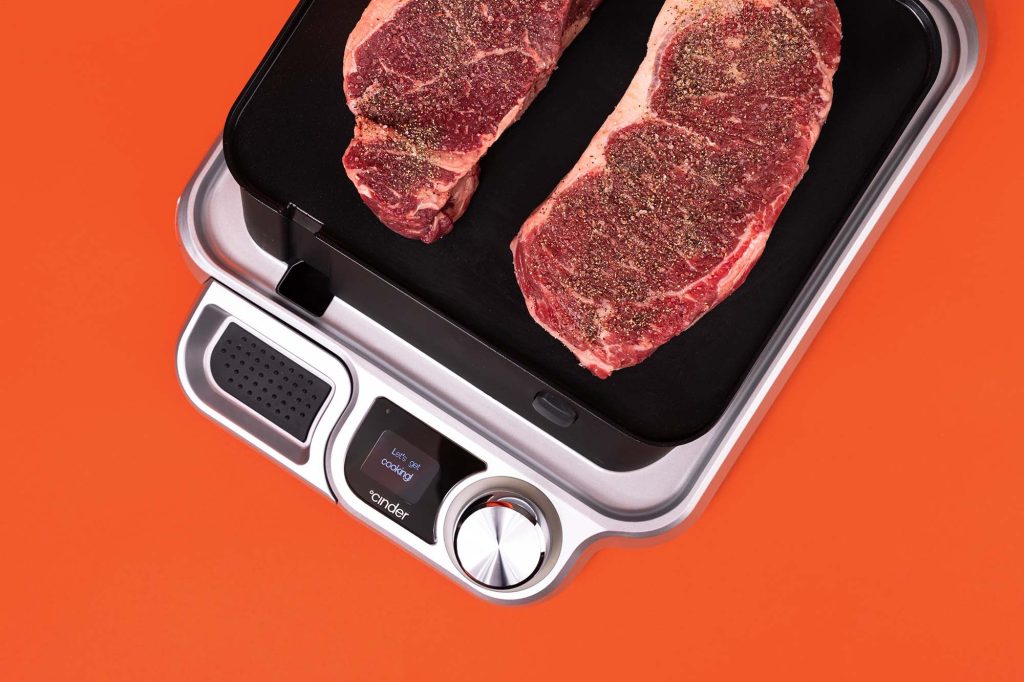
Meat doneness is best defined by internal temperature, not cooking duration. Small temperature differences can dramatically affect texture:
- Lower temperatures preserve juiciness and tenderness
- Higher temperatures increase firmness and moisture loss
Precision cooking enables chefs to serve meat exactly as intended—rare, medium, or well-done—without compromise.
3.3 Fish and Delicacy
Fish proteins coagulate at lower temperatures than meat, making them particularly sensitive to heat. Overcooking by even a few degrees can result in dryness and flaking. Gentle, well-controlled temperatures preserve:
- Natural moisture
- Silky texture
- Clean, subtle flavor
4. Fats, Oils, and Temperature Sensitivity
4.1 Fat Rendering and Flavor Release
Fats begin to melt and render at relatively low temperatures. Proper control allows:
- Even rendering without burning
- Flavor development without bitterness
In meats such as duck or pork, slow rendering of fat is essential to achieve crisp skin and succulent flesh.
4.2 Smoke Points and Oil Selection
Every cooking oil has a smoke point, beyond which it degrades and produces unpleasant flavors and potentially harmful compounds. Temperature control ensures:
- Appropriate oil selection for each technique
- Clean flavors and safe cooking practices
Matching oil type to cooking temperature is a hallmark of professional discipline.
5. Carbohydrates, Sugars, and Thermal Reactions
5.1 Starch Gelatinization
Starches in grains, legumes, and vegetables absorb water and swell when heated, a process known as gelatinization. This process:
- Softens texture
- Enhances digestibility
- Enables thickening in sauces
Precise temperature control prevents undercooked starches or mushy textures.
5.2 Caramelization and the Maillard Reaction
Two key browning processes depend heavily on temperature:
- Caramelization: breakdown of sugars at high heat
- Maillard reaction: interaction between amino acids and sugars
These reactions create complex aromas, deep flavors, and appealing colors. However, excessive heat can lead to bitterness or burning. Precision ensures balance.
6. Low-Temperature Cooking: Control and Consistency
6.1 Sous Vide and Precision Cooking
Sous vide cooking—sealing food and cooking it in a temperature-controlled water bath—represents one of the most significant advances in modern gastronomy. Its advantages include:
- Exact temperature control
- Uniform doneness edge to edge
- Minimal moisture loss
This technique allows chefs to target the precise temperature at which an ingredient is at its best.
6.2 Slow Cooking and Braising
Low and slow methods rely on controlled temperatures to:
- Break down connective tissue
- Transform tough cuts into tender dishes
- Develop deep, layered flavors
Temperature stability is essential to avoid boiling, which can toughen proteins and emulsions.
7. High-Temperature Cooking: Power and Precision
7.1 Searing and Crust Formation
High heat is critical for creating crusts and browning, especially in meats. Proper temperature control allows:
- Rapid surface browning
- Minimal interior overcooking
- Enhanced flavor concentration
The challenge lies in balancing intensity with timing.
7.2 Wok Cooking and Flash Techniques
In cuisines such as Chinese stir-frying, extremely high temperatures are used briefly. Success depends on:
- Preheated equipment
- Precise timing
- Ingredient preparation
Even at high heat, control—not chaos—is the defining principle.
8. Temperature and Moisture Management
8.1 Evaporation and Drying
Excessive heat accelerates moisture loss. Controlled temperatures help maintain:
- Juiciness in proteins
- Crispness without dehydration
- Balance between exterior and interior textures
Understanding evaporation rates is key to perfect roasting and baking.
8.2 Covered vs. Uncovered Cooking
Covering food traps steam and raises local temperature, while uncovered cooking promotes evaporation and browning. Strategic use of lids and vents allows chefs to shape texture intentionally.
9. Baking and Pastry: Temperature as Structure
9.1 Precision in Baking
Baking is often described as the most temperature-sensitive culinary discipline. Leavening, setting, and browning depend on narrow thermal windows.
Temperature affects:
- Yeast activity
- Butter melting
- Egg protein setting
- Sugar caramelization
In baking, even small deviations can cause failure.
9.2 Oven Calibration and Consistency
Professional bakers rely on calibrated ovens and consistent heat distribution. Temperature fluctuations can compromise structure, volume, and crumb.
10. Fermentation, Proofing, and Controlled Heat
10.1 Temperature and Microbial Activity
Fermentation processes—such as bread proofing, yogurt making, and pickling—depend on temperature to regulate microbial growth.
- Too cold slows activity
- Too warm encourages spoilage
Precise control ensures safety, flavor, and texture.
10.2 Time and Temperature as Partners
In fermentation, time and temperature are inseparable. Lower temperatures require longer time; higher temperatures accelerate reactions. Mastery lies in balancing both.
11. Tools for Temperature Control
11.1 Thermometers and Sensors
Modern kitchens increasingly rely on accurate tools, including:
- Instant-read thermometers
- Probe thermometers
- Infrared sensors
These tools eliminate guesswork and support consistency.
11.2 Smart and Connected Equipment
Advances in technology have introduced:
- Programmable ovens
- Precision induction cooktops
- Connected sous vide devices
These innovations democratize professional-level temperature control.
12. Food Safety and Temperature Awareness
12.1 Safe Cooking Temperatures
Temperature control is essential for food safety, ensuring that harmful pathogens are eliminated without compromising quality.
Understanding safe temperature ranges protects both cooks and diners.
12.2 Cooling and Storage
Temperature management extends beyond cooking to cooling, holding, and reheating. Proper control prevents bacterial growth and preserves quality.
13. Aesthetic and Sensory Outcomes of Temperature Control
13.1 Texture as a Temperature Result
Texture—tenderness, crispness, creaminess—is a direct outcome of thermal management. Perfect texture signals mastery.
13.2 Flavor Perception and Temperature
Temperature influences how flavors are released and perceived. Warmth enhances aroma volatility, while excessive heat can mute subtle notes.
14. Temperature Control as Culinary Ethics
14.1 Respect for Ingredients
Overcooking is often a form of waste—destroying flavor, nutrition, and effort. Precision cooking honors the ingredient’s natural qualities.
14.2 Sustainability and Efficiency
Efficient temperature use reduces energy waste and improves yield. Sustainability and precision often align naturally.
15. Training, Experience, and Intuition
15.1 Learning Temperature Through Practice
While tools assist, true mastery comes from repeated observation and experience. Chefs learn to associate temperature with sensory cues.
15.2 Intuition Built on Knowledge
Intuition in cooking is not guesswork—it is informed judgment shaped by understanding how temperature behaves.
Conclusion
Temperature control is the silent architect of perfect cooking. It governs the transformations that turn raw ingredients into nourishment and pleasure, shaping texture, flavor, safety, and appearance. From low-temperature precision techniques to high-heat mastery, from baking to fermentation, temperature defines both success and failure in the kitchen.
For professional chefs and dedicated cooks alike, understanding and controlling temperature is not an optional refinement—it is a fundamental responsibility. It allows ingredients to express their true potential, reduces waste, enhances consistency, and elevates cooking from routine to craft.
In the pursuit of culinary excellence, temperature is not merely a number on a dial. It is a language—one that speaks through proteins, sugars, fats, and water. Those who learn to listen and respond with precision unlock the deepest possibilities of cooking, where science and art meet in perfect balance.