






Introduction
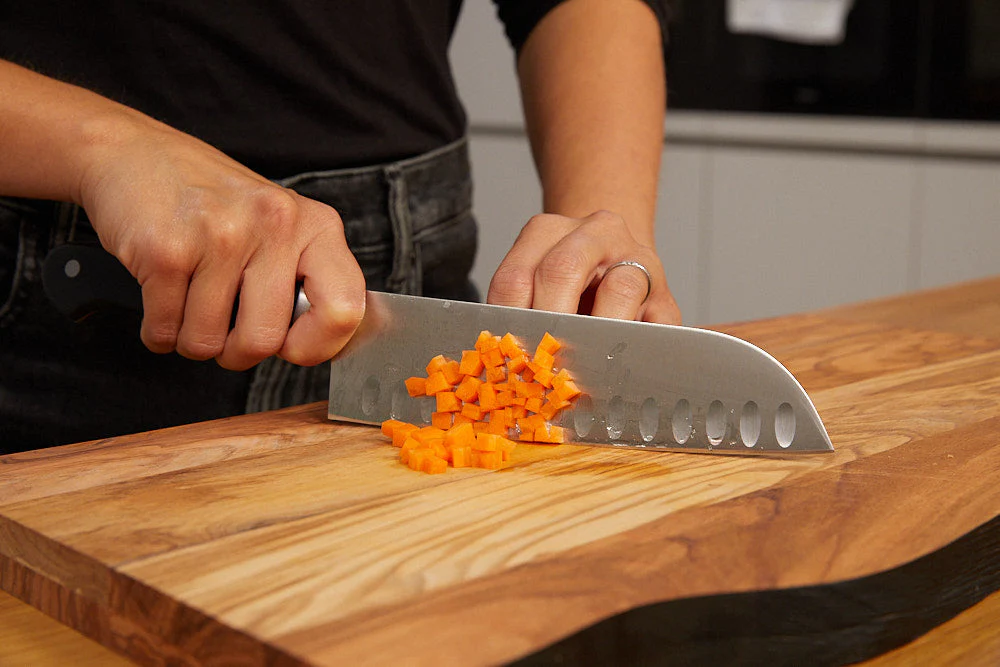
In professional cooking, few skills are as fundamental—and as underestimated—as precise cutting. While flavor, seasoning, and cooking technique often dominate culinary discussions, the way ingredients are cut plays a decisive role in both how food cooks and how it is perceived visually. Meticulous cutting is not merely a matter of aesthetics; it directly influences heat transfer, texture, moisture retention, flavor release, and overall consistency. At the same time, refined cuts elevate the visual language of a dish, communicating intention, craftsmanship, and respect for ingredients.
Across culinary traditions—from classical French cuisine to Japanese washoku, from modern fine dining to everyday home cooking—precision cutting serves as a silent yet powerful foundation. This article explores in depth how fine cutting improves control over cooking time and enhances visual appeal. It examines the scientific principles behind cutting techniques, their cultural and professional significance, the relationship between knife work and texture, and the role of precision in modern culinary presentation. Through a professional and comprehensive lens, we will see that refined cutting is not an optional embellishment, but a core discipline of serious cooking.
1. The Fundamental Role of Cutting in Cooking
1.1 Cutting as the First Act of Cooking
Cooking does not begin when heat is applied; it begins the moment an ingredient is handled. Cutting is the first transformative act, determining how an ingredient will respond to heat, seasoning, and plating. The size, shape, and uniformity of cuts establish the framework within which all subsequent processes operate.
For example:
- Thin slices cook faster than thick chunks
- Uniform pieces cook evenly
- Increased surface area accelerates browning and flavor development
Thus, precise cutting is inseparable from cooking control.
1.2 Uniformity and Predictability
One of the primary advantages of meticulous cutting is predictability. When ingredients are cut evenly:
- Cooking times become consistent
- Overcooking and undercooking are minimized
- Texture remains balanced throughout the dish
In professional kitchens, where timing and consistency are paramount, uniform cutting ensures that every portion meets the same standard.
2. The Science Behind Cutting and Cooking Time
2.1 Heat Transfer and Surface Area
From a scientific perspective, cutting directly affects heat transfer. Smaller or thinner pieces have a higher surface-area-to-volume ratio, allowing heat to penetrate more quickly and evenly.
- Fine julienne vegetables sauté rapidly without becoming mushy
- Large, uneven cuts may brown on the outside while remaining raw inside
By controlling cut size, chefs gain precise control over thermal behavior, enabling techniques such as quick stir-frying, gentle poaching, or slow braising to perform as intended.
2.2 Moisture Release and Retention
Cutting also influences how moisture behaves during cooking. Each cut breaks cell walls, releasing water and enzymes.
- Excessively rough or uneven cuts may lead to premature moisture loss
- Clean, deliberate cuts preserve cellular integrity longer
For proteins such as meat or fish, precision slicing across the grain can significantly improve tenderness and cooking efficiency, while minimizing juice loss.
2.3 Chemical Reactions and Browning
The Maillard reaction—responsible for browning and complex flavor development—depends on surface exposure. Finely and evenly cut ingredients brown more uniformly, creating:
- Balanced flavor profiles
- Consistent color and aroma
- Enhanced sensory appeal
Thus, cutting becomes a tool for flavor engineering as much as visual refinement.
3. Knife Skills as a Professional Standard
3.1 Culinary Training and Discipline
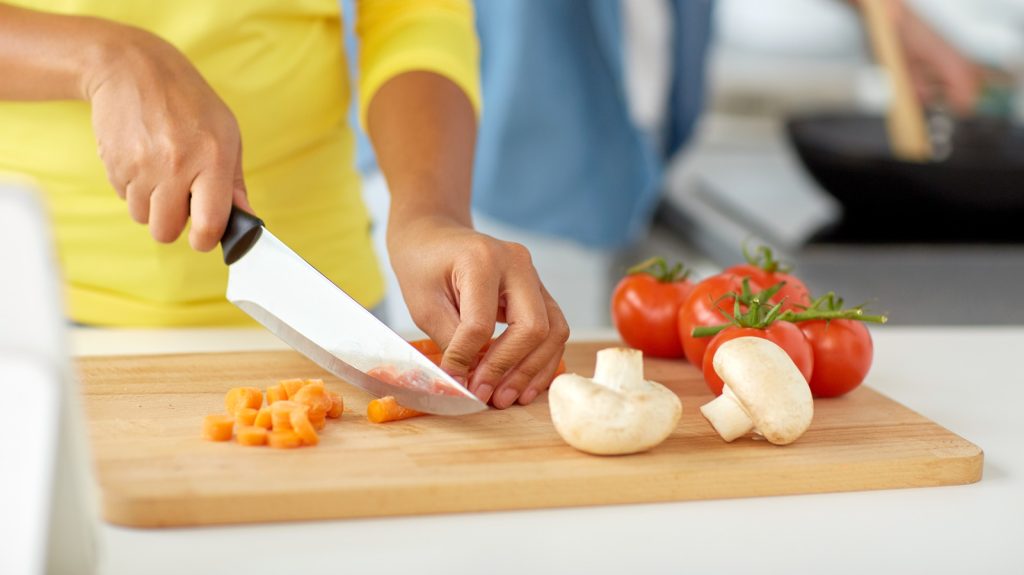
In classical culinary education, knife skills are among the first and most rigorously taught competencies. Students spend countless hours practicing standard cuts such as:
- Julienne
- Brunoise
- Batonnet
- Paysanne
- Chiffonade
These cuts are not arbitrary; each serves a specific cooking and presentation purpose. Mastery of these forms reflects discipline, patience, and respect for tradition.
3.2 Efficiency and Safety
Contrary to popular belief, precise cutting is not slower. With proper technique:
- Movements become fluid and economical
- Less force is required
- Risk of injury is reduced
Professional chefs emphasize that control, not speed, is the foundation of efficiency. Speed emerges naturally from precision and repetition.
4. Cultural Perspectives on Precision Cutting
4.1 Japanese Cuisine: Cutting as Philosophy
In Japanese culinary tradition, cutting is elevated to an art form. Techniques such as katsuramuki (rotary peeling) and sashimi slicing are expressions of aesthetic philosophy and respect for ingredients.
Knife work in Japan reflects principles such as:
- Minimal waste
- Structural integrity of ingredients
- Visual harmony
Each cut is deliberate, reflecting the belief that food should honor its natural form.
4.2 Western Traditions: Structure and Standardization
In Western professional kitchens, particularly in French cuisine, cutting emphasizes standardization and hierarchy. Uniform cuts allow multiple cooks to work seamlessly, ensuring that dishes remain consistent regardless of who prepares them.
This systematization highlights how precision cutting supports large-scale operations without sacrificing quality.
5. Texture: The Hidden Impact of Cutting
5.1 Mouthfeel and Bite
Texture is a critical component of eating pleasure, and cutting plays a decisive role in shaping it.
- Thin slices create delicacy and tenderness
- Chunky cuts provide robustness and chew
For vegetables, the direction and thickness of cuts influence crunch, snap, or softness. For proteins, slicing against the grain shortens muscle fibers, making meat easier to chew.
5.2 Layering and Contrast
Precise cutting allows chefs to design textural contrasts within a dish:
- Finely diced aromatics paired with larger vegetable pieces
- Smooth purées contrasted with crisp garnishes
Such contrasts enhance complexity and engagement, turning a simple dish into a multidimensional experience.
6. Visual Appeal and Culinary Aesthetics
6.1 The Visual Language of Food
Before a dish is tasted, it is seen. Visual appeal sets expectations and influences perception of flavor. Meticulous cutting contributes to:
- Clean lines and symmetry
- Balance and proportion on the plate
- A sense of refinement and intention
Even rustic cuisines benefit from thoughtful knife work, as clarity of form communicates care and professionalism.
6.2 Color and Geometry
Uniform cuts enhance color consistency. When vegetables are cut evenly, they cook uniformly, preserving vibrant hues. Irregular cuts often result in:
- Uneven blanching
- Patchy coloration
- Visual confusion
Geometry—whether angular, rounded, or linear—also affects how a dish reads visually, guiding the diner’s eye across the plate.
7. Cutting Techniques and Their Culinary Functions
7.1 Fine Cuts for Speed and Elegance
Fine cuts such as brunoise or chiffonade are ideal for:
- Quick cooking methods
- Delicate sauces
- Elegant garnishes
They dissolve seamlessly into dishes, contributing flavor without overwhelming texture.
7.2 Larger Cuts for Structure and Presence
Larger, deliberate cuts provide structure and visual anchors. They are suited for:
- Stews and braises
- Roasting
- Composed plates
Precision remains essential even at larger scales; intentionality distinguishes elegance from carelessness.
8. Ingredient Respect and Waste Reduction
8.1 Maximizing Yield
Skilled cutting minimizes waste. By understanding an ingredient’s structure, chefs can:
- Trim efficiently
- Repurpose offcuts
- Preserve usable portions
This practice is both economically and ethically significant, especially in professional kitchens.
8.2 Sustainability and Responsibility
In modern gastronomy, precision cutting aligns with sustainability goals. Reduced waste, efficient use of resources, and respect for raw materials reflect a responsible culinary mindset.
9. Precision Cutting in Modern Fine Dining
9.1 Plating as Composition
In contemporary fine dining, plating resembles visual art. Precise cuts enable:
- Architectural arrangements
- Negative space
- Harmonized proportions
Chefs design plates as compositions, where each element’s shape and size contribute to the overall narrative.
9.2 Consistency Across Services
In high-end restaurants, consistency is non-negotiable. Precision cutting ensures that each guest receives an identical experience, reinforcing trust and brand identity.
10. Home Cooking and the Democratization of Precision
10.1 Bridging Professional and Domestic Kitchens
While professional standards may seem intimidating, precision cutting is increasingly accessible to home cooks through:
- Better knife design
- Educational media
- Culinary awareness
Simple improvements in cutting technique can dramatically elevate everyday cooking.
10.2 Mindfulness and Enjoyment
Practicing careful cutting fosters mindfulness. It slows the cooking process, encouraging engagement with ingredients and technique. For many, this transforms cooking from a task into a craft.
11. Tools, Maintenance, and Skill Development
11.1 The Importance of Sharp Knives
Precision cutting is impossible without proper tools. A sharp knife:
- Produces clean cuts
- Reduces cellular damage
- Enhances control and safety
Regular sharpening and maintenance are essential components of professional practice.
11.2 Continuous Practice
Knife skills are perishable. Continuous practice refines muscle memory, accuracy, and confidence. Even experienced chefs regularly revisit basic cutting exercises.
12. The Psychological and Emotional Impact of Visual Precision
12.1 Perception of Quality
Research in food psychology shows that diners associate visual order and precision with higher quality and better taste. Meticulous cutting shapes expectations before the first bite.
12.2 Emotional Response
Clean, thoughtful presentation evokes feelings of care, calm, and trust. In contrast, sloppy cuts may suggest haste or indifference, regardless of flavor quality.
Conclusion
Meticulous cutting is far more than a technical skill; it is a foundational principle that unites science, aesthetics, and craftsmanship. By enabling precise control over cooking time, texture, and heat transfer, refined cutting ensures consistency and excellence. Simultaneously, it elevates the visual appeal of dishes, communicating intention, respect, and professionalism.
In both professional kitchens and home environments, precision knife work transforms cooking into a disciplined yet creative practice. It reminds us that great food is not only about taste, but about structure, balance, and care. Ultimately, refined cutting embodies the philosophy that how we prepare ingredients reflects how we value them—and how we value those who will eat them.