





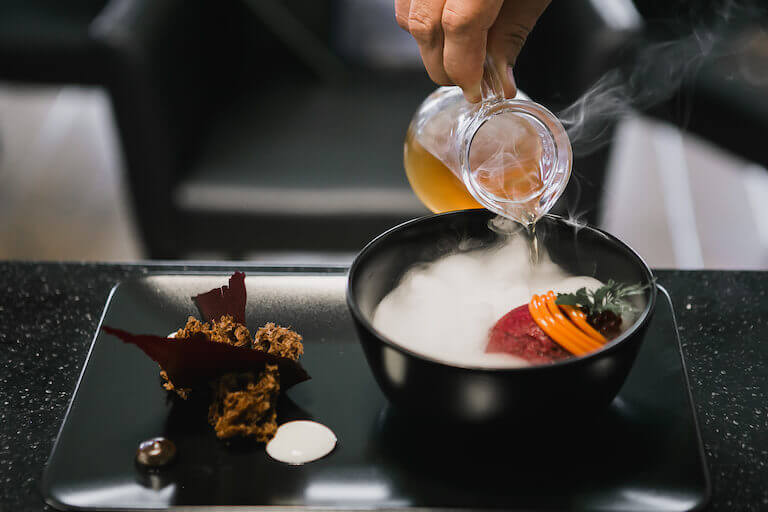

Introduction: The Art of Ingredient Selection in Professional Kitchens
The world of professional cooking is a complex blend of science, art, and intuition. A professional chef doesn’t just think about the flavor of an ingredient when selecting it for a dish—they consider its texture, color, shape, and how it will pair with other ingredients. This holistic approach to cooking is what sets fine dining and gourmet restaurants apart from more casual establishments. The meticulous care with which ingredients are selected, prepared, and combined is what transforms a simple dish into an unforgettable culinary experience.
In professional kitchens, chefs are trained to recognize the nuances of ingredients—how they interact with heat, their textures when cooked, and how they complement or contrast with other components of a dish. It’s a combination of creativity, experience, and technical skill that allows chefs to elevate their dishes into works of culinary art. In this article, we will explore how professional chefs approach ingredient selection and pairing by focusing on flavor, texture, color, form, and compatibility with other ingredients.
Part 1: The Importance of Flavor
1.1 The Primary Focus: Balancing Flavor
At the core of every dish is flavor—it’s what the diner experiences first and often what defines a dish’s success. A professional chef knows that balance is key when combining flavors. They aim for a harmonious blend of sweet, sour, salty, bitter, and umami, the five basic tastes that form the foundation of every dish.
For example, a chef might balance the richness of a fatty ingredient, such as duck, with the sourness of citrus or vinegar, creating a balanced contrast that excites the palate. Similarly, a salty ingredient like soy sauce can be paired with a sweet one, such as honey, to create a complex, multidimensional flavor profile.
The freshness and quality of the ingredients also play a vital role in flavor. Chefs carefully select produce at the peak of its ripeness and proteins with the best possible texture and taste. For instance, farm-fresh tomatoes will offer a better, more complex flavor than tomatoes that have been stored for too long, and wild-caught fish will have a richer flavor profile than farmed varieties.
1.2 The Role of Seasoning and Acidity in Enhancing Flavor
Seasoning is more than just adding salt and pepper; it’s a delicate art form. Herbs, spices, citrus zest, fermented ingredients, and vinegars are used to elevate and enhance flavors. Acidity, in particular, plays a crucial role in balancing richness and cutting through fat, which is why ingredients like lemon, lime, and balsamic vinegar are often used in professional kitchens to bring freshness and brightness to a dish.
In addition, chefs understand the importance of layers of flavor—using multiple types of seasoning and ingredients to build complexity. For example, garlic, onion, and tomato might be sautéed together at the beginning of a sauce, creating a flavor base that is deep and rich, which is then built upon with additional herbs and seasonings as the sauce simmers.
Part 2: Texture: The Unsung Hero of Culinary Design
2.1 Why Texture Matters in Cooking
Texture plays a huge role in how we perceive food. It’s often the subtle details of a dish—the crispy edges of a perfectly roasted potato, the smoothness of a velvety sauce, or the crunch of a fresh salad—that elevate a meal from good to extraordinary. A professional chef’s deep understanding of texture is key to creating well-rounded dishes that are engaging both on the tongue and in the mouth.
There are a variety of textures chefs aim to achieve in their dishes: crisp, creamy, tender, chewy, smooth, and even flaky. Achieving the right combination of textures within a dish can make it more satisfying and balanced. For example, a rich, tender beef short rib might be paired with a crispy garnish like fried shallots, providing a contrast that elevates the dish.
2.2 Techniques for Achieving Ideal Texture
Professional chefs have mastered numerous techniques for creating perfect textures. For example, sous-vide cooking is often used to create perfectly tender meats, while deep-frying creates crispy textures on the outside of foods like chicken and vegetables. Poaching can produce delicate textures in eggs, fish, and fruits, while grilling imparts both a smoky flavor and a crispy exterior.
In addition to these techniques, the age and condition of ingredients can significantly affect texture. For instance, mature vegetables like artichokes or squash tend to have a denser, firmer texture than their younger counterparts. Similarly, proteins like fish and meat must be prepared and cooked correctly to ensure that the final texture is both succulent and tender.
Part 3: Color: The Visual Impact of Food
3.1 The Importance of Color in Culinary Presentation
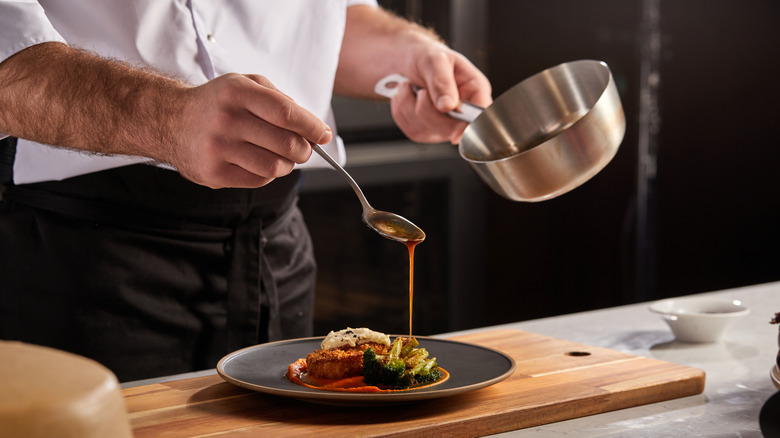
Color is one of the first things diners notice when a dish is placed before them. It’s a visual cue that often informs the diner about the freshness of the ingredients, the ripeness of produce, and the quality of the dish itself. Professional chefs understand that a plate that is visually appealing will not only excite the senses but also signal quality and care in the preparation of the meal.
The use of contrasting colors is particularly important in achieving a visually stimulating plate. A dish with rich green herbs against a backdrop of vibrant red tomatoes or orange carrots will be much more appealing than a monochromatic dish, even if the flavors are similar.
3.2 Color as a Tool for Pairing and Enhancement
Chefs often use color to pair ingredients that will complement each other in both taste and appearance. For instance, green herbs like parsley or basil are frequently paired with tomato-based sauces, creating a stunning visual contrast while simultaneously enhancing the freshness and flavor. Similarly, colorful garnishes, like pomegranate seeds or microgreens, can be added to a dish to provide a splash of color and texture.
Vegetable color can also offer a natural and appealing way to enhance the nutritional profile of a dish. Dark leafy greens, like spinach and kale, or brightly colored vegetables like beets and bell peppers, not only improve the visual appeal of the dish but also offer vitamins and antioxidants that contribute to a healthy diet.
Part 4: Form and Structure: The Geometry of Dishes
4.1 The Role of Form in Culinary Composition
The shape and form of ingredients play a significant role in how a dish is experienced. Chefs often manipulate the shape of their ingredients to create visually interesting dishes that highlight textures and flavors. Ingredients can be sliced, diced, julienned, pureed, or shaped into delicate forms that add to the dish’s appeal and presentation.
For example, a chef might use a molecular gastronomy technique to create foam from a sauce, adding a unique texture and form to the dish. Similarly, a dish featuring mousses, terrines, or compressed fruits offers a complex array of textures that engage the diner’s senses.
4.2 Balancing Structure and Creativity
While the form of a dish is important, it’s equally important that the form complements the overall structure of the meal. A well-balanced dish will have a harmonious combination of cooked and raw ingredients, soft and crispy elements, and simple and complex shapes. For instance, a plate might feature a perfectly round scoop of mashed potatoes paired with jagged, angular slices of roasted carrots—the interplay of smooth, rounded shapes with the bold, irregular edges creates a dish that feels both structured and dynamic.
Part 5: Pairing Ingredients: Creating Harmony
5.1 The Art of Ingredient Pairing
One of the most important skills a chef develops is the ability to pair ingredients. Successful pairings are grounded in an understanding of how ingredients will interact with each other, both in terms of flavor and texture. Contrast is just as important as complementation when it comes to pairing. For example, the richness of cream pairs well with the acidity of tomato, while the crunchiness of croutons contrasts beautifully with the tenderness of a soup.
Professional chefs have a deep knowledge of how certain ingredients naturally enhance each other. This can range from pairing meats with appropriate sauces to matching fruits with complementary herbs. For example, blue cheese and pears are a classic pairing because the richness of the cheese balances the sweetness of the fruit, creating a harmonious blend of textures and flavors.
5.2 Complementary Flavors and Textures
Pairing ingredients in such a way that one flavor doesn’t overpower the other is a delicate balancing act. Chefs must know when to allow ingredients to shine on their own and when to pair them to bring out the best qualities in both. For instance, pairing grilled steak with garlic mashed potatoes is an example of a complementary pairing where the richness of the meat contrasts with the creaminess of the potatoes, creating a harmonious meal.
Conclusion: Crafting Culinary Masterpieces through Thoughtful Ingredient Selection
In professional kitchens, the use of ingredients goes far beyond simple flavor enhancement. Texture, color, form, and pairing are all meticulously considered by chefs when crafting a dish. The ability to balance all of these elements requires both technical skill and artistic intuition, as chefs are not just preparing food—they are creating a sensory experience.
A dish that is balanced in flavor, texture, color, and form will always captivate the diner, leaving a lasting impression. Chefs understand that the true art of cooking lies in this balance, where every ingredient is chosen and prepared with care, resulting in a dish that is not only delicious but also visually stunning and nutritionally enriching.