






Introduction: The Heart of Indian Cuisine
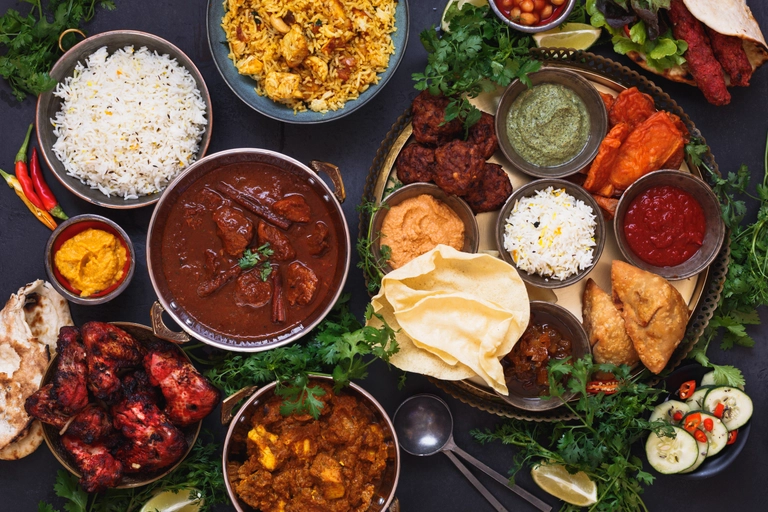
Indian cuisine is often celebrated for its depth of flavor, complexity, and diversity. At the center of this culinary tradition is the remarkable use of spices, which are not merely ingredients but rather the building blocks of Indian home cooking. The integration of spices into everyday meals has created a distinct flavor profile that is recognized globally.
Indian home cooking reflects the rich cultural diversity and history of the subcontinent, where food is not just about nourishment but also about bringing together family, culture, and traditions. The preparation of food is often a meticulous process that involves regional influences, seasonal availability, and family heritage passed down through generations. This article delves into the legacy of spices in Indian cuisine, explores common home-cooked Indian dishes, and highlights the significance of regional variations in everyday meals.
Part 1: The Role of Spices in Indian Cooking
1.1 Spices as the Essence of Indian Food
Spices are fundamental to Indian cuisine and contribute to both the taste and aroma of dishes. The history of spices in India goes back thousands of years, and they were an integral part of ancient trade routes. India was a key player in the spice trade, and its culinary practices evolved through the exchange of spices and cooking techniques with other cultures, such as the Persians, Arabs, and Europeans.
Unlike many other cuisines, Indian cooking often uses a wide variety of spices in a single dish, which is why Indian food has such a multi-layered taste. Common spices like cumin, coriander, turmeric, garam masala, cardamom, and mustard seeds create complex flavors that can vary from region to region. These spices are often toasted or fried in oil at the beginning of the cooking process, which helps release their essential oils and intensifies their flavors.
Spices are also valued for their medicinal properties in Ayurvedic tradition, a system of holistic health that has been practiced in India for thousands of years. Many spices are believed to have healing effects on the body, such as improving digestion, reducing inflammation, and boosting immunity.
1.2 A Brief History of Spices in India
India’s historical relationship with spices is as old as its civilization. The Indus Valley Civilization, one of the world’s oldest urban cultures (circa 3300 BCE to 1300 BCE), had evidence of using coriander and mustard. As trade flourished, especially during the Maurya and Gupta empires (circa 321–550 CE), India became the center of the global spice trade, which introduced foreign spices to the subcontinent while simultaneously exporting local varieties.
The Mughal Empire (1526–1857 CE) also played a significant role in shaping modern Indian cuisine. Persian and Central Asian influences brought new spices such as saffron, dried rose petals, and cinnamon, which became key ingredients in Mughlai dishes like biryani and korma.
Today, India is the world’s largest producer of spices, and the country’s spice markets are a testament to the longstanding culinary traditions that have endured for millennia.
Part 2: Essential Spices in Indian Home Cooking
2.1 Common Spices in Indian Cuisine
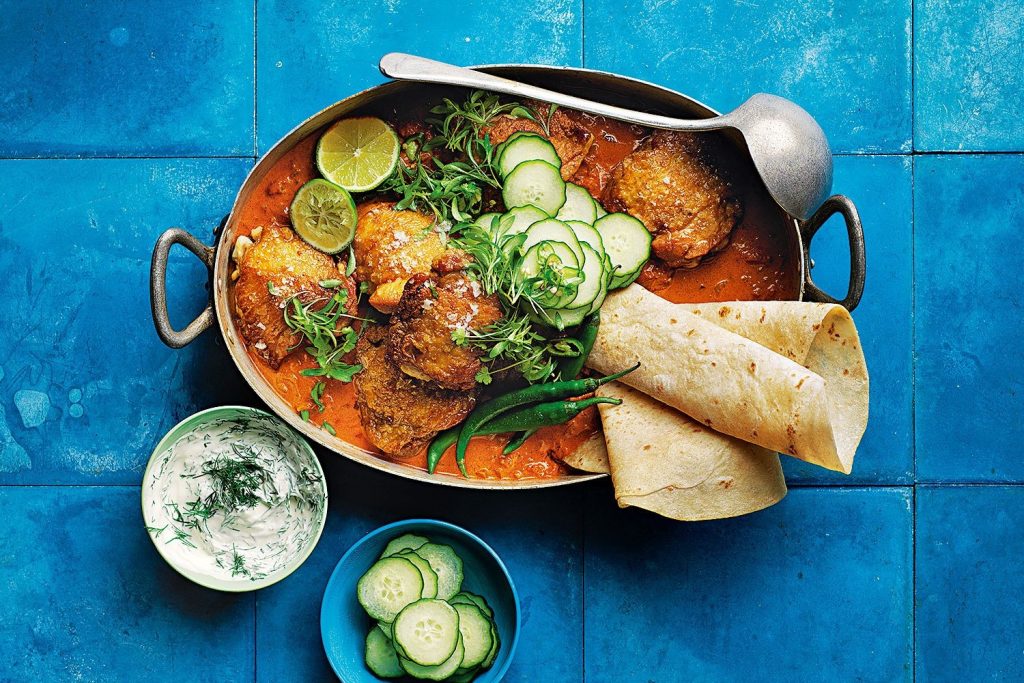
While Indian cuisine is vast, there are several spices that form the backbone of most home-cooked meals. Below is an exploration of some of the most popular and widely used spices in Indian cooking:
- Turmeric (Haldi): Known for its vibrant yellow color, turmeric is a staple spice in almost every Indian dish. It adds a mild, earthy flavor and is often used in curries, soups, and rice dishes. Beyond its culinary uses, turmeric is renowned for its anti-inflammatory properties and is a key ingredient in Ayurvedic medicine.
- Cumin (Jeera): With a warm, nutty flavor, cumin is often used in tempering (tadka) at the start of cooking to form the base of curries, dals, and sauces. It pairs wonderfully with coriander and garam masala.
- Coriander (Dhania): Both the seeds and the fresh leaves (known as cilantro) are used extensively. The seeds have a citrusy, slightly sweet flavor and are used in spice blends and curries, while fresh cilantro adds a bright, refreshing note to salads and sauces.
- Garam Masala: A spice blend integral to many Indian dishes, garam masala includes a mix of spices like cinnamon, cloves, cardamom, coriander, and cumin. It adds a warm, aromatic complexity to meat, vegetable, and lentil dishes.
- Cardamom (Elaichi): Known as the “queen of spices,” cardamom is used in both sweet and savory dishes. It has a unique, sweetly fragrant flavor and is used in dishes like rice pilafs, chai tea, and desserts like kheer.
- Mustard Seeds (Sarson): A key component in many Indian pickles and tadka, mustard seeds are fried in oil to release their pungency. They are used in curries, particularly in South Indian and Bengali cuisine.
- Fenugreek (Methi): Known for its slightly bitter taste, fenugreek is often used in pickles, dals, and curries. The leaves of fenugreek are also used in parathas and curries.
- Asafoetida (Hing): This pungent spice is used sparingly in vegetarian cooking, especially in dal and vegetable curries. It helps balance the flavors and adds a distinct, savory umami taste.
2.2 The Importance of Freshness and Blending
The freshness of spices is key to their potency. Whole spices are often preferred over ground spices because they maintain their aroma and flavor for longer. In Indian households, it is common to roast and grind spices at home using a stone grinder or spice mill to ensure maximum freshness and flavor.
In many traditional Indian kitchens, the process of preparing a spice blend (like garam masala or curry powder) is passed down from generation to generation, and each family has its own recipe and ratios. Blending spices is an art that requires understanding the interplay of flavors—how sweet, salty, sour, bitter, and umami elements interact to create a harmonious dish.
Part 3: Regional Variations of Indian Home Cooking
India is home to a staggering diversity of regional cuisines, each with its own distinctive use of spices and cooking techniques. While some spices may be universally used, others are specific to particular regions. Let’s explore some notable regional variations of Indian home cooking:
3.1 North Indian Cuisine: Hearty and Flavorful
North Indian cuisine is characterized by hearty, rich dishes, often made with yogurt, cream, and ghee (clarified butter). Spices such as cumin, coriander, and garam masala are staples. Popular dishes include:
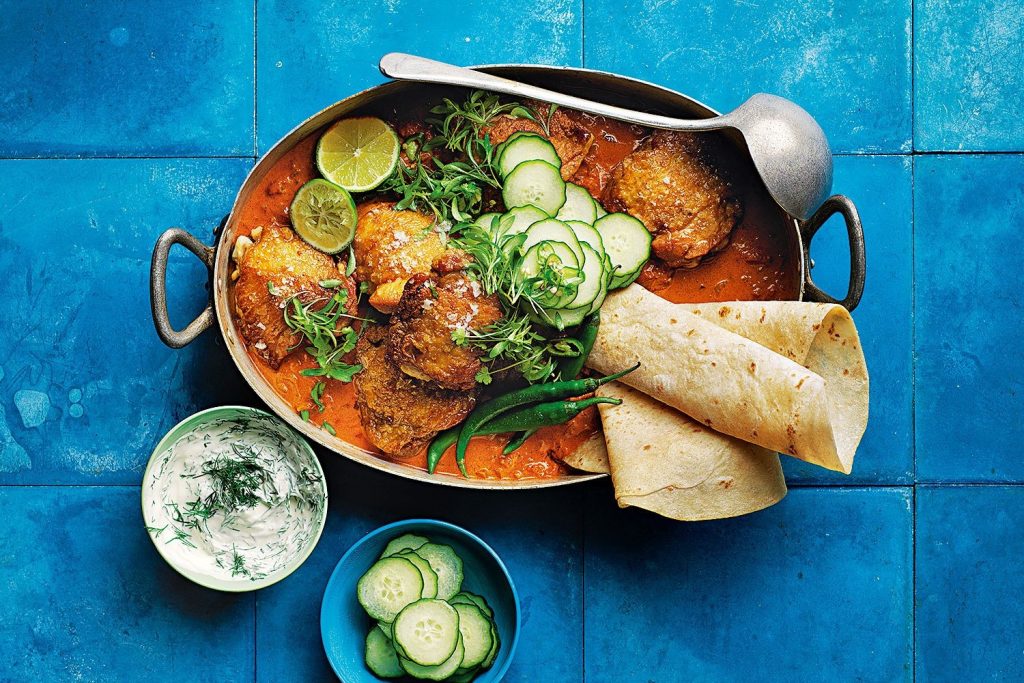
- Butter chicken: A creamy, tomato-based curry made with marinated chicken.
- Rogan josh: A slow-cooked lamb curry with kashmiri red chilies and yogurt.
- Aloo paratha: Flatbread stuffed with spiced mashed potatoes, typically served with yogurt and pickle.
In the north, Punjabi cuisine is especially notable for its use of ghee and spices, while Kashmiri cuisine often incorporates saffron and dry fruits.
3.2 South Indian Cuisine: Light, Tangy, and Spicy
South Indian food is often lighter in texture but equally flavorful, with an emphasis on rice, lentils, and coconut. Dishes are usually more spicy and tangy compared to those in the north. The southern states of Tamil Nadu, Kerala, Andhra Pradesh, and Karnataka are known for:
- Sambar: A lentil-based vegetable stew flavored with tamarind, mustard seeds, and curry leaves.
- Dosa: A thin, crispy pancake made from fermented rice and urad dal (black lentils), often served with sambar and coconut chutney.
- Chettinad curry: A spicy and aromatic curry made with fennel seeds, black pepper, and curry leaves.
In South India, curry leaves and mustard seeds are used extensively, and coconut milk is a common base for many dishes.
3.3 Western and Eastern Influences
Western Indian cuisine, such as Gujarati and Maharashtrian cuisine, uses spices in sweet and savory combinations. Gujarat is known for its sweet and sour curries like dhal dhokli, while Maharashtrian food features complex spice blends like god masala and often includes coconut.
In the East, Bengali cuisine uses mustard oil, poppy seeds, and fish extensively. Macher jhol (fish curry) and shorshe ilish (hilsa fish in mustard sauce) are traditional Bengali dishes known for their bold flavors.
Conclusion: The Timeless Legacy of Indian Spices
Indian home cooking, with its rich diversity and time-honored traditions, is a celebration of flavor, heritage, and family. Spices form the backbone of Indian cuisine, providing not only depth and complexity to each dish but also connecting generations to the cultural history of the subcontinent. The art of blending spices and crafting meals from scratch is an integral part of daily life in India, and these practices continue to thrive in kitchens across the country.
As global interest in Indian cuisine grows, the legacy of spices remains central, offering a window into the heart and soul of Indian culture. Whether through the humble dal, the complex biryani, or the aromatic sweets of the subcontinent, the influence of Indian spices continues to enrich kitchens around the world, weaving together history, health, and flavor for generations to come.