






Introduction: Mastering Ingredients for Culinary Excellence
Cooking is an art, and at the heart of this art lies the proper understanding and utilization of ingredients. Professional chefs, with their years of training and refined techniques, possess a profound knowledge of how ingredients behave, how they react to various methods of preparation, and how they can be combined to create extraordinary dishes. The difference between a good chef and a great one is often not just the ability to cook but the ability to use ingredients in ways that transform a meal into an unforgettable experience.
The culinary world is vast, and so is the skillset required to work with the diverse ingredients found in it. From meats and fish to fruits, vegetables, grains, and herbs, each ingredient has its own set of properties, flavors, and textures. Professional chefs master the science and technique of handling these ingredients to enhance their flavors, preserve their integrity, and create well-balanced, stunning dishes. This article delves into how professional chefs utilize ingredient techniques, highlighting the key skills, methods, and philosophies behind culinary excellence.
Part 1: Ingredient Sourcing and Selection
1.1 The Importance of Sourcing High-Quality Ingredients
The quality of ingredients forms the backbone of any great dish. A professional chef understands that the flavors, textures, and overall outcome of a dish are largely influenced by the raw materials they work with. Sourcing high-quality, fresh ingredients is paramount for any chef who seeks to create dishes that elevate the dining experience.
A chef typically works closely with trusted purveyors, farmers, and fishmongers to ensure they have access to the best seasonal produce, cuts of meat, and seafood. Many renowned chefs prioritize working with local, sustainable suppliers to ensure freshness while supporting ethical food production practices.
For instance, a chef who sources their produce from local farms will have access to vegetables and fruits that are picked at the height of their ripeness, allowing them to retain their natural flavors. In contrast, working with quality meats or fish from ethical sources ensures that the final dish is both flavorful and sustainable.
1.2 Seasonality and Local Sourcing
Professional chefs are keenly aware of the seasonal availability of ingredients. Seasonal ingredients are not only fresher but also more flavorful and cost-effective. By adapting their menus to align with the changing seasons, chefs can ensure that the dishes they create are always at their peak.
Seasonality also plays a role in storytelling through food. For example, a spring menu might highlight asparagus, peas, and strawberries, while a winter menu could showcase root vegetables, squashes, and hearty greens. The ability to adapt menus based on what’s in season allows chefs to create dishes that resonate with the time of year, enhancing the sensory experience for diners.
Part 2: Preparation Techniques
2.1 Butchery and Fabrication
One of the most vital skills for a professional chef is the art of butchery—the process of breaking down animals into their primal cuts for cooking. Butchery requires not only a great deal of precision but also an understanding of how different cuts of meat should be handled to ensure tenderness, flavor, and optimal cooking methods.
For example, chefs know that the rib-eye, with its marbling of fat, is ideal for grilling, while tougher cuts like brisket require slow cooking or braising. Additionally, chefs learn how to use every part of the animal to minimize waste, including bones for stocks and offal for traditional dishes.
Fish fabrication is similarly an essential technique, with chefs learning how to fillet fish, remove bones, and even work with less popular cuts like collars or cheeks to create dishes that highlight the entire fish. This knowledge enables chefs to showcase the entire range of textures and flavors available in a single animal or fish, ensuring every part is used creatively.
2.2 Knife Skills: Precision and Control
A professional chef’s knife skills are fundamental in almost every stage of cooking. The precision with which an ingredient is cut influences its texture, cooking time, and presentation. A well-honed knife allows chefs to manipulate ingredients with incredible accuracy, whether they are finely chopping herbs, slicing vegetables, or deboning meat.
For example, when working with fish, the chef’s ability to fillet the fish evenly ensures that each portion will cook at the same rate. Similarly, the uniformity of a vegetable dice ensures even cooking and creates a visually appealing presentation. Knife skills also play a major role in safety, allowing chefs to handle sharp tools efficiently and reduce the risk of accidents in the kitchen.
Chefs often use different types of knives for specific tasks: the chef’s knife for general chopping, the paring knife for intricate work, and the serrated knife for delicate items like bread and tomatoes. Understanding the tools and their appropriate use is crucial for maximizing the flavor and texture of ingredients.
2.3 Marination and Flavor Enhancement
Marinating is one of the most effective techniques for infusing proteins and vegetables with flavor. Professional chefs understand the balance of ingredients in a marinade, including acid (vinegar, citrus), fat (olive oil, yogurt), and seasonings (herbs, spices). The acid helps to tenderize the food while the fat ensures that the flavors penetrate deeply.
For example, marinating chicken thighs in a mixture of yogurt, garlic, and spices before grilling allows the flavors to infuse into the meat, creating a juicy, flavorful bite. Similarly, marinating vegetables in a balsamic vinaigrette or citrus-based marinade can enhance their natural sweetness, making them more complex and delicious.
A chef will also choose marination times based on the ingredient. Delicate fish may only need a short marinade, while tougher cuts of meat benefit from extended marination to break down connective tissue and enhance tenderness.
Part 3: Advanced Cooking Techniques
3.1 Sous-Vide Cooking: Precision and Control
Sous-vide, meaning “under vacuum” in French, is a technique that allows chefs to cook food in a vacuum-sealed bag in a water bath at a precise temperature for an extended period of time. This method results in perfectly even cooking, as the food is heated slowly and retains all of its juices and flavors.
Chefs use sous-vide to cook proteins like steak, fish, and poultry to the exact level of doneness desired, often finishing them with a quick sear to develop a flavorful crust. The key advantage of sous-vide cooking is its ability to retain the integrity of ingredients, particularly delicate ones, and achieve consistent results that are difficult to attain with traditional methods.
For example, sous-vide cooking allows chefs to cook a steak to the perfect medium-rare throughout, with a tender texture that is hard to achieve using conventional grilling or pan-frying methods.
3.2 High-Heat Techniques: Roasting, Grilling, and Searing
Roasting, grilling, and searing are high-heat cooking techniques that allow professional chefs to enhance the natural flavors of ingredients by caramelizing sugars and developing complex textures.
Grilling imparts a smoky, charred flavor to meats and vegetables, while roasting in an oven at high temperatures brings out the natural sweetness in vegetables like carrots and beets. Searing meat in a hot pan or on a grill creates a flavorful crust, which locks in juices and enhances the dish’s overall depth of flavor.
These techniques require precision timing and temperature control, as overcooking can result in burnt, dry ingredients. A chef must constantly monitor the heat, adjust cooking times, and make quick decisions to ensure the perfect finish.
3.3 Emulsification: Creating Rich Sauces and Dressings
Emulsification is the process of combining two ingredients that typically do not mix, such as oil and vinegar. This technique is essential for creating smooth, velvety sauces, dressings, and emulsified condiments like mayonnaise and hollandaise.
In a classic French sauce like hollandaise, the chef emulsifies egg yolks with clarified butter, creating a rich, velvety texture that pairs beautifully with dishes like eggs benedict or grilled fish. The process requires patience, skill, and the right balance of ingredients, as emulsions can break if not handled carefully.
Similarly, emulsification is used in vinaigrettes to combine oil and vinegar into a stable dressing, which can then be drizzled over salads or vegetables.
Part 4: Plating and Presentation
4.1 The Art of Plating: Aesthetic and Technique
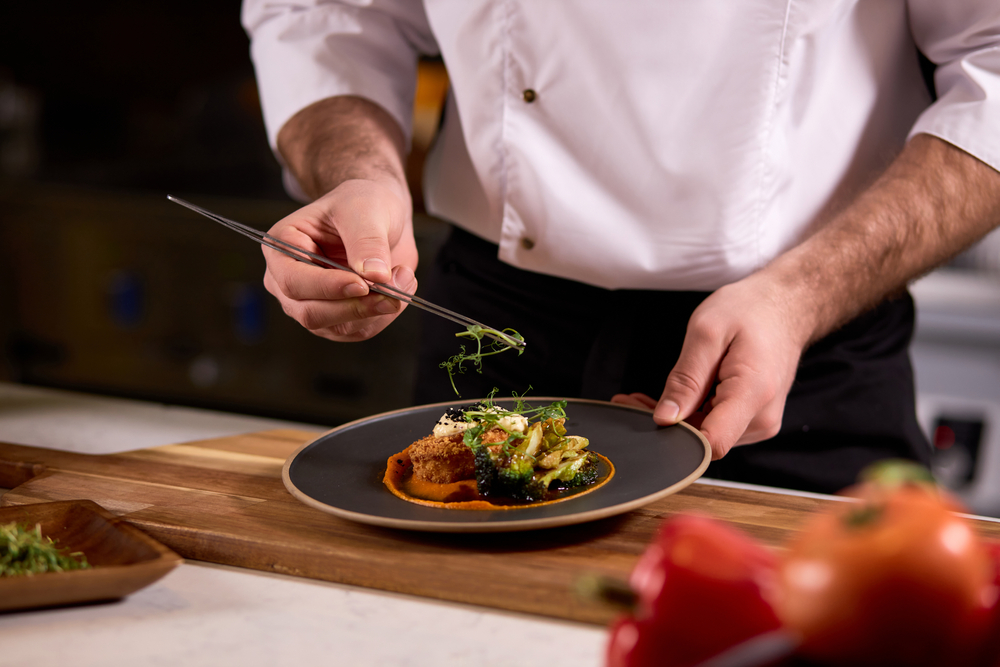
Plating is where the artistry of a chef truly shines. The visual presentation of a dish plays a significant role in the overall dining experience, as food is often judged not only by its taste but also by how it looks on the plate.
Professional chefs use techniques such as stacking, drizzling, and arranging food to create visually striking presentations. Color contrast is key—chefs might pair bright vegetables with dark meats to create a dynamic visual appeal. The layout of the plate is equally important, with chefs paying attention to balance, negative space, and symmetry.
A well-plated dish not only looks appealing but also invites the diner to engage with the food in a way that enhances their sensory experience. Plating is not merely an afterthought; it is an integral part of the culinary process that influences a diner’s perception and enjoyment of the meal.
4.2 Texture and Layering: A Multi-Sensory Experience
In plating, texture plays an important role in creating a balanced dish. A successful dish often combines multiple textures, such as crispy, tender, creamy, and crunchy elements, which offer variety and keep the diner engaged.
For example, a perfectly roasted piece of meat might be served alongside mashed potatoes for creaminess, sautéed vegetables for tenderness, and a crispy element like fried shallots to provide contrast. The juxtaposition of different textures allows the diner to experience the dish in a multi-sensory way, elevating the overall experience.
Conclusion: The Alchemy of Ingredients
Professional chefs are masters of their craft, skillfully utilizing ingredients to craft dishes that delight the senses and tell a story. From sourcing the finest produce to applying advanced techniques like sous-vide cooking and emulsification, chefs are constantly manipulating ingredients to bring out their best qualities.
Through their deep understanding of ingredients and techniques, chefs can turn raw materials into culinary masterpieces that surprise, satisfy, and inspire. As dining experiences continue to evolve, the role of the chef as an artist and technician will remain vital in shaping the future of food, always with ingredients at the core of their creativity.