






Introduction: A Global Street Food Phenomenon
Among the countless street foods found around the world, the Mexican taco stands out as a global culinary icon. From the bustling streets of Mexico City to the food trucks of Los Angeles, tacos have become one of the most beloved and widely recognized street foods on the planet. What started as a humble, local dish in Mexico has transcended borders and cultures, evolving into a worldwide phenomenon.
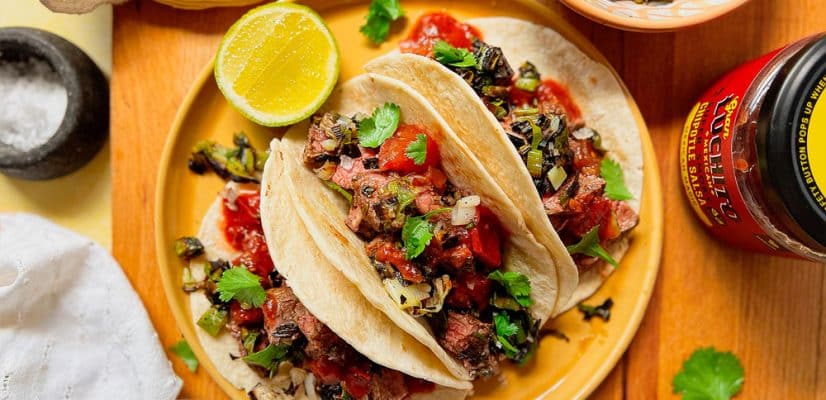
The taco, at its core, is a simple yet versatile food that blends a soft, warm tortilla with a variety of fillings, ranging from slow-cooked meats to fresh vegetables, and topped with flavorful salsas, herbs, and garnishes. The dish’s accessibility, bold flavors, and adaptability are some of the reasons it has won the hearts of food enthusiasts worldwide.
In this article, we will explore the origins of the taco, its evolution, the different types and fillings, and the cultural significance it holds not only in Mexico but across the globe. We will also examine the reasons behind its widespread popularity and the key factors that make the taco an enduring street food sensation.
Part 1: The Origins of the Taco
1.1 Historical Roots of the Taco
The taco, as we know it today, has a long and rich history deeply intertwined with the cultural and culinary traditions of Mexico. The word “taco” itself is believed to have originated from the Nahuatl language, spoken by the Aztecs, where “tlahco” referred to a flat, folded tortilla. Early versions of the taco were simple, with native ingredients such as maize (corn), beans, and fish being wrapped in a tortilla. It’s important to note that the taco was not initially a street food; rather, it was a food that could be eaten on the go by workers or warriors, as it was easily portable and didn’t require complex preparation.
The history of the taco traces back thousands of years to the indigenous people of Mesoamerica, who were already using tortillas as a base for various fillings long before the Spanish arrived in the 16th century. Corn was the staple crop of pre-Columbian Mesoamerica, and tortillas were essential in daily life, whether eaten with beans, vegetables, or meats like turkey or fish. These tortillas were an integral part of the indigenous diet, and early versions of the taco likely arose from this longstanding culinary tradition.
With the arrival of the Spanish, new ingredients were introduced, such as beef, pork, and chicken, which eventually found their way into taco fillings. Over time, tacos evolved from simple, corn-filled pockets to the diverse, layered, and complex varieties enjoyed today.
1.2 The Evolution of Tacos in Mexico
In Mexico, tacos became synonymous with daily life and informal dining. Historically, tacos were eaten as a quick and satisfying meal by workers, laborers, and street vendors, and this tradition has endured in modern Mexico. As Mexican cuisine evolved, so did the variety of fillings for tacos. Initially, tacos were filled with slow-cooked meats such as carnitas (slow-cooked pork), barbacoa (slow-cooked beef or lamb), and al pastor (spit-roasted pork), as well as seafood in coastal regions.
Tacos also evolved to reflect regional flavors. In northern Mexico, for example, flour tortillas began to replace corn tortillas, giving rise to the iconic “baleada” and “taco de asada.” In the Yucatán Peninsula, tacos with achiote (a red spice paste) became popular, while in Oaxaca, the famed “tacos de tlayuda,” made with large, thin tortillas, became a local specialty.
The taco became so ingrained in Mexican culture that it eventually morphed into an iconic street food. By the 20th century, taco stands and food carts began to pop up on street corners, offering a wide variety of fillings and toppings. Today, tacos are enjoyed by people from all walks of life—whether at a high-end restaurant or from a humble food cart.
Part 2: The Structure of a Taco
2.1 The Tortilla: The Foundation of Every Taco
At the heart of every taco is the tortilla—a thin, flat round of dough made from corn or wheat. The tortilla is what holds the fillings together and serves as the base that supports the other ingredients. The type of tortilla used is crucial to the overall taco experience and varies by region and personal preference.
- Corn Tortillas: Traditionally, tacos are made with corn tortillas, which are crafted from masa (corn dough). Corn tortillas have a slightly earthy flavor and a firm texture, which makes them perfect for holding up the various fillings without falling apart. They are often toasted lightly on a comal (a flat griddle) to enhance their flavor and texture.
- Flour Tortillas: While corn tortillas dominate in most regions of Mexico, flour tortillas are more commonly used in northern Mexico, where they are larger and softer. Flour tortillas tend to have a more neutral flavor and a delicate texture, making them a better fit for heartier fillings like grilled beef or chicken.
The tortilla’s role in the taco is far more than just functional—it’s an essential part of the dish’s flavor profile. The choice between corn and flour tortillas often depends on the type of taco being prepared and the regional influence on the taco’s origins.
2.2 Taco Fillings: A Universe of Flavors
The versatility of tacos lies in their ability to accommodate a wide variety of fillings, each with its own distinct flavor profile. Traditional taco fillings often reflect the region’s geography, culture, and available ingredients.
- Carnitas: Originating from the state of Michoacán, carnitas are made by slow-cooking pork in lard until it becomes tender and succulent. The meat is then shredded and served with fresh cilantro, onions, and a squeeze of lime. Carnitas tacos are juicy, flavorful, and comforting, often served with a simple salsa.
- Al Pastor: This iconic taco filling comes from the influence of Lebanese immigrants who brought shawarma to Mexico. Al pastor is made from marinated pork that is stacked on a vertical spit, then roasted slowly while rotating. The meat is sliced thin and served with pineapple, cilantro, and onions. The combination of savory pork and sweet pineapple gives al pastor tacos a unique, sweet-savory flavor.
- Barbacoa: Traditionally made from beef, lamb, or goat, barbacoa is slow-cooked over an open fire or in a pit until it becomes tender and flavorful. This rich, meaty filling is often served with a fresh salsa and other toppings, and it is particularly popular in central and southern Mexico.
- Fish and Shrimp Tacos: In coastal regions, fish and shrimp tacos are incredibly popular. The fish is often battered and fried or grilled, and served with cabbage slaw, crema, and a tangy salsa. Baja-style fish tacos, for example, are a signature dish from the Baja California region and are often served in a soft corn tortilla with crispy battered fish and a creamy sauce.
- Vegetarian Tacos: With the increasing popularity of plant-based diets, vegetarian tacos have become more common. Fillings like roasted vegetables, mushrooms, and beans offer hearty and flavorful options for those looking for meatless alternatives. Tacos de nopales, made with tender cactus paddles, are another traditional Mexican vegetarian filling.
2.3 Toppings and Salsas: The Finishing Touches
The toppings and salsas that accompany tacos are just as essential as the fillings themselves. These elements help to balance the richness of the meat and add freshness, acidity, and heat to the dish. Common toppings include:
- Cilantro and Onions: Fresh cilantro and finely chopped onions are classic taco toppings, often used to add a burst of freshness and a mild crunch.
- Lime: A squeeze of fresh lime juice can enhance the flavors of the taco, adding acidity that cuts through the richness of the filling.
- Salsas: Mexican salsas are an essential part of taco culture, adding layers of heat, flavor, and complexity. From the tangy and fiery red salsa made with dried chilies to the more mild green salsa made with tomatillos, the type of salsa used can completely change the flavor profile of a taco.
- Crema: Mexican crema, a rich and tangy dairy product similar to sour cream, is often used as a topping to add creaminess and balance out spicy salsas.
Part 3: The Global Popularity of Tacos
3.1 Tacos in the United States
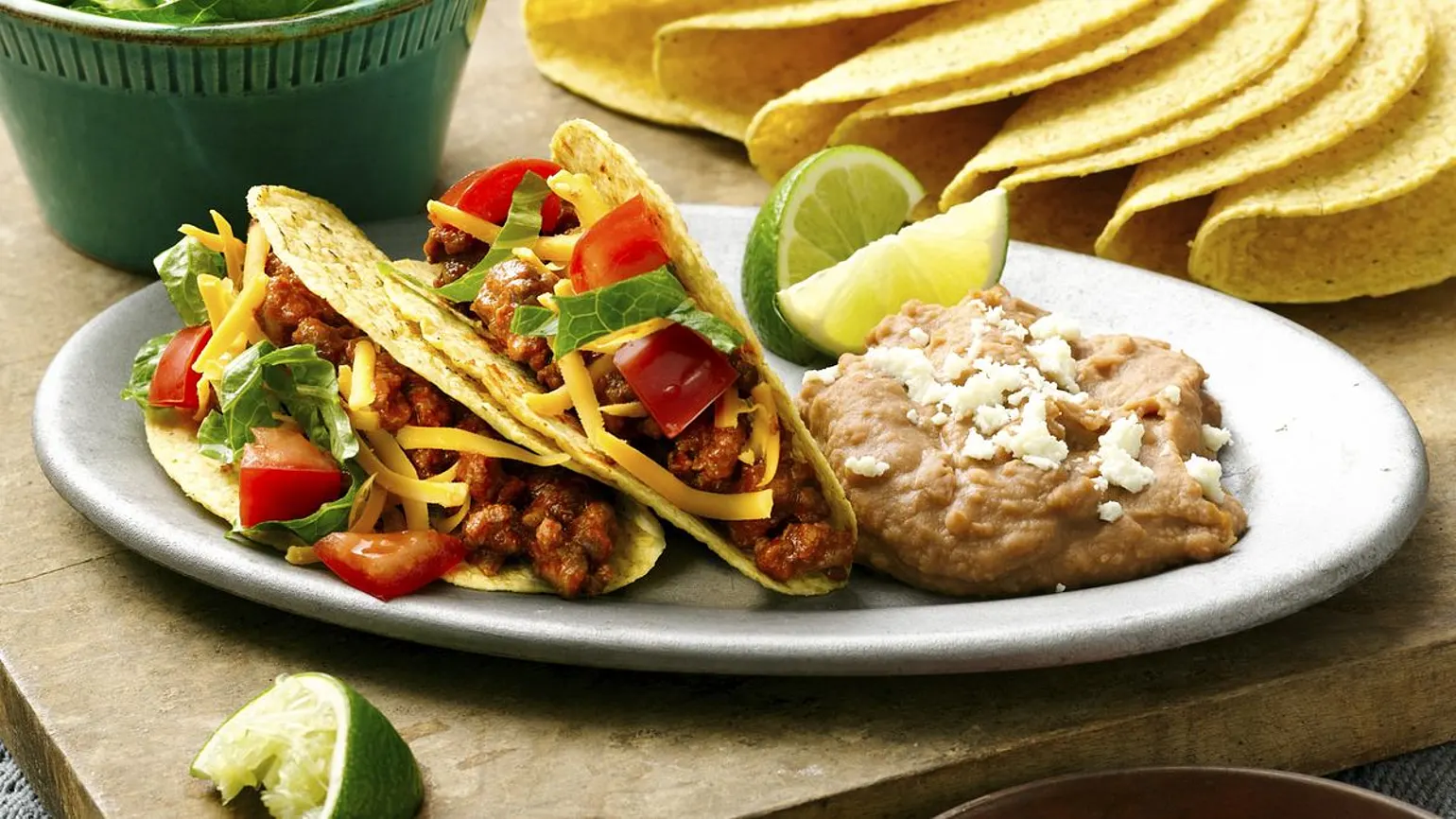
The popularity of tacos outside of Mexico, particularly in the United States, has skyrocketed in recent decades. Taco trucks, taco bars, and fast-casual taco chains have become staples in cities across the country, offering both traditional and fusion-style tacos. The Taco Bell chain, which popularized the “Americanized” taco with hard-shell tortillas, became a global brand that helped introduce tacos to an international audience.
While the Americanized taco is often seen as a fast-food version of the original, the influence of Mexican street tacos is undeniable. In cities like Los Angeles, New York, and Austin, taco trucks serving authentic, flavorful tacos have become a cultural touchstone. The rising demand for gourmet tacos in the United States has led to the development of creative and fusion fillings, such as Korean BBQ tacos, duck carnitas, and even vegan tacos.
3.2 Tacos Around the World
The global reach of tacos is remarkable, with taco-themed restaurants and food trucks popping up in countries as far-flung as Japan, France, the UK, and Australia. In Japan, for example, taco rice—a dish made from taco filling served over rice—has become a popular comfort food. In Europe, tacos have been embraced as a convenient and tasty street food, with taco restaurants offering both traditional and experimental fillings.
This global popularity can be attributed to the versatility of tacos, which allow for endless adaptations while still maintaining the core appeal of the original dish. Whether served as a quick snack, a hearty meal, or a gourmet creation, tacos have something to offer for every palate.
Conclusion: The Enduring Appeal of Tacos
Tacos are much more than just a meal; they represent a cultural tradition, an accessible street food, and a beloved dish that transcends borders. From their humble origins in Mexico to their widespread popularity across the globe, tacos have stood the test of time and continue to evolve, all while staying true to their roots. The combination of a simple tortilla, a variety of flavorful fillings, and an array of delicious toppings ensures that tacos will remain a favorite for generations to come. Their versatility, cultural significance, and bold flavors make tacos a food that will always have a place in both casual and fine dining.