






Introduction: The Art of Flavoring
In the world of cooking, seasonings and sauces are indispensable components that elevate a dish from ordinary to extraordinary. They are not just additions to food; they are integral to defining the character, depth, and overall sensory experience of a dish. The right combination of herbs, spices, and condiments can transform the simplest ingredients into a flavorful masterpiece, while the wrong balance can overwhelm or underwhelm the final dish.
The importance of seasonings and sauces in cooking extends far beyond mere taste; they are key to texture, aroma, color, and even the emotional response a meal evokes. From the humble dash of salt to the complex complexity of a reduction sauce, these culinary tools can take a cook’s artistry to new heights.
This article explores the multifaceted role of seasonings and sauces in cooking, examining their influence on flavor development, their cultural significance, and their role in the culinary techniques that define modern gastronomy.
Part 1: Understanding the Essence of Seasonings and Sauces
1.1 Seasonings: The Building Blocks of Flavor
Seasonings are ingredients used to enhance or modify the natural flavors of food. While some seasonings, like salt and pepper, are essential in nearly every cuisine around the world, others vary greatly by culture, region, and culinary tradition. These ingredients can be grouped into several categories:
- Salt: Often referred to as the “queen of seasonings,” salt is perhaps the most basic and widely used seasoning in the world. It has the ability to enhance the natural flavors of ingredients, balance sweetness, and suppress bitterness. Beyond taste, salt also helps in the preservation of food, as it draws moisture out and inhibits bacterial growth.
- Herbs: Fresh or dried leaves of plants such as basil, thyme, oregano, and parsley are commonly used in cooking to infuse dishes with subtle, aromatic notes. Herbs can be used in a variety of ways, from seasoning soups and stews to garnishing a finished plate. Fresh herbs tend to offer brighter, more vibrant flavors, while dried herbs provide a deeper, more concentrated essence.
- Spices: Spices are derived from seeds, bark, roots, or fruits of plants, and they are often dried and ground for ease of use. Spices such as cinnamon, cumin, paprika, turmeric, and cloves add bold flavors and complexity to food. They can create warm, earthy, or pungent notes, making them essential for global cuisine, particularly in dishes with rich, complex flavor profiles like curries and stews.
- Acidity: Vinegar, citrus juice, and tamarind are examples of acidic seasonings that are crucial for balancing flavors. Acidity can help to cut through richness, provide contrast, and bring brightness to dishes. The addition of acid is a technique used in various global cuisines, from the tangy vinaigrettes of French cuisine to the bold, sour notes of Southeast Asian cooking.
- Sweeteners: While sugar is commonly used in baking, honey, maple syrup, agave, and molasses are also important seasonings in savory cooking. Sweeteners help balance out savory, spicy, and sour elements, contributing to the creation of a harmonious flavor profile.
1.2 Sauces: The Flavor Enhancers
Sauces, unlike seasonings that are sprinkled or mixed directly into dishes, are liquids or semi-liquids that provide moisture, richness, and depth to food. They are typically made by combining seasonings, herbs, spices, and liquids to create a complex flavor base that complements the dish. The creation of a sauce can be an art in itself, with techniques developed over centuries to add layers of flavor and enhance the presentation of food.
- Mother Sauces: In classical French cuisine, there are five “mother sauces” that serve as the foundation for many other sauces. These are:
- Béchamel: A creamy white sauce made from milk, butter, and flour. It is often used in dishes like lasagna or gratins.
- Velouté: A light stock-based sauce thickened with roux. It is often paired with poultry or seafood.
- Espagnole (Brown Sauce): A rich, brown sauce made with beef or veal stock, tomatoes, and a brown roux. It is the base for sauces like demi-glace.
- Hollandaise: A rich, egg-based sauce made with butter, egg yolks, and lemon juice. It is often used on eggs Benedict or steamed vegetables.
- Tomato Sauce: A sauce made from tomatoes, usually cooked with onions, garlic, and herbs. It is the base for many Mediterranean and Italian dishes.
- Emulsified Sauces: These are sauces in which two liquids that typically do not mix—such as oil and water—are combined into a smooth, homogeneous mixture. A common example is mayonnaise, where egg yolks and oil are emulsified, creating a rich, creamy texture. Emulsified sauces are used as condiments, dressings, or as bases for other sauces.
- Reduction Sauces: Reductions involve simmering a liquid (such as wine, stock, or cream) until it thickens and intensifies in flavor. A reduction sauce, often used in fine dining, enhances the natural flavors of the ingredients and can be used to add complexity to meat or vegetable dishes. For example, a red wine reduction served with steak or a balsamic reduction drizzled over roasted vegetables both contribute depth and richness to the dish.
- Salsa and Pesto: These fresh, uncooked sauces, commonly found in Mediterranean and Latin cuisines, are often vibrant, herb-forward, and bright in flavor. Pesto (typically made from basil, garlic, pine nuts, and olive oil) and salsa (made from tomatoes, onions, cilantro, and chili peppers) can serve as a condiment or main component of the dish, providing both flavor and texture.
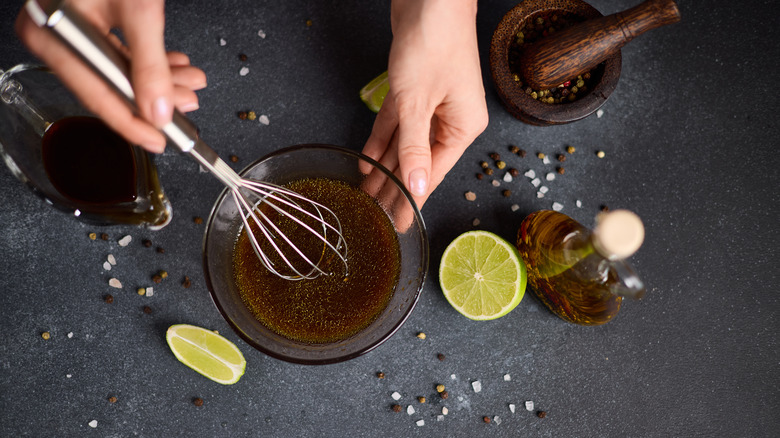
- Vinaigrette: Often used as a dressing for salads, vinaigrettes are made by combining oil, vinegar (or other acidic ingredients), and seasonings. The balance of acidity, fat, and seasonings is crucial to creating a vinaigrette that complements the ingredients in a dish.
1.3 The Role of Sauces in Enhancing Texture
In addition to flavor, sauces are essential for enhancing the texture of a dish. A well-prepared sauce can add richness, smoothness, and moisture to ingredients, turning a dry, bland dish into a harmonious whole. A sauce can coat ingredients, bind flavors, or provide a contrast in mouthfeel to balance the textures of different components on the plate.
- Binding: Sauces can act as a binding agent, helping to bring together disparate components. For example, in dishes like casseroles, a rich sauce holds together the ingredients, ensuring that every bite has the right balance of flavors and textures.
- Moisture: A sauce can provide moisture to dry or lean proteins, such as roasted meats or grilled fish. Sauces like gravy, beurre blanc, or a fruit reduction can add the necessary richness to balance the dish.
- Contrast: A contrast in texture can also enhance the sensory experience of a dish. A crispy fried chicken topped with a creamy, tangy sauce or a crunchy salad with a smooth vinaigrette offers a balance of textures that keeps the palate engaged.
Part 2: The Global Significance of Sauces and Seasonings
2.1 Cultural Influence and Regional Variation
Seasonings and sauces are not only essential for the flavor of food but are also deeply ingrained in the cultural traditions of cuisine around the world. Different regions have developed their own signature spices, herbs, and sauces that define the flavors of their dishes.
- Italian Cuisine: Italian cuisine is famously built on the flavor foundation of garlic, olive oil, and fresh herbs like basil and oregano. The Mediterranean influence on Italian sauces, such as tomato-based marinara or pesto, highlights the role of fresh, simple ingredients in creating harmonious flavors. Additionally, balsamic vinegar, a signature ingredient from Italy, is used both as a seasoning and as part of reduction sauces.
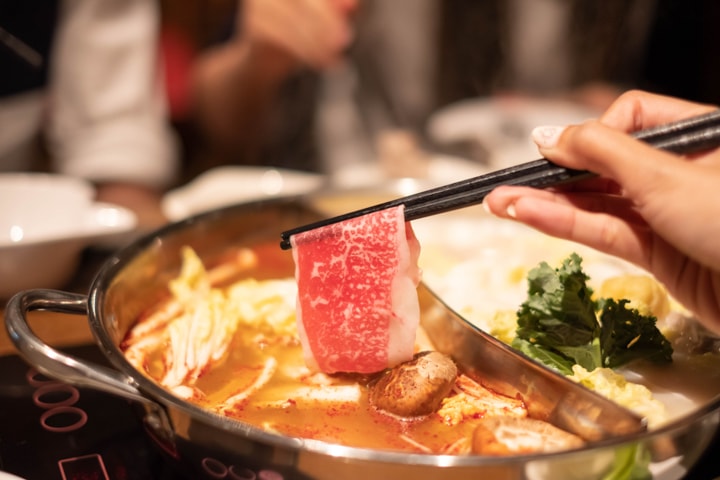
- Asian Cuisine: In Asian culinary traditions, sauces and seasonings often play a pivotal role in balancing sweet, sour, salty, and bitter flavors. In Chinese cuisine, soy sauce, oyster sauce, hoisin, and five-spice powder are key to creating the complex flavor profiles found in stir-fries, braises, and marinades. In Southeast Asian cuisine, fish sauce, tamarind, and lemongrass contribute to the bold, tangy flavors characteristic of Thai, Vietnamese, and Malaysian dishes.
- Indian Cuisine: Indian cooking is known for its vibrant use of spices. The blend of spices used in Indian cuisine, known as garam masala, is a cornerstone of many dishes. Cumin, coriander, turmeric, and cardamom form the foundation of rich gravies, curries, and stews. Sauces like tikka masala and vindaloo are integral to Indian cuisine, offering complex layers of flavor that balance heat, sweetness, and acidity.
- Mexican Cuisine: In Mexican cooking, sauces such as mole, salsa, and enchilada sauce are used to add flavor, depth, and complexity. The use of chili peppers—both fresh and dried—creates a bold, spicy foundation for many dishes. The combination of fresh herbs like cilantro and the richness of avocados in guacamole further highlights the balance of seasoning that defines Mexican cuisine.
2.2 Techniques in Modern Cuisine
In contemporary cooking, chefs continue to experiment with seasonings and sauces, employing innovative techniques and ingredients to create new and exciting flavor combinations. Molecular gastronomy, for example, has introduced new ways of creating sauces, emulsions, and foams that add unexpected textures and flavors to dishes.
Chefs are also increasingly turning to fermented ingredients, such as miso, kimchi, and fish sauce, to add complexity and umami to their sauces. The use of aging techniques, like barrel-aging vinegars or hot sauces, has become a trend in fine dining, creating deeper, more nuanced flavors.
Conclusion: The Power of Flavor
In conclusion, seasonings and sauces are far more than mere enhancements to food—they are central to the entire cooking process. From their ability to transform the taste and texture of dishes to their role in expressing cultural identity, they are indispensable in creating memorable meals. The evolution of sauces and seasonings reflects the creativity, science, and tradition that define the art of cooking. Whether simple or complex, the right combination of seasonings and sauces can make all the difference in turning a meal into an extraordinary culinary experience.