





Introduction: A Melting Pot of Flavors
The Americas, spanning from the icy expanses of Canada to the tropical beaches of Brazil, represent one of the most culturally and ethnically diverse regions in the world. Over centuries, indigenous peoples, European colonizers, and African slaves brought their food traditions to the continent, intermingling to create a unique culinary landscape that blends a variety of techniques, ingredients, and flavor profiles.
The fusion of Native American, European, and African culinary traditions has given rise to some of the most beloved and recognizable foods on the planet, from the hearty stews of Caribbean islands to the robust spicy dishes of Mexico and South America. These foods tell the story of the historical exchange of culture, geography, and power dynamics that shaped the Americas.
This article delves into how these three major cultural influences—indigenous, European, and African—have shaped the modern culinary identity of the Americas, and how they continue to influence the evolving food scene today.
1. The Indigenous Food Legacy
1.1 Early Ingredients and Techniques
Before the arrival of European colonizers, the Americas were home to countless indigenous cultures, each with its unique culinary traditions. These peoples relied heavily on the natural environment, creating a diet that was diverse, seasonal, and highly sustainable. From maize in Mesoamerica to squash and beans in the Andes, indigenous people used locally available ingredients, many of which remain staples in today’s American cuisine.
Key indigenous foods that shaped the culinary traditions of the Americas include:
- Maize (Corn): Indigenous peoples of North and South America domesticated maize, which has become a central part of the culinary culture across the continent. In Mexico, tortillas are made from maize, while in the southern U.S., cornbread is a classic.
- Beans: Along with maize, beans were one of the “Three Sisters” crops grown by many indigenous tribes, providing a rich source of protein and fiber.
- Squash and Pumpkins: These fruits were important in indigenous diets, used in both savory and sweet dishes.
- Chiles: Native to the Americas, chiles or chilies became a cornerstone in many regional cuisines, especially in Mexico and Central America.
- Potatoes: Potatoes, originating in the Andes, were cultivated for centuries before becoming a staple in global diets.
The indigenous methods of food preparation, such as smoking, drying, fermentation, and roasting, continue to influence modern techniques in the Americas.
1.2 Influence on Modern American Cuisine
While European colonization brought many changes, many indigenous ingredients and cooking techniques have survived in modern-day food. Foods like cornmeal, tortillas, tamales, chili, squash, and roasted meats are integral to Latin American cuisine, while cornbread, grits, and pumpkin pie have become staples in the U.S. and Canada.
The indigenous food heritage remains deeply ingrained in the culinary practices of the Americas, particularly in the Caribbean, Mesoamerica, and the Andes. Modern chefs continue to celebrate and reimagine these ancient ingredients and techniques.
2. The European Influence: The Age of Exploration and Colonization
2.1 The Impact of European Colonization
In the 15th century, the European Age of Exploration initiated a profound period of cultural exchange and colonization across the Americas. With colonization came the introduction of a host of European ingredients, cooking techniques, and dining traditions. Spanish, Portuguese, French, and later British, Dutch, and Italian settlers introduced a variety of foods and spices that would permanently change the culinary landscape of the Americas.
- Wheat: The introduction of wheat allowed for the baking of bread, pastries, and the use of flour-based dishes such as pies and cakes.
- Dairy: Dairy products, including cheese, milk, and butter, became a part of the culinary heritage, especially in places like Canada and the United States.
- Sugar: Sugar, which was introduced from the European colonies in the Caribbean, became a key ingredient in the making of sweets such as cakes, candy, and syrups.
- Olives and Olive Oil: Introduced by the Spanish and Portuguese, olive oil became a staple in Mediterranean cuisine in the Americas, especially in countries like Argentina and Chile.
2.2 European Cooking Techniques and Flavors
European culinary influences extended beyond ingredients; they also brought with them distinct cooking methods and flavors:
- Baking and Roasting: Techniques like baking and roasting flourished in the New World, thanks to the ovens and stoves that settlers brought with them. This led to the creation of breads, roasted meats, and pastries that are central to American food.
- Sauces and Stews: European stews, such as the French-inspired coq au vin or the Spanish paella, evolved and were adapted to incorporate indigenous ingredients, creating distinctly new regional dishes.
- Pasta and Rice: Introduced by the Italians and Spanish, pasta and rice became foundational elements of many American dishes, especially in countries like Argentina and Brazil.
European influences continue to be seen in Latin American and Caribbean dishes, where Spanish, French, and Portuguese culinary traditions are fused with indigenous and African flavors to create the region’s rich and diverse food culture.
3. The African Influence: The Legacy of Slavery
3.1 African Roots in the Americas
When Africans were forcibly brought to the Americas as slaves, they brought with them their own unique food traditions. African culinary influences are most evident in the Caribbean, Brazil, and the southern United States, where Africans, Creoles, and indigenous peoples blended their culinary traditions to create vibrant and unique dishes.
- Okra: Okra, a vegetable that originated in West Africa, became a key ingredient in southern U.S. cooking (notably in gumbo) and other parts of the Americas.
- Yams: Originally from Africa, yams are a staple in Caribbean and southern U.S. cuisine, particularly in dishes like candied yams and yam soup.
- Peanuts: Native to Africa, peanuts were incorporated into many southern and Caribbean dishes, including peanut soup and peanut sauces.
- Plantains: A close relative of the banana, plantains are a mainstay in many Caribbean and Latin American cuisines, typically fried, boiled, or mashed.
- African Spices: African cooking introduced spices such as cayenne pepper, ginger, and thyme, adding heat and complexity to dishes.
3.2 The Development of Fusion Dishes
In the Americas, African slaves adapted to their new environments, incorporating European and indigenous ingredients into their traditional cooking. This blending of influences led to the creation of distinctly African-American, Caribbean, and Brazilian dishes:
- Gumbo: This iconic dish from Louisiana blends African, French, and Native American ingredients, such as okra, filé powder, seafood, and rice.
- Jollof Rice: A West African dish, Jollof rice is made with tomatoes, onions, and peppers. It has been widely adopted and adapted throughout Caribbean and Latin American cuisines.
- Feijoada: A Brazilian stew made with black beans and pork, feijoada is a perfect example of the fusion between African, European, and indigenous ingredients and flavors.
4. Modern-Day Culinary Fusion in the Americas
4.1 Global Influences and New Culinary Trends
In the contemporary culinary scene, the fusion of indigenous, European, and African flavors continues to evolve. As globalization has increased, new influences—such as Asian, Middle Eastern, and European innovations—have further enriched American food culture. Chefs now blend these historical traditions with new techniques and flavors, creating innovative dishes that celebrate the Americas’ diverse cultural heritage.
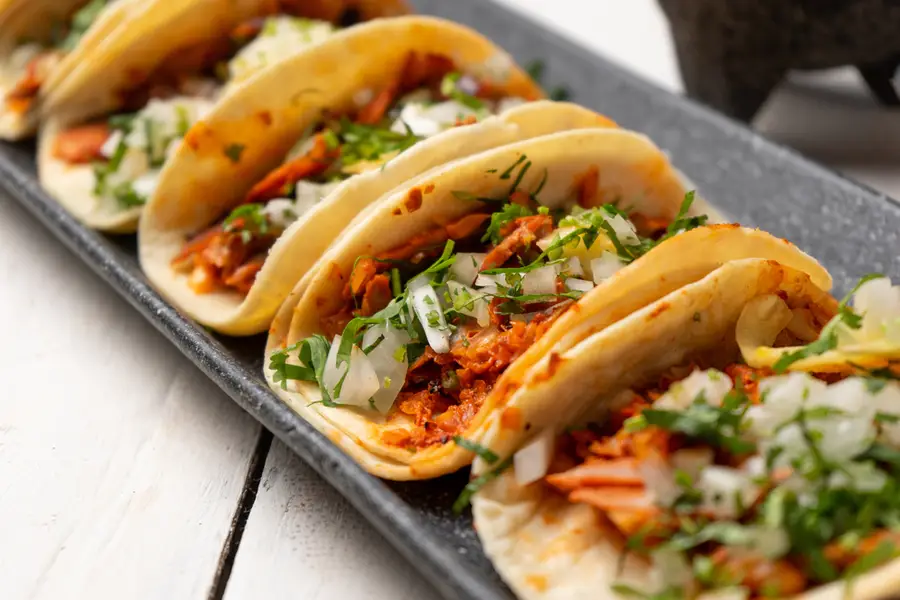
From the global popularity of Latin American street food, like tacos and arepas, to the influence of Caribbean spices and Southern comfort food, the culinary landscape of the Americas continues to be a dynamic fusion of history, culture, and flavor.
Conclusion: The Ever-Evolving Culinary Identity of the Americas
The food of the Americas is a rich tapestry woven from the contributions of indigenous peoples, European colonizers, and African slaves. From the hearty stews and barbecues to the spicy salsas and sweet desserts, the food of this continent is a living testament to its diverse and complex history.
As new generations of chefs continue to explore and blend these ancient culinary traditions with modern techniques, the Americas’ culinary landscape will continue to evolve. However, the core influences of indigenous, European, and African food cultures will forever remain the foundation of the continent’s rich and unique food heritage.