






Introduction:
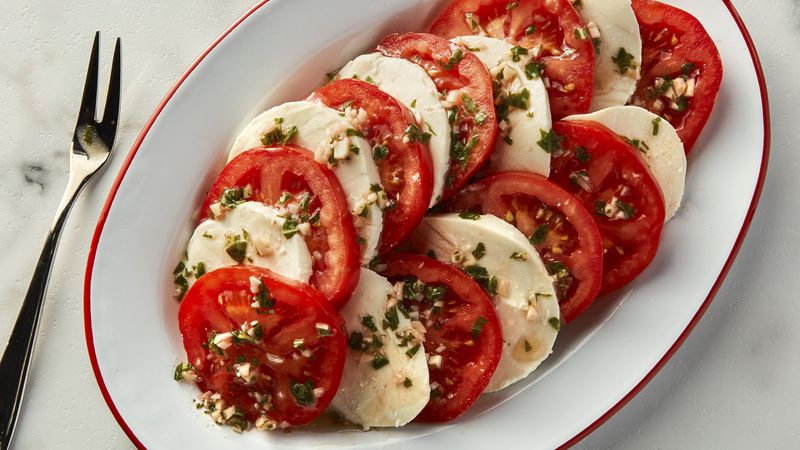
Basil, with its aromatic, fresh, and slightly peppery flavor, holds a special place in the heart of Italian cuisine. This versatile herb not only elevates the flavors of many Italian dishes but also forms the backbone of iconic recipes that have stood the test of time. When paired with tomatoes and mozzarella cheese, basil takes on an almost magical role, transforming simple ingredients into a harmonious and unforgettable combination. From the classic Caprese salad to rich pesto sauces, basil’s relationship with tomatoes and mozzarella represents the essence of Italian culinary tradition: simple, fresh ingredients prepared with care to highlight their natural flavors.
This article delves into the cultural significance, history, and culinary uses of basil in Italian cuisine, with a particular focus on its pairing with tomatoes and mozzarella. We will explore the origins of these ingredients, their role in iconic dishes, and how this combination has shaped not only Italian cooking but also global food culture.
1. The Essence of Basil in Italian Cuisine
Basil (Ocimum basilicum) is a fragrant herb native to tropical regions of Asia and Africa but has become an integral part of Mediterranean cooking, particularly in Italy. The plant’s sweet, aromatic scent and slightly peppery flavor make it a perfect complement to the bright, tangy taste of tomatoes and the rich creaminess of mozzarella.
A Symbol of Italian Culinary Tradition
In Italian cuisine, basil is much more than a garnish—it’s a core flavoring herb. Italy’s warm Mediterranean climate is ideal for growing basil, which thrives in the sun-drenched soil of regions such as Campania, Liguria, and Tuscany. The herb is often used fresh, offering a burst of vibrant green color and a refreshing fragrance that brightens both hot and cold dishes.
Varieties of Basil
While Genovese basil is the most common variety associated with Italian cuisine, there are many types of basil used in various regional dishes. Genovese basil, with its large, glossy leaves and sweet aroma, is particularly prized for making pesto and is the classic basil variety used in Caprese salads. Other varieties like Thai basil and Purple basil offer unique flavors that contribute to different culinary traditions, but it’s the delicate Genovese variety that is most closely tied to Italy’s food culture.
The Role of Basil in Italian Dishes
Basil can be found in many classic Italian dishes, both cooked and raw. Its flavor is fresh and bright, offering a contrast to the richness of cheeses, meats, and olive oil. Common culinary applications for basil in Italy include:
- Pesto Genovese: This iconic green sauce is made from fresh basil, garlic, pine nuts, Parmesan cheese, and extra virgin olive oil. It’s typically paired with pasta but can also be used as a topping for meats, vegetables, and pizza.
- Caprese Salad: A simple, refreshing dish made of fresh tomatoes, mozzarella, and basil, drizzled with olive oil and balsamic vinegar. This salad embodies the Italian philosophy of celebrating fresh, quality ingredients.
- Pizza Margherita: Basil is a key ingredient in the traditional pizza Margherita, where its fresh leaves are added to a pizza topped with mozzarella and tomato sauce, symbolizing the colors of the Italian flag.
- Tomato-Based Sauces: Basil pairs wonderfully with tomato-based sauces in dishes like pasta, lasagna, and bruschetta. It enhances the natural sweetness of tomatoes while balancing their acidity.
2. The Marriage of Basil, Tomatoes, and Mozzarella
The pairing of basil with tomatoes and mozzarella is a hallmark of Italian cooking, and it’s easy to see why these three ingredients work so well together. Each ingredient brings something unique to the table, creating a balanced and harmonious flavor profile that is both simple and sophisticated.
Tomatoes: The Heart of Italian Cuisine
Tomatoes are the cornerstone of Italian culinary traditions. Native to the Americas, tomatoes were introduced to Europe in the 16th century and quickly became a key ingredient in Italian cooking. Italian tomatoes, particularly varieties like San Marzano, Roma, and Cherry tomatoes, are prized for their sweetness, acidity, and rich flavor.
- San Marzano Tomatoes: These plum tomatoes from the Campania region are known for their low acidity, firm flesh, and sweet taste, making them perfect for sauces, soups, and pizzas. Their use in Neapolitan pizza and tomato sauces is a point of pride in Italian cuisine.
- Cherry Tomatoes: These small, round tomatoes are bursting with sweetness and acidity. They are often used fresh in salads, pasta dishes, and as toppings for pizzas.
Tomatoes are often prepared in simple ways—sliced fresh, roasted, or simmered into sauces—allowing their natural flavors to shine. The combination of tomatoes with basil creates a perfect balance of sweetness, acidity, and earthiness that is the foundation of many beloved Italian dishes.
Mozzarella: The Creamy Counterpart
Mozzarella cheese, a fresh, mild, and creamy cheese made from water buffalo or cow’s milk, is another central ingredient in Italian cuisine. Its smooth texture and mild flavor allow it to pair beautifully with bold ingredients like tomatoes and basil.
- Fresh Mozzarella: Fresh mozzarella, or mozzarella di bufala, made from water buffalo milk, is soft, creamy, and slightly tangy. It has a smooth texture that contrasts perfectly with the acidity of tomatoes and the freshness of basil. Mozzarella di bufala is often served fresh in salads, sandwiches, or as a topping on pizza.
- Bocconcini and Ciliegine: These smaller versions of mozzarella are often used in salads or as bite-sized appetizers. The creamy texture and mild flavor of mozzarella complement the bright, juicy flavor of fresh tomatoes.
- String Cheese and Provolone: Though not typically used in Caprese salads, other variations of mozzarella such as provolone and string cheese also work in Italian dishes, offering more flavor complexity and texture contrast.
The combination of mozzarella’s creaminess, the brightness of tomatoes, and the aromatic freshness of basil is at the heart of many iconic dishes, bringing together diverse textures and flavors into one harmonious bite.
Caprese Salad: The Quintessential Italian Combination
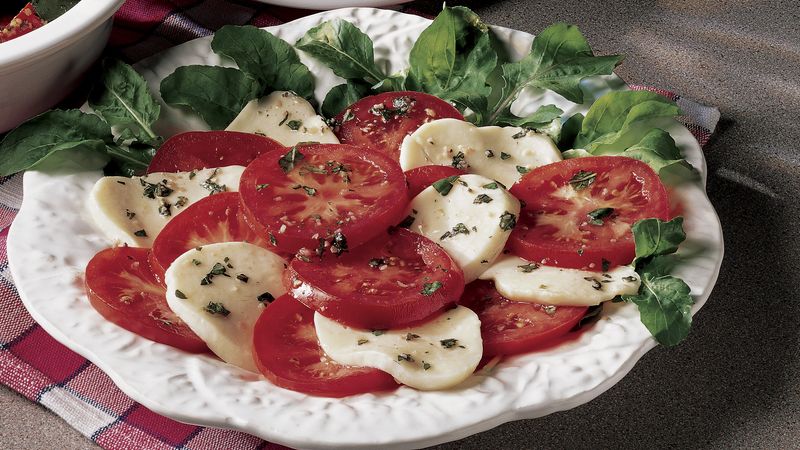
One of the most beloved dishes in Italian cuisine is the Caprese salad, a simple yet stunning dish that showcases the perfect balance of basil, tomatoes, and mozzarella. Traditionally, Caprese salad is made by layering fresh slices of mozzarella and ripe tomatoes, garnishing the dish with fresh basil leaves, and finishing with a drizzle of extra virgin olive oil and balsamic vinegar.
The Caprese salad, with its vibrant colors and clean, fresh flavors, is often seen as a symbol of Italian culinary values: the use of fresh, high-quality ingredients and the beauty of simplicity. It’s a dish that requires little preparation but delivers big on flavor.
Pizza Margherita: A Tribute to the Italian Flag
The iconic Pizza Margherita is another perfect example of how basil, mozzarella, and tomatoes come together in Italian cooking. Legend has it that this pizza was created in 1889 to honor Queen Margherita of Savoy, with the colors of the ingredients representing the Italian flag: red (tomato), white (mozzarella), and green (basil). This pizza is a quintessential representation of Italian cuisine—simple, yet full of flavor. The combination of fresh mozzarella, tomato sauce, and basil leaves on a thin, crispy pizza crust makes for a dish that is both rich and light, savory and fragrant.
3. Pesto: Basil’s Signature Sauce
Another famous Italian dish that highlights the versatility of basil is pesto, particularly Pesto Genovese from the Liguria region. This aromatic green sauce, made by grinding fresh basil, garlic, pine nuts, Parmesan cheese, and extra virgin olive oil, showcases the herb’s depth and flavor. Pesto is often served with pasta, drizzled over vegetables, or spread on bread, and it elevates any dish it touches.
The Ingredients of Pesto Genovese
Pesto’s signature flavor comes from its basil, which is complemented by the rich, nutty taste of pine nuts and the salty, umami-filled flavor of Parmesan cheese. The combination of basil with these ingredients creates a creamy, slightly tangy sauce that is both vibrant and rich.
Pesto is a versatile sauce that can be used in various applications, from being tossed with pasta to being used as a topping for grilled meats or vegetables. Its fresh and aromatic flavor makes it a favorite choice for those who love bold, herbaceous tastes.
4. Regional Variations: How Basil is Used Across Italy
While the pairing of basil, tomatoes, and mozzarella is a defining feature of Italian cuisine, different regions of Italy have developed their own variations on these ingredients. From Sicily to Lazio, basil is adapted to local tastes and culinary traditions.
Sicilian Variations
In Sicily, basil is often paired with eggplant and tomatoes in dishes like caponata, a sweet and sour vegetable stew. The addition of basil adds a refreshing note to the rich, savory flavors of the eggplant and the sweetness of the tomatoes.
Neapolitan Influence
In Naples, basil is commonly used to garnish the famous pizza margherita and is also integrated into pasta sauces. Neapolitans also add basil to tomato sauces, allowing the flavors to infuse during the cooking process, creating a deep, savory base for pasta dishes.
Ligurian Pesto
As mentioned earlier, pesto Genovese from Liguria is one of the most famous ways to enjoy basil. The coastal region’s mild climate produces aromatic basil that forms the foundation for their pesto sauce. The addition of pine nuts, Parmesan, and garlic creates a rich, savory condiment that is perfect for pasta and beyond.
5. Health Benefits of Basil
Aside from its culinary uses, basil offers various health benefits, making it a valuable herb to incorporate into any diet.
- Antioxidant Properties: Basil contains compounds like flavonoids and polyphenols, which help to neutralize free radicals in the body and reduce oxidative stress.
- Anti-Inflammatory: Basil has anti-inflammatory properties, which can help to reduce swelling and discomfort associated with conditions like arthritis.
- Digestive Aid: Basil can aid in digestion and relieve symptoms of indigestion, bloating, and gas, making it a useful herb for maintaining a healthy digestive system.
- Rich in Nutrients: Basil is a good source of vitamins A, C, and K, as well as essential minerals like magnesium and potassium.
Conclusion: The Timeless Appeal of Basil, Tomatoes, and Mozzarella
The pairing of basil, tomatoes, and mozzarella represents the soul of Italian cuisine—simple, fresh ingredients that come together in perfect harmony. Whether in a Caprese salad, a pizza Margherita, or a dollop of pesto, this combination continues to captivate food lovers around the world.
Basil’s role in Italian cooking is undeniable, as it elevates dishes, adds aromatic freshness, and brings out the best in other ingredients. Whether used in traditional recipes or innovative modern dishes, basil, when paired with tomatoes and mozzarella, continues to be a timeless symbol of Italy’s culinary heritage.