






Introduction:
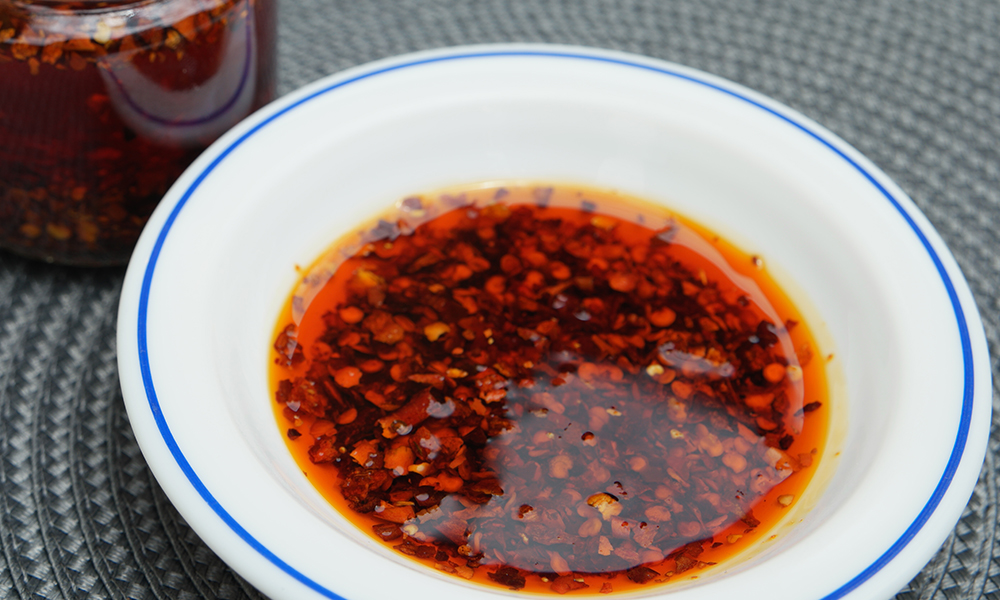
In the culinary world, seasonings and sauces are the unsung heroes that elevate a dish from ordinary to extraordinary. Whether it’s a dash of salt, a sprinkle of herbs, or a luscious, creamy sauce drizzled over a perfectly cooked steak, seasonings and sauces have the power to transform simple ingredients into a harmonious symphony of flavors. These essential components are not merely additives, but the very essence that defines the character of a dish. In this article, we explore the incredible magic of seasonings and sauces, their history, cultural significance, and the ways they can enhance and balance the flavors in any cuisine.
1. The Role of Seasonings: Enhancing and Balancing Flavors
Seasonings are the building blocks of flavor in cooking. They enhance, balance, and bring depth to the ingredients used in a dish. From simple salt to complex spice blends, seasonings are integral to the culinary experience.
The Essential Building Blocks: Salt, Pepper, and Herbs
The most basic seasonings—salt and pepper—are considered the foundation of flavor. Salt enhances the natural taste of food by amplifying savory flavors, while pepper adds a touch of heat and complexity. Together, salt and pepper serve as the fundamental seasoning duo used across the world. They are essential in both Western and Eastern cuisines, and their uses transcend cultural boundaries.
Herbs, such as basil, thyme, rosemary, and parsley, add fragrant and aromatic elements to food. Fresh herbs are often used as garnishes, while dried herbs are incorporated into the cooking process for longer infusions of flavor. The balance between saltiness, bitterness, sweetness, and sourness is key to making a dish more appealing, and seasonings play a crucial role in achieving this balance.
Spices: The Secret Weapon of Flavor
Spices bring warmth, richness, and depth to cooking. Unlike herbs, which are typically sourced from the leafy parts of plants, spices are often derived from the seeds, roots, bark, or fruits of plants. Examples include cumin, coriander, turmeric, cinnamon, and paprika.
Spices have been used for centuries to enhance flavors, but they also bring an element of cultural significance to the table. Indian cuisine, for instance, relies heavily on spices like garam masala and turmeric to create complex and aromatic dishes. Similarly, the use of chili in many cuisines, from Mexican to Indian to Thai, imparts a bold and fiery kick.
The art of seasoning with spices is a learned skill that can make or break a dish. Too much of a spice can overpower, while too little may leave the dish lacking depth. Successful seasoning requires an understanding of the ingredient’s flavor profile and how it interacts with other spices.
Salt and Its Varieties
Salt, one of the oldest known seasonings, comes in many varieties, each offering different textures and flavors. From fine table salt to flaky sea salt, salt can be used for more than just seasoning—it’s also a key element in the process of curing and preserving food. Coarse salt crystals, such as Maldon or fleur de sel, provide an additional crunch and burst of flavor, enhancing the overall eating experience.
2. The Magic of Sauces: The Art of Flavor Creation
Sauces are often considered the soul of a dish. They tie together the different elements of a meal and add moisture, texture, and flavor. A well-made sauce can elevate a dish, turning it from mundane to extraordinary. The complexity of sauces is often understated, but they require skill, technique, and an understanding of how flavors combine and interact.
The Base of Sauces: Stocks, Broths, and Reduction
The foundation of many sauces begins with a stock or broth. Stocks are made by simmering bones, vegetables, and herbs to extract deep, rich flavors. These stocks provide a savory, umami-rich base for many classic sauces, such as demi-glace, béchamel, and velouté.
Broths, on the other hand, are lighter than stocks and often serve as the base for soups, stews, and sauces like gravy. Reductions, the process of simmering a liquid down to concentrate its flavors, are also common in the creation of sauces. The reduction process adds intensity and complexity to the flavors, making them more concentrated and vibrant.
Classic French Sauces: The Foundation of Western Cuisine
French cuisine has a rich tradition of classic sauces, which form the cornerstone of Western culinary techniques. There are five “mother sauces” in French cooking—béchamel, velouté, espagnole, hollandaise, and tomate. These foundational sauces can be adapted with various additions to create a range of secondary sauces.
- Béchamel: A creamy, milk-based sauce thickened with roux (flour and butter). It’s the base for many dishes, from mac and cheese to creamy gratins.
- Velouté: A light, stock-based sauce also thickened with roux. It’s commonly used in dishes like chicken or fish à la king.
- Espagnole: A rich brown sauce made from a dark stock, tomatoes, and brown roux. It’s often used in hearty meat dishes, such as beef stew or braised short ribs.
- Hollandaise: An emulsified sauce made from butter, egg yolks, and lemon juice, typically served with eggs or asparagus.
- Tomate: A sauce based on tomatoes, often cooked with vegetables and used as a base for many Italian pasta sauces.
Global Sauces: A Taste of Diversity
Beyond French cuisine, sauces are essential in almost every culinary tradition worldwide. Here are a few iconic examples from various cultures:
- Tomato Sauce (Italy): Essential in Italian cooking, tomato-based sauces are the foundation of pasta dishes, pizza, and stews. The richness of the tomatoes, combined with garlic, olive oil, and herbs like basil and oregano, create the hallmark of Italian cuisine.
- Soy Sauce (China/Japan): A key component in East Asian cooking, soy sauce is made from fermented soybeans and wheat. It adds depth, saltiness, and umami to a wide variety of dishes, from stir-fries to sushi.
- Chimichurri (Argentina): A tangy, herbaceous sauce made from parsley, garlic, vinegar, and olive oil, chimichurri is commonly paired with grilled meats, particularly beef, in Argentine cuisine.
- Salsa (Mexico): A flavorful, often spicy sauce made with tomatoes, onions, cilantro, and chilies. Salsa is a versatile condiment, served with tacos, nachos, or simply as a dip for chips.
- Tzatziki (Greece): A refreshing yogurt-based sauce made with cucumber, garlic, and dill. Tzatziki is often served with grilled meats like lamb and is a staple in Mediterranean cuisine.
- Curry Sauces (India): Indian curries, ranging from mild to fiery, are characterized by complex spice blends and rich, often creamy sauces. Ingredients like cumin, coriander, turmeric, and garam masala form the base of many curry sauces.
The Science of Sauces: Emulsification and Thickening
Sauces often rely on complex processes like emulsification and thickening to achieve the desired texture and consistency. Emulsification, the process of combining fat and water-based ingredients, is essential in sauces like hollandaise, mayonnaise, and vinaigrette. The ability to emulsify is a key skill in sauce-making, and understanding the science behind it ensures that sauces are smooth and stable.
Thickening agents, such as roux (flour and butter), cornstarch, or egg yolks, are used to adjust the consistency of sauces. The technique of thickening with heat and time, as in reductions, is a hallmark of many classic sauces, ensuring they coat the food in a luscious, flavorful layer.
3. Seasonings and Sauces in Modern Cooking
Fusion Cuisine: The Intersection of Cultures
In modern cooking, the lines between traditional culinary boundaries are becoming increasingly blurred. Chefs around the world are experimenting with fusion cuisines, combining seasonings and sauces from different cultures to create entirely new flavor profiles. This trend has led to the creation of innovative dishes that blend the best elements of various culinary traditions.
For example, dishes like Korean BBQ tacos, combining the sweet and savory flavors of Korean bulgogi with the freshness of Mexican salsa and tortillas, represent a marriage of seasonings and sauces that reflect the globalization of food. Similarly, Indian-inspired chutneys are finding their way into Western sandwiches and salads, while French sauces are being infused with Asian spices.
The Rise of Plant-Based Sauces
As plant-based eating gains popularity, sauces and seasonings have become crucial in creating rich, satisfying flavors without animal products. Plant-based sauces, such as creamy cashew-based sauces, coconut milk curries, and vegetable-based gravies, have gained significant traction in vegan and vegetarian cooking. These alternatives are packed with flavor and provide the same satisfying textures as their dairy or meat-based counterparts.
The increase in plant-based eating has also led to a resurgence of classic vegetarian seasonings, such as nutritional yeast, miso, and tamari, which provide savory, umami-rich flavors without the need for animal ingredients.
4. The Importance of Balance: Seasonings, Sauces, and the Perfect Dish
The real magic in cooking comes from the balance of seasonings and sauces. A well-seasoned dish achieves a harmony of flavors—sweet, salty, sour, and bitter—while the right sauce ties all the elements together, enhancing the dish without overpowering it.
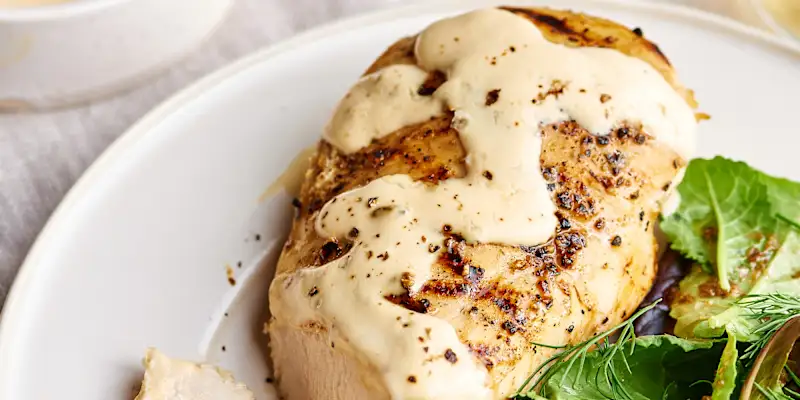
Understanding how to balance the different components of a dish is what makes a chef truly exceptional. The perfect combination of seasonings can elevate a simple vegetable stir-fry or a grilled piece of fish, while a well-crafted sauce can transform a modest piece of meat into a decadent, luxurious experience.
Conclusion:
Seasonings and sauces are not just enhancements to food; they are the essence of flavor itself. These elements bring out the best in ingredients, transforming ordinary dishes into extraordinary ones. Whether you’re crafting a rich, buttery hollandaise, a zesty tomato salsa, or a spicy curry, the magic lies in the thoughtful application and balance of seasonings and sauces. They define the soul of a dish, bridging cultures, enhancing textures, and creating unforgettable culinary experiences. As we continue to experiment with new combinations and innovations, the future of seasoning and sauce-making is bound to be even more exciting and flavorful.