






Introduction
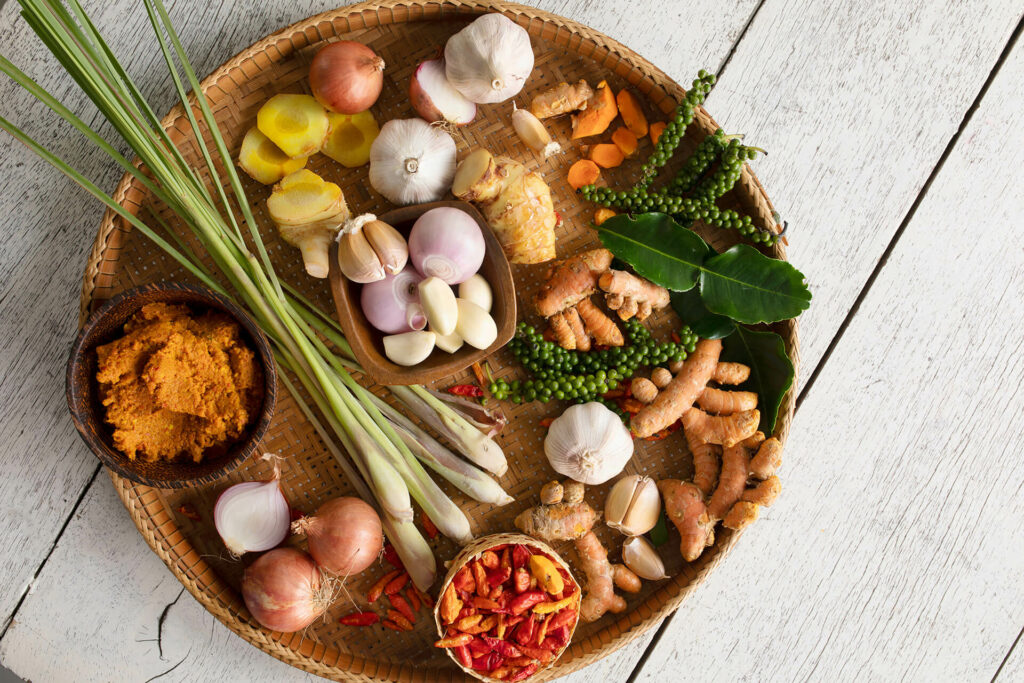
In the culinary world, understanding the unique properties of ingredients is as essential as mastering cooking techniques. Each ingredient brings its own flavor profile, texture, nutritional value, and chemical properties, which influence how it interacts with other elements in a dish. Chefs and food scientists alike study these attributes to optimize taste, texture, appearance, and even aroma. From the sweetness of ripe fruits to the umami of mushrooms and the binding power of eggs, ingredients serve both functional and creative roles in cooking. This article explores the diverse properties of key culinary ingredients, their scientific characteristics, and practical applications in global cuisines.
1. Fruits and Their Culinary Properties
Fruits are valued for their natural sugars, acids, water content, and aromatic compounds. Their properties determine how they are used in raw, cooked, or preserved forms.
1.1 Sweetness and Sugar Content
- Apples: High in natural sugars and pectin; used in pies, compotes, and jams due to their thickening properties.
- Bananas: High sugar and moisture; ideal for baking, smoothies, and caramelization.
- Berries (Strawberries, Blueberries, Raspberries): Rich in anthocyanins and acids; excellent for fresh consumption, sauces, and desserts.
1.2 Acidity and pH Balance
- Citrus Fruits (Lemon, Lime, Orange): High citric acid content; used to balance sweetness, enhance flavor, and tenderize proteins in marinades.
- Tomatoes: Contain citric and malic acids; essential in sauces and stews for flavor complexity.
1.3 Aromatic and Flavor Compounds
- Pineapple: Bromelain enzyme tenderizes meat while contributing tropical aroma.
- Vanilla Beans: Contain vanillin; used to enhance sweetness and aroma in desserts.
- Mango: Rich in volatile terpenes, adding floral and fruity notes to sweet and savory dishes.
1.4 Culinary Applications
- Fresh, raw: Salads, garnishes, smoothies
- Cooked: Sauces, compotes, pies, tarts
- Preserved: Jams, pickles, dried fruits
2. Vegetables and Their Functional Roles
Vegetables contribute flavor, texture, color, and nutritional value to dishes. Their chemical composition dictates cooking methods and combinations.
2.1 Texture and Water Content
- Carrots: Firm texture and natural sweetness; roasted, steamed, or pureed.
- Celery: High water and fibrous content; adds crunch and moisture to stocks and soups.
- Potatoes: High starch content; suitable for mashing, frying, baking, and thickening.
2.2 Flavor Compounds
- Alliums (Onion, Garlic, Leeks): Contain sulfur compounds; provide umami and aroma, caramelize for sweetness.
- Cruciferous Vegetables (Broccoli, Cauliflower): Contain glucosinolates; bitter notes can be softened by roasting or steaming.
2.3 Color and Pigmentation
- Beets: Rich in betalains; vibrant color for soups, juices, and desserts.
- Bell Peppers: Contain carotenoids; add sweetness and color contrast in dishes.
2.4 Culinary Applications
- Soups and stews for flavor foundation
- Sautés and stir-fries for texture and color
- Roasting for sweetness enhancement
3. Herbs and Spices: Flavor, Aroma, and Preservation
Herbs and spices are concentrated sources of flavor and often contain antimicrobial and antioxidant compounds.
3.1 Herbs
- Basil: Contains eugenol; brightens sauces, pestos, and salads.
- Thyme: Contains thymol; adds earthy notes to roasted meats and stews.
- Mint: Menthol compounds; cooling effect for beverages, desserts, and savory dishes.
3.2 Spices
- Cinnamon: Contains cinnamaldehyde; used in baking, curries, and beverages.
- Cumin: Contains cuminaldehyde; provides earthy, warm notes in global cuisines.
- Cloves: Contain eugenol; strong aromatic, used in both savory and sweet dishes.
3.3 Functional Roles
- Flavor enhancement without adding calories
- Preservation: Cinnamon, cloves, and thyme have antimicrobial properties
- Visual appeal: Paprika, turmeric, and saffron contribute vibrant color
4. Proteins and Their Cooking Properties
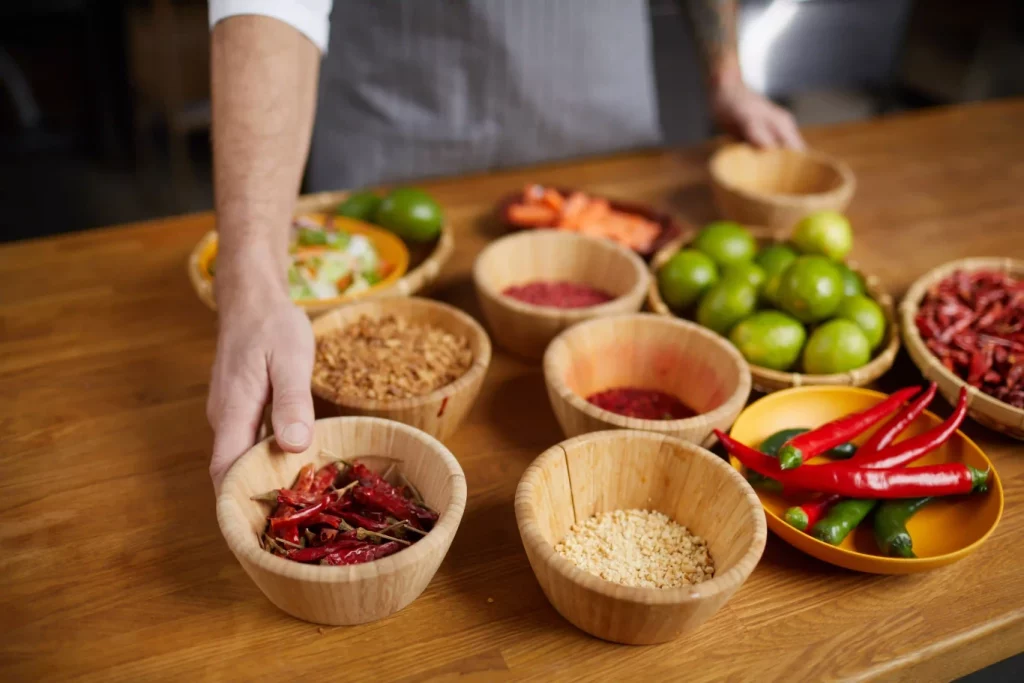
Proteins play structural, textural, and nutritional roles in cooking. Their functional properties include coagulation, emulsification, and gelatinization.
4.1 Eggs
- Composition: Proteins, fats, lecithin
- Functions:
- Emulsification: Mayonnaise, hollandaise
- Binding: Meatballs, baked goods
- Aeration: Meringues, soufflés
4.2 Dairy Products
- Milk: Contains casein and whey proteins; used for foams, sauces, and fermentation.
- Cheese: High in fat and protein; provides texture, flavor, and melting properties.
- Yogurt: Fermented proteins; adds tanginess and tenderizes marinades.
4.3 Meat and Seafood
- Collagen: Present in connective tissue; converts to gelatin on slow cooking, adding richness to stocks and braises.
- Myoglobin: Determines meat color; oxidation affects appearance and flavor.
- Seafood Proteins: Heat-sensitive; require precise cooking to avoid toughening.
5. Grains and Legumes: Structure, Starch, and Flavor
5.1 Grains
- Rice: Starch content varies; sticky or fluffy textures depend on amylose-to-amylopectin ratio.
- Wheat: Gluten proteins provide elasticity and structure in bread.
- Quinoa: Complete protein grain; cooks quickly, absorbs flavors well.
5.2 Legumes
- Chickpeas: High protein and starch; suitable for soups, hummus, and roasting.
- Lentils: Rich in fiber; maintain shape after cooking, ideal for stews.
- Black Beans: Provide earthy flavor; bind in vegetarian patties.
6. Fats and Oils: Flavor Carriers and Texture Modifiers
Fats influence flavor release, mouthfeel, and cooking performance.
6.1 Types of Fats
- Butter: Contains water, milk solids, and fat; ideal for baking, sauces, and flavor enhancement.
- Olive Oil: High in monounsaturated fats; used for dressings, sautéing, and finishing dishes.
- Animal Fats (Lard, Duck Fat): Add richness, enhance crisping, and deepen flavors.
- Vegetable Oils (Canola, Sunflower): Neutral oils for frying and emulsions.
6.2 Functional Roles
- Flavor carrier for fat-soluble compounds
- Texture enhancer (flakiness, creaminess)
- Browning through Maillard reactions and caramelization
7. Sweeteners and Sugars: Chemistry and Applications
Sugars not only add sweetness but also influence browning, fermentation, and texture.
7.1 Types of Sugars
- Granulated Sugar: Standard sweetening; contributes to caramelization.
- Brown Sugar: Contains molasses; retains moisture in baked goods.
- Honey and Maple Syrup: Provide unique flavors, moisture, and antimicrobial properties.
7.2 Functional Applications
- Baking: Structure, tenderness, and browning
- Sauces and syrups: Viscosity, flavor, and gloss
- Fermentation: Yeast activation in bread and beverages
8. Fermented Ingredients: Flavor and Functional Complexity
Fermentation enhances flavor, digestibility, and preservation.
8.1 Vegetables
- Kimchi: Lactobacillus fermentation adds tang and umami.
- Sauerkraut: Fermented cabbage; develops probiotic benefits.
8.2 Dairy
- Yogurt: Adds acidity and creaminess to sauces and marinades.
- Cheese: Concentrates flavors and alters textures through aging.
8.3 Condiments
- Soy Sauce: Fermented umami-rich liquid; seasoning, marinades, dipping.
- Miso: Fermented soybean paste; adds depth to soups and sauces.
9. Herbs, Aromatics, and Flavor Pairing Principles
9.1 Flavor Layering
- Aromatics (Onions, Garlic, Ginger): Form the base for most cuisines.
- Herbs (Cilantro, Parsley, Basil): Fresh finishing elements.
9.2 Pairing Concepts
- Complementary: Lemon + Dill
- Contrasting: Chili + Chocolate
- Textural: Crunchy nuts with creamy sauces
10. Culinary Techniques and Ingredient Interaction
10.1 Heat Effects
- Maillard Reaction: Proteins + sugars = browning, flavor complexity
- Caramelization: Sugars develop color and rich aroma
10.2 Moisture and Texture
- Steaming: Retains nutrients, softens fibers
- Frying: Adds crispiness via dehydration and Maillard reaction
- Braising: Combines slow heat and liquid to tenderize collagen-rich proteins
10.3 Emulsification and Gelation
- Eggs and lecithin stabilize emulsions (mayonnaise, hollandaise)
- Gelatin and agar provide structure in desserts and aspics
11. Global Culinary Examples
- Italian: Pesto (herbs + olive oil + nuts + cheese)
- Indian: Curry (spice blends + yogurt or cream)
- French: Custard and soufflés (eggs, dairy, sugar)
- Japanese: Miso soup (fermented soybean paste + dashi + vegetables)
12. Future Trends in Ingredient Usage
- Plant-Based Proteins: Legume and grain-derived meat alternatives
- Functional Ingredients: Superfoods, antioxidants, probiotics
- Global Fusion: Combining unique flavors and textures from multiple cuisines
- Sustainable Sourcing: Local, seasonal, and ethically produced ingredients
13. Conclusion
Understanding the unique properties of ingredients is essential for both professional chefs and home cooks. Each ingredient brings flavor, texture, nutrition, and chemical characteristics that influence culinary outcomes. Mastery of these properties allows for precise technique, creative innovation, and cultural authenticity in dishes worldwide. From fruits and vegetables to proteins, fats, herbs, and spices, the interplay between ingredients shapes the art and science of cooking.
By appreciating their individual qualities and understanding their culinary applications, cooks can create dishes that delight the senses while honoring the science behind every bite. Ingredients are more than raw materials—they are the foundation of global culinary artistry, connecting cultures, traditions, and innovations across the world.