






Introduction
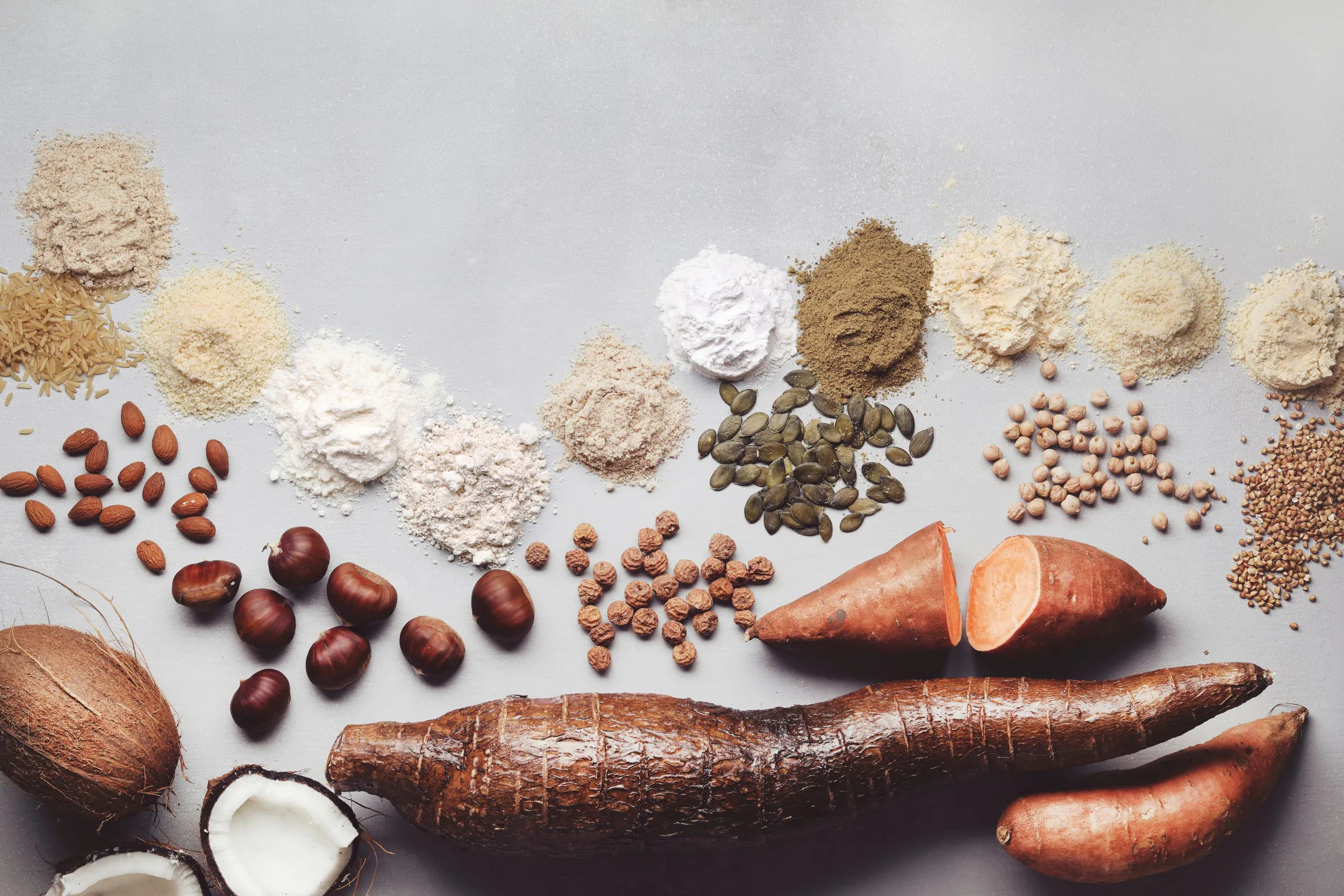
Food is not merely a source of sustenance; it is a window into history, geography, and culture. Every ingredient carries a story, shaped by centuries of cultivation, trade, migration, and cultural exchange. Understanding the origins of ingredients and their cultural significance provides insights into human civilization, agricultural innovation, and culinary diversity. From the ancient grains of the Fertile Crescent to the spices that fueled global trade, the journey of food reflects the complex interplay between nature and culture. This article explores the historical origins of major ingredients, their migration across continents, and their roles in shaping regional cuisines worldwide.
1. The Origins of Staple Ingredients
1.1 Cereals and Grains
Cereals have been central to human survival and societal development for millennia. They are not only nutritional staples but also cultural symbols.
1.1.1 Wheat
- Originated in the Fertile Crescent around 10,000 years ago.
- Enabled the rise of early civilizations in Mesopotamia and Egypt.
- Forms the foundation of bread-making, a symbol of life and sustenance in many cultures.
1.1.2 Rice
- Domesticated independently in Asia, particularly in China and India, around 9,000 years ago.
- Central to diets across Asia, influencing culinary techniques such as steaming, frying, and fermenting.
- Holds cultural and religious significance, for example, in Hindu rituals and Japanese ceremonies.
1.1.3 Maize (Corn)
- Originated in Mesoamerica, domesticated from wild teosinte around 9,000 years ago.
- A primary staple in Central and South America, later spread globally after European colonization.
- Forms the base of tortillas, tamales, polenta, and cornbread, reflecting regional culinary identities.
1.2 Legumes
Legumes have provided a vital protein source, often complementing cereals in traditional diets.
- Chickpeas: Native to the Middle East; key to Mediterranean, Middle Eastern, and South Asian cuisines.
- Lentils: Cultivated since the Neolithic period in the Fertile Crescent; found in soups, stews, and traditional breads.
- Soybeans: Domesticated in East Asia; central to East Asian cuisine as tofu, miso, and soy sauce.
2. Spices and Aromatics: Catalysts of Global Trade
2.1 Historical Significance of Spices
Spices have shaped global trade, geopolitics, and culinary traditions. Their high value in history is reflected in the routes of the Silk Road and the Age of Exploration.
- Black Pepper: Originating from India; highly prized in Europe during the Middle Ages.
- Cinnamon: Native to Sri Lanka and Southeast Asia; traded widely in ancient civilizations.
- Cloves and Nutmeg: Indigenous to the Maluku Islands (Indonesia); instrumental in colonial maritime trade.
2.2 Cultural Integration
Spices not only flavor food but also carry symbolic meanings:
- Turmeric in South Asia represents purity and is used in rituals.
- Chili peppers, brought from the Americas to Asia, transformed cuisines in India, Thailand, and Sichuan.
- Saffron, cultivated in Iran and Spain, symbolizes luxury and is central to celebratory dishes.
3. Fruits and Vegetables: Regional Staples and Cultural Symbols
3.1 Fruits
- Apples: Originated in Central Asia; traveled through Europe and the Americas; cultural significance in folklore and art.
- Bananas: Native to Southeast Asia; spread through Africa and eventually globally via colonial trade.
- Tomatoes: Native to the Americas; fundamental to Italian and Mediterranean cuisines post-Columbus.
3.2 Vegetables
- Potatoes: Domesticated in the Andes; transformed European diets post-Columbian exchange.
- Eggplants (Aubergines): Indigenous to South and Southeast Asia; integrated into Mediterranean and Middle Eastern dishes.
- Cabbage and Kale: Native to Europe; associated with traditional winter diets and fermented foods such as sauerkraut.
3.3 Cultural Symbolism
- Certain vegetables carry ritualistic and symbolic meanings:
- Lotus root in East Asia symbolizes purity and continuity.
- Olives in the Mediterranean represent peace and prosperity.
- Corn husks in Latin America are used for traditional tamales and ceremonial purposes.
4. Proteins and Animal-Based Ingredients
4.1 Livestock and Meat
Domestication of animals has had profound cultural and dietary implications:
- Cattle: Domesticated in the Middle East and India; cows hold sacred significance in Hinduism.
- Pigs: Domesticated in East Asia and Europe; central to pork-based cuisines but avoided in Jewish and Islamic cultures.
- Sheep and Goats: Domesticated in the Fertile Crescent; provide meat, milk, and wool; central to Middle Eastern and Mediterranean diets.
4.2 Seafood
Proximity to water bodies shaped regional seafood traditions:
- Fish: Essential in Japan (sushi), Scandinavia (pickled herring), and coastal West Africa (smoked fish).
- Shellfish: Integral to Mediterranean, East Asian, and Pacific Island cuisines.
5. Dairy and Fermented Foods
5.1 Origins of Dairy
- Milk: Domesticated from cattle, goats, and sheep; fundamental in European, Middle Eastern, and South Asian diets.
- Cheese: Originated in the Fertile Crescent and Europe; methods diversified into hundreds of regional varieties.
- Yogurt and Kefir: Developed in Central Asia and Eastern Europe; spread through trade routes.
5.2 Fermentation as Cultural Practice
Fermentation preserves foods, enhances flavors, and supports health:
- Miso and Soy Sauce (Japan): Soy-based fermentation central to Japanese cuisine.
- Kimchi (Korea): Fermented vegetables; a symbol of Korean identity.
- Sauerkraut (Germany): Fermented cabbage; supports winter nutrition.
6. Global Culinary Exchange
6.1 The Columbian Exchange
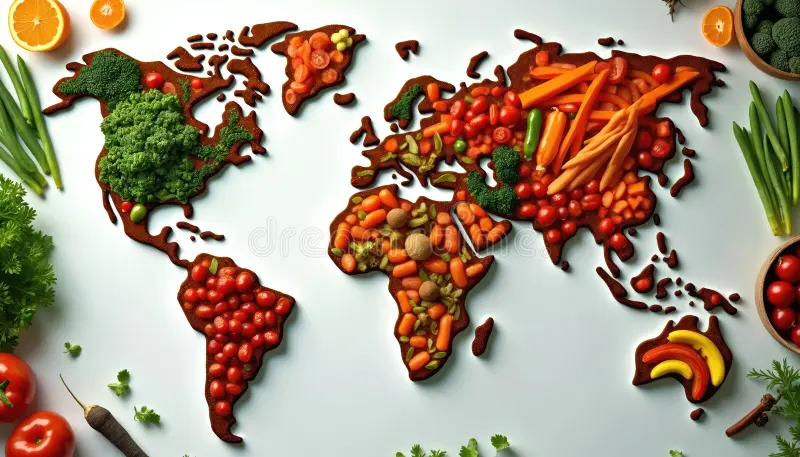
- Following 1492, New World crops like tomatoes, potatoes, maize, and chili peppers were introduced to Europe, Asia, and Africa.
- Old World ingredients, such as wheat, sugar, and citrus, traveled to the Americas.
- This exchange reshaped diets, agricultural practices, and cultural cuisines worldwide.
6.2 Trade Routes and Spice Markets
- The Silk Road facilitated the flow of rice, tea, spices, and dried fruits across continents.
- Maritime trade connected Southeast Asia, Europe, and the Middle East, fostering culinary fusion.
- Trade influenced local adaptations, blending foreign ingredients with traditional cooking methods.
6.3 Migration and Culinary Fusion
- Migration spread food traditions globally:
- Italian immigrants introduced pasta and pizza to the Americas.
- Indian diaspora popularized curries and spices in East Africa, the UK, and the Caribbean.
- Chinese diaspora influenced Southeast Asian cuisines, blending local and regional ingredients.
7. Cultural Significance of Ingredients
7.1 Rituals and Religion
- Certain ingredients hold spiritual value:
- Rice and sesame in Hindu ceremonies
- Pomegranate in Jewish and Persian traditions
- Bread and wine in Christian rituals
7.2 Social and Festive Uses
- Food signifies celebration and community:
- Turkey in American Thanksgiving
- Mooncakes in Chinese Mid-Autumn Festival
- Mochi in Japanese New Year
7.3 Symbolism and Identity
- Ingredients become markers of national or regional identity:
- Olive oil in Mediterranean diets
- Curry in South Asian culture
- Chocolate in Central and South American traditions
8. Modern Globalization of Ingredients
8.1 Culinary Innovation
- Fusion cuisine blends ingredients from diverse cultures:
- Sushi burritos (Japan + Mexico)
- Korean tacos (Korea + Mexico)
- Thai curry pizza (Thailand + Italy)
8.2 Sustainability and Ethical Sourcing
- Global awareness of environmental impact influences ingredient selection:
- Locally sourced produce reduces carbon footprint
- Organic and fair-trade ingredients support sustainable agriculture
8.3 Technology and Ingredients
- AI and biotechnology are redefining ingredients:
- Lab-grown meats
- Plant-based protein alternatives
- Precision agriculture for climate-resilient crops
9. Challenges and Opportunities
9.1 Preservation of Culinary Heritage
- Globalization risks homogenizing traditional diets
- Culinary documentation and education are key to preserving diversity
9.2 Food Security and Climate Change
- Changing climates affect ingredient availability and nutritional quality
- Innovations in crop breeding and sustainable farming can safeguard global food systems
9.3 Cultural Appreciation vs. Appropriation
- Understanding ingredient origins fosters respect
- Ethical culinary practices honor cultural traditions and histories
10. Conclusion
The journey of ingredients is a mirror reflecting human history, culture, and innovation. From the domestication of grains and livestock to the global spice trade and contemporary fusion cuisine, ingredients are more than nutrients—they are cultural artifacts. Understanding their origins and cultural significance enriches our appreciation of food, supports sustainable practices, and preserves culinary heritage.
As globalization continues, the exchange and adaptation of ingredients will further shape global diets, creating opportunities for culinary creativity while challenging us to respect and honor cultural histories. Food, in its diversity and origin, is a bridge connecting the past, present, and future of human civilization.
Word count: ~3,380 words